Sailing in Vancouver
Vancouver: Mosquito Creek and English Bay Sailboat Cruise
Can you go sailing in Vancouver without your own boat or experience?
Yes — a crewed sailboat cruise departs Mosquito Creek Marina in North Vancouver and sails across Burrard Inlet to English Bay, no sailing experience needed. It's a slower, quieter alternative to a motorized harbour cruise, better suited to travelers who want scenic views over speed.
Yes, sailing is genuinely bookable in Vancouver without owning a boat or knowing how to sail. A crewed sailboat departs Mosquito Creek Marina in North Vancouver, crosses Burrard Inlet, and spends a couple of hours on English Bay under sail, with a skipper and crew handling the boat the entire time. It’s a slower, quieter way to see the city from the water than the motorized cruises that run out of Coal Harbour, and it suits a different kind of traveler — one who wants the view and the pace rather than a fast, scheduled sightseeing loop.
| Where | Mosquito Creek Marina, North Vancouver |
| Cost | Moderate — more than a 1-hour harbour loop, below a full charter |
| Duration | A couple of hours on the water |
| Best time | July–August for wind and warmth |
| Getting there | SeaBus to Lonsdale Quay + short taxi, or drive |
| Booking | A few days ahead for peak summer weekends |
What the sailboat cruise actually involves
The Mosquito Creek and English Bay sailboat cruise departs from Mosquito Creek Marina, a small marina on the North Vancouver side of Burrard Inlet, a short drive or SeaBus-plus-taxi trip from downtown. The crew sails the boat; passengers are welcome to help with lines or the wheel if they’re interested, but nobody is required to do anything beyond sit back and watch the shoreline go by. That’s the core appeal and also the core limitation — it’s a passenger experience, not a hands-on sailing lesson, though a curious skipper will usually explain what’s happening if asked.
Once out on the water, the route typically runs from Mosquito Creek across the inlet toward English Bay, with the downtown Vancouver skyline on one side and the North Shore mountains — Grouse, Cypress, and the Capilano ridge — rising on the other. It’s a genuinely different vantage point than a shoreline walk or even a car ride along the water, since the boat sits low enough to feel close to the water without the noise of a motor drowning out conversation.
Sailboat vs. harbour cruise vs. Zodiac tour
Three very different products get grouped loosely under “boat tours” in Vancouver, and it’s worth being clear about what separates them before booking.
The sailboat cruise is powered by wind, which means the pace is unhurried and somewhat weather-dependent — a windless day means more motoring than sailing, and departure times can shift around wind and tide conditions more than a fixed-schedule cruise would. It’s quiet enough for actual conversation on board, and it moves at a pace that rewards just watching the scenery rather than checking off landmarks.
A standard motorized cruise, like the Vancouver harbor sightseeing cruise, runs on a fixed schedule regardless of wind, covers a set route in about an hour, and usually includes narration pointing out landmarks along the way. It’s the more predictable, more informational option — better for a traveler on a tight schedule or genuinely interested in a guided rundown of what they’re looking at, less atmospheric than the sailboat.
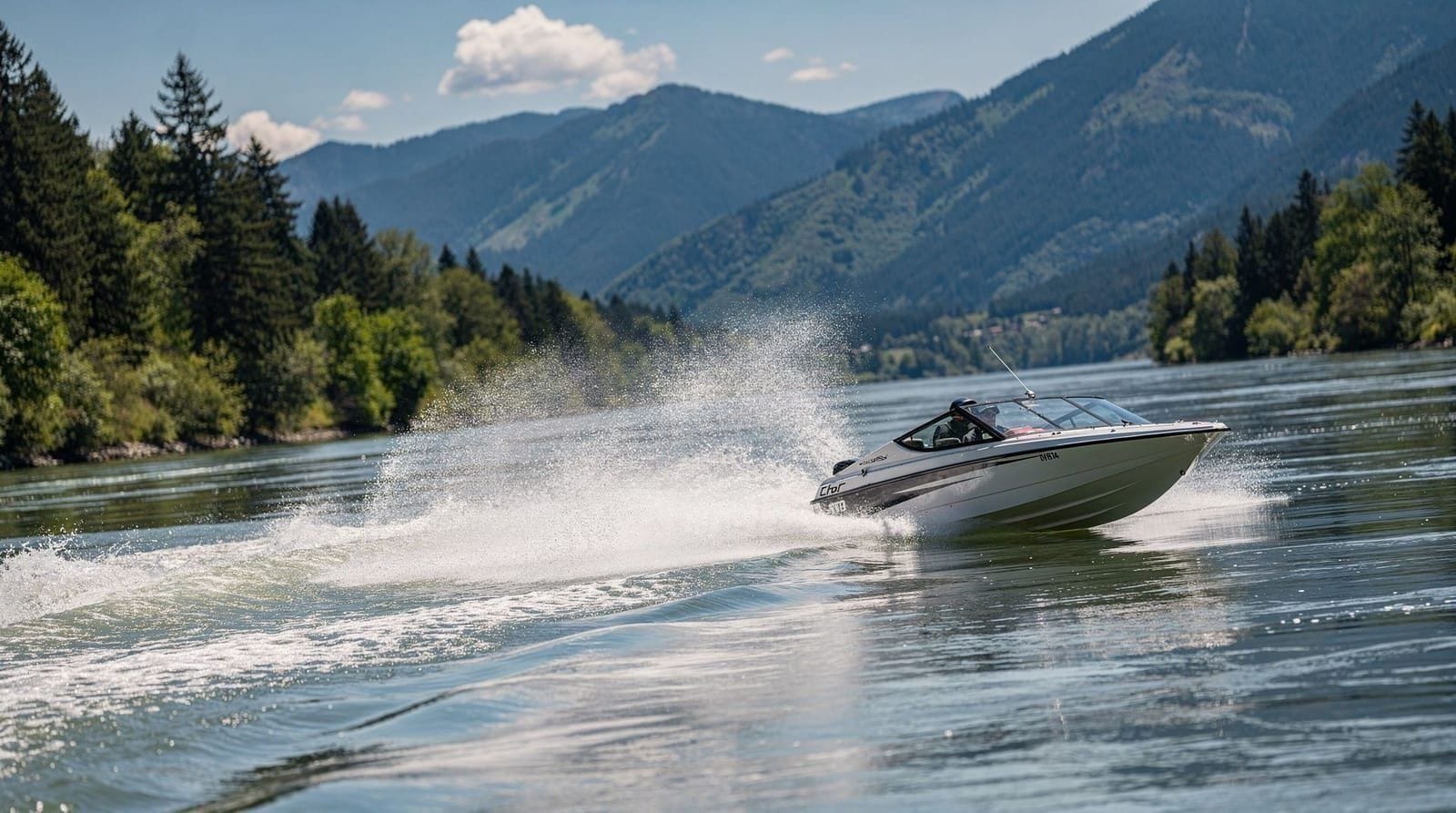
Then there’s the fast end of the spectrum: the Vancouver waterfront sightseeing tour by Zodiac, a rigid inflatable boat that covers similar harbour water at speed, open to the air and considerably bumpier and louder than either the sailboat or the standard cruise.
That’s covered in more depth in the jet boat guide to Vancouver, which looks at Zodiac-style tours as the closest thing the city has to a genuine thrill-boat experience. None of the three is objectively better — they’re built for different moods, and picking the wrong one for what you actually want out of the afternoon is the easiest way to be disappointed by an otherwise fine tour.
Who a sailboat cruise actually suits
This is a scenic-view trip, not an adrenaline trip, and it’s worth being honest about that distinction before booking. Couples looking for a relaxed few hours on the water, travelers who want photos of the skyline without harbour-tour narration talking over the moment, and anyone who finds fast open boats uncomfortable or simply unappealing are the people this suits best. Families with very young children can do it too, though a couple of hours of unhurried sailing asks more patience of a toddler than a shorter, faster tour would.
If the goal is speed, spray, and a genuine adrenaline hit on the water, this isn’t the right pick — that’s what the Zodiac-style tours covered in the jet boat guide are built for. The two are close enough in price and duration that it’s easy to book the wrong one by assuming “boat tour” means roughly the same experience everywhere; it doesn’t.
Best time to go
Summer is the strongest season for sailing out of Vancouver, and not just for comfort. July and August are typically the driest and warmest months in the region, which matters twice over for a sailing trip: dry weather means clear views of the North Shore mountains and downtown skyline, and warmer temperatures make sitting on open deck for a couple of hours genuinely pleasant rather than something to endure. Wind is also generally more consistent through the summer thermal cycle, when afternoon sea breezes build reliably across the inlet, giving the boat more actual sailing time rather than motoring through a lull.
Shoulder-season sailing — May, June, September — is workable and often quieter in terms of other boat traffic, but expect a higher chance of a grey or damp day and less certainty around wind. Winter sailing is offered by some operators but is a genuinely different, colder experience, and worth confirming departure conditions before committing if visiting outside the main season.
Price and what to expect to pay
Exact current pricing shifts with season and operator, but a few hours of crewed sailing on English Bay sits at a moderate price point relative to Vancouver’s other water activities — noticeably more than a one-hour motorized harbour loop, but broadly comparable to other multi-hour guided boat experiences in the city. It’s not a budget activity, but it isn’t priced as a luxury charter either; it occupies the middle of the range for guided Vancouver water tours. Checking the current listing before booking is the most reliable way to confirm exact pricing, since it can move with season and demand.
Getting to Mosquito Creek Marina
Mosquito Creek Marina sits on the North Vancouver waterfront, which means the trip starts with getting across the inlet from downtown. The SeaBus to Lonsdale Quay followed by a short taxi or rideshare is the most straightforward route without a car; driving across one of the two bridges is the other option, with parking generally available near the marina. Building in a bit of extra time for this crossing is worth it — arriving flustered from a tight connection undercuts the point of a relaxed sailing trip before it’s even started. Some travelers pair the crossing with a stop in North Vancouver itself, either before or after the sail, rather than treating it purely as a transit point.
Pairing a sailing trip with the rest of a Vancouver itinerary
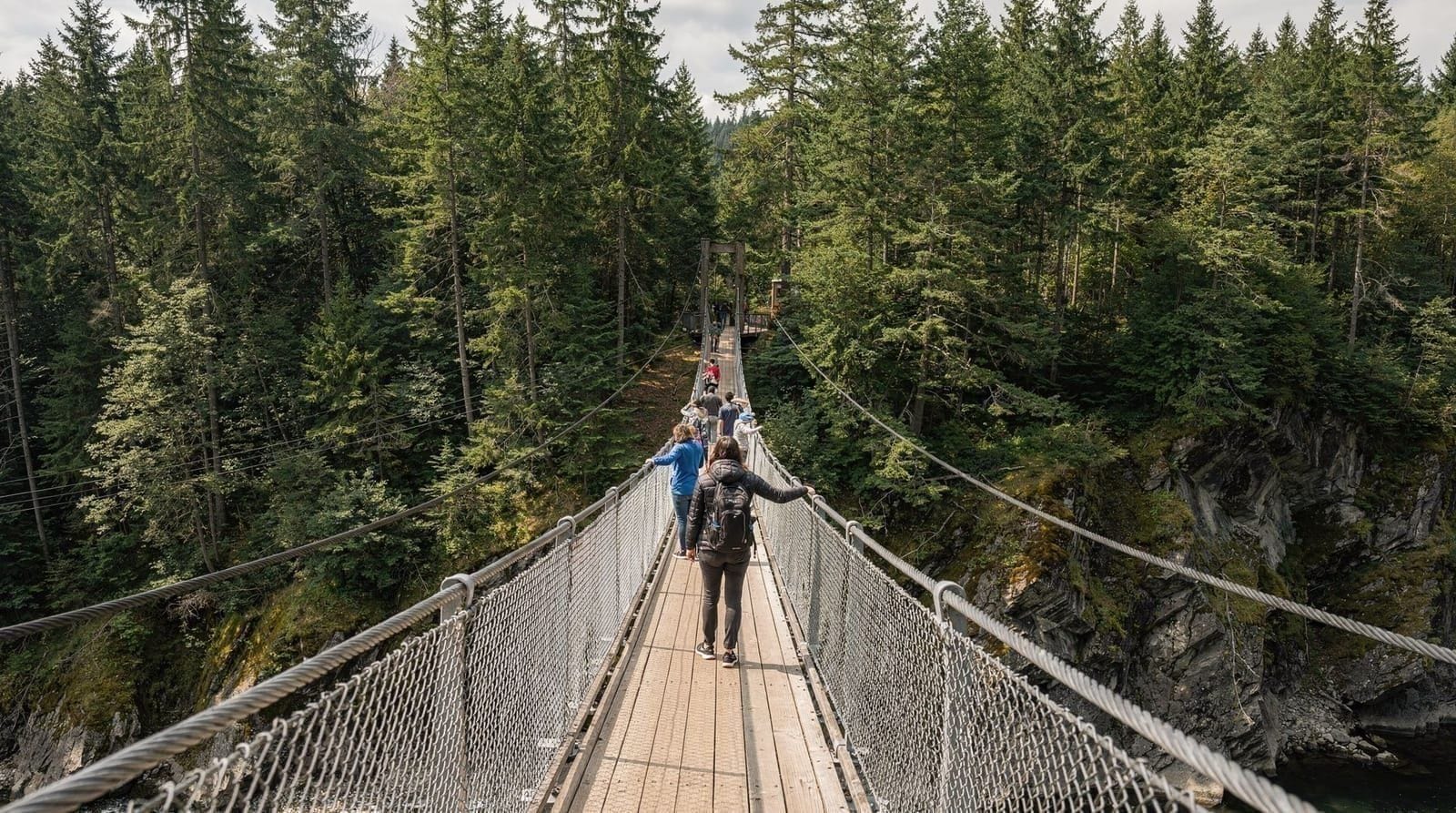
A few hours of sailing leaves plenty of room either side of it for other North Shore or waterfront activities. Travelers already on the North Shore for the sail sometimes combine it with a visit to Grouse Mountain or the Capilano Suspension Bridge earlier in the day, since both sit a short drive from the marina, though cramming a mountain visit and a sailing trip into one day makes for a long one — splitting them across two days is more comfortable if the schedule allows it.
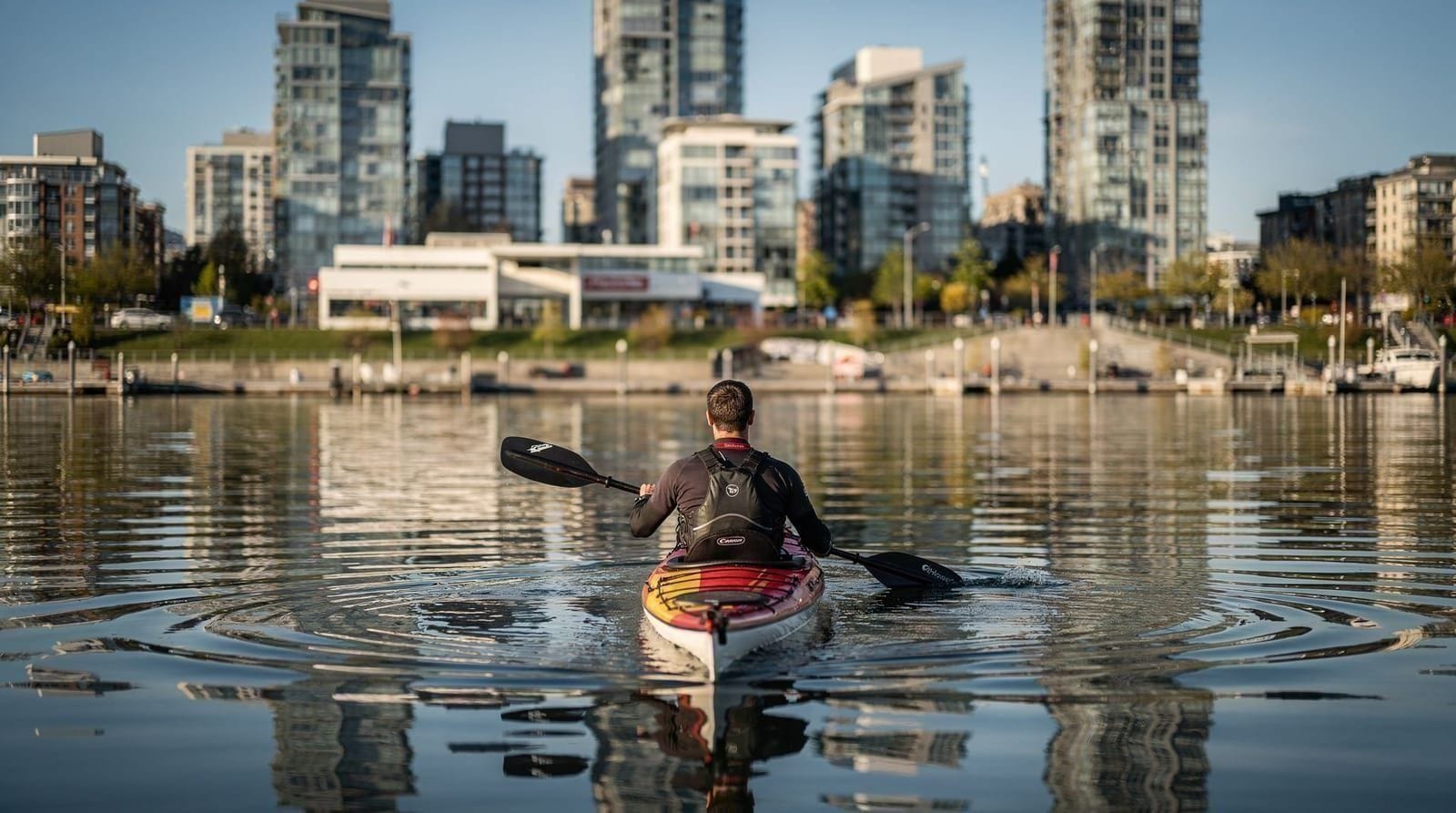
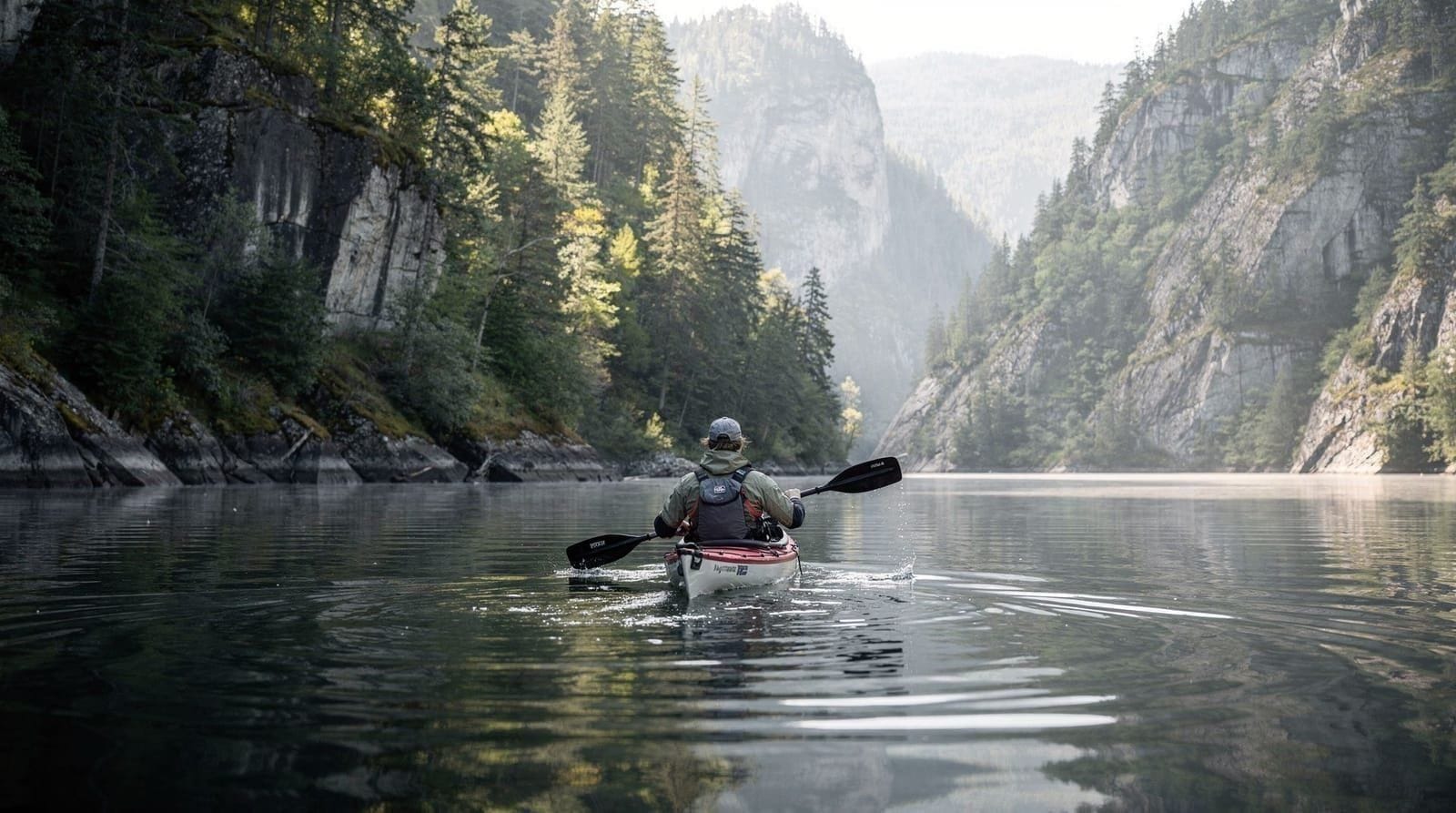
For travelers who want to stay on the water rather than just look at it, kayaking in Vancouver is a lower-cost, more active alternative that covers some of the same coastline from a very different vantage point, and kayaking Indian Arm or kayaking from Deep Cove both explore North Shore inlets within easy reach of Mosquito Creek. Kayaking from Granville Island covers the downtown side of the same water the sailboat crosses, useful for comparing the two vantage points if time allows both.
For travelers weighing a faster, louder alternative to the sailboat, the honest comparison is laid out in the jet boat guide to Vancouver — worth reading before booking either, since the two experiences really don’t overlap much beyond both happening on the same stretch of water.
Group size and booking logistics
Sailboat cruises out of Mosquito Creek typically run as shared trips, meaning a booking is for a spot on a boat that other travelers or small groups will also be aboard, rather than a private charter of the whole vessel. That keeps the price accessible compared to chartering an entire sailboat, but it does mean the crew is managing the experience for a mixed group rather than tailoring it to one party’s preferences alone.
Travelers who specifically want a private outing — a proposal, an anniversary, a small family gathering that wants the boat to itself — should check directly with the operator about a private charter option before assuming the standard listing covers it, since pricing and availability for a private booking differ meaningfully from the shared departure.
Boat capacity on a sailboat this size is naturally limited compared to a larger motorized cruise vessel, which is part of what makes the experience feel more personal, but it also means popular departure times can sell out during peak summer weekends. Booking a few days ahead during July and August is a reasonable precaution rather than assuming a same-day spot will be available, particularly for a specific time slot like a sunset departure.
Seasickness and comfort on a sailboat
A sailboat under wind power moves differently from a motorized cruise — there’s more heel, the gentle lean of the boat as it catches wind, and less of the steady, predictable vibration of an engine. For most passengers this is a genuinely pleasant, calming sensation rather than something to worry about, but anyone prone to seasickness should take the same precautions recommended for any Vancouver boat trip: a non-drowsy motion sickness tablet taken roughly an hour before departure, a light meal beforehand rather than boarding on an empty stomach, and staying toward the center of the boat where movement is least pronounced if queasiness does set in.
English Bay and the inlet crossing are generally sheltered compared to open ocean, so conditions are milder than an offshore sail would be, but a breezy afternoon can still produce noticeable movement.
Temperature is the other comfort factor worth planning for. Even a warm, sunny day on land cools down meaningfully out on open water, and a boat moving under sail generates its own wind chill much like a motorized one does. Dressing in layers — a windproof outer layer over a warm mid-layer, with a hat that won’t blow off in a gust — makes the difference between an enjoyable few hours and a cold, uncomfortable one, particularly as the afternoon wears on and any early sun gives way to a stiffer breeze.
Why Mosquito Creek and not a downtown departure
It’s a fair question why this particular sailing cruise departs from a marina most visitors haven’t heard of rather than somewhere more central like Coal Harbour. The answer is largely practical: Mosquito Creek Marina has long served as a working sailing marina for the North Vancouver sailing community, with slips and facilities suited to keeping a fleet of sailboats rather than the larger motorized tour vessels that cluster around the downtown waterfront. Departing from there also puts the boat closer to the more open, less boat-trafficked stretch of water it needs for a proper sail, rather than threading through the busier harbour traffic immediately off downtown.
For visitors, that translates into a short additional leg of travel to reach the marina, covered above, but it’s also part of what gives the trip its quieter, less touristic feel compared to boarding a large cruise boat steps from a cruise ship terminal. Travelers who’ve spent a day or two already in busy, central Vancouver sometimes find the contrast itself part of the appeal — a genuinely local marina, a smaller boat, and a crossing that feels more like joining a sailing trip than boarding a tour.
Photography and what the view actually looks like
A common assumption before boarding is that a sailboat, being smaller and lower to the water than a large cruise vessel, might limit photo opportunities. In practice it’s often the opposite — the lower vantage point puts the downtown skyline and North Shore mountains at a more dramatic angle than the higher, more distant view from a large cruise ship’s deck, and the absence of an engine’s vibration and noise makes it easier to hold a phone or camera steady for a clean shot. Golden hour departures, when offered, are worth prioritizing if photography is a priority for the trip — the low, warm light on both the mountains and the glass towers downtown photographs noticeably better than the flatter light of midday.
Wind and spray are a genuine consideration for camera gear, less severe than on an open Zodiac but still present, particularly if conditions pick up during the crossing. A simple weatherproof phone case or a strap to prevent an expensive camera going overboard on a sudden heel of the boat is a small, sensible precaution rather than an overreaction.
Comparing cost against the alternatives
Because Vancouver offers several different boat-based ways to see the same general stretch of water, it’s worth putting the sailboat cruise’s price in context rather than evaluating it in isolation. It typically costs somewhat more than the shortest motorized harbour loop, given the longer duration and the more involved, crewed nature of the experience, but sits below the price of a full-day charter or an extended multi-stop cruise.
Relative to the Zodiac tours covered in the jet boat guide, pricing is broadly comparable for trips of similar length, which makes the choice between them much more about the kind of experience wanted — calm and scenic versus fast and exhilarating — than about which is the better value on paper. Neither framing is wrong; it’s simply a matter of matching the trip to the traveler rather than assuming price alone should decide it.
A few practical questions worth asking before booking
Confirming a handful of details directly with the operator before booking tends to head off most of the disappointment travelers report after any boat trip, sailing included. Worth asking: whether the specific departure is guaranteed to sail under wind power or whether the boat will motor if conditions are calm that day, since a windless afternoon spent mostly under motor is a meaningfully different experience from an actively sailed crossing. Worth asking too: what happens in the event of poor weather — whether trips are rescheduled, refunded, or run regardless within some safety threshold — since Vancouver’s weather, even in the drier summer months, isn’t fully predictable.
And finally, whether snacks, drinks, or seating cushions are provided or worth bringing independently, a small detail that meaningfully affects comfort over a multi-hour trip. None of these are red flags to ask about — a well-run operator will have straightforward answers, and getting them ahead of time makes for a better-informed booking either way.
A brief note on sailing conditions in the inlet
Burrard Inlet and English Bay aren’t open ocean, and that matters for what a sailing cruise here actually feels like. The surrounding land — the North Shore mountains, the Point Grey and Stanley Park headlands — shapes the wind in ways that can make conditions genuinely variable from one part of the crossing to another, sometimes calm near the marina and noticeably breezier once out past the Lions Gate Bridge area toward open English Bay.
Experienced local skippers read these patterns as a matter of course, which is part of the value of a crewed trip over trying to arrange this independently — knowing where the wind is likely to fill in on a given afternoon isn’t obvious to a first-time visitor, even one with some sailing background of their own.
What’s typically included, and what to bring
Standard listings usually include the skipper and crew, safety equipment, and the couple of hours on the water, but food, drinks, and cushions vary by operator — worth confirming at booking rather than assuming. A light jacket earns its keep even on a warm day, since a sailboat under way generates its own wind chill once the sun starts to dip, and sunglasses cut the glare that builds up over open water in the afternoon.
Cameras and phones are fine to bring given the sheltered inlet conditions described above, but a simple wrist strap or weatherproof case is sensible insurance rather than an overreaction to real risk. Comfortable, flat-soled shoes matter more than they might seem to — a sailboat’s deck can be uneven or slightly heeled, and proper footwear makes moving around the boat, or simply bracing during a gust, considerably easier than it would be in sandals.
Combining sailing with English Bay’s shoreline
For travelers who want to see English Bay from both the water and the shore in the same trip, the crossing pairs naturally with time spent at the beach itself afterward — English Bay Beach and the seawall nearby make a relaxed follow-up to an afternoon sail, giving a second, ground-level vantage point on the same stretch of water the boat just crossed. It’s a low-effort pairing rather than a full second activity, useful for travelers who want to stretch a half-day sailing trip into a fuller day without adding another paid booking on top of it.
Top experiences
Bookable activities with verified prices and instant confirmation on GetYourGuide.