Stanley Park
Stanley Park without the guesswork: Seawall logistics by foot, bike or e-bike, what is genuinely free, viewpoint-by-viewpoint notes, and a rain plan.
Vancouver: Stanley Park Bike Tour | E-Bike Upgrade Available
Duration: 3 hours
Quick facts
- Best for
- The Seawall, viewpoints, an easy morning outdoors
- Time needed
- 2-4 hours for the Seawall highlights, a full day if slow
- Getting there
- Walk from the West End, or bus from downtown
- Good to know
- The park itself is free; the Aquarium is a separate ticket
More than a park you drive through
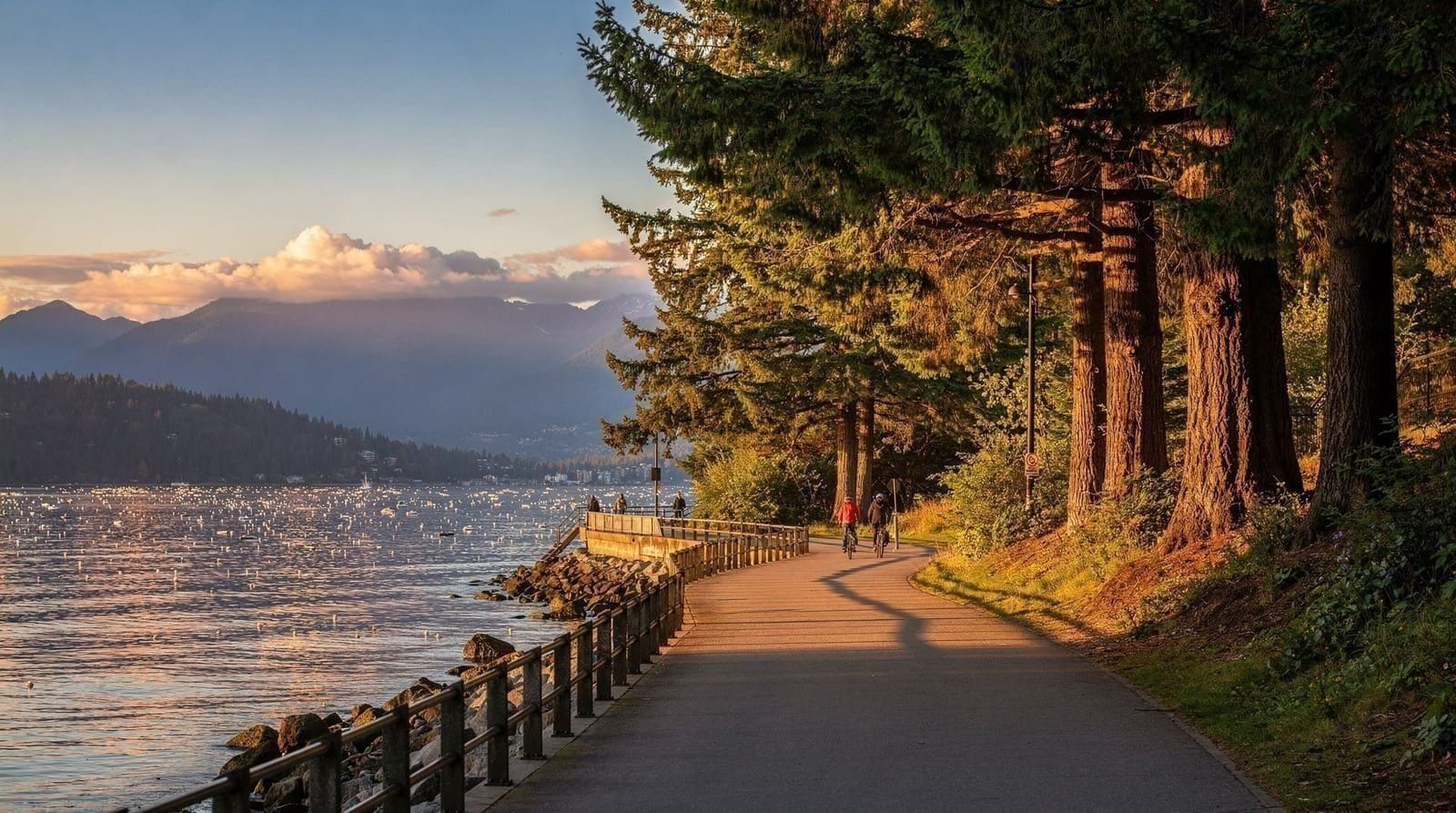
Stanley Park is a 1,000-acre peninsula of second-growth forest wrapped almost entirely by the Seawall, and it’s the single most-visited attraction in the city for good reason — it’s free to enter, easy to reach from downtown, and genuinely scenic rather than just conveniently located. The mistake first-timers make is trying to see all of it on foot in one pass. The park rewards picking a method that matches your time budget: walking a short section, cycling the full loop, or renting an e-bike if hills and distance aren’t your thing.
| Where | Peninsula at the edge of downtown/West End |
| Cost | Free to enter; Aquarium is a separate CAD $60+ ticket |
| Time needed | 2-4 hours for the Seawall highlights, a full day if slow |
| Getting there | Walk from the West End, or bus from downtown |
| Best time | Late spring through early fall for dry Seawall conditions |
Walk, bike, or e-bike: picking the right pace
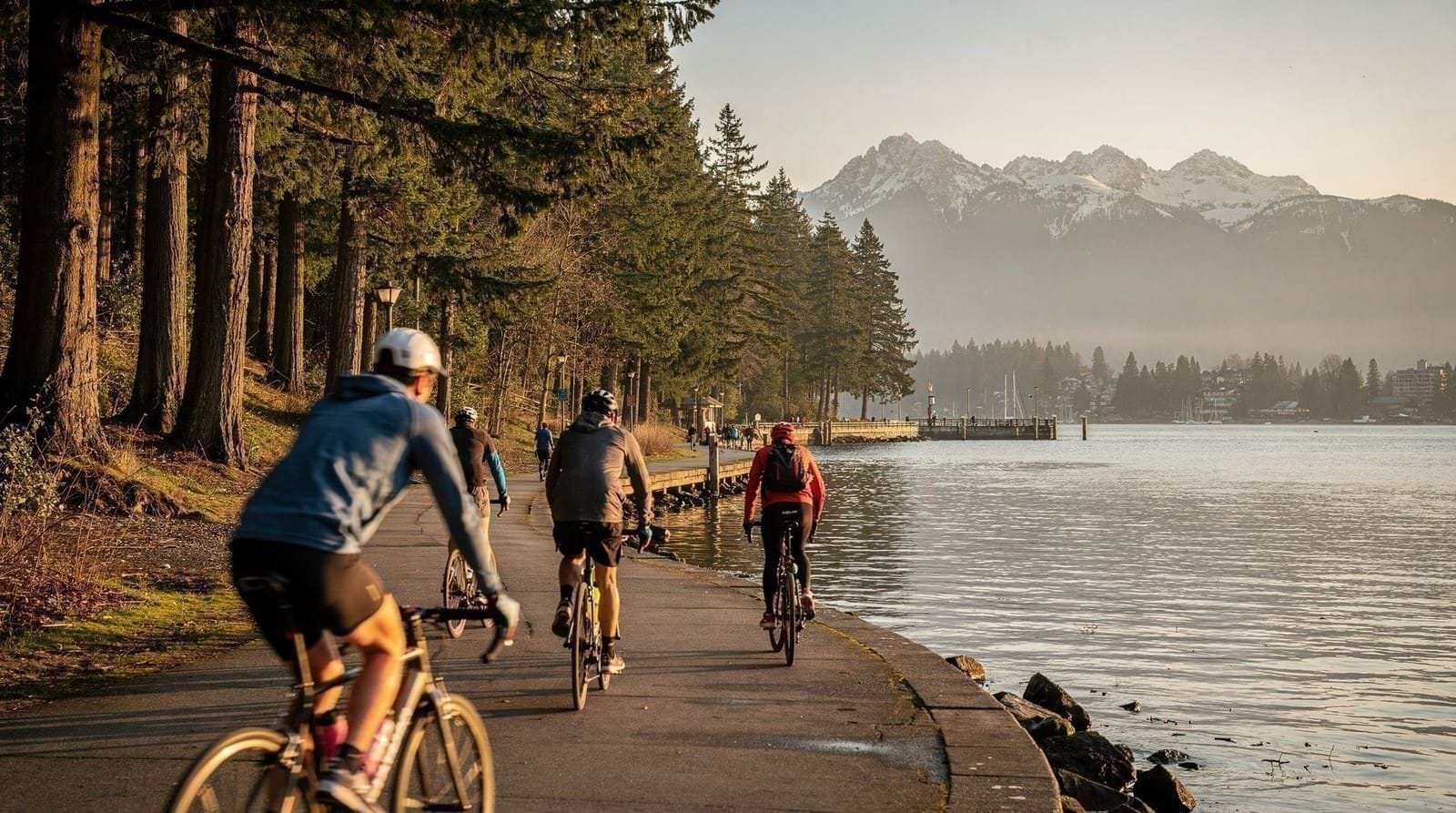
The full Seawall loop around the park runs about 9km and takes 3-4 hours to walk at a relaxed pace, or roughly 1-1.5 hours by bike. Bike and e-bike rentals cluster near the Denman Street entrance on the park’s west side. If you’d rather not manage navigation and rental logistics yourself, a guided Stanley Park bike tour with an e-bike upgrade option covers the seawall highlights with a guide narrating the stops, in about three hours — a reasonable middle ground if you want the exercise without the planning.
For a self-paced option that doesn’t tie you to a group’s schedule, the self-guided smartphone tour of Stanley Park gives you the same historical commentary on your own phone, stop by stop, whenever you’re ready to move on.
What’s actually free versus what costs money
This is worth being direct about: the park itself, the Seawall, Prospect Point, Siwash Rock, Lost Lagoon, and the beaches are all free. The Vancouver Aquarium, located inside the park, is not — it’s a separate paid attraction with roughly 65,000 animals and an adult ticket in the CAD $60+ range, with daily capacity limits that make booking online ahead of time worthwhile in summer.
Whether it’s worth the price depends on your interest in marine life specifically; if you’re mainly here for the park experience, you can have a full, satisfying half-day without ever buying a ticket. If you do want both the Aquarium and a wider city loop in one booking, the Aquarium and Stanley Park tour with 20 extra stops and VIP car bundles the two together with private transport.
Viewpoint by viewpoint
Prospect Point, near the park’s northern tip, has the best sightline to the Lions Gate Bridge and the North Shore mountains, and it’s a natural rest stop with a small snack kiosk. Siwash Rock, a sea stack just south of Prospect Point, has a short legend attached to it worth reading before you arrive — see our Stanley Park guide for the full story.
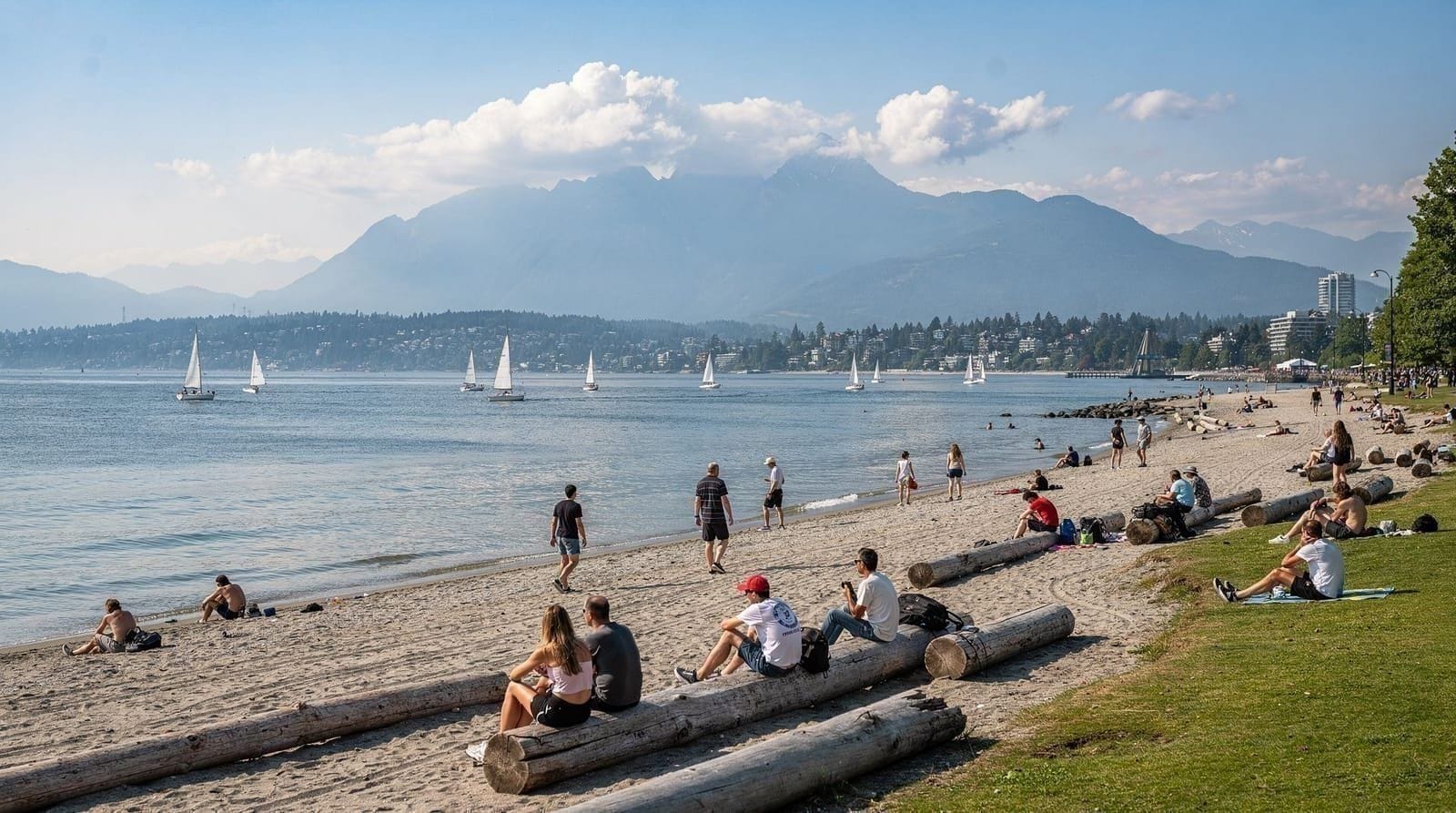
English Bay beach, at the park’s southern edge, is the spot for sunset, and Lost Lagoon, tucked just inside the Georgia Street entrance, is a quieter freshwater detour if you want a break from the crowds on the Seawall proper. For the fuller loop breakdown with distances between each stop, our Stanley Park Seawall guide lays it out section by section.
A rain contingency
Vancouver is rainy from October through May, and Stanley Park’s forest sections offer real tree cover if a shower rolls through — the Seawall itself is more exposed, so a rain jacket beats an umbrella here, matching how locals actually dress. If the forecast is genuinely bad, this is a day to swap for an indoor stop like the Museum of Anthropology or the Vancouver Art Gallery and push the park to a clearer day — see our Vancouver rain guide for more on planning around the wet season.
If you’re curious about a different side of the park’s history, including some of its less-publicized past, the Dark Secrets of Stanley Park tour covers that ground on foot.
A bit of history
Stanley Park was designated in 1888, making it one of the older large urban parks in North America, and it was named for a Governor General of Canada rather than for any local figure — a detail that surprises a fair number of visitors expecting a more Vancouver-specific origin story.
The land had been inhabited and used by the Musqueam, Squamish, and Tsleil-Waututh Nations long before the park’s creation, and a cluster of totem poles at Brockton Point, a short detour off the main Seawall loop near the park’s eastern side, represents Indigenous art and history rather than an original village site — most of the poles were carved and installed through the 20th century as a public art collection, not preserved originals. For a fuller look at Indigenous history and cultural sites around the city, see our Indigenous culture in Vancouver guide.
Families and shorter visits
If a full Seawall loop is more than your group wants, the stretch between the Georgia Street entrance and Lost Lagoon is flat, short, and stroller-friendly, and it’s enough to get a genuine sense of the park without committing to hours of walking. Combine it with a stop at the small water park near Lumberman’s Arch, popular with younger kids in summer, for a manageable half-day rather than the full loop. Our Vancouver with kids guide has more on pacing a family day around the park.
Getting there and what’s nearby
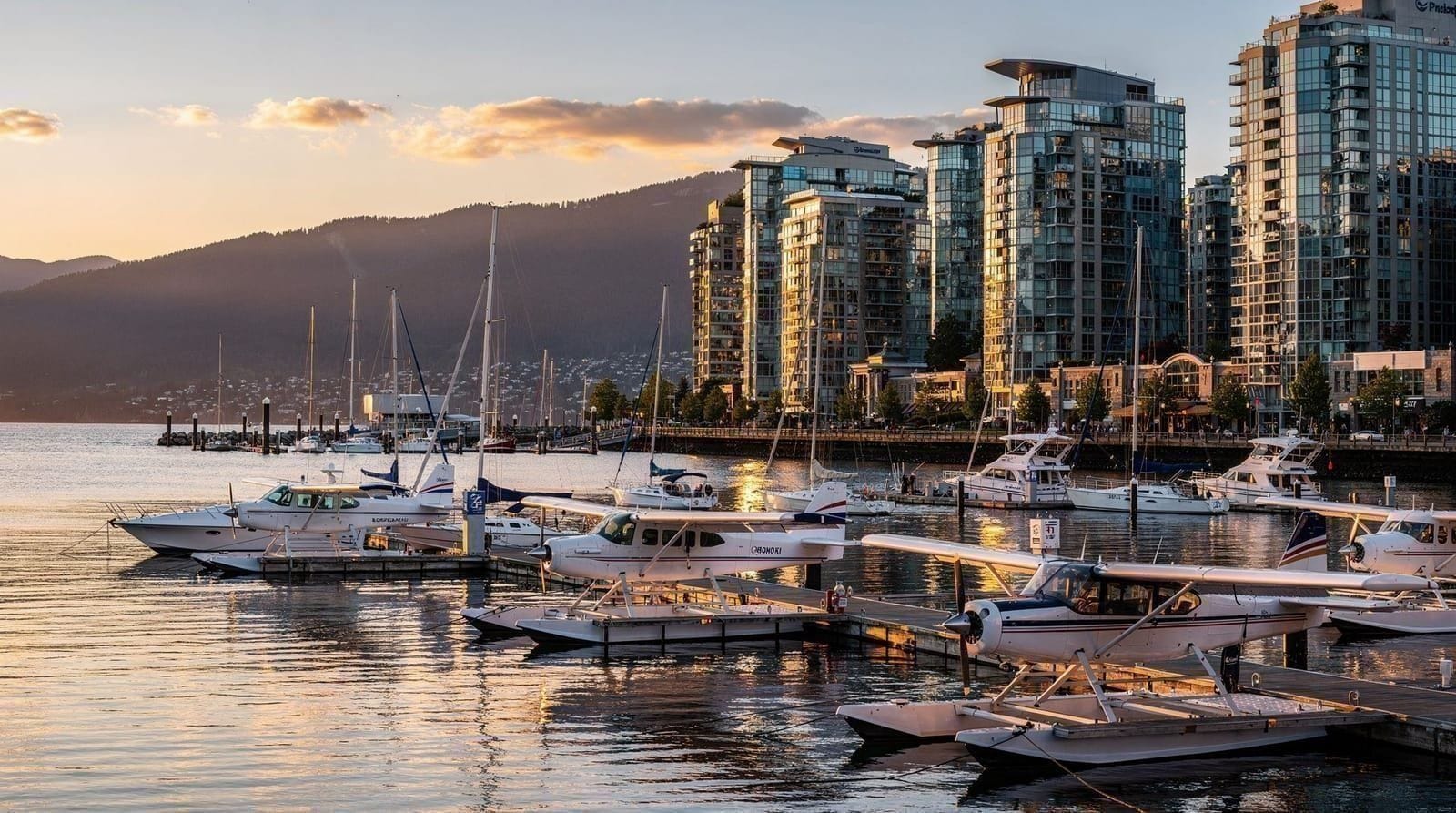
The park’s main entrance sits right at the edge of the West End, a short walk from Denman Street, and the Coal Harbour Seawall connects directly into the park from the east. From downtown proper, it’s a 20-25 minute walk or a short bus ride. For a full day that pairs the park with a market lunch, see our 2-day Vancouver itinerary, and check best hikes near Vancouver if the Seawall leaves you wanting more elevation than a flat waterfront loop offers.
Frequently asked questions about Stanley Park
Is Stanley Park free to visit?
Yes, the park and the Seawall are free. The Vancouver Aquarium inside the park charges a separate admission, currently CAD $60 and up for an adult ticket, and is worth booking online ahead in summer due to daily capacity limits.
How long does it take to walk the Seawall?
The full 9km loop takes roughly 3-4 hours on foot at a relaxed pace. Cycling covers the same distance in about 1-1.5 hours, which is why many visitors choose to bike rather than walk the whole thing.
Where can I rent a bike for Stanley Park?
Rental shops cluster near the Denman Street entrance on the park’s west side, offering both standard bikes and e-bikes. Guided tours also include the bike as part of the booking if you’d rather not handle rental logistics yourself.
What’s the best viewpoint in Stanley Park?
Prospect Point gives the clearest view of the Lions Gate Bridge and North Shore mountains and makes a natural rest stop partway around the loop. Siwash Rock and English Bay beach are the other two most photographed spots.
Is the Vancouver Aquarium worth the price?
It depends on your interest in marine life. The ticket is a genuine expense on top of a free park visit, so it’s worth deciding in advance rather than as an impulse stop — booking online ahead is recommended since daily capacity is limited.
What should I do in Stanley Park if it’s raining?
The Seawall is exposed, but the forested interior paths offer real tree cover. A rain jacket works better than an umbrella. If the forecast is bad all day, consider swapping in an indoor stop and returning to the park on a clearer day.
Can I skip the Seawall and still get a good Stanley Park visit?
Yes — the stretch between the Georgia Street entrance and Lost Lagoon, plus a short detour to English Bay beach, gives a genuine sense of the park in under an hour without committing to the full 9km loop.
Is it worth doing the full Seawall loop, or just a section?
For most first-time visitors with limited time, a section — say, Georgia Street entrance to Prospect Point and back — delivers most of the park’s visual highlights in under two hours. The full loop rewards visitors with a half or full day who want the complete experience, including Siwash Rock and the quieter western stretch.
Walking vs. cycling: time and effort compared
| Method | Time for full loop | Effort | Best for |
|---|---|---|---|
| Walking | 3-4 hours | Low, but long | Unhurried visitors, photography stops |
| Standard bike | 1-1.5 hours | Moderate | Fitter visitors wanting to cover it all |
| E-bike | Under 1.5 hours | Low | Visitors wanting the full loop without the exertion |
| Guided bike tour | About 3 hours (with stops) | Low-moderate | First-timers who want narration and no route planning |
Is Stanley Park worth it if you’ve seen other big city parks?
It’s a fair question for visitors who’ve done Central Park or similar — Stanley Park’s case rests on the combination of forest, ocean, and mountain views in one loop, which is genuinely uncommon among comparably sized urban parks. The totem poles at Brockton Point and the Prospect Point sightline to the Lions Gate Bridge and North Shore mountains are the two features that most differentiate it from a typical flat, purely green urban park. If your time is very limited and you’ve already covered similar big-city parks extensively, a shorter Seawall section still delivers the view-and-forest combination without the full loop’s time commitment.
Top experiences
Bookable activities with verified prices and instant confirmation on GetYourGuide.