Whistler
Whistler is North America's largest ski resort, a 2-hour drive from Vancouver, with a 200-day winter season and mountain biking in summer.
From Vancouver: Full-Day Whistler Tour
Duration: 10.5 hours
Quick facts
- Distance from downtown
- 2–2.5 hr by car via Highway 99
- Getting there
- Car, Whistler shuttle, or guided day tour
- Ski season
- Late November–mid-May (200-day season)
- Summer activities
- Peak 2 Peak Gondola, mountain biking, hiking
- Time needed
- Full day trip, or 2+ nights for skiing
Whistler is the reason British Columbia shows up on skiers’ bucket lists worldwide — the largest ski resort in North America by skiable terrain, spread across two connected mountains, Whistler and Blackcomb, roughly two hours north of Vancouver via the Sea-to-Sky Highway. It hosted alpine events for the 2010 Winter Olympics, and it’s built a genuine four-season identity since then, with mountain biking and alpine hiking drawing nearly as many summer visitors as skiers in winter.
| Where | Sea-to-Sky corridor, about 120km / 2–2.5hrs north of Vancouver |
| Cost | Free to visit village; ski passes and gondola tickets extra (CAD 100+/day in peak season) |
| Time needed | Full day minimum, 2–4 nights recommended for skiing |
| Getting there | Car, Whistler shuttle, or a guided day tour |
| Best time | December–March for skiing, June–September for summer activities |
Winter: skiing and snowboarding
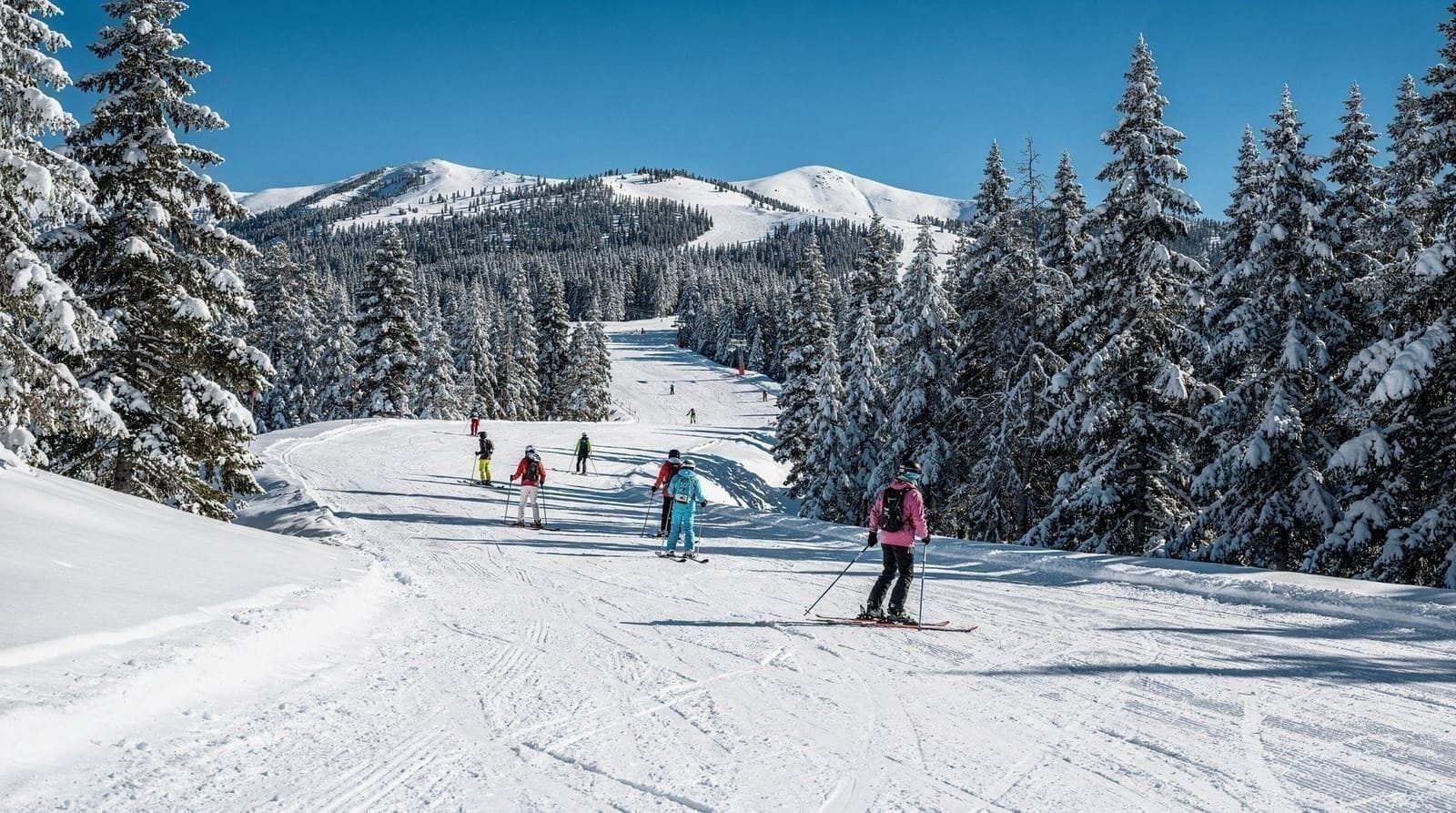
Whistler Blackcomb’s season typically runs from late November through mid-May — around 200 operating days, unusually long by North American standards, thanks to high alpine elevation and heavy average snowfall (November alone often brings over 2 metres). Peak season runs January through March, when conditions are most reliable and crowds heaviest; late season (April–May) can still deliver excellent spring skiing on the upper mountain with noticeably thinner lift lines.
The terrain spans beginner runs to genuinely advanced alpine bowls and glacier skiing, connected by the Peak 2 Peak Gondola — a 4.4-kilometre span between the two mountains’ peaks, the longest unsupported lift span in the world, letting skiers move between Whistler and Blackcomb without descending to the village.
Whistler Village
At the base of both mountains, Whistler Village is a pedestrian-only town built specifically for the resort, dense with hotels, restaurants, bars, and gear shops within a compact walkable core. It’s genuinely convenient — ski-in, ski-out lodging is common, and the apres-ski scene is a real part of the Whistler experience, not an afterthought. Outside ski season, the same village supports a busy summer scene built around biking and hiking rather than lift lines. See the where to stay in Vancouver guide for a comparison of basing yourself in the city versus staying overnight in the village itself.
Summer at Whistler
Whistler’s identity as a summer destination has grown substantially in the past decade. The Peak 2 Peak Gondola runs through summer as a scenic ride in its own right, connecting to alpine hiking trails at altitude that would otherwise require a multi-hour climb to reach. Whistler Mountain Bike Park, built into Whistler Mountain’s lower slopes, is one of the most established lift-served mountain biking parks in the world, with trails graded by difficulty much like ski runs.
For visitors who’d rather stay on foot, guided options add structure and local knowledge: a Ziptrek Eagle zipline tour runs through old-growth forest between the two mountains, and a Whistler Blackcomb helicopter tour covers glacier and alpine terrain in a way no trail can, landing on terrain otherwise reachable only by serious backcountry travel.
Wildlife
Black bears are a genuine, regular presence around Whistler in the warmer months, drawn to the valley’s berries and forage — sightings from the gondola or on marked trails aren’t unusual between roughly May and October, before hibernation. A guided bear viewing scenic tour improves the odds of a real sighting with a naturalist who knows current feeding areas, rather than hoping to spot one independently. As with any bear country, keeping a safe distance and never approaching or feeding wildlife applies here as much as anywhere else in BC.
Squamish Lil’wat Cultural Centre
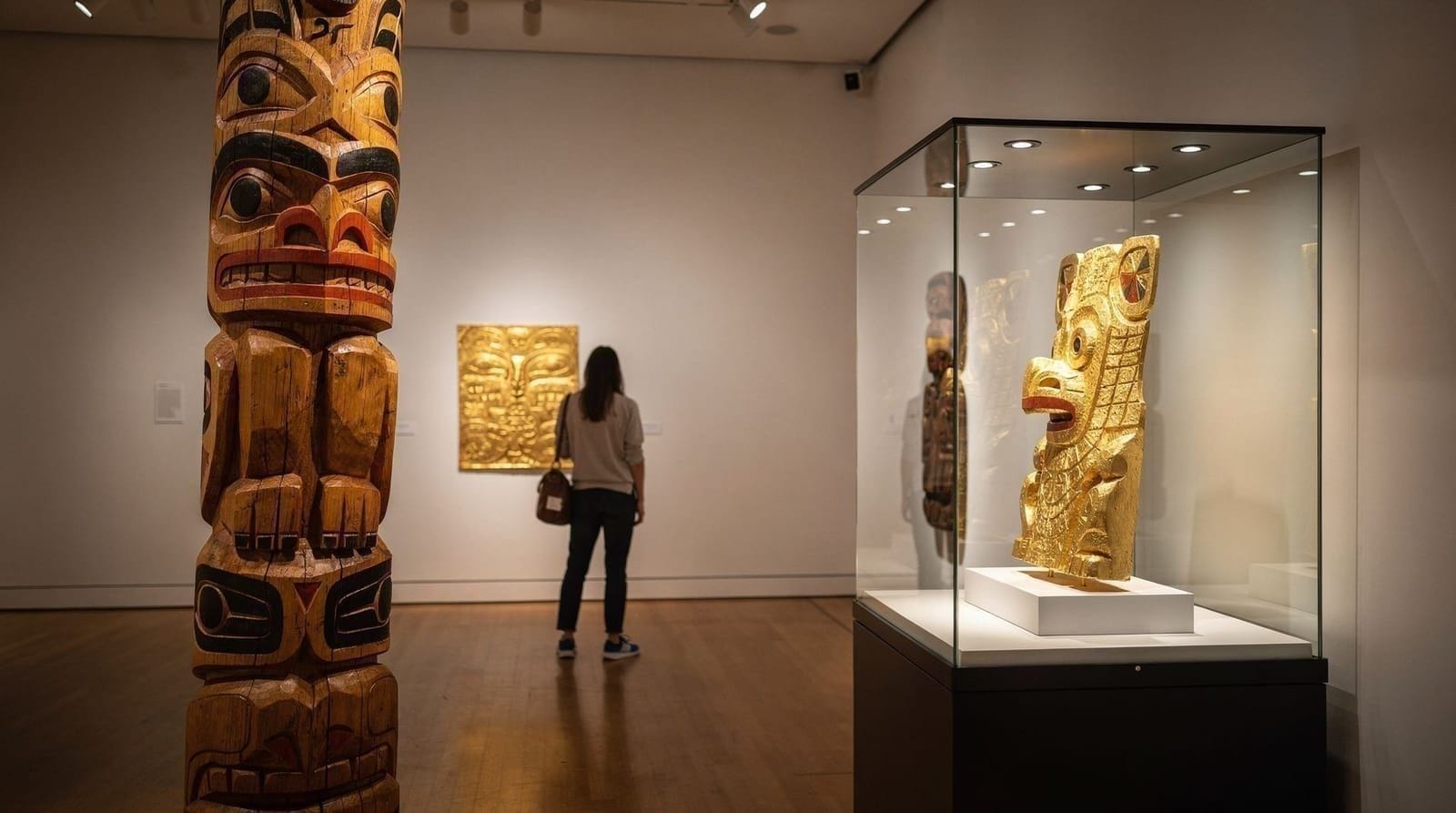
At the entrance to Whistler Village, the Squamish Lil’wat Cultural Centre is a shared facility built and run in partnership by the Squamish and Lil’wat Nations, whose traditional territories meet in the Whistler valley. Exhibits, a longhouse-inspired great hall, and guided tours cover both nations’ history, art, and ongoing presence in the region — a worthwhile stop for context that the ski resort’s marketing rarely provides, and a genuinely different angle on Whistler than the mountains themselves.
It pairs well with a broader interest in First Nations experiences in BC or the Indigenous culture options closer to Vancouver, for visitors who want to build a fuller picture across the trip rather than a single stop.
Doing Whistler as a day trip
Whistler is a genuine two-hour drive each way from Vancouver, which makes a single-day visit tight but entirely doable, particularly for skiers with an early start or summer visitors focused on the gondola and village rather than a full mountain-bike day. A full-day Whistler tour from Vancouver handles the drive and typically includes stops along the Sea-to-Sky corridor, useful for visitors who’d rather not navigate mountain highway driving themselves, especially in winter conditions.
That said, anyone planning to actually ski or ride the mountain, rather than just see the village and gondola, benefits from staying at least one night — lift tickets are expensive enough that spending three or four hours of a rental-car day trip just driving isn’t the best use of the money.
The Whistler day trip guide breaks down exactly what’s realistic to cover in a single compressed day versus what needs an overnight stay, and the Vancouver-Whistler 5 days itinerary lays out a fuller multi-day version.
Stopping in Squamish on the way
Nearly every Whistler-bound drive passes directly through Squamish, roughly halfway along the route, home to the Sea to Sky Gondola and Shannon Falls. Building in an hour or two here — either on the way up or the way back — is a common way to add a second attraction to a Whistler day without a meaningful detour; see the Squamish destination page and the whistler-summer guide for how the two towns’ seasons compare.
Getting there
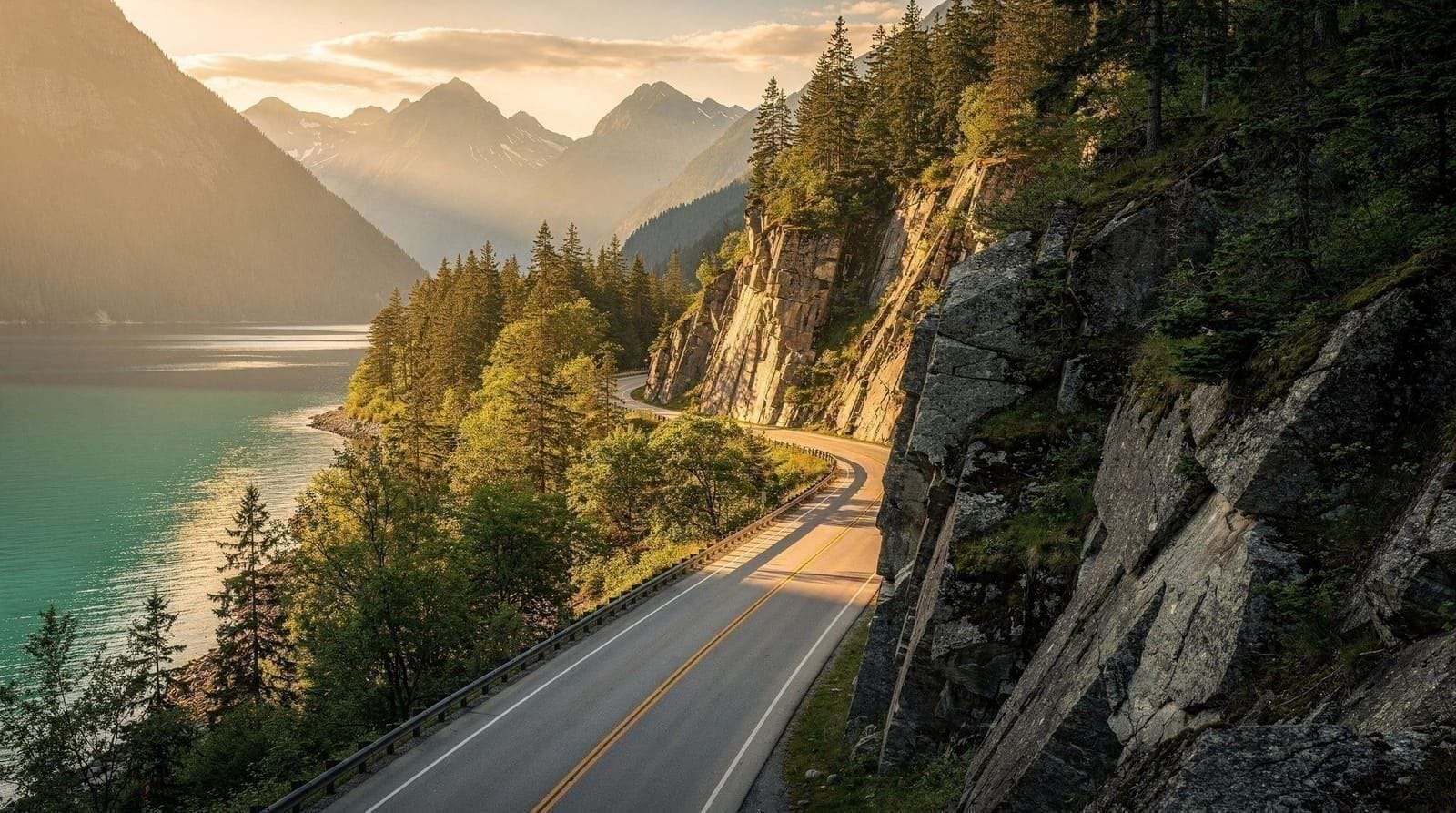
Highway 99 north from Vancouver, via Squamish, takes roughly two to two-and-a-half hours in normal conditions — the drive itself, hugging Howe Sound and then climbing through the Coast Mountains, is scenic enough to be part of the experience rather than a chore, though winter conditions can require snow tires or chains and add significant time. Scheduled shuttle buses run multiple times daily from Vancouver and from Vancouver International Airport, a reasonable option for visitors not planning to drive.
When to visit
Winter, specifically January through March, is peak ski season with the most reliable snow and biggest crowds; late November and April/May bring lower prices and thinner lines with still-good conditions on the upper mountain. Summer (June through September) suits mountain biking, hiking, and the Peak 2 Peak Gondola, with July and August the warmest and busiest months.
Whistler genuinely has no true off-season anymore — spring and fall (the transitional months between ski and summer operations) are the quietest times, with some lifts and trails closed during changeover. Booking accommodation and lift tickets well ahead matters most around Christmas/New Year and February’s school break weeks, when both prices and crowds peak simultaneously across the whole resort.
| Season | Months | What’s on | Crowds |
|---|---|---|---|
| Peak winter | January–March | Best snow, full lift network | Busiest, especially February break |
| Shoulder winter | Late Nov–Dec, April–May | Lower prices, still-good upper-mountain snow | Quieter, some lifts close late-season |
| Peak summer | July–August | Mountain biking, Peak 2 Peak, hiking | Busy village, warm weather |
| Shoulder/changeover | May–June, September–October | Limited lift/trail operations | Quietest, some closures during transition |
Practical tips
Book ski or gondola tickets in advance during peak weeks (Christmas/New Year and February school breaks in particular), since walk-up prices run higher and lift access can be capacity-limited on the busiest days. Parking in Whistler Village fills early on peak winter weekends; many visitors find it easier to rely on the village’s walkability and skip driving once they’ve arrived.
For a broader view of the highway route connecting Vancouver, Squamish, and Whistler, see the Sea-to-Sky corridor page, and pair a Whistler trip with a stop in Squamish along the way — most Whistler-bound drivers pass directly through it. Check the best-time-to-visit tool for current snow conditions and seasonal crowd forecasts before booking.
Frequently asked questions about Whistler
How far is Whistler from Vancouver?
About 120 km, roughly a two- to two-and-a-half-hour drive via Highway 99, depending on traffic and winter road conditions. Shuttle buses and guided tours cover the same route on a similar timeline for travelers who’d rather not drive it themselves.
Can you visit Whistler as a day trip from Vancouver?
Yes, though it’s a long day given the four-plus hours of round-trip driving. It works well for a village-and-gondola visit or a single day of skiing with an early start; a full mountain-biking day or leisurely ski trip benefits from at least one overnight stay. Guided day tours handle the driving for visitors who’d rather not tackle the mountain highway themselves after a long day on snow or trails, which many find worth the extra cost purely for the peace of mind.
When is ski season at Whistler?
Roughly late November through mid-May, one of the longest seasons in North America thanks to high alpine elevation and heavy average snowfall. Peak conditions and crowds run January through March.
Is Whistler good in summer?
Yes — mountain biking, alpine hiking accessed via the Peak 2 Peak Gondola, ziplining, and a genuinely busy village scene make it a legitimate summer destination, not just a winter one.
Do you need a car to visit Whistler?
No — scheduled shuttle buses and guided day tours run from Vancouver and the airport. A car adds flexibility for stopping in Squamish along the way, but isn’t required.
Are there bears near Whistler?
Yes, black bears are commonly seen in the valley between roughly May and October. Guided bear-viewing tours improve the odds of a sighting; independent hikers should keep a safe distance and follow standard bear-country precautions.
Top experiences
Bookable activities with verified prices and instant confirmation on GetYourGuide.