Snorkeling with salmon in BC
Vancouver: Snorkeling Seals Kayaking Scenic Boat Tour
Can you snorkel with salmon near Vancouver?
Not directly — dedicated river salmon-snorkel trips are a real BC activity, run mainly by specialist outfitters on clear coastal rivers on Vancouver Island and the Sunshine Coast during the roughly August-October spawning run, but this catalog doesn't currently list one. The closest bookable option near Vancouver itself is a harbour seal-snorkel-and-kayak tour — a different, saltwater experience, not a substitute for the river trip.
Snorkeling with salmon is a real, genuinely niche BC activity — drifting through a clear coastal river during the spawning run, watching thousands of salmon move upstream around you. It’s not something available directly from Vancouver, and it’s worth being upfront that this site’s tour catalog doesn’t currently list a dedicated river salmon-snorkel trip. What is bookable near Vancouver is a different, saltwater experience — a harbour seal-snorkel-and-kayak tour — and this guide covers both honestly: what the real activity actually involves and where it happens, then what’s realistically bookable if a dedicated river trip isn’t part of the itinerary.
| Where | Vancouver Island & Sunshine Coast rivers (real activity) / coastal Vancouver waters (bookable alternative) |
| When | Roughly August–October for the river spawning run |
| Cost | Seal-snorkel-kayak tour around CAD 100–160/person |
| Wetsuit | Provided on the Vancouver-based seal tours |
| Booking | Not currently listed for river salmon-snorkel; book the seal-snorkel-kayak tour directly |
What river salmon-snorkeling actually is
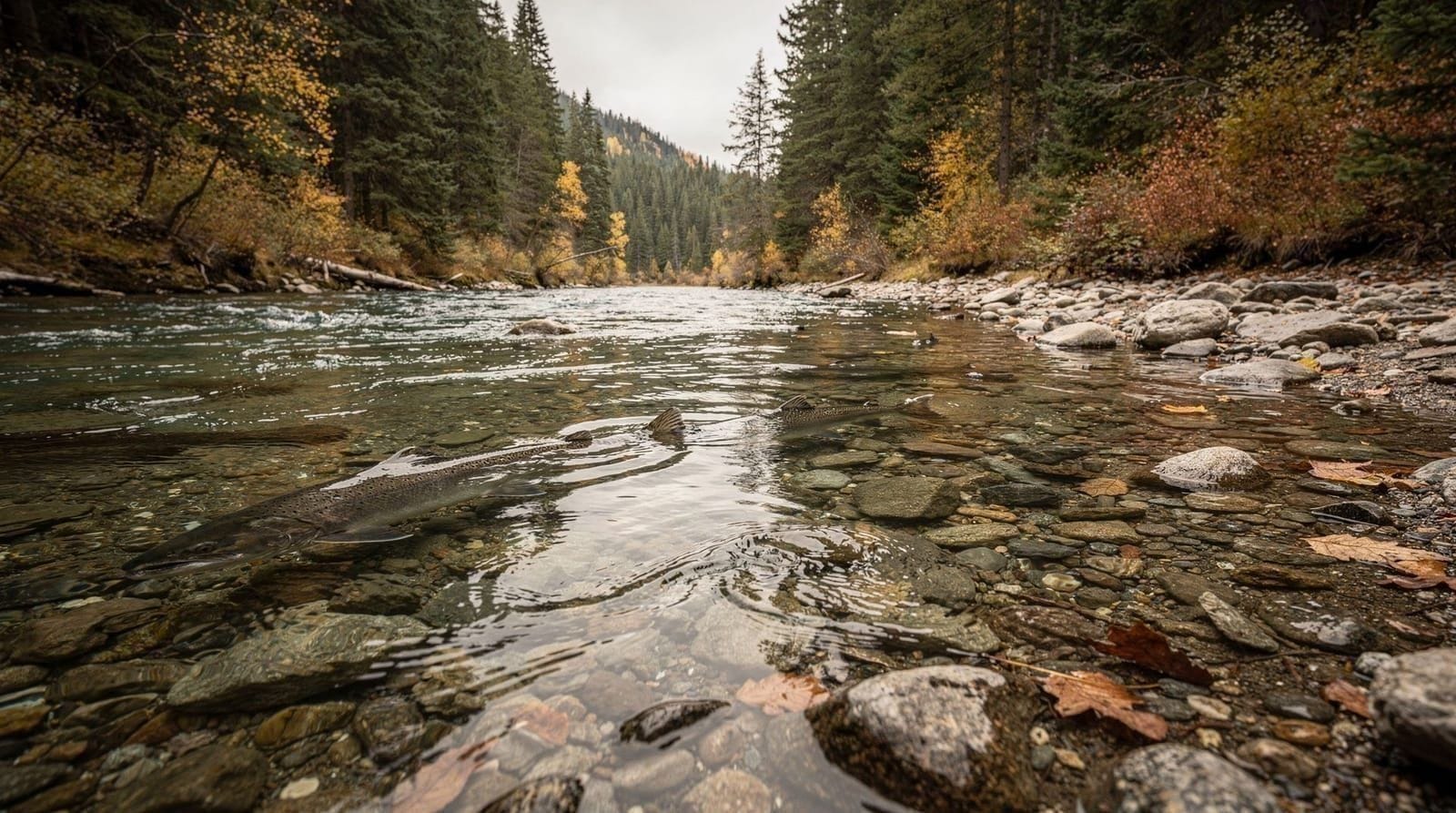
During the salmon spawning run, several BC river systems become clear and shallow enough for drift-snorkeling — floating downstream in a wetsuit and mask, carried gently by the current, watching salmon holding position or moving upstream around you. It’s a genuinely different way to encounter salmon than watching from a riverbank, putting a snorkeler at eye level with fish that, at that stage of their life cycle, are focused entirely on reaching their spawning grounds rather than on the person floating past. Specialist outfitters run these trips on select rivers, mostly on Vancouver Island and the Sunshine Coast, where water clarity and river conditions cooperate during the run.
This isn’t a casual, show-up-and-rent activity. Cold water, current, and the need for a guide who knows a specific river’s conditions mean it’s run almost exclusively through dedicated local operators, usually as a guided half-day trip with wetsuits, masks, and often a drysuit or thick wetsuit provided given how cold BC river water runs even in late summer. It’s worth researching a specific river and outfitter directly if this is a must-do part of a trip, since availability and conditions vary meaningfully year to year and river to river.
When it happens
Salmon spawning runs in BC generally fall between August and October, though the exact timing shifts by species and by river — pink and sockeye salmon tend to run earlier in that window, while chum and coho often run later, into October. A specific river’s run can also shift by a couple of weeks year to year depending on water temperature and flow, which is part of why dedicated outfitters, who track conditions on their specific river closely, are the reliable source for exact timing rather than a fixed calendar date. Travelers planning a trip specifically around this activity should treat the season as a window to build flexibility around rather than a fixed date to lock in months ahead.
For a broader look at watching salmon runs in BC without getting in the water — including well-known viewing spots that don’t require a wetsuit or a specialist snorkel outfitter — the salmon run guide to BC covers the shore-based side of the same seasonal event, a genuinely useful alternative for travelers who want to see the run without the cold-water commitment.
Where it genuinely happens
River salmon-snorkeling is most associated with clear-water river systems on Vancouver Island and along the Sunshine Coast, where several rivers offer the water clarity and manageable current that make drift-snorkeling both possible and safe.
It’s a regional specialty rather than something available at a single well-known location, and it’s worth being direct here rather than naming a specific unverified river or operator: conditions, access, and which operators are currently running trips shift enough from year to year that checking directly with an outfitter close to travel dates is more reliable than relying on a name printed in a guide months or years earlier. Searching for “salmon snorkeling” alongside the specific region — Vancouver Island or Sunshine Coast — and the current year is the most reliable way to find an active, currently operating trip.
Being honest about the gap: no river salmon-snorkel product in this catalog
This is the point worth stating plainly rather than burying: the GetYourGuide catalog covering the Vancouver area does not currently include a dedicated river salmon-snorkel product. That’s a genuine gap, not an oversight in this guide — it reflects that this specific niche activity is run almost entirely through small, specialist local operators outside the major booking platforms, at least for now. If a river salmon-snorkel trip is the specific goal, direct research into Vancouver Island or Sunshine Coast operators during the August-October window is the way to book it, not a search through this site’s tour listings.
The closest bookable alternative near Vancouver: seal-snorkel-and-kayak tours
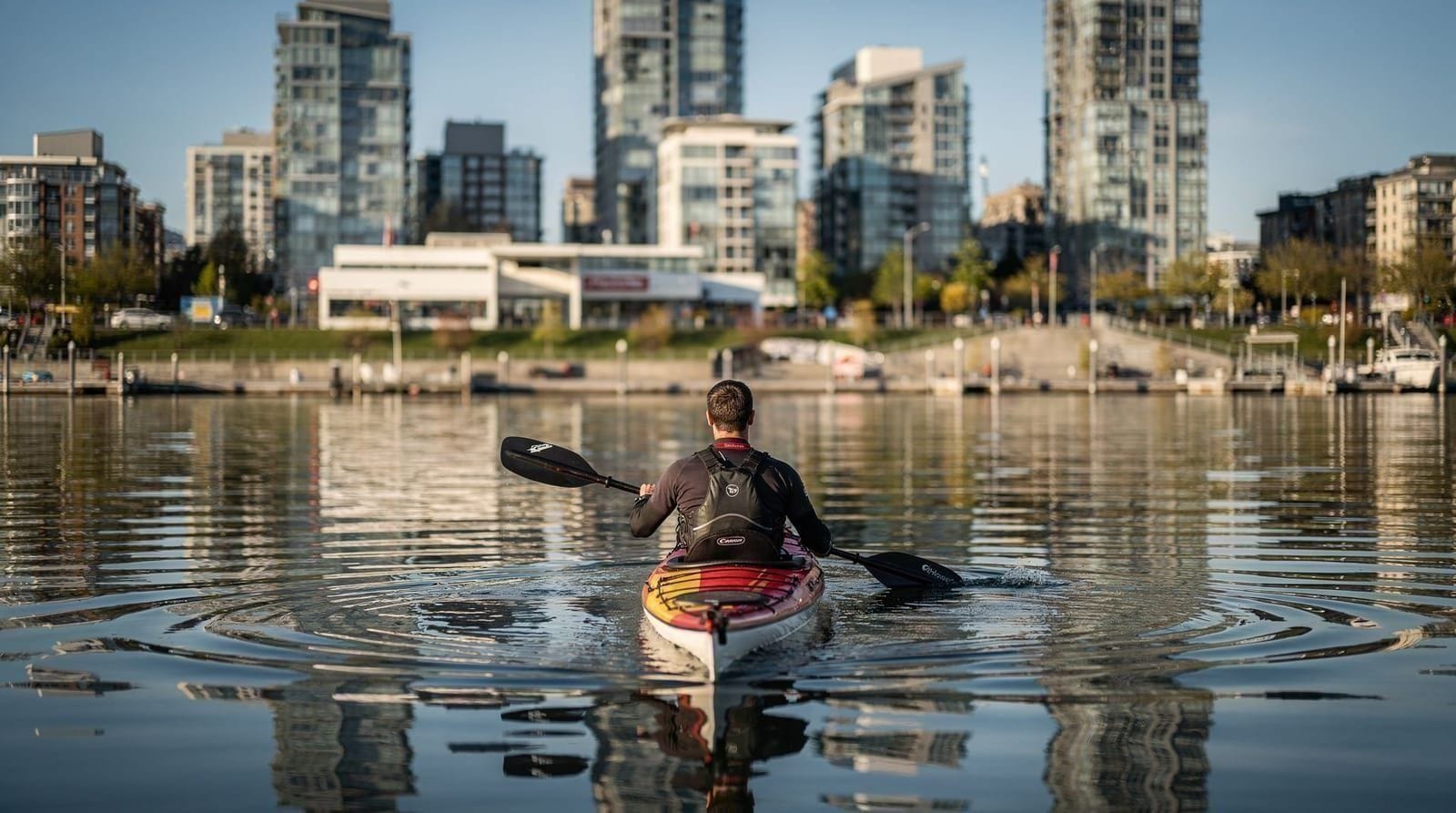
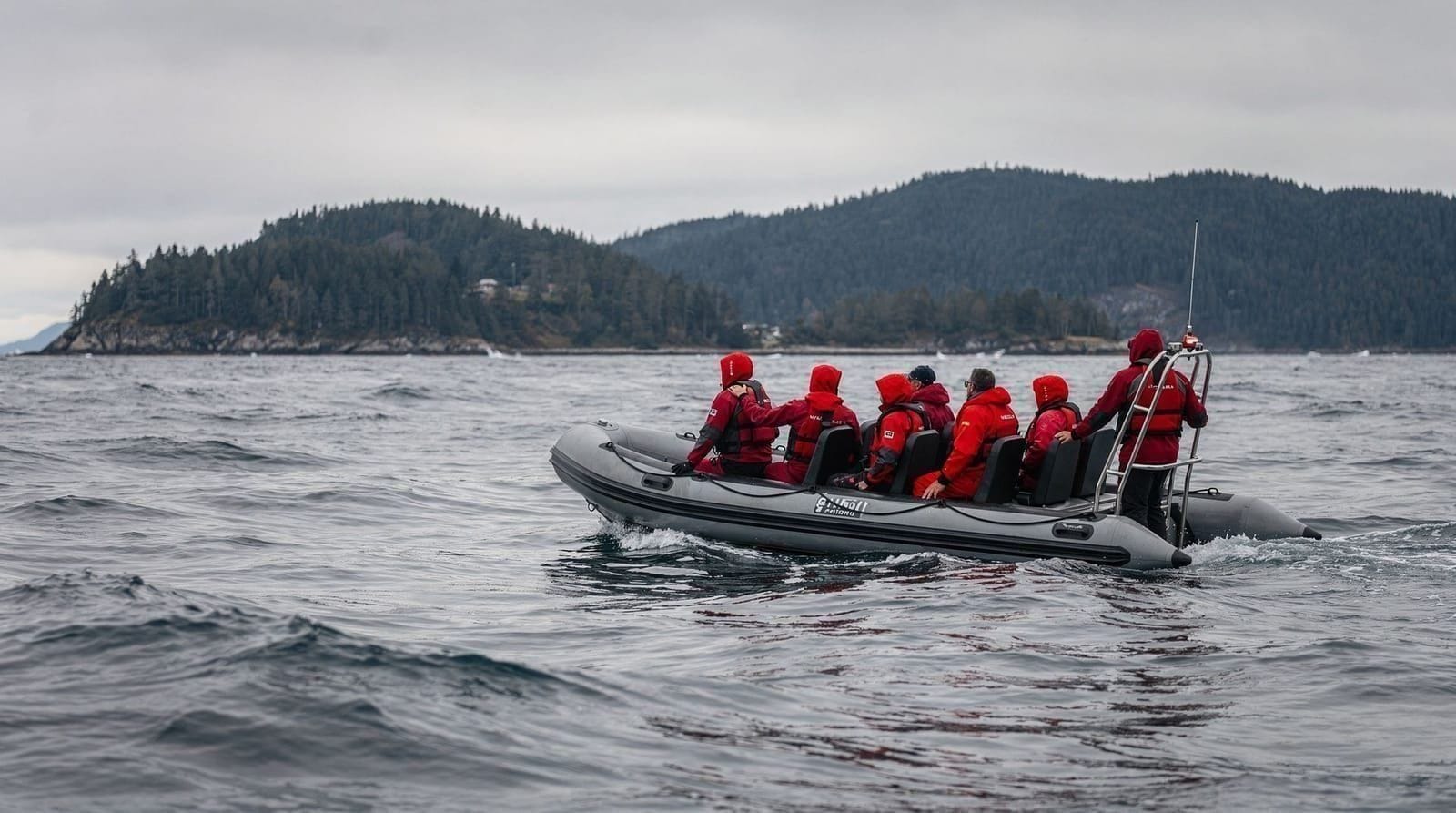
What is genuinely bookable near Vancouver, and worth considering as an honest alternative rather than a direct substitute, are combined seal-snorkeling-and-kayaking boat tours in Vancouver’s coastal waters. The Vancouver snorkeling seals kayaking scenic boat tour and the Vancouver snorkel, kayak, and seal adventure boat tour both combine a guided saltwater snorkel with harbour seals, kayaking time, and a scenic boat component, run from Vancouver’s coastal waters rather than a river.
It’s worth being direct about how different this is from the river trip described above. This is saltwater, not river water; the wildlife is harbour seals, curious and often approachable marine mammals, not salmon moving through a spawning migration; and the setting is coastal Vancouver rather than a Vancouver Island or Sunshine Coast river. It is not a substitute for the salmon-snorkel experience, and framing it as one would be misleading. What it genuinely is: a real, guided opportunity to get in the water with marine wildlife near Vancouver, worthwhile in its own right for travelers who want an in-water wildlife encounter without traveling further afield or timing a trip around a specific spawning run.
What to expect on a seal-snorkel-kayak tour
These trips typically combine a boat transfer to a seal haul-out or feeding area with time in the water snorkeling alongside seals, plus a kayaking segment, usually across a few hours total. Wetsuits are standard equipment given how cold Vancouver’s coastal water runs year-round — this isn’t optional gear, and a properly fitted wetsuit makes the difference between a genuinely enjoyable hour in the water and a miserable, shivering one. Seals are curious animals and often approach snorkelers on their own, though sightings and close encounters aren’t guaranteed on any given trip, the same honest caveat that applies to any wildlife tour.
Basic swimming comfort is worth having going in, even though a wetsuit provides significant buoyancy — this isn’t a good first-ever water activity for someone who’s genuinely uneasy in open water, given the current, boat traffic, and cold-water conditions involved.
Deciding which trip is right for the itinerary
If a genuine salmon-snorkel encounter is the goal and the trip includes time on Vancouver Island or the Sunshine Coast during August through October, that’s worth researching and booking directly with a specialist river outfitter rather than treating a Vancouver-based seal tour as equivalent — they’re different experiences answering different goals. If the itinerary is Vancouver-based without a Vancouver Island leg, or if the salmon run timing doesn’t line up with travel dates, the seal-snorkel-kayak tours are a genuine, worthwhile in-water wildlife activity in their own right, not a consolation booking.
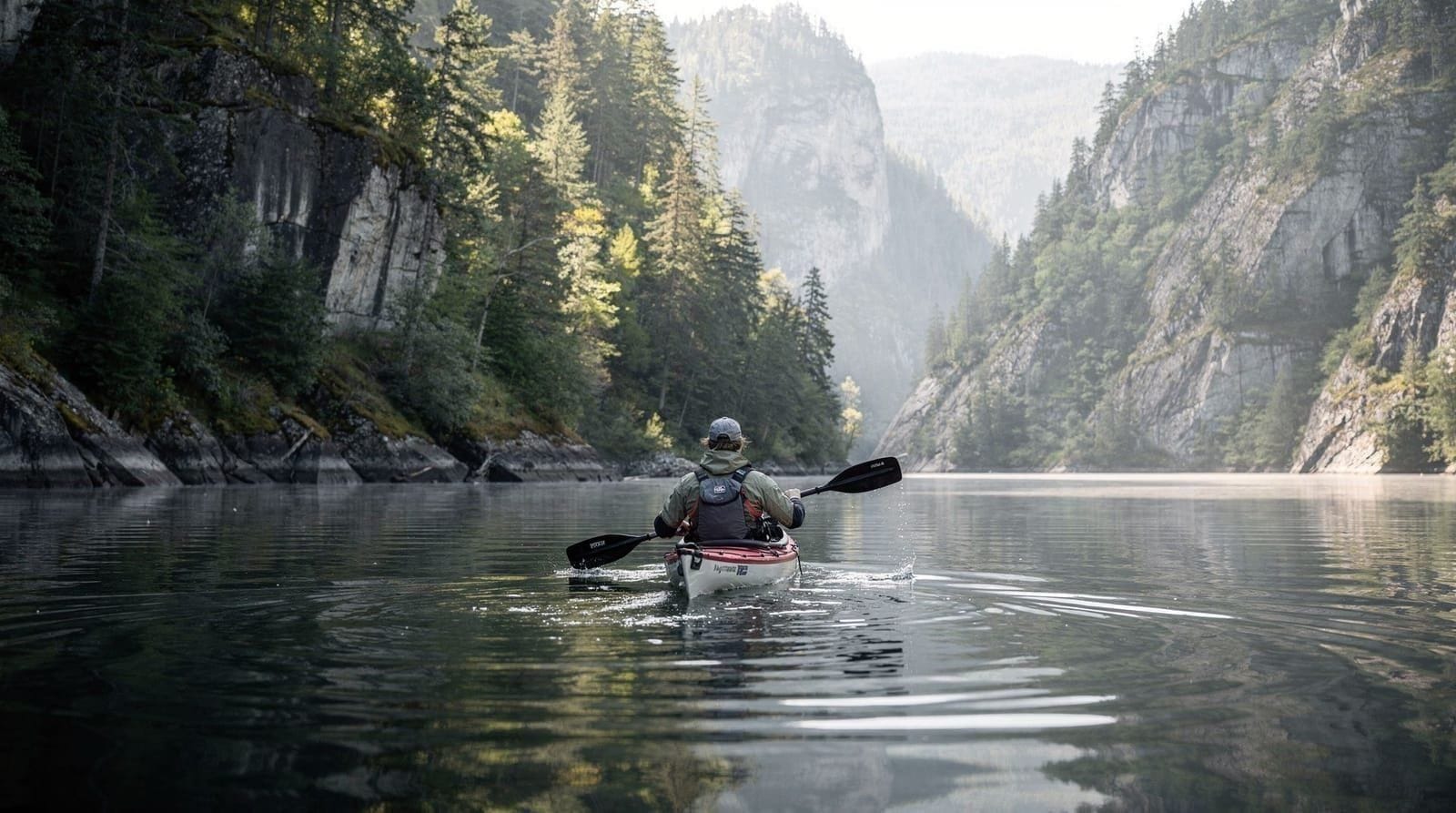
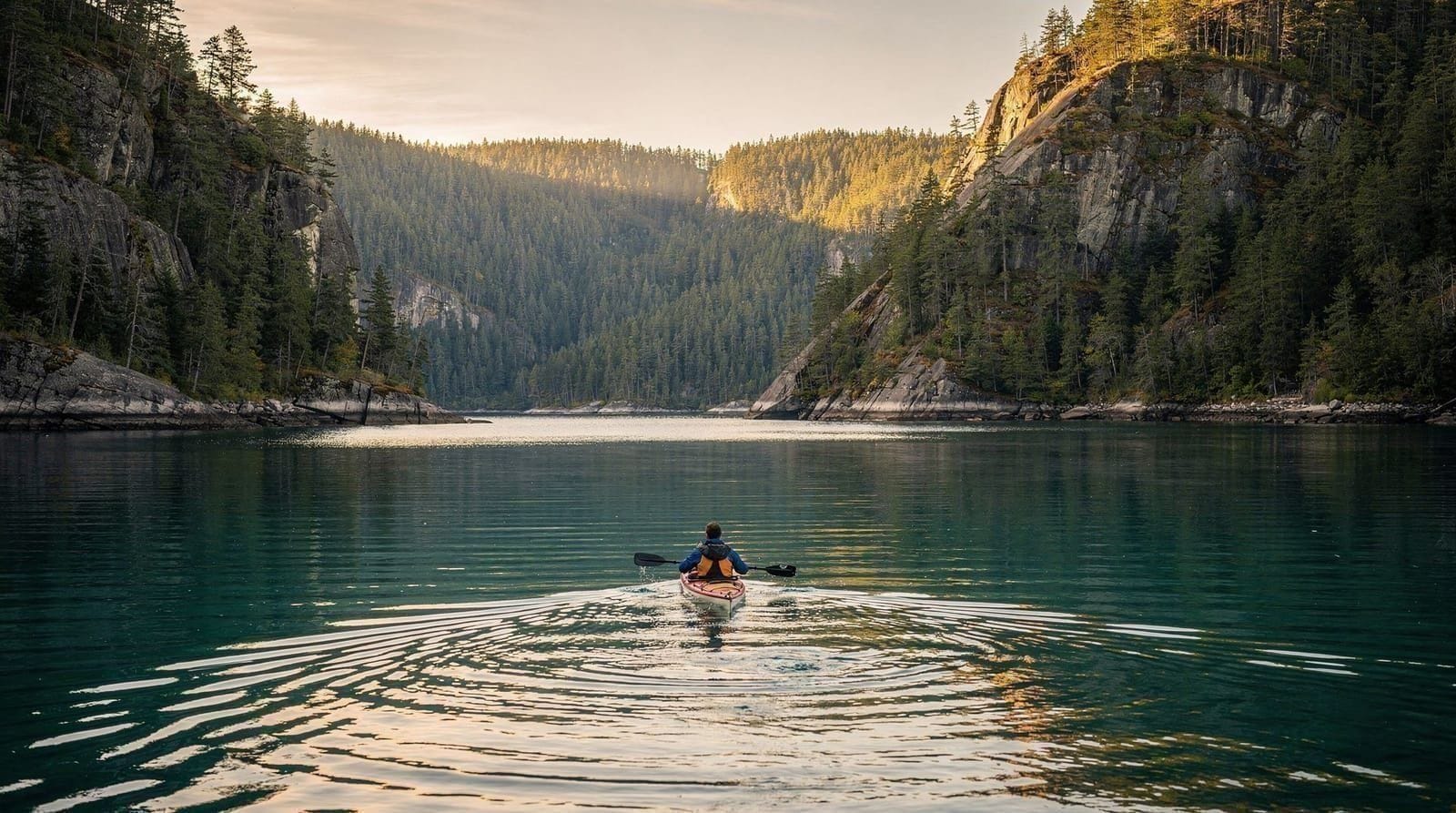
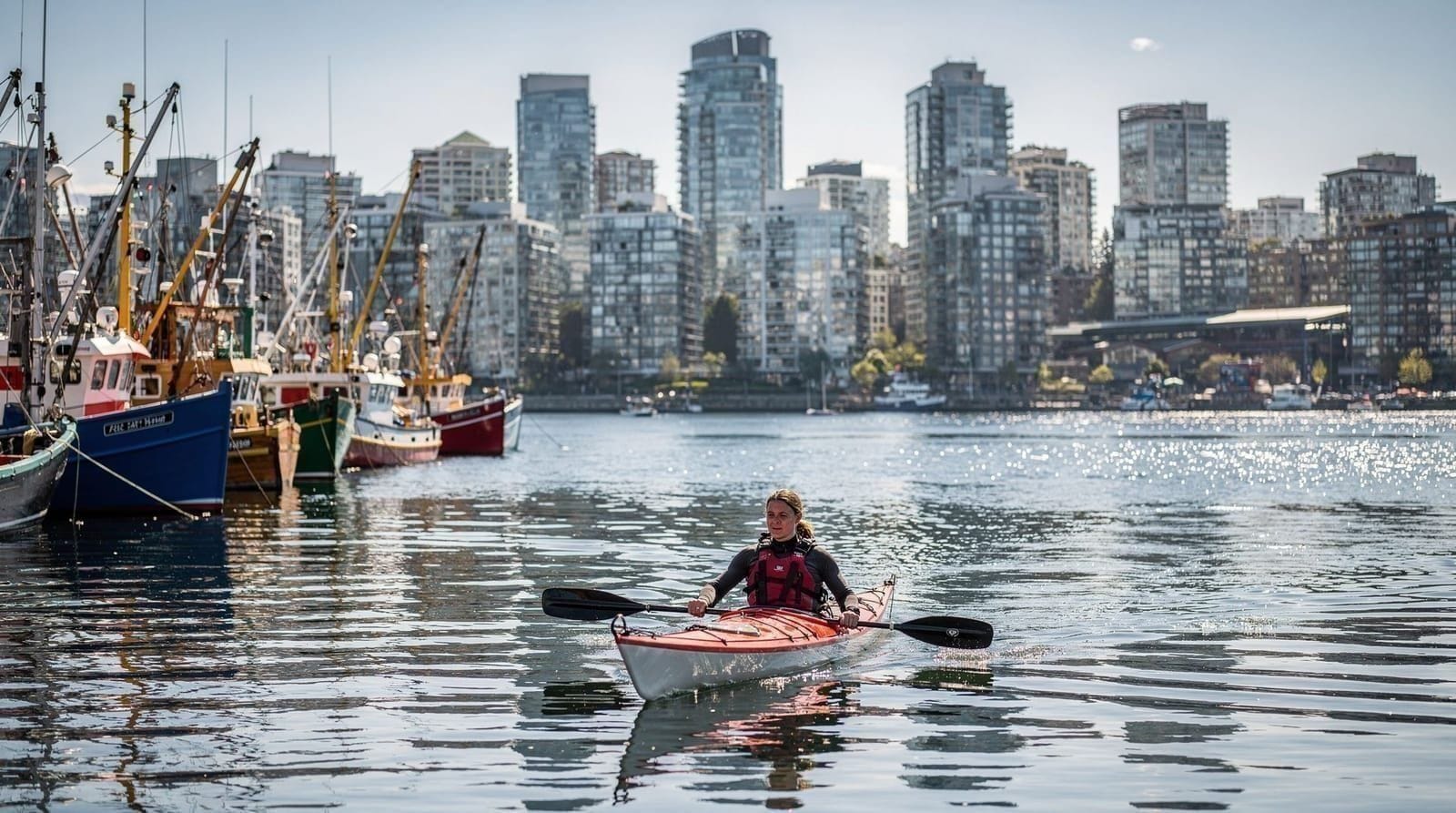
For travelers who’d rather watch salmon from land, the salmon run guide to BC covers viewing spots and timing without the cold-water commitment. For a broader look at paddling options near Vancouver, the kayaking guide to Vancouver covers routes beyond the seal-snorkel combination trips, and kayaking from Deep Cove, Indian Arm, and Granville Island each cover a different stretch of the same coastline for travelers building out a longer water-focused itinerary.
Wildlife-focused travelers weighing this against other options might also read the whale watching guide to Vancouver for a non-snorkel, boat-based wildlife alternative on the same general waters.
Why the salmon run matters ecologically, not just visually
Salmon spawning runs aren’t simply a wildlife spectacle — they’re a genuinely important ecological event for the entire coastal ecosystem. Pacific salmon return from the ocean to the river where they hatched, spawn once, and die shortly afterward, and their bodies and the nutrients they carry feed a wide range of species, from bears and eagles to the forest itself, where nitrogen from decomposing salmon has been traced into tree growth along spawning rivers. Watching or snorkeling a run isn’t just about the fish in the moment — it’s a visible piece of a much larger cycle that shapes BC’s coastal forests and wildlife populations well beyond the river itself.
That context is part of why responsible operators, whether running snorkel trips or shore-based viewing, tend to emphasize a respectful distance and minimal disturbance during the run. Salmon at this stage of their life are expending enormous energy reaching their spawning grounds, and unnecessary stress from careless snorkelers or waders can be genuinely harmful to a population already at a vulnerable point in its life cycle. A responsible outfitter will brief snorkelers on this before entering the water — worth treating as a serious instruction rather than a formality.
Gear and preparation for a river salmon-snorkel trip
Because BC river water runs cold even during the warmest part of the salmon season, proper cold-water gear is not optional for a river snorkel trip. Most specialist outfitters provide a thick wetsuit or drysuit, a hood, gloves, and booties as standard equipment, since even a strong swimmer can lose significant body heat within twenty or thirty minutes in an unprotected wetsuit on cold river water. Confirming exactly what gear is included when booking with a specific outfitter — rather than assuming a mask and snorkel alone will be enough — is a reasonable and necessary question to ask ahead of time.
Basic swimming ability and comfort with moving water are genuinely important prerequisites. Drift-snorkeling means being carried by a current, which is a different skill from snorkeling in calm, still water, and a guide’s instructions on body positioning and how to control drift speed are worth following closely rather than treating as optional advice.
Wetsuits, hoods, and gloves are non-negotiable given how cold BC river water runs even in late summer — the same cold-water reality that shapes every other water activity covered across this site’s water activities guides, from kayaking to paddleboarding. This isn’t an activity to attempt independently without a guide who knows the specific river’s currents, entry and exit points, and any hazards like submerged logs or shifting gravel bars.
For travelers who’d rather stay in Vancouver’s coastal waters generally, the wildlife tours from Vancouver roundup covers other guided wildlife options beyond both the river snorkel concept and the seal-snorkel tours discussed later in this guide, useful context if snorkeling turns out not to be the right fit for everyone in a travel group.
Choosing between a river trip and a Vancouver-based option
The honest way to think about this decision is by what’s actually achievable within a given trip’s timing and itinerary rather than by which sounds more appealing on paper. A traveler with a Vancouver Island leg already planned for August through October has a real opportunity to look into a dedicated river operator directly and should treat that as the stronger, more distinctive experience if it fits the schedule. A traveler whose trip is entirely Vancouver-based, or whose dates fall outside the spawning window, gets more genuine value from the seal-snorkel-kayak tours covered above — a real, worthwhile activity on its own terms rather than a lesser stand-in.
It’s also worth weighing cost and time commitment honestly. A dedicated river salmon-snorkel trip, given its specialist nature, small-group format, and specific seasonal window, tends to require more advance planning and often a higher price point than the more established Vancouver-based seal tours, which run on a more predictable, bookable schedule throughout the warmer months. Neither factor makes one option objectively better — they’re simply different trips serving different priorities, and being clear about which priority matters more for a specific trip is the most useful thing this guide can offer.
What a seal-snorkel-kayak tour looks like in practice
For travelers who do book one of the Vancouver-based options, it helps to know the general shape of the day. A typical trip starts with a boat transfer from a downtown or Granville Island departure point out to an area known for harbour seal activity — a rocky haul-out or a stretch of coastline where seals are reliably present. Guides brief the group on water entry, how to behave around the seals (generally: stay relatively still, let curious seals approach rather than chasing them, and avoid loud splashing that startles them), and safety basics before anyone enters the water.
The snorkeling portion itself usually runs somewhere between twenty minutes and an hour depending on conditions and how active the seals are that day, followed by a kayaking segment that covers additional coastline at a different pace. Combining the two gives a fuller day on the water than either activity alone, and it suits travelers who want variety within a single booking rather than committing a whole day to just one water activity.
Realistic expectations on wildlife encounters
As with any wildlife-focused activity, it’s worth being honest that seal encounters aren’t scripted or guaranteed on every trip, even though harbour seals are a genuinely common and often curious presence in these waters. Most trips do see seals, and a curious individual approaching a snorkeler at reasonably close range is a fairly regular occurrence rather than a rare stroke of luck, but treating any wildlife sighting as a near-certainty rather than a strong likelihood sets more accurate expectations. Guides generally know current seal activity in the immediate area and adjust the route accordingly, which meaningfully improves the odds compared to trying to find seals independently.
Fitting this into a broader BC wildlife itinerary
Travelers building a wildlife-focused BC itinerary around salmon, whether via a river snorkel trip, shore-based viewing, or the Vancouver seal-snorkel alternative, often pair it with other seasonal wildlife activities given that salmon runs overlap with strong wildlife viewing generally in late summer and fall.
Bears gathering at rivers to feed on spawning salmon is one of the most direct ecological connections, and travelers interested in that angle specifically may want to look at bear-viewing options elsewhere in the region as a complementary trip, since the same salmon run driving snorkel conditions is often what draws bears to a river in the first place. Building a rough two- or three-activity wildlife theme into a BC trip — a salmon encounter, a marine wildlife tour, and a land-based sighting — tends to make for a more memorable trip than treating each as an isolated booking.
Questions worth asking before booking either option
Whichever option ends up on the itinerary, a few direct questions to the operator ahead of time head off most disappointment. For a river outfitter: what gear is actually included, what the minimum swimming ability or prior experience expectation is, and what the operator’s policy is if the run hasn’t started or has already passed by the booked date, since timing genuinely does shift year to year.
For the Vancouver-based seal-snorkel-kayak tours: whether a wetsuit is included or needs to be requested, what happens if seals aren’t spotted that day, and how much of the trip is snorkeling versus kayaking, since the split varies somewhat between the two listed tours and matters if one activity is a stronger draw than the other for a particular traveler.
The bottom line
“Snorkeling with salmon” describes something real and worth pursuing directly if the timing and location line up with a trip that includes Vancouver Island or the Sunshine Coast during the run. It is not, however, something bookable as part of this site’s Vancouver-area tour catalog today, and pretending otherwise wouldn’t serve anyone well. The seal-snorkel-kayak tours are a genuinely different, genuinely worthwhile alternative for an in-water wildlife encounter near Vancouver itself — not a copy of the river experience, but a legitimate trip in its own right for travelers who want to get in the water with marine wildlife without a Vancouver Island detour.
Frequently asked questions about Snorkeling with salmon in BC
Is there a bookable river salmon-snorkel tour near Vancouver?
Not currently in this site’s catalog. Dedicated river salmon-snorkel trips run through small specialist outfitters on Vancouver Island and the Sunshine Coast, and are worth researching directly if that specific experience is the goal.
Is the seal-snorkel-kayak tour a good substitute for salmon snorkeling?
No, and it shouldn’t be framed as one — it’s a genuinely different saltwater wildlife encounter with harbour seals rather than a river salmon migration. It’s worth booking on its own merits, not as a stand-in.
Top experiences
Bookable activities with verified prices and instant confirmation on GetYourGuide.