Vancouver hop-on hop-off bus review: worth it or skip it?
Vancouver: Hop-on Hop-off Tour by Double-Decker Bus
The no-planning option for a first look at the city
Vancouver’s hop-on hop-off bus tours run open-top double-decker or trolley-style buses on a fixed loop covering the main downtown sights, with unlimited boarding and re-boarding for the length of your pass — typically 24 or 48 hours. The pitch is straightforward: buy one ticket, ride a narrated loop past Stanley Park, Canada Place, Gastown, Chinatown, Yaletown and a Granville Island connection, and hop off wherever something catches your interest.
It’s a genuinely useful option for a specific kind of traveller — short on time, unfamiliar with the city, not particularly interested in figuring out transit routes — and a genuinely unnecessary expense for another kind: anyone staying more than a few days, comfortable using a transit app, or happy to walk. Worth being honest about which one you are before booking.
| Where | Loop covers downtown, Stanley Park, Canada Place, Gastown, Yaletown |
| Cost | 24-hour pass around CAD 55–65; 48-hour around CAD 70–85 |
| Time needed | Full loop 60–90 min; a real sightseeing day, 3–5 stops |
| Getting there | Board at any marked stop along the route |
| Best time | Start early to maximize stops before evening frequency drops |
What the route actually covers
Route details vary slightly by operator, but most Vancouver hop-on hop-off loops hit the same core set of stops:
- Stanley Park, usually with either a dedicated loop through the park itself or a stop at the park entrance near Denman Street.
- Canada Place and the waterfront, near Waterfront Station and FlyOver Canada.
- Gastown, for the cobblestone streets, the steam clock, and the neighbourhood’s historic architecture.
- Chinatown, one of North America’s older and larger historic Chinatowns.
- Yaletown, the converted-warehouse district known for its restaurant and boutique scene.
- Granville Island, often via a connecting shuttle or a discounted mini-ferry add-on rather than the main bus route itself, since the island’s road access is limited for large buses.
A full loop typically takes 60 to 90 minutes without any stops, so a genuine “hop off everywhere interesting” day realistically covers 3 to 5 stops if you want meaningful time at each rather than a rushed glance. A 24- or 48-hour hop-on hop-off double-decker bus pass covers this full route.
Prices and how to book
A 24-hour pass generally runs CAD 55 to 65 for an adult, with a 48-hour option around CAD 70 to 85 — the two-day upgrade is usually a modest premium over the one-day price, worth it if you’re at all likely to use the bus across two separate days rather than in one continuous outing. Family and group rates are common, and some operators bundle in extras like a Granville Island ferry ticket or a discount voucher booklet for nearby attractions. A Gray Line trolley hop-on hop-off pass is a common alternative operator worth comparing on route and stop coverage.
Booking online in advance isn’t strictly necessary the way it is for timed-entry attractions — buses run on a fixed schedule regardless — but it can be marginally cheaper than paying the driver directly, and lets you start the clock on your pass whenever you actually board rather than pre-committing to a date.
Is it worth it compared to public transit
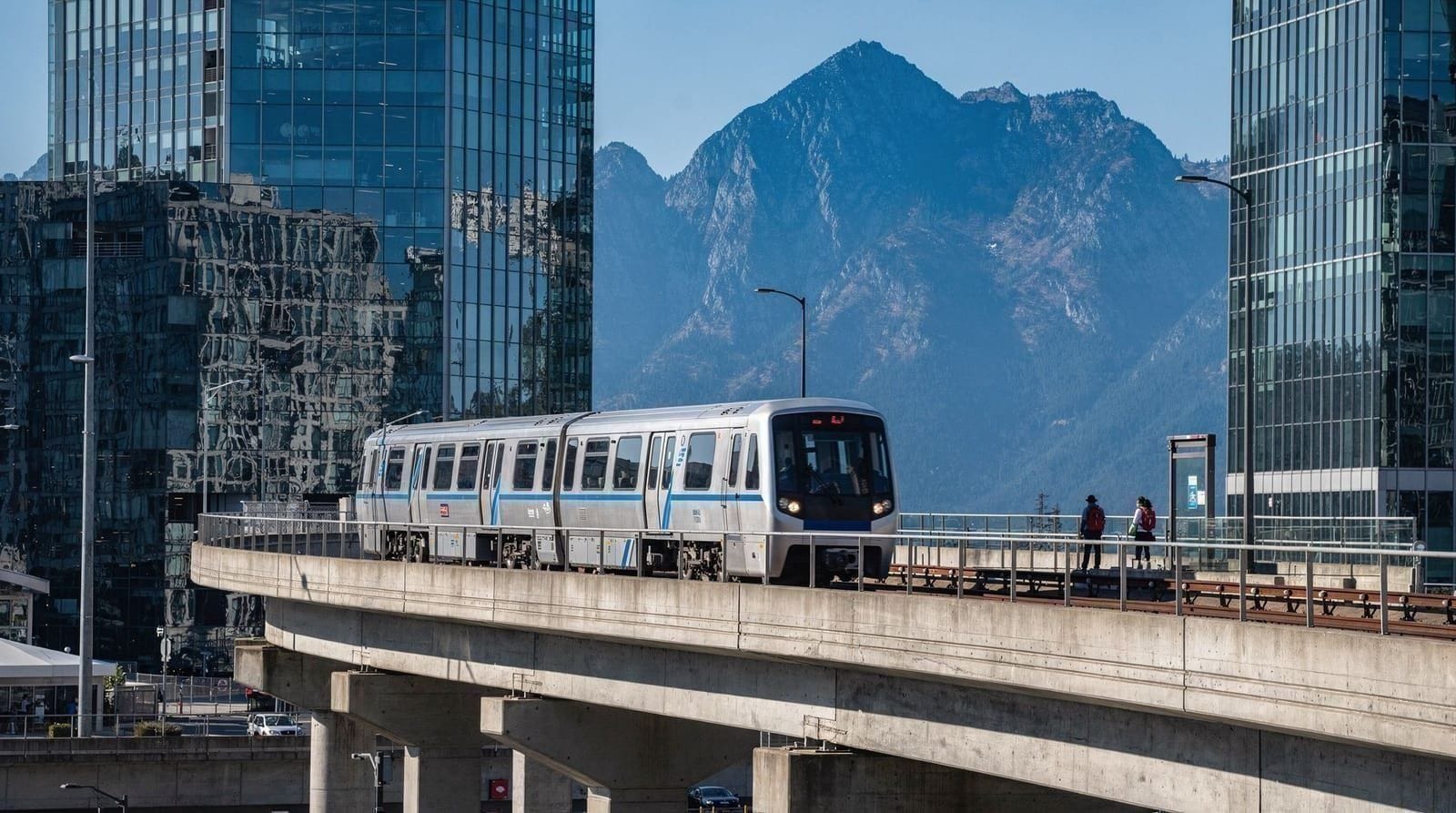
This is the real question, and the honest answer depends heavily on trip length and comfort with transit. TransLink’s SkyTrain, SeaBus and bus network covers Vancouver thoroughly and cheaply — a day pass runs a fraction of the hop-on hop-off price — but requires you to plan your own route between stops, without narrated commentary or a fixed sightseeing loop.
For a single, tightly time-boxed day where you want to see the highlights without any route planning, the hop-on hop-off bus earns its premium: you get commentary, a pre-planned route hitting the main sights, and the flexibility to skip stops that don’t interest you.
For a trip of 3 days or more, or for travellers who don’t mind spending 20 minutes with a transit app figuring out a SkyTrain-plus-bus route, public transit covers the same ground for meaningfully less money — and Vancouver’s core downtown sights (Gastown, Yaletown, the seawall) are genuinely walkable on foot without any bus at all. A shorter city and Granville Island sightseeing trolley tour is a middle-ground option if a full 24-hour pass feels like more than you need.
A more active alternative: e-bike tours
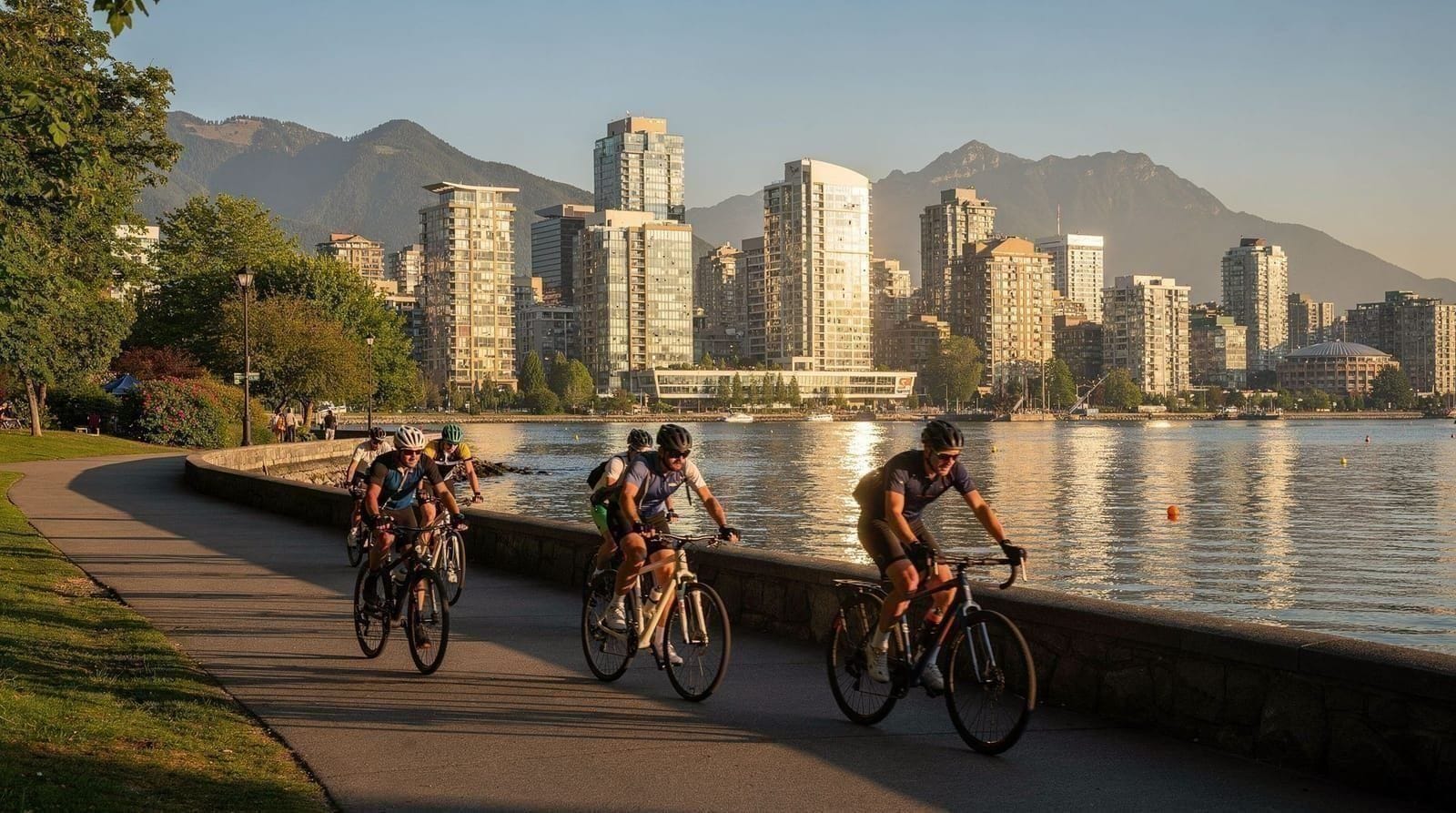
If narrated commentary matters less to you than getting some exercise and a closer-to-the-ground view of the city, a half-day city highlights e-bike tour covers similar downtown highlights at a different pace — better for photography stops and a more immersive feel of neighbourhoods like Yaletown and the seawall, at the cost of losing the “hop off wherever” flexibility of a bus pass.
Seasonal timing for the open-top ride
Vancouver’s hop-on hop-off buses run year-round, but the open-top upper deck’s appeal shifts a lot by season. Summer (June through September) is the obvious peak — long daylight hours, the driest stretch of the year, and the widest window to actually enjoy the open-air seating without a rain jacket. Shoulder seasons (April/May, September/October) still work well and see thinner crowds at popular stops like Stanley Park, though a light rain jacket is worth packing regardless. Winter operation is more limited by some operators, and the open-top deck loses most of its appeal in Vancouver’s rainier months — worth checking that a specific operator still runs a full schedule if you’re visiting between November and February.
Who this is actually good for
- Cruise ship passengers with a single day in port, who want maximum sightseeing coverage without any transit planning.
- Families with young kids who benefit from a fixed, low-effort itinerary rather than navigating stroller-and-transit logistics.
- First-time visitors on a 1-to-2-day stopover en route to a longer trip elsewhere in BC.
- Travellers who specifically want narrated historical and neighbourhood context rather than just transportation.
Who it’s less good for: budget travellers on longer stays, anyone comfortable with transit apps, and visitors who’d rather walk Stanley Park’s seawall at their own pace than see it from a bus window on a fixed schedule. Solo travellers on a longer trip also tend to get less value per dollar than families or groups splitting a fare across several people, since the fixed pass price doesn’t scale down for one person the way a per-ride transit fare does.
Weather, wind and the open-top question
The double-decker buses on most Vancouver routes have an open-air upper deck, which is the main visual appeal of the whole format — unobstructed photos of Stanley Park’s trees or the Gastown streetscape without a bus window in the way.
Vancouver’s weather makes this a real practical consideration rather than a minor detail: the city sees rain on a meaningful share of days across most of the year, and even on clear days, wind off the water can make the upper deck genuinely cold, especially crossing the Lions Gate Bridge approach or along the waterfront stretches. Most operators keep a covered lower deck available as a fallback, so a rainy day doesn’t cancel the tour, just changes where you sit — worth knowing if you’re booking around an uncertain forecast rather than a guaranteed clear day.
How it compares to a private guided car tour
For travellers who’ve ruled out both public transit and the hop-on hop-off format, a private car or small-van tour is the remaining option, and it solves a different problem than either of the other two. A private tour skips the fixed-stop, fixed-route structure entirely — the driver can adjust the itinerary based on your specific interests, spend extra time somewhere the standard route treats as a five-minute photo stop, and skip stops that don’t interest your group. It costs meaningfully more per person than a hop-on hop-off pass, particularly for solo travellers or couples, but for families or small groups splitting the cost, it can end up competitive while offering far more flexibility than either transit or the bus loop.
What the commentary actually covers
The narrated commentary — either live from a guide on board or, more commonly on Vancouver routes, a recorded multilingual audio track through headphones — typically covers a mix of historical background (Gastown’s founding by “Gassy” Jack Deighton, the 1886 Great Fire that levelled the original city, the development of Yaletown from industrial warehouses into a residential district) and practical orientation (why Stanley Park is a peninsula rather than true parkland, how the SeaBus and SkyTrain systems connect to the neighbourhoods you’re passing).
It’s a reasonable way to pick up context you’d otherwise need to research yourself, though the depth is inherently limited compared to a dedicated walking tour guide who can pause and answer questions in real time.
Hop-on hop-off vs. transit vs. walking: the honest comparison
| Option | Cost | Effort | Best for |
|---|---|---|---|
| Hop-on hop-off bus | ~CAD 55–85 | None — fixed route, narrated | First-timers, 1–2 day stopovers, families |
| Public transit (TransLink) | A few dollars a day | Some route planning | Trips of 3+ days, budget travellers |
| Walking | Free | Physical effort, no commentary | Core downtown sights (Gastown, Yaletown, the seawall) |
None of the three is objectively “best” — they solve different problems. Our getting around Vancouver guide breaks the transit option down in more practical detail if you’re leaning that way.
Comparing pass types across operators
Vancouver has more than one hop-on hop-off operator running broadly similar routes, and pricing, stop counts, and included extras (a Granville Island ferry ticket, a discount booklet for nearby attractions) vary enough between them to be worth a quick comparison before booking rather than defaulting to the first result you see. The core value proposition — unlimited re-boarding on a fixed loop with narrated commentary — stays consistent across operators, so the deciding factors usually come down to specific stop coverage (does the route actually stop where you want to go), frequency (how long you’ll wait between buses), and whether the pass length matches how many days you’ll realistically use it.
Practical tips
- Check the specific route map before buying, since stop lists and Granville Island access vary meaningfully between operators.
- Start early in the day to maximize how many stops you can realistically fit in before evening frequency drops off.
- Bring a layer even in summer — open-top upper decks catch wind and can run cooler than street level, especially near the water.
- Don’t buy a 48-hour pass if you’re only spending one active day sightseeing — the extra day only pays off if you genuinely plan to use it.
- Combine it with walking, not instead of walking — get off at Stanley Park or Gastown and explore on foot; the bus is a connector between neighbourhoods, not a replacement for exploring them.
For more on getting around without a car, see our getting around Vancouver guide and the TransLink and SkyTrain guide if you’d rather compare against public transit directly. The downtown Vancouver destination page and Stanley Park destination page cover the two biggest stops on most hop-on hop-off routes in more depth, and our 1-day Vancouver itinerary shows how a tight single day can be structured with or without a bus pass.
Compare alternative tours
Frequently asked questions — Vancouver hop-on hop-off bus review
Is the Vancouver hop-on hop-off bus worth it?
For a first visit with limited time and no interest in figuring out transit or walking long distances, yes — it covers most major sights (Stanley Park, Canada Place, Granville Island, Gastown) on a fixed loop with narrated commentary. If you're comfortable using the SkyTrain and walking, or staying more than 3 to 4 days, public transit and walking usually get you the same sights for less money.How much does the Vancouver hop-on hop-off bus cost?
A 24-hour pass typically runs CAD 55 to 65 for an adult, with a 48-hour option in the CAD 70 to 85 range. Multi-day passes offer better value per day if you plan to use the bus network across two or more days rather than just once.What stops does the Vancouver hop-on hop-off bus cover?
Routes typically include downtown core stops, Stanley Park (often with a dedicated loop through the park itself), Canada Place and the waterfront, Gastown, Chinatown, Yaletown, and a connection to Granville Island via a shorter shuttle or boat add-on depending on the operator. Exact stop lists vary by company, so check the specific route map before booking.How often do the buses come?
Most operators run buses every 20 to 30 minutes during peak hours, tapering to less frequent service in the early morning and evening. Check the specific operator's schedule, since frequency varies and directly affects how much of your day gets eaten by waiting at stops.Is the hop-on hop-off bus better than just using transit?
For a single day with no interest in navigating bus and SkyTrain routes, the hop-on hop-off bus saves mental effort and includes narrated commentary you wouldn't get on public transit. For anything longer than a day, or for budget-conscious travellers comfortable with a transit app, TransLink's regular network covers the same core sights for a fraction of the cost, just without the guided narration.Does the hop-on hop-off bus stop at Granville Island directly?
Usually not by large bus, since the island's road access is limited — most operators connect via a shorter shuttle bus or a discounted mini-ferry add-on from a mainland stop near False Creek. Check the specific route map before booking if a direct Granville Island stop matters to your plan.