Chinatown
Vancouver Chinatown explained clearly: the ticketed classical garden versus the free park next door, dim sum realities, and pairing it with Gastown.
Vancouver City Tour + VIP Car + Stanley Park + Chinatown (Small Group)
Quick facts
- Best for
- The classical garden, dim sum, heritage architecture
- Time needed
- 2-3 hours, longer over a dim sum lunch
- Getting there
- A 5-minute walk east from Gastown, or Stadium-Chinatown SkyTrain
- Good to know
- The ticketed garden and the free park next to it are different things
| Where | East of Gastown, around Pender and Main Streets |
| Cost | Garden admission around CAD 14–18 adult; the park next door is free |
| Time needed | 2-3 hours, longer over a dim sum lunch |
| Getting there | 5-minute walk east from Gastown, or Stadium-Chinatown SkyTrain |
| Best time | Weekday late mornings for a dim sum lunch without a wait |
Two gardens, easily confused
Vancouver’s Chinatown sits just east of Gastown, a heritage district built around Pender and Main Streets with one of the most consistently confused attractions in the city: the Dr. Sun Yat-Sen Classical Chinese Garden. The garden itself is a small, ticketed space, the first full-scale classical Chinese garden built outside China, and it’s genuinely worth the admission if you’re interested in the design and craftsmanship.
Right next to it sits Dr. Sun Yat-Sen Park, a free public park that shares design cues and a name with the ticketed garden but is a separate, no-cost space. Visitors regularly assume they’re the same thing, walk into the free park, and leave thinking they’ve seen the garden — they haven’t. If the ticketed garden’s tranquil pond-and-pavilion design is what you came for, make sure you’re buying the ticket rather than wandering into the park next door. Our Chinatown guide has more detail on telling the two apart before you arrive.
Dim sum, honestly
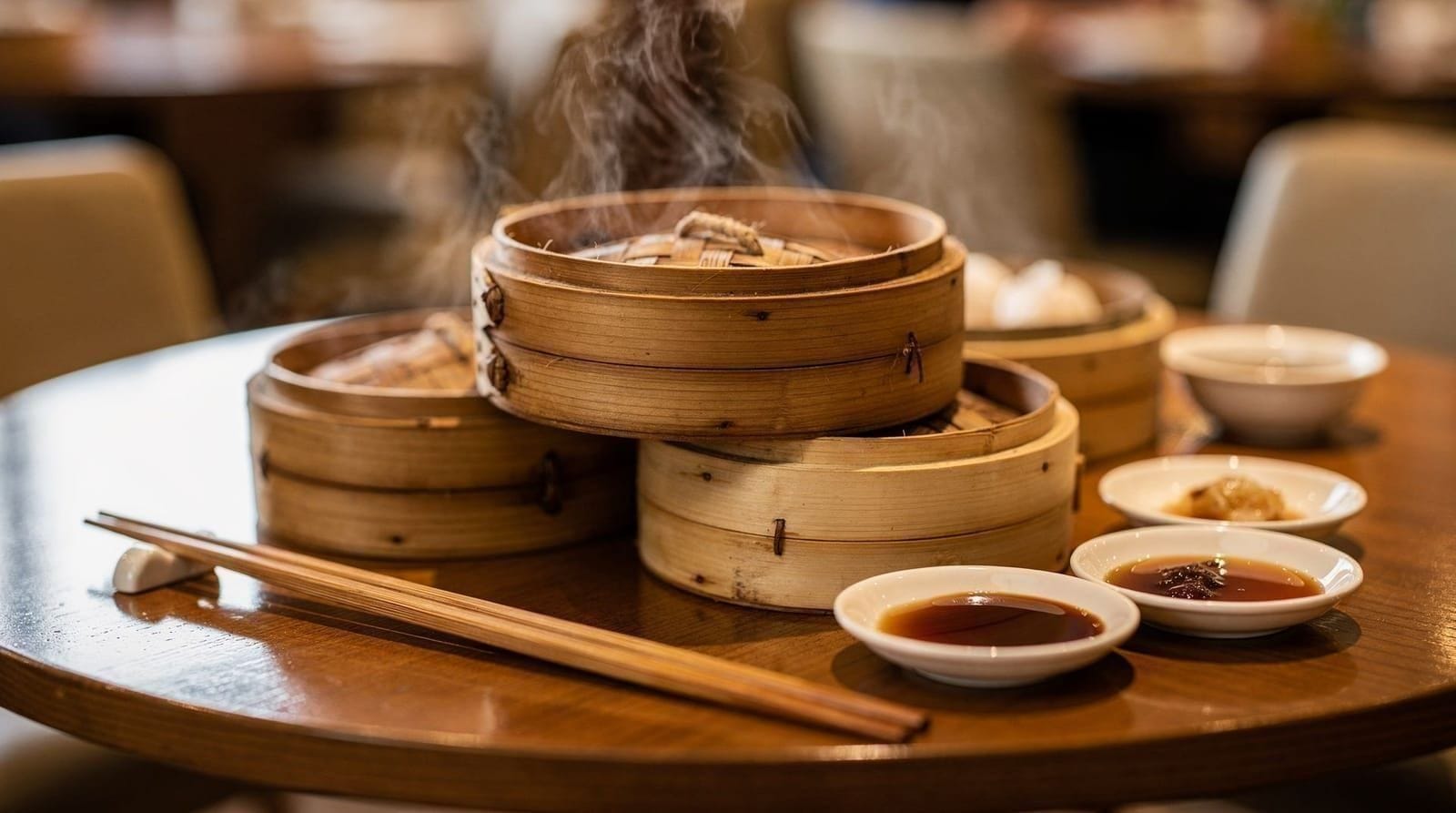
Chinatown has a real, long-standing dim sum scene, but a few practical notes save frustration: the best-regarded spots often don’t take reservations for smaller groups and can have a genuine wait on weekend mornings, and many operate on a cash-preferred basis, so it’s worth carrying some. Weekday late mornings are the reliable window for a shorter wait. For specific restaurant recommendations and how dim sum ordering actually works if you haven’t done it before, see our Chinatown food guide.
Heritage architecture
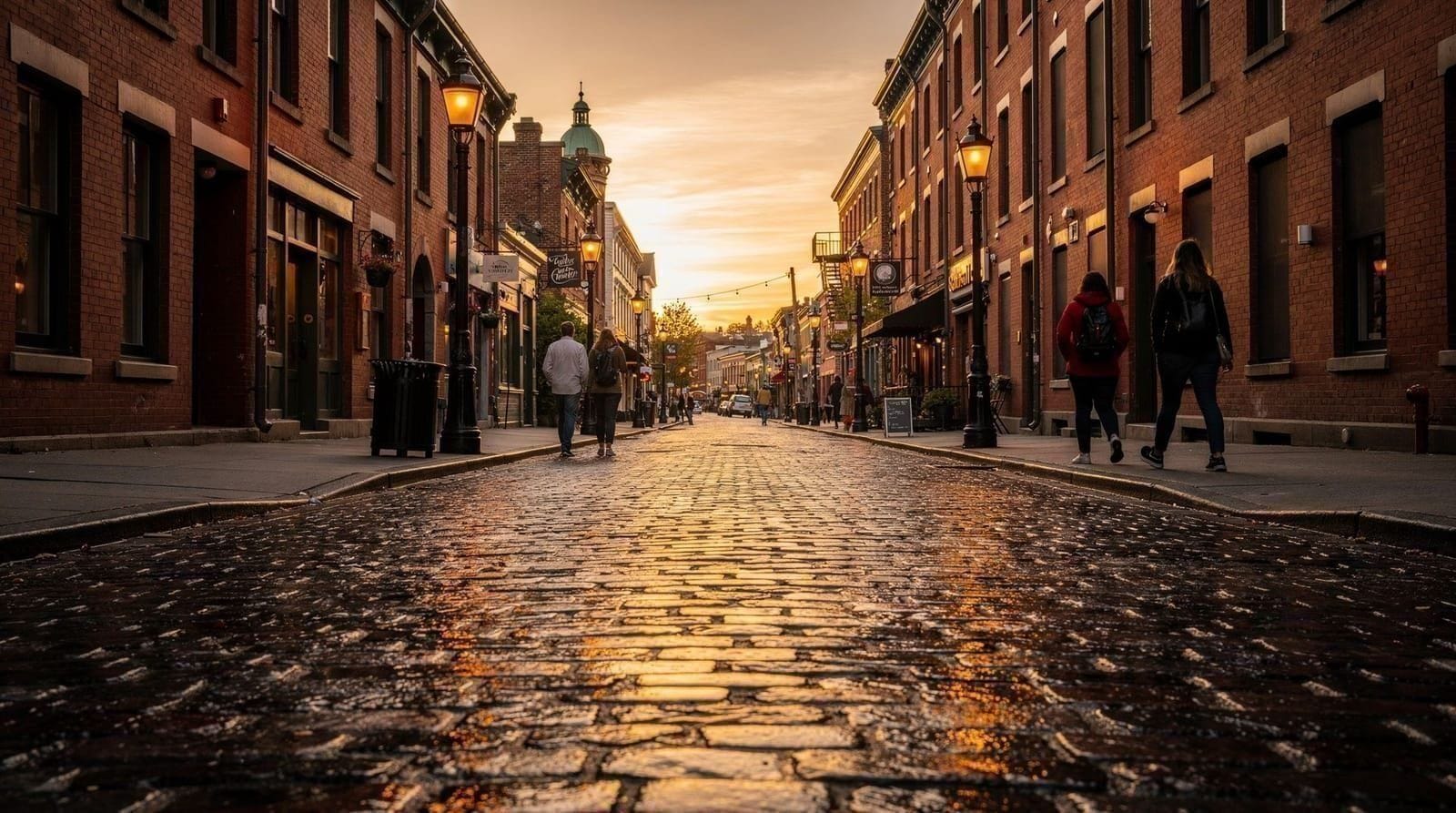
Pender and Main Streets carry some of the oldest surviving commercial buildings in the city, including narrow-lot heritage structures built to accommodate Chinatown’s historic property restrictions. It’s a slower, more textured walk than Gastown’s more polished heritage blocks, and worth 20-30 minutes even if you’re not stopping to eat. A private Vancouver historical and heritage tour often includes this stretch alongside Gastown, which is a reasonable way to get the historical context in one guided walk rather than piecing it together yourself.
Pairing it with Gastown
Chinatown and Gastown sit a five-minute walk apart, and combining them into one outing is the most efficient way to see both heritage districts in a single afternoon. If you’d rather do the food side of that combined walk with a guide, the Gastown historical walking food tour starts in Gastown and gets you oriented before you continue east on your own into Chinatown. For a broader loop that folds Chinatown into a wider city day alongside Stanley Park, the Vancouver city tour with VIP car, Stanley Park and Chinatown covers a lot of ground in one booking if you’re short on days.
A brief history
Vancouver’s Chinatown dates to the 1880s, built up by Chinese labourers who’d worked on the Canadian Pacific Railway and stayed on after construction finished, at a time when discriminatory laws — including a head tax and, later, an outright immigration ban between 1923 and 1947 — made Chinatown one of the only places Chinese-Canadian families could live and do business.
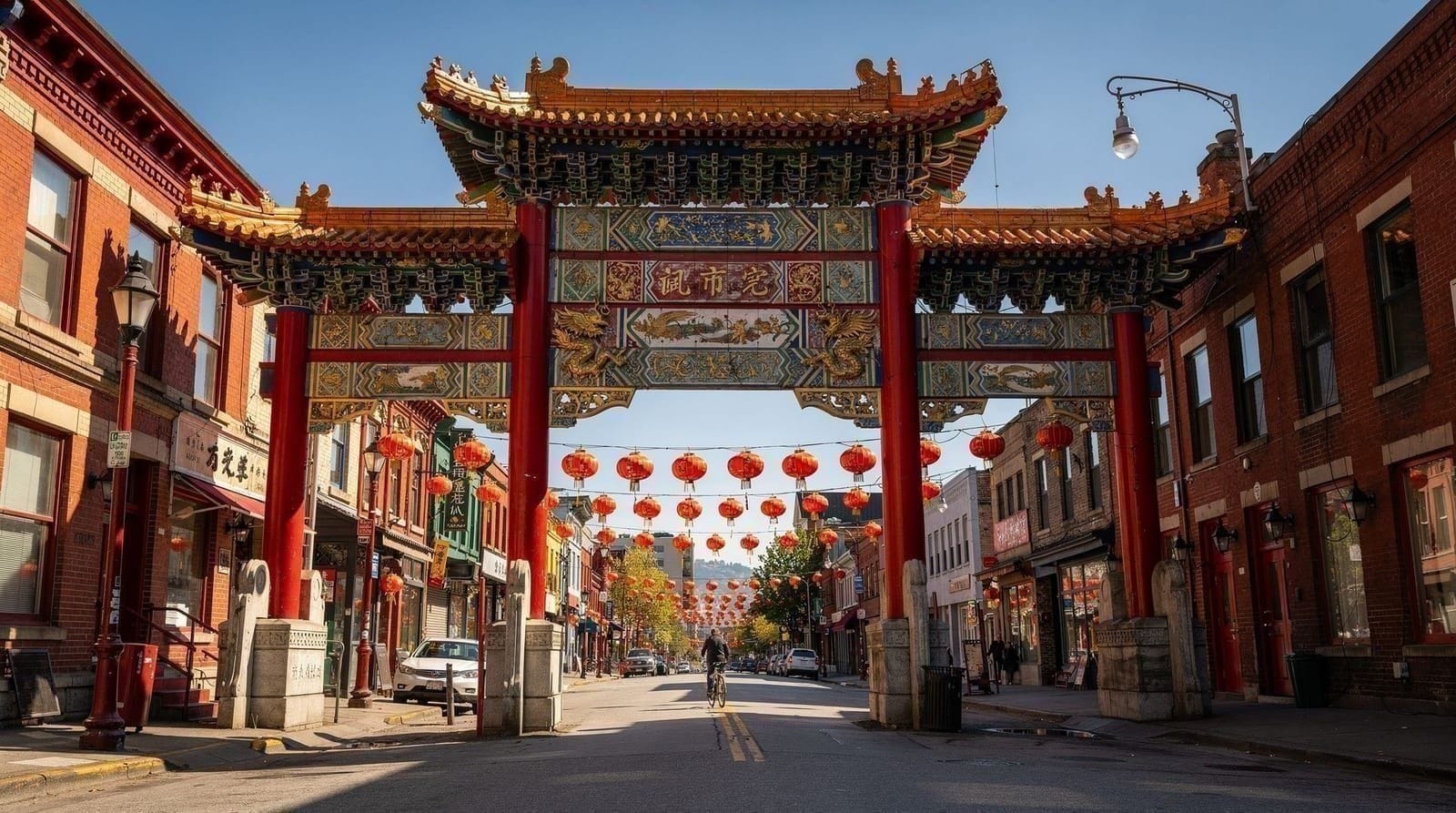
The Millennium Gate spanning Pender Street, installed in 2002, marks the district’s main entrance and is a relatively recent addition rather than a historic structure, but the buildings behind it, including the narrow, deep-lot architecture forced by old property restrictions, are genuinely old. The neighborhood has faced real pressure in recent decades from both gentrification and the broader challenges affecting the adjacent Downtown Eastside, and there’s an active local effort to preserve its businesses and heritage status rather than let it become a purely decorative heritage backdrop.
The Sam Kee Building and other small details
A block or so from the garden stands the Sam Kee Building, recognized as the narrowest commercial building in the world at under two metres deep — built deliberately narrow in 1913 as a protest after the city expropriated most of the original lot for a street-widening project. It’s an easy five-minute detour and one of the more interesting small stories in the neighborhood, worth folding into a walk if you’re already exploring Pender Street on foot.
Getting there
Chinatown is reachable on foot from downtown or Gastown in 10-15 minutes, or by SkyTrain to Stadium-Chinatown station on the Expo and Millennium Lines. For a fuller day that includes this stop, see our 2-day Vancouver itinerary.
A realistic couple of hours
A workable order for a first visit: start with the ticketed Dr. Sun Yat-Sen Classical Chinese Garden while you have fresh attention for its details, since it rewards a slower pace than most visitors give it on the way to lunch. Walk through Pender Street’s heritage blocks next, stopping at the Sam Kee Building along the way, then finish with dim sum or a casual lunch once you’ve built up an appetite from the walk. Two to three hours covers this comfortably without feeling rushed, and it sets you up naturally to continue west into Gastown afterward if you have the rest of the afternoon free.
Shopping and everyday goods
Beyond restaurants and the garden, Chinatown’s shops sell a genuine mix of everyday goods aimed at a local shopper — herbal medicine dispensaries, produce markets, and general stores that have operated for decades — rather than souvenir-focused retail. It’s worth a look even if you’re not buying anything, since it gives a more accurate picture of the neighborhood’s actual daily life than the heritage plaques and the garden alone convey. A few shops selling more visitor-oriented goods have opened near the Millennium Gate in recent years, but they’re the exception rather than the rule along most of the district’s core blocks.
Timing your visit around the calendar
Chinatown is at its liveliest during Lunar New Year, typically falling in late January or February, when the neighborhood hosts a parade and the streets fill with a genuinely festive crowd — worth prioritizing if your trip happens to overlap with it, though also considerably busier and harder to move through than an ordinary weekday. Outside that window, the neighborhood keeps a steadier, calmer pace year-round, making almost any day workable for a visit without much seasonal planning required.
Chinatown vs. Gastown: which to prioritize first
Visitors with limited time sometimes ask whether to see Chinatown or Gastown first if they can’t do both properly in one afternoon.
| Chinatown | Gastown | |
|---|---|---|
| Main draw | Classical garden, dim sum, heritage streets | Steam Clock, cobblestone streets, boutiques |
| Pace | Slower, more textured | More polished, tourist-oriented |
| Crowds | Lighter, except Lunar New Year | Heavier, especially midday |
| Best for | Food and quieter heritage architecture | First-time orientation and photos |
Honestly, neither should be skipped if you have half a day free — they sit a five-minute walk apart, and doing both in sequence (Gastown first for orientation, Chinatown second for lunch) is the most efficient use of an afternoon. If forced to choose only one, first-time visitors wanting the classic postcard image usually lean Gastown, while anyone prioritizing food and a quieter, less staged heritage experience should lean Chinatown.
What the neighborhood looks like beyond the core blocks
Beyond the garden and the main dining strip, Chinatown’s residential edges blend into the Downtown Eastside, one of Vancouver’s most visibly under-resourced areas. It’s worth being upfront about this rather than glossing over it: visitors walking the neighborhood’s outer blocks, particularly toward Hastings Street, will see visible homelessness and poverty that can be jarring alongside the heritage tourism a block or two away. Staying to the core tourist blocks around Pender and Keefer, where most restaurants and the garden sit, avoids most of this, and it’s not an area that poses a particular safety risk during the day, but it’s a genuine contrast worth knowing about in advance rather than being surprised by it.
Frequently asked questions about Chinatown
How much time should I budget for Chinatown?
Two to three hours covers the garden, a walk through the heritage blocks, and a meal at a comfortable pace. Add extra time if you’re visiting during Lunar New Year, when the streets are busier and moving between stops takes longer.
Is the Dr. Sun Yat-Sen Garden free?
No — the Classical Chinese Garden itself requires a paid ticket. The adjacent Dr. Sun Yat-Sen Park, which shares a similar design and name, is free and open to the public, but it’s a different, smaller space.
Do I need a reservation for dim sum in Chinatown?
Smaller groups often can’t reserve at the more popular spots and may face a wait, especially on weekend mornings. Weekday late mornings are more reliable for a shorter wait, and carrying cash is worth doing since not every spot takes cards for smaller bills.
How far is Chinatown from Gastown?
About a five-minute walk, making the two an easy combined half-day outing.
What SkyTrain station serves Chinatown?
Stadium-Chinatown, on the Expo and Millennium Lines, sits within a short walk of the district’s core.
Is Chinatown safe to visit?
Yes, the core tourist blocks around Pender, Keefer and the garden are fine to visit during the day. The neighborhood’s outer edges blend into the Downtown Eastside, where visible poverty and homelessness are a genuine contrast worth being aware of, though it doesn’t pose a particular safety concern for visitors sticking to the main dining and garden area.
Top experiences
Bookable activities with verified prices and instant confirmation on GetYourGuide.