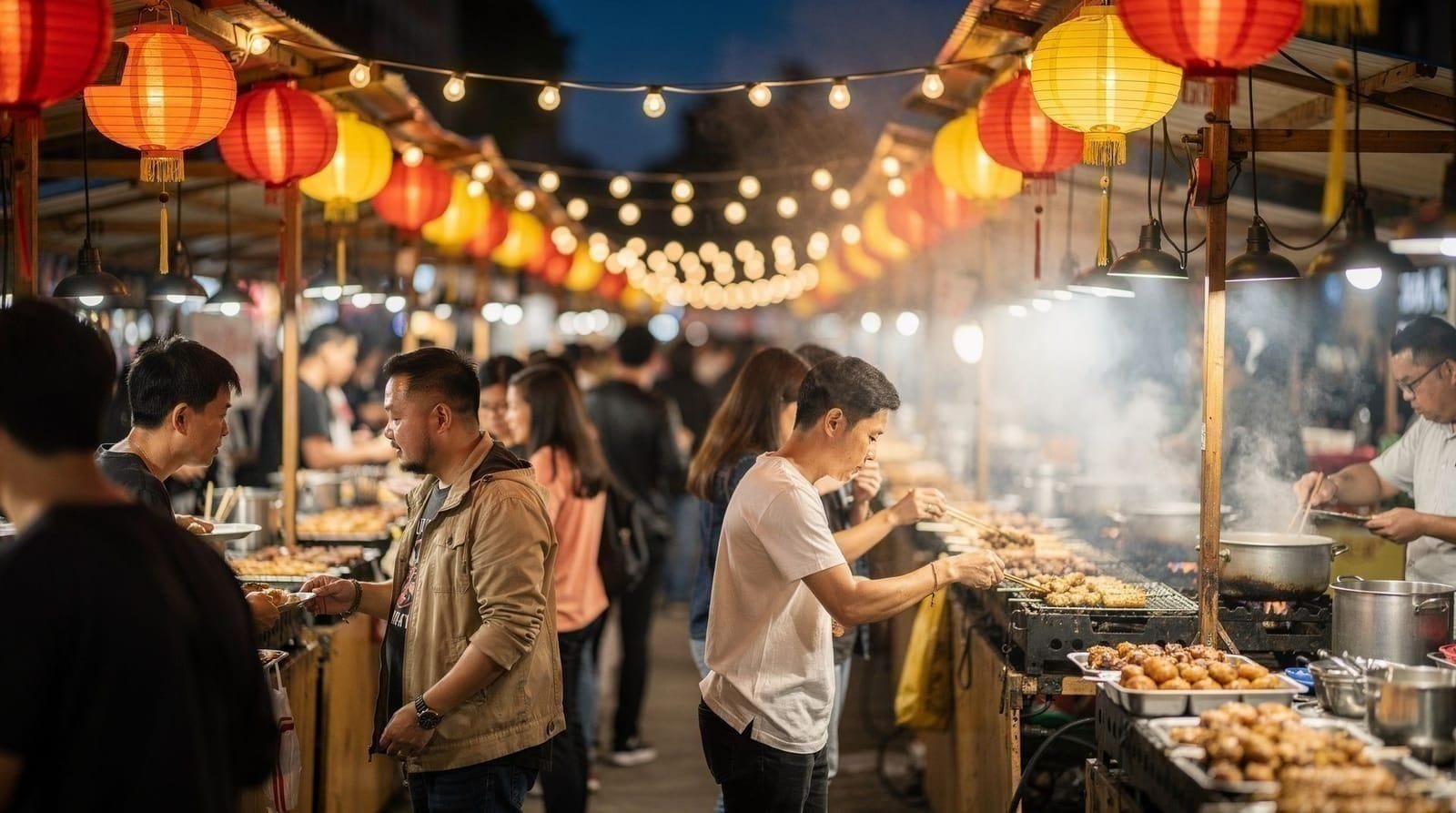
Chinatown food guide
Vancouver City Tour + VIP Car + Stanley Park + Chinatown (Small Group)
What's the best food to try in Vancouver's Chinatown?
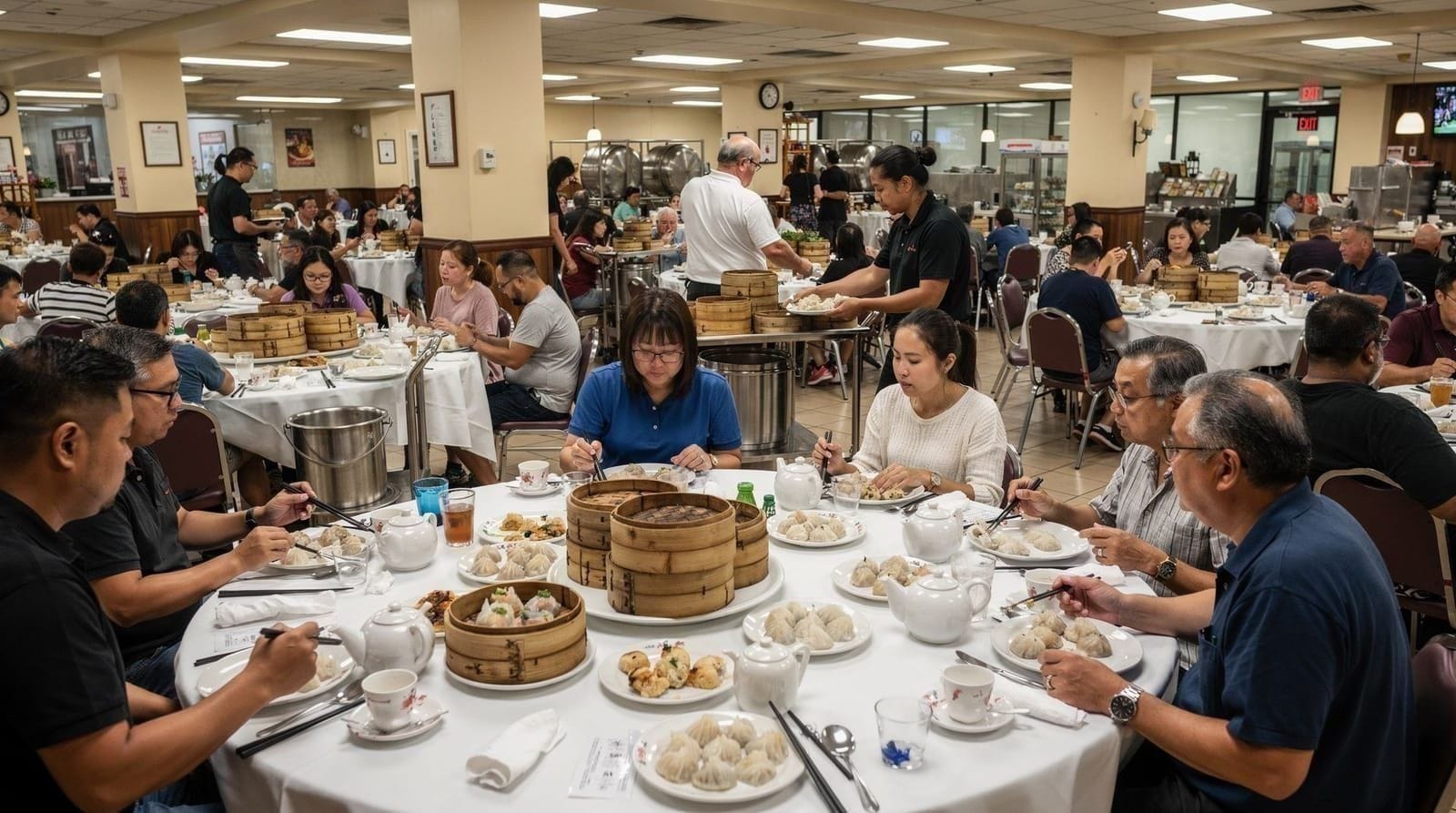
Dim sum is Chinatown's signature food experience — classics like har gow (shrimp dumplings), siu mai (pork and shrimp dumplings), char siu bao (barbecue pork buns) and egg tarts are widely available at sit-down restaurants throughout the neighborhood, best eaten late morning to early afternoon rather than in the evening.
Vancouver’s Chinatown is one of the oldest and, at its historic peak, largest Chinatowns in North America, established in the 1880s as Chinese immigrant laborers who’d worked on the Canadian Pacific Railway settled in the area after construction wound down. It sits a few blocks east of Gastown and the downtown core, and while its footprint and population have shrunk from a mid-20th-century high, the neighborhood retains a genuine concentration of Cantonese and Hong Kong-style restaurants, bakeries, herbal shops and grocers that reward a focused food-oriented visit.
| Where | A few blocks east of Gastown, near Pender/Main/Keefer |
| Signature dish | Dim sum — har gow, siu mai, char siu bao, egg tarts |
| Cost | Around CAD 25-40/person for a full dim sum meal |
| Best time | Late morning to early afternoon, roughly 10:30am-2pm |
| Getting there | Stadium-Chinatown SkyTrain, or 15-20 min walk from downtown |
A short history of the neighborhood
Chinatown’s roots trace to the 1880s, when Chinese laborers who’d helped build the transcontinental railway settled in the area amid significant discrimination, including a head tax and later exclusion-era immigration laws that restricted Chinese immigration to Canada for decades. Despite those barriers, the neighborhood grew into a self-sufficient community with its own businesses, associations and eventually distinctive architecture — recessed balconies, ornate cornices, and buildings that blended Cantonese and Edwardian styles, several of which still stand today.
Population and business density peaked mid-century before decades of suburban migration (much of it toward Richmond, discussed below) thinned the neighborhood out; recent decades have brought both preservation efforts around the heritage buildings and ongoing conversation about the neighborhood’s future as surrounding blocks face pressures common to inner-city districts. Walking through with that history in mind changes how the storefronts and older buildings read — they’re not a themed streetscape but a genuine, still-functioning historic district.
Dr. Sun Yat-Sen Classical Chinese Garden
Adjacent to Chinatown’s restaurant core sits the Dr. Sun Yat-Sen Classical Chinese Garden, a walled Ming Dynasty-style garden built in 1986 by artisans brought from Suzhou, China, using traditional techniques and materials — it’s widely considered the first full-scale classical Chinese garden built outside China.
It’s a paid-admission attraction (a small adjacent public park section is free) and makes a natural pairing with a Chinatown food visit: the garden takes perhaps 45 minutes to an hour to walk through properly, and its calm, contemplative pace works well either right before or after a busier restaurant meal. Anyone visiting Chinatown purely for the food can skip it, but it adds meaningful context on the neighborhood’s cultural roots for travelers with the extra hour.
Dim sum, the neighborhood’s signature meal
Dim sum is Chinatown’s best-known food experience, a Cantonese tradition of small, shareable plates traditionally eaten as a late breakfast or lunch, often as a social, multi-generational family meal rather than a quick bite. A full sit-down dim sum meal in Chinatown typically runs CAD 25-40 per person (roughly USD 18-28) for a table sharing several dishes, and it’s meant to be ordered communally — more dishes, more variety, split among however many people are at the table, rather than each person ordering an individual plate.
Cart service versus order-off-menu: what’s the difference
Traditional dim sum service involves servers pushing steam-cart trolleys loaded with prepared dishes between tables, letting diners point at whatever looks good as it passes and getting a bill stamped or tallied based on what they took. It’s a distinctive, slightly chaotic format that’s become genuinely rare in Vancouver, including in Chinatown, as it requires more staff and kitchen capacity to keep multiple carts stocked and circulating simultaneously. Most Chinatown restaurants today use an order-off-menu format instead — a printed menu, sometimes with photos, where diners check off items and dishes are cooked to order and brought to the table.
Order-off-menu dim sum tends to arrive fresher (made after ordering rather than sitting on a cart), but loses some of the browse-and-point spontaneity that makes cart service a memorable experience for first-timers. If cart service specifically matters to you, it’s worth calling ahead or checking recent reviews, since restaurant format can change and isn’t always obvious from outside.
The classic dishes to order
Har gow are translucent-skinned shrimp dumplings, the pleated wrapper made from wheat starch rather than regular flour dough, giving it a slightly chewy, glossy texture around a whole or chopped shrimp filling — often considered the benchmark dish for judging a dim sum kitchen’s skill, since the thin wrapper is genuinely difficult to make well. Siu mai are open-topped dumplings filled with a mix of ground pork and shrimp, usually topped with a small piece of crab roe or a dot of carrot for color, and are about as ubiquitous on a dim sum table as har gow.
Char siu bao are steamed (sometimes baked) buns filled with barbecue pork in a sweet-savory sauce, fluffy and slightly sweet on the outside with a rich filling inside — a good option for anyone easing into dim sum who wants something more familiar-tasting than some of the more distinctive seafood dishes. Egg tarts, a Cantonese-Portuguese hybrid dessert with roots in Macau, close out a typical meal — a flaky or shortcrust pastry shell filled with a smooth, lightly sweet egg custard, served warm. Beyond these four, a good Chinatown dim sum spread might also include rice noodle rolls (cheong fun), turnip cake, and a soup dumpling variant, but the four above are the reliable starting point for a first Chinatown dim sum meal.
Best time of day to go
Dim sum is traditionally a late-morning to early-afternoon meal, and most Chinatown restaurants serving it operate on that schedule — roughly 10:30am to 2pm, sometimes extending slightly later on weekends, before switching over to a standard dinner menu in the evening. Weekend dim sum, especially Sunday, tends to be the busiest and most festive version of the meal, closer to its roots as a family gathering, but also means longer waits at popular spots without a reservation. A weekday late-morning visit is the easier plan for avoiding a wait, and it’s worth calling ahead or checking hours for a specific restaurant before planning a trip around it, since not every Chinatown restaurant serves dim sum on every day of the week.
Chinatown versus Richmond: two different Chinese food scenes
Chinatown and Richmond represent genuinely different eras and styles of Chinese food in the Vancouver region, and understanding the distinction helps decide which to prioritize, or how to split time between both. Chinatown is the older, historic, predominantly Cantonese and Hong Kong-style food scene, walkable within a compact few-block footprint, and tied to a specific 1880s-onward immigration history.
Richmond, by contrast, developed later as a suburban Chinese food hub, shaped by waves of immigration from Hong Kong, Taiwan and mainland China from the 1980s onward, and its food scene reflects that broader range — Cantonese alongside Taiwanese bakeries, Northern Chinese hand-pulled noodles, Sichuan restaurants and more, spread across strip malls and food courts across a much larger geographic area than Chinatown’s compact core. Richmond is generally considered the larger and more comprehensive Chinese food destination in the region today, with Chinatown offering more historic character and walkability in exchange for a narrower, more Cantonese-focused scope.
For the fuller Richmond picture, see the Richmond dumpling trail guide; for Richmond’s after-dark food scene specifically, see the Richmond Night Market guide.
Walking from Gastown: an easy combination
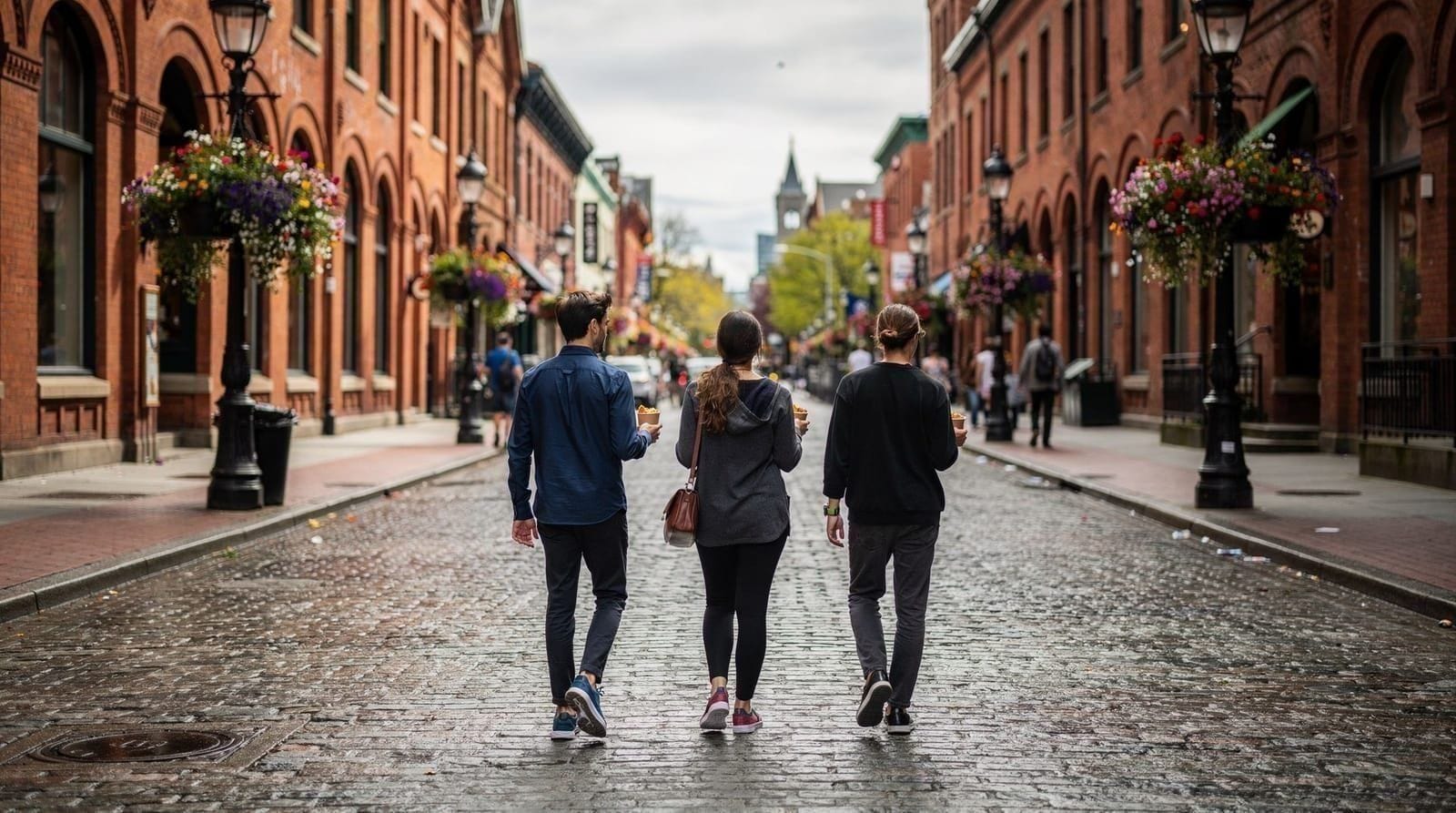
Chinatown sits directly adjacent to Gastown, close enough that the two neighborhoods are commonly combined into a single afternoon on foot — the walk between Chinatown’s restaurant core and Gastown’s Water Street takes roughly 10-15 minutes at an unhurried pace.
A natural itinerary pairs a late-morning dim sum meal in Chinatown with an afternoon exploring Gastown’s shops, bakeries and coffee scene, or the reverse order if a Gastown food tour is on the schedule; see the Gastown food tour guide for how that neighborhood’s guided and self-guided options work. Both neighborhoods are also a short walk or transit ride from most downtown Vancouver hotels, making a combined visit easy to fit into a single day without much backtracking.
Guided tours that include Chinatown
There isn’t a dedicated Chinatown food-tour product currently available, but a VIP car city tour that includes Stanley Park and a Chinatown stop bundles a Chinatown visit into a broader guided overview of the city — it’s a general sightseeing tour with Chinatown as one of several stops, not a dedicated Chinatown food crawl, so anyone wanting a deep dim sum-focused experience should plan that as a separate, self-guided restaurant visit rather than expecting it from a general city tour.
For a genuine guided food-tasting experience nearby, the Gastown walking food tour covers the adjacent neighborhood with a proper multi-stop tasting format, and pairing it with a self-guided Chinatown dim sum lunch on the same day covers both the guided and DIY sides of a Chinatown-adjacent food day.
Tourist-trap watch
Like most well-known historic districts, a couple of Chinatown’s most visible, tourist-facing corners include restaurants that lean more on foot traffic and a decorative storefront than on food quality, with menus translated heavily into English, higher prices than comparable quality a block or two away, and a broad, unfocused menu trying to cover every possible dish rather than doing a narrower range well.
The general pattern to watch for: restaurants with large illuminated photo menus in the window aimed squarely at passersby, and a noticeably empty dining room relative to a full parking lot of tour buses outside, are worth checking against recent reviews before committing. Restaurants that are consistently busy with a visibly mixed crowd of local diners and English-speaking customers, rather than tour groups exclusively, tend to be a safer bet — locals continuing to eat somewhere is one of the more reliable quality signals in any Chinatown anywhere.
Practical logistics and safety notes
Vancouver’s Chinatown borders part of the Downtown Eastside, an area that faces documented social and public-health challenges, and a handful of streets at Chinatown’s edges show visible signs of that reality. For a daytime food visit centered on the neighborhood’s main restaurant and retail streets, this isn’t cause for particular alarm — sticking to the busier, well-trafficked blocks, especially around meal times when restaurants and shops are open and active, is the sensible default, the same practical approach you’d take in any unfamiliar city neighborhood.
Evening visits are generally fine for restaurant dinners but worth being a bit more attentive during, particularly on quieter side streets away from the main restaurant strip. None of this should discourage a daytime dim sum trip, which is a low-risk, well-trodden visitor activity.
Getting there
Chinatown is a roughly 15-20 minute walk from most downtown Vancouver hotels, or a short ride on several bus routes and an easy walk from Stadium-Chinatown SkyTrain Station on the Expo and Millennium Lines, which drops you within a couple of blocks of the neighborhood’s restaurant core. Driving is possible but street parking is limited and metered, and given the neighborhood’s compact, walkable footprint and proximity to downtown and Gastown, transit or walking is the more practical approach for most visitors, freeing up a car for other parts of a Vancouver day.
Bakeries and quick bites beyond dim sum
Beyond sit-down dim sum restaurants, Chinatown’s bakeries are worth a stop on their own, particularly for egg tarts, pineapple buns (a sweet, crumbly-topped bun named for its cross-hatched crust resembling a pineapple’s skin, not for pineapple flavor), and various steamed and baked buns sold individually for a few dollars each — a good option for a quick, cheap bite while walking rather than committing to a full sit-down meal. Herbal shops and traditional grocers throughout the neighborhood also sell dried goods, teas and snacks worth browsing even for visitors not planning to cook, offering a sense of the neighborhood’s everyday commercial life beyond its restaurant scene.
Combining Chinatown with a broader Vancouver food day
Chinatown works well as one stop in a food-themed day that also touches Gastown and, time permitting, a look at how Vancouver’s citywide food scene stacks up more broadly in the best restaurants in Vancouver roundup.
For travelers building a full day around Vancouver’s Chinese food scene specifically, splitting a trip between a Chinatown dim sum lunch and either a Richmond dumpling dinner or a Richmond Night Market evening (seasonal) gives a genuine before-and-after contrast between the city’s historic Cantonese food core and its larger, newer suburban Chinese food scene — see the Richmond dumpling trail and Richmond Night Market guide for that second half of the comparison.
Dietary needs in Chinatown
Vegetarian dim sum is available but requires some care in ordering — many classic dishes (har gow, siu mai, char siu bao) contain shrimp or pork by default, though most restaurants carry at least a handful of vegetable-based options like vegetable dumplings, turnip cake (check for pork bits), and steamed vegetable buns. Vegan diners have a harder time, since many “vegetable” dishes still use lard in the dough or oyster sauce in the seasoning, so asking directly about specific ingredients is worthwhile rather than assuming a vegetable-labeled dish is automatically vegan.
Gluten-free dim sum is genuinely difficult given how central wheat and starch-based wrappers are to the format — rice-based items like cheong fun (rice noodle rolls) are a safer starting point, but cross-contamination in a busy dim sum kitchen using shared steamers is a real consideration for anyone with a serious gluten intolerance. As with any tasting-format meal, travelers with significant allergies should communicate restrictions clearly and consider whether a fixed dim sum spread, where dishes arrive quickly and are shared communally, offers enough control over what ends up on their plate.
Family and group suitability
Dim sum is naturally a family and group-friendly meal format — dishes are shared, portions are small enough that picky eaters can try a little of everything without commitment, and the generally casual, bustling restaurant atmosphere doesn’t require the quiet behavior some higher-end restaurants expect. It’s a good fit for multigenerational groups or larger parties, since ordering more dishes to share scales naturally with group size in a way a single-entree Western meal format doesn’t. Strollers can be a tight fit in some of Chinatown’s older, narrower restaurant spaces, and weekend dim sum service can mean a wait for a table of any size, so calling ahead for a large group reservation is worth doing if timing matters.
How Chinatown compares to Gastown as a food destination
Gastown and Chinatown sit blocks apart but offer distinctly different food experiences, and travelers deciding how to split time between them are really choosing between two different cuisines and formats rather than competing versions of the same thing. Gastown mixes cuisines across independently owned restaurants and bakeries with a heavy emphasis on the neighborhood’s Victorian streetscape and history; Chinatown is narrower and deeper on one cuisine — Cantonese and Hong Kong-style — with dim sum as its signature format and its own, separate immigration history layered into the architecture.
Rather than choosing one over the other, most visitors with a half or full day available do both, given how close together they sit — see the Gastown food tour guide for the fuller detail on that neighborhood’s food scene and how the two combine into a single day.
Seasonal notes
Chinatown’s restaurant scene operates year-round without the seasonal closures that affect some of Vancouver’s outdoor food experiences, making it a reliable choice regardless of when a trip falls. Summer brings slightly more foot traffic and tourist visitors generally, though dim sum itself doesn’t have a strong seasonal skew the way outdoor markets do.
Winter dim sum, eaten indoors in a heated restaurant, is arguably one of the more comfortable food outings on a cold, wet Vancouver day, since it requires no outdoor walking between stops the way a Gastown crawl or a Richmond Night Market visit does. Lunar New Year, which typically falls in late January or February, is Chinatown’s most vibrant seasonal event — expect decorations, higher foot traffic, and sometimes a lion dance or street event, though also fuller restaurants and longer waits if visiting specifically during that window.
A note on the historic buildings themselves
Several of Chinatown’s buildings, including the Wing Sang Building (Vancouver’s oldest surviving structure built by a Chinese-Canadian, dating to 1889) and others along Pender and Main streets, feature recessed balconies and ornate cornice work distinctive to the neighborhood’s architectural style, a blend of Cantonese building traditions adapted to a North American commercial streetscape.
Walking the neighborhood with an eye toward the upper floors of these buildings, rather than just the restaurant storefronts at street level, reveals a layer of the neighborhood’s history easy to miss if focused purely on where to eat. Several heritage and cultural organizations run occasional walking tours specifically focused on this architectural and historical layer, worth considering for visitors with a deeper interest in the neighborhood beyond its food.
What to skip if short on time
With limited time, prioritize one proper sit-down dim sum meal over trying to sample bakeries, herbal shops and a restaurant all in a single rushed visit — dim sum done properly, at an unhurried pace with a few classic dishes, delivers more satisfaction than a rushed multi-stop crawl through a neighborhood this historically dense. If time allows only a quick bite rather than a full sit-down meal, a bakery stop for an egg tart and a pineapple bun covers a reasonable taste of the neighborhood’s food culture in under 15 minutes, useful for anyone squeezing Chinatown into a tighter downtown itinerary.
Frequently asked questions — Chinatown food guide
What's the difference between cart-service and order-off-menu dim sum?
Cart-service dim sum involves servers wheeling trolleys of prepared dishes between tables for you to select from as they pass; order-off-menu dim sum means choosing from a printed or picture menu and having dishes cooked to order and brought out. Cart service is increasingly rare in Vancouver, including in Chinatown, with most restaurants now using the order-off-menu format.How much does a dim sum meal cost in Chinatown?
A full dim sum meal typically runs CAD 25-40 (roughly USD 18-28) per person for a satisfying spread of several dishes shared among a table, though it varies with how many dishes you order and whether you add larger plates beyond the classic small-format dim sum items.Is Vancouver's Chinatown safe to walk around?
Chinatown is generally fine to walk through during the day and early evening, though like several adjacent Downtown Eastside blocks, some streets show visible signs of the neighborhood's social challenges. Sticking to well-trafficked streets, especially around meal times when restaurants are busy, is the practical approach, and it's not an area that warrants particular alarm for a daytime food visit.How does Chinatown's food scene compare to Richmond's?
Chinatown is historic, Cantonese and Hong Kong-style leaning, walkable, and smaller in footprint; Richmond is newer, spread across suburban strip malls, broader in cuisine range (including Taiwanese and Northern Chinese food), and generally considered the larger and more comprehensive Chinese food destination in the Vancouver region today.When is the best time to go for dim sum in Chinatown?
Late morning through early afternoon (roughly 10:30am-2pm) is the traditional dim sum window, since it's meant as a late-breakfast or lunch meal rather than dinner. Many Chinatown restaurants stop serving dim sum-format dishes by mid-afternoon and switch to a regular dinner menu.
Top experiences
Bookable activities with verified prices and instant confirmation on GetYourGuide.