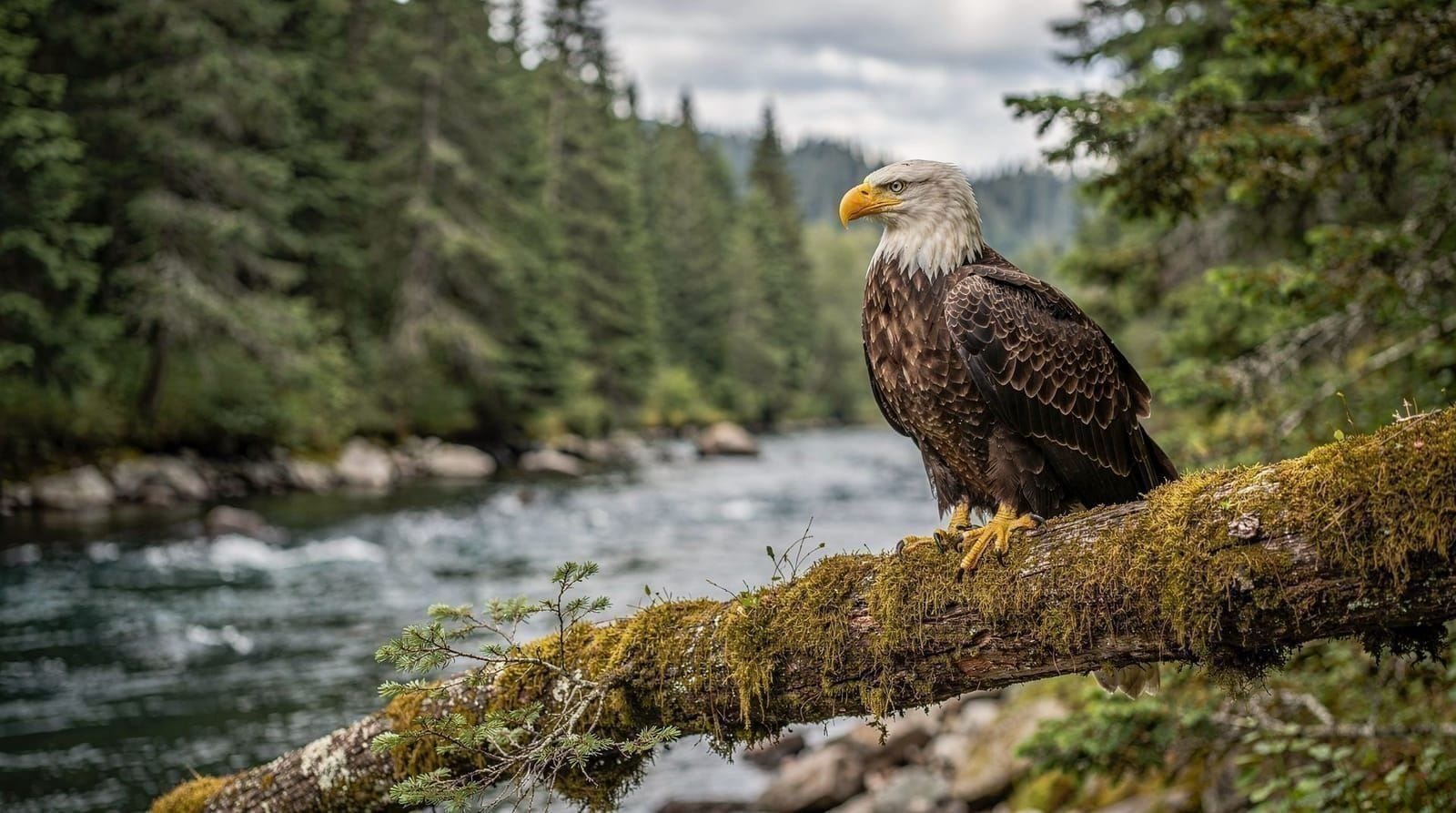
Bald eagle watching near Squamish
Squamish: Sea to Sky Gondola Admission Ticket
- Free cancellation
When and where can you see bald eagles near Squamish?
The Brackendale Eagle Reserve, just north of Squamish, hosts one of the highest concentrations of wintering bald eagles anywhere in the world, drawn by late-season chum salmon in the Squamish, Cheakamus and Mamquam rivers. Viewing runs roughly November through February, peaking in late December and January, and it's a free, self-guided activity from public riverbank viewing points — there's no bookable eagle tour in this area.
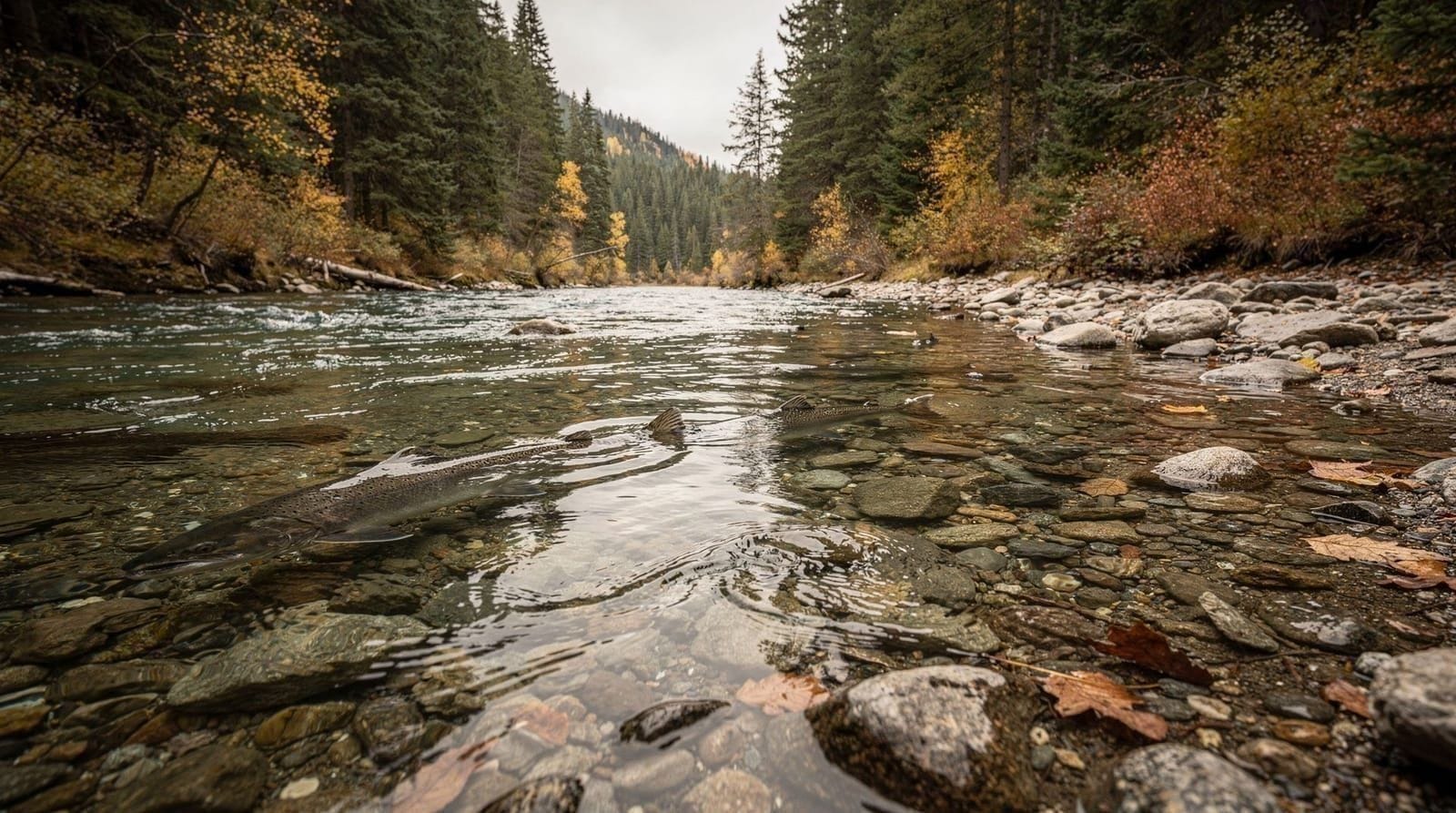
Squamish is home to one of the largest wintering concentrations of bald eagles anywhere in the world, and it happens for a straightforward ecological reason: a late-season chum salmon run draws thousands of eagles to the Squamish, Cheakamus and Mamquam rivers each winter to feed on spawned-out fish. It’s a genuinely free, self-guided activity — no tour booking required — and it runs on a season that’s the exact opposite of most of the region’s other wildlife-watching windows, making it one of the better reasons to visit the Sea-to-Sky corridor in winter rather than only in summer, when most visitors think of Squamish purely as a stop on the way to Whistler.
| Where | Brackendale, just north of Squamish, about an hour from Vancouver |
| Cost | Free, self-guided riverbank viewing |
| Season | Roughly November–February, peaking late December–January |
| Time needed | A few hours; a full day if paired with the Sea to Sky Gondola |
| Getting there | Car recommended; coach reaches Squamish, but Brackendale itself needs a car, taxi or bike |
The Brackendale Eagle Reserve
The core viewing area sits at Brackendale, a community just north of Squamish along the Squamish River, protected as the Brackendale Eagle Reserve specifically because of its ecological importance to wintering eagles. The reserve isn’t a fenced or ticketed park in the way some wildlife sites are — it’s a stretch of riverbank and adjacent public land with designated viewpoints where eagles gather in the surrounding cottonwood trees and along gravel bars to feed on salmon carcasses left over from the fall spawning run. On a strong day during peak season, dozens or more eagles can be visible at once, scattered through the trees and along the river, a sight that’s genuinely hard to replicate anywhere else within a day’s drive of Vancouver.
Historically, the annual Brackendale eagle count, held each January by volunteer birders, has recorded some of the highest single-day eagle counts documented anywhere in the world, a statistic that put Brackendale on the map for wildlife watchers well beyond BC. Numbers vary year to year with salmon run strength and weather, but the reserve consistently ranks among the most significant bald eagle wintering sites on the continent.
Why winter, not summer — and why that’s unusual
Most of BC’s wildlife-watching calendar runs opposite to this. Whale watching peaks from May through October, black bear viewing near Whistler runs May through September, and even the Campbell River grizzly tours cluster in the August-to-October window. Eagle watching at Brackendale flips that pattern entirely — it’s a winter activity, timed to a late-season chum salmon run that continues into November and beyond, well after most of the region’s other salmon runs have wound down.
That makes Brackendale one of the only wildlife-watching options in this region that gives winter visitors to Vancouver something genuinely worthwhile beyond skiing, and it’s worth building into any Sea-to-Sky trip planned for December or January specifically because so little else in the region’s wildlife calendar is active at that time. See the BC salmon run guide for how this late chum run fits into the broader picture of the region’s staggered salmon season.
Season: November through February, peak late December-January
Eagles begin arriving at Brackendale as the chum salmon run picks up, typically from around November, with numbers building through December as more birds arrive and the salmon supply increases. The peak generally falls in late December into January, which is also when the annual eagle count takes place, capturing the season at its highest point.
Numbers taper off through February as the salmon carcasses are depleted and eagles disperse back to breeding territories or other food sources. Outside this roughly November-to-February window, Brackendale doesn’t offer anything close to the same spectacle — this is a genuinely seasonal event, not a year-round attraction, and visitors arriving in spring or summer expecting to see anything comparable will be disappointed.
How to view the eagles
Public viewing points along the dyke trail and riverside areas near Brackendale give unobstructed views across the river to the trees and gravel bars where eagles congregate. Binoculars make a real difference here, since many eagles perch at some distance across the river rather than immediately beside the viewing path, and a scope or strong zoom lens rewards anyone serious about photography. Early morning tends to offer the most active viewing, as eagles that roosted overnight begin moving to feed, though sightings are possible throughout the day during peak season given how many birds are present.
Dress warmly — this is outdoor winter viewing in a river valley, where temperatures run colder and dampness sets in more than a Vancouver city day might prepare you for. A few hours is enough for a solid visit; there’s no fixed schedule or gate, so visitors come and go on their own timeline, checking multiple viewpoints along the dyke if the first spot they try isn’t producing much activity. Trail conditions along the dyke can be muddy or icy depending on recent weather, so sturdy, waterproof footwear matters more here than it would for a typical paved city walk.
A brief history of the Brackendale count and why it matters
The Brackendale eagle count began in the early 1980s as a grassroots effort by local birders and conservationists concerned about development pressure on the river habitat eagles depend on through winter. What started as an informal tally grew into an internationally recognized annual count, and the attention it drew played a real role in protecting the surrounding riverbank land as a designated reserve rather than allowing it to be developed. The count itself is still run largely by volunteers each January, coordinated with local wildlife organizations, and visitors are generally welcome to observe the count in progress, adding a bit of structure and shared purpose to a visit during that specific week if the timing lines up with your trip.
This history is part of why Brackendale carries genuine ecological significance beyond being a nice photo opportunity — the reserve exists specifically because of documented eagle numbers that made the case for protection, and the ongoing count continues to track population trends that matter for conservation planning across the wider Squamish River watershed.
Photography tips
Eagle photography at Brackendale rewards a longer lens than most casual travel photography requires, since birds often perch well across the river rather than immediately beside the viewing path — a zoom in the 300-400mm range or beyond makes a meaningful difference for anything beyond a documentary wide shot of the scene.
Overcast winter days, common in the Sea-to-Sky corridor through this season, actually help photography by softening harsh contrast between bright snow or water and dark eagle plumage, so don’t wait for a sunny day specifically. Early morning light along the river tends to be the most flattering window, coinciding with peak eagle activity as birds move to feed after roosting overnight, which conveniently lines up good light with good odds of a sighting in the same visit.
Weather and winter driving considerations
The Sea-to-Sky Highway between Vancouver and Squamish is a well-maintained, regularly used route, but winter conditions — snow, ice, and occasional weather closures at higher points along the corridor — are a real factor between roughly November and March. Check current highway conditions before departing, particularly after fresh snowfall, and allow extra time compared to a summer drive. Squamish and Brackendale themselves sit at low elevation and rarely see conditions as severe as the alpine sections of the highway further north toward Whistler, but the drive itself deserves the same seasonal caution as any BC mountain highway in winter.
Getting to Squamish and Brackendale
Squamish sits roughly an hour north of Vancouver along the Sea-to-Sky Highway, and Brackendale itself is a short distance further north from central Squamish, easily reached by car in a few extra minutes. This makes the whole outing a realistic winter day trip from Vancouver, provided winter driving conditions on the highway are checked ahead of time, since mountain weather can affect the route more than it would a straightforward city drive.
Travelers without a car can reach Squamish by regional coach or shuttle services from Vancouver, though reaching Brackendale itself from central Squamish without a car requires either a taxi, a bike, or a longer walk, since it sits a few kilometres outside the town centre. Anyone relying entirely on public transport should factor this last-leg gap into their planning rather than assuming a coach into central Squamish alone gets them all the way to the viewing points.
Be clear: there’s no bookable eagle tour here
It’s worth being direct about this rather than implying otherwise: eagle watching at Brackendale is not a bookable commercial product. There’s no guided eagle tour, boat excursion or ticketed experience built specifically around the eagle count — it’s public riverbank access, free to anyone who shows up during the season. Any GetYourGuide-bookable activities in the Squamish area during winter are separate, unrelated experiences that happen to be available in the same town at the same time of year, not eagle-viewing products themselves.
What is bookable: the Sea to Sky Gondola, winter and year-round
The Sea to Sky Gondola admission ticket is the standout bookable activity in Squamish and genuinely worth pairing with an eagle-watching stop, though it’s framed here honestly as a complementary winter activity, not an eagle tour.
The gondola runs year-round, carrying visitors from the valley floor up to alpine viewpoints with dramatic views over Howe Sound and the surrounding Coast Mountains — a genuinely different, and arguably more striking, experience in winter than summer, when snow-covered peaks and a suspension bridge walk at the summit offer a look at alpine BC that most Vancouver-based visitors never see outside a dedicated ski trip. Pricing runs around CAD 60 for adult admission, roughly in line with other major BC gondola and cable-car attractions — confirm current pricing directly given seasonal adjustments.
For visitors wanting an active add-on once at the summit, winter snowshoeing at the Sea to Sky Gondola covers a guided snowshoe route across the alpine terrain accessible from the gondola’s upper station — a genuinely good way to spend an hour or two in the snow without needing your own gear or backcountry experience, and a sensible pairing for a winter Squamish day that also includes a stop at Brackendale. Framed plainly: these are things to do while you’re in Squamish anyway for the eagles, not activities that get you closer to the birds themselves — the gondola sits above the valley, well removed from the riverside eagle-viewing areas.
Building a winter Squamish day around both
A practical winter itinerary starts with an early-morning stop at Brackendale, when eagle activity along the dyke tends to be strongest, followed by the short drive back into central Squamish and up to the Sea to Sky Gondola base for the rest of the day. The gondola ride and summit time, including the snowshoe add-on if conditions and your schedule allow, fills out an afternoon nicely and gives the day a second, entirely different kind of scenery — alpine and elevated rather than riverside and forested.
This combination makes efficient use of a single winter day trip from Vancouver without requiring an overnight stay, though anyone wanting a more relaxed pace, or visiting during the shorter daylight hours of December, might prefer to split the two across an overnight in Squamish.
December’s short winter days in particular compress the available daylight window considerably compared to a summer visit, so an overnight stay is worth considering specifically for that month if you want to avoid rushing either the morning eagle viewing or the gondola visit.
Squamish itself has grown into a legitimate small-town base for this kind of trip, with a range of accommodation and casual dining options that didn’t exist a decade or two ago when it was more purely a pass-through point between Vancouver and Whistler. Staying overnight also opens up a second morning at Brackendale if the first visit’s conditions or eagle activity were disappointing, which is a reasonable hedge against the inherent unpredictability of wild wildlife viewing.
How this fits with the region’s other wildlife-watching windows
Because eagle season runs opposite most of BC’s other wildlife activity, it pairs awkwardly on the calendar with the region’s summer options rather than complementing them within a single trip, and it’s worth planning around that reality rather than assuming a single BC visit can realistically cover both a summer and a winter wildlife theme. Whale watching from Vancouver, wild black bear viewing near Whistler, and the Campbell River grizzly tours all cluster in the May-through-October range, meaning a visitor hoping to combine eagle watching with any of these needs two separate trips to BC rather than one, unless the visit happens to straddle a season boundary.
For a fuller picture of how Brackendale’s winter eagles connect to the same salmon runs that draw bears further along the coast, see the salmon run guide and the grizzly bear watching guide, both of which cover the fall side of the same ecological cycle that feeds into Brackendale’s winter eagle population. The wildlife tours from Vancouver overview rounds out the picture with the city-based options available whenever eagle season isn’t active.
Eagle watching versus other Sea-to-Sky wildlife windows
| Activity | Season | Cost | Booking |
|---|---|---|---|
| Brackendale eagle watching | Nov–Feb | Free | None — self-guided |
| Whale watching | May–Oct | Paid tour | Book ahead |
| Black bear viewing near Whistler | May–Sept | Paid tour | Book ahead |
| Campbell River grizzly tours | Aug–Oct | Paid tour | Book ahead |
Brackendale is the rare entry on this list that costs nothing and needs no reservation — a useful fact for anyone assembling a winter itinerary around the region’s otherwise summer-heavy wildlife calendar.
Frequently asked questions about eagle watching near Squamish
Is there a fee to visit Brackendale for eagle watching?
No — it’s free, public riverbank access with no gate or ticket required. The only cost involved is however you get to Squamish and Brackendale itself.
What’s the single best week to visit for the most eagles?
Late December into January consistently offers the strongest numbers, aligning with the annual eagle count and the peak of the late chum salmon run. Exact timing shifts slightly year to year with weather and salmon numbers.
Can I combine eagle watching with skiing at Whistler?
Yes, logistically — Squamish sits directly along the route between Vancouver and Whistler, so a stop at Brackendale fits naturally into a winter Sea-to-Sky trip that also includes skiing further north, provided you allow enough time for both in a single day or spread them across a multi-day trip. Note that this is a different season from the summer black bear viewing near Whistler, so the two wildlife activities don’t overlap on the same visit.
Is the Sea to Sky Gondola open in winter, and is it worth visiting alongside the eagles?
Yes, the gondola operates year-round, and winter is arguably its most striking season, with snow-covered alpine terrain and mountain views that differ substantially from a summer visit. It’s a genuinely good pairing for a winter Squamish day, though it’s worth reiterating that the gondola and the eagle viewing are two separate, unrelated activities rather than one combined eagle-watching product.
What should I bring for a Brackendale visit?
Warm, weather-appropriate layers, waterproof footwear given likely wet or snowy ground conditions, and binoculars if you have them — a genuine difference-maker for seeing eagles perched at a distance across the river. A camera with reasonable zoom capability is worth packing if photography matters to you, since sightings happen at a real distance rather than close range.
How many eagles can I realistically expect to see?
It varies significantly by day, weather and exact point in the season, and there’s no guaranteed number — this is wild, unmanaged wildlife activity, not a managed attraction. During a strong week at peak season, seeing dozens of eagles across a single visit isn’t unusual, while a quieter day or an off-peak week within the broader November-February window might produce a more modest handful of sightings.
Top experiences
Bookable activities with verified prices and instant confirmation on GetYourGuide.