Where to see fall colors around Vancouver
Vancouver’s reputation as an evergreen city is accurate but incomplete — the region is dominated by coastal fir and cedar, which don’t change colour, but decades of deliberate urban planting means the city itself has a genuine, if concentrated, fall colour season through most of October. It’s not a New England-scale event, and treating it as one leads to disappointment; treating it as a smaller, city-specific bonus on top of an already good October visit is the more accurate framing.
| Where | Queen Elizabeth Park, VanDusen, Stanley Park’s interior trails |
| Peak timing | Second half of October, varying by year |
| Cost | Free (Queen Elizabeth Park, Stanley Park); VanDusen charges standard garden admission |
| Best time of day | Early morning, right after sunrise, for stillest air and fewest people |
| Getting there | Free parks reachable by transit; Sea-to-Sky corridor needs a car or tour |
Stanley Park’s maple groves
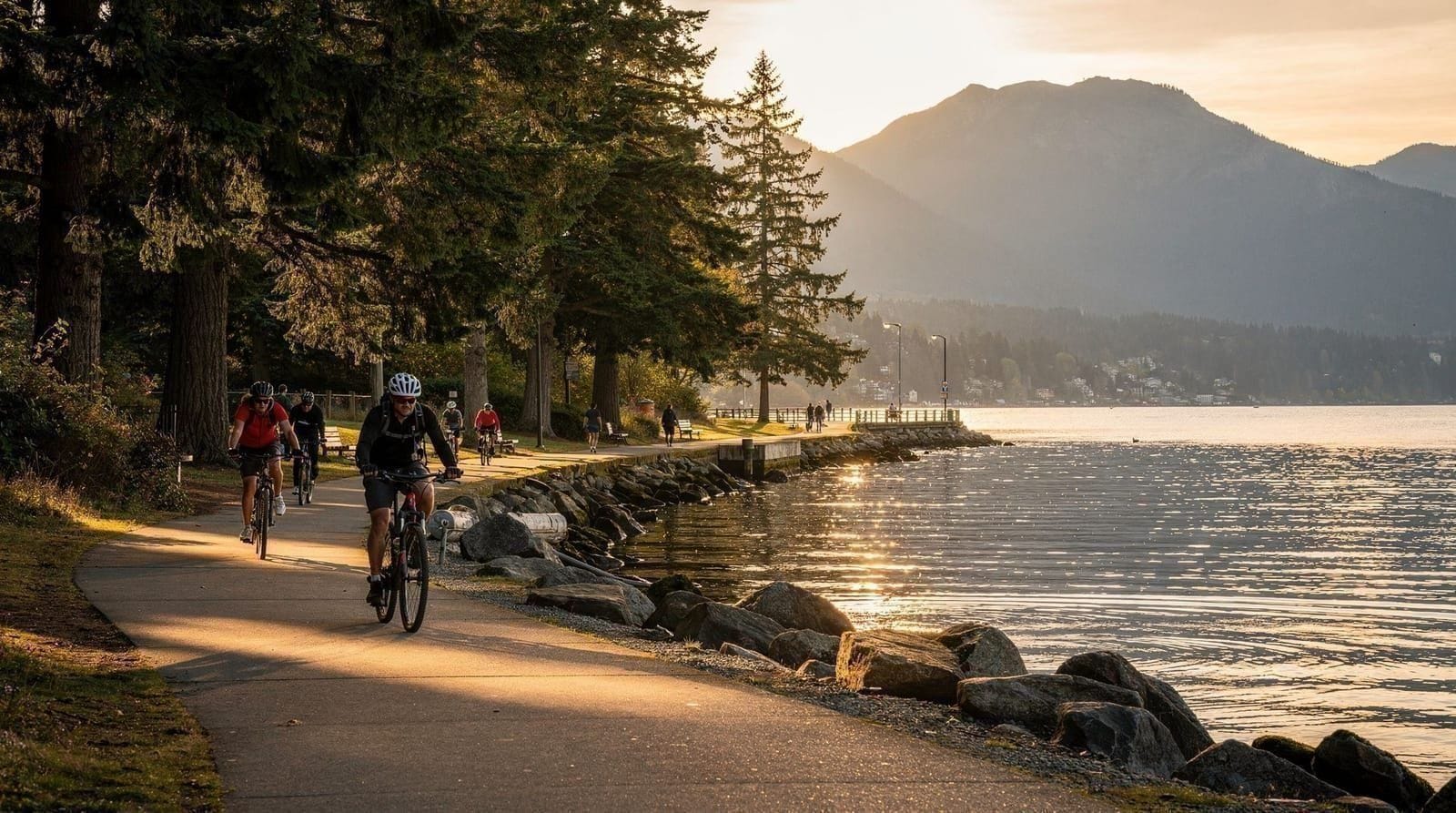
Stanley Park has enough big-leaf maple planted through its older sections that a walk off the main Seawall into the park’s interior trails in mid-to-late October reveals genuine yellow and gold colour against the backdrop of the park’s dominant evergreens. It’s not everywhere in the park — the Seawall itself is mostly conifer-lined — but the interior trails around Beaver Lake and Lost Lagoon reward the detour specifically for foliage in a way the perimeter walk doesn’t.
Queen Elizabeth Park and VanDusen: planted for exactly this
Queen Elizabeth Park and VanDusen Botanical Garden were both planted with deliberate seasonal variety in mind, and both deliver a noticeably more concentrated fall display than the city’s older, naturally forested parks. Japanese maples, in particular, turn a genuinely vivid red through these gardens in October, and both sit within the city itself, requiring no drive or day-trip planning to reach. For visitors without a car and limited time, these two gardens are the highest-colour-per-minute option in Vancouver.
Comparing the main fall colour spots
| Location | Colour intensity | Cost | Best for |
|---|---|---|---|
| Queen Elizabeth Park | High (curated) | Free | Highest colour-per-minute, no car needed |
| VanDusen Botanical Garden | High (curated) | Garden admission | Vivid Japanese maples, photography |
| Stanley Park interior trails | Moderate | Free | Foliage plus a broader park day |
| Pacific Spirit Park / North Shore | Subtle | Free | A genuine forest walk over a curated display |
| Squamish / Sea-to-Sky corridor | Moderate | Gondola ticket + drive | Foliage plus alpine scenery and thinner crowds |
Pacific Spirit Park and the North Shore: subtler, but real
The forested trails through Pacific Spirit Park and portions of the North Shore’s lower trail network show deciduous colour scattered through the dominant conifer cover — less dramatic than a purpose-planted garden, but a genuine forest experience rather than a curated display. Combined with a best hikes near Vancouver route, a fall visit to these trails adds a seasonal dimension to what’s otherwise a year-round hiking option.
Squamish and the Sea-to-Sky corridor
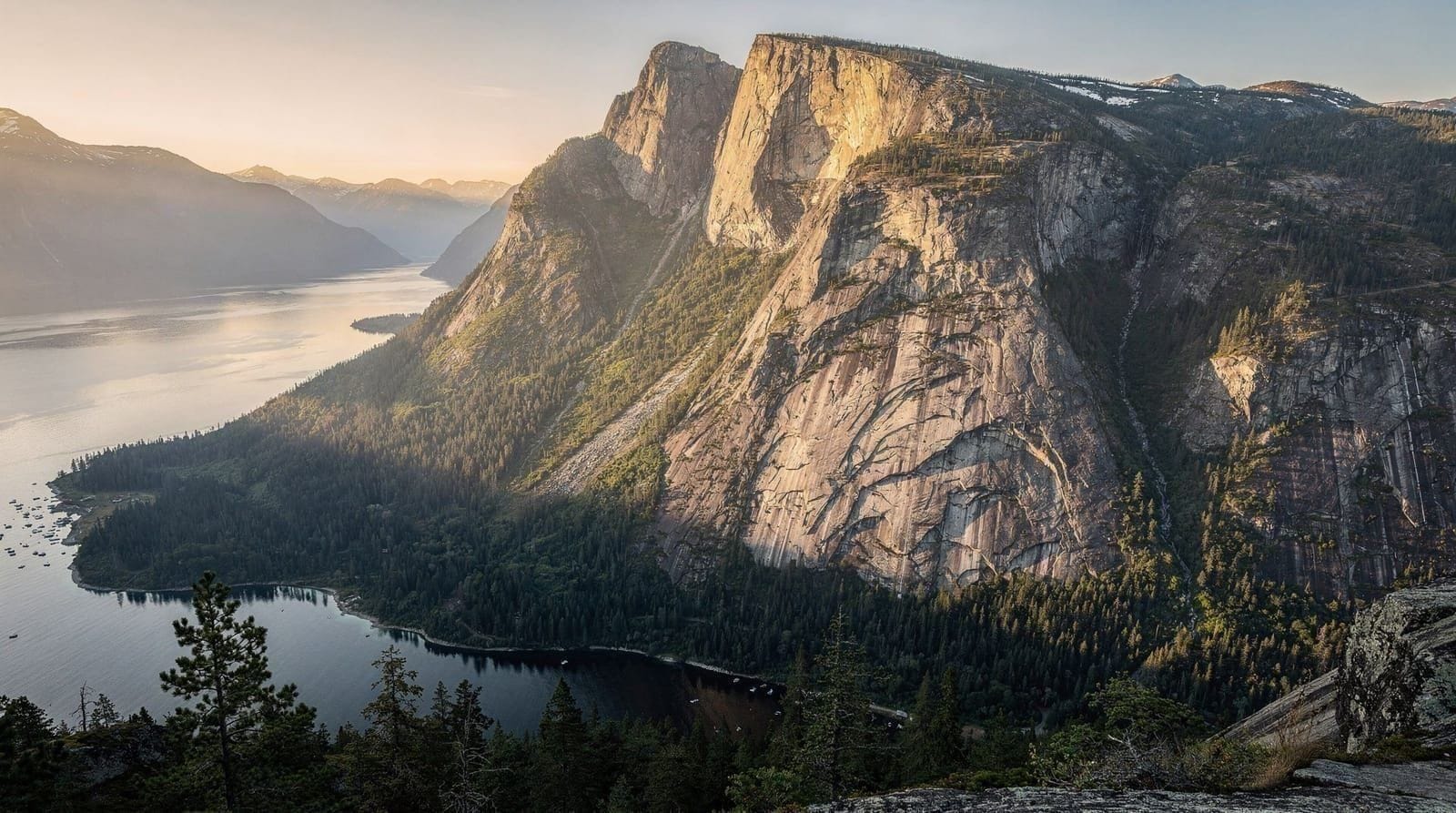
Driving north on Highway 99 toward Squamish in October puts higher-elevation deciduous trees — alder and cottonwood along the valley bottoms particularly — into more visible colour than what’s typical in the city itself, set against the season’s first snow appearing on higher peaks.
It’s a genuinely good time to visit the Sea to Sky Gondola, since October’s cooler temperatures and thinner crowds (well past summer peak, before ski season starts) make for one of the more comfortable windows to do the gondola and surrounding trails without a summer queue. A Sea to Sky Gondola admission ticket is worth booking ahead regardless of season, since it removes the only real friction point (base-lot ticket lines) from an otherwise quiet fall visit.
Whistler in the fall shoulder season
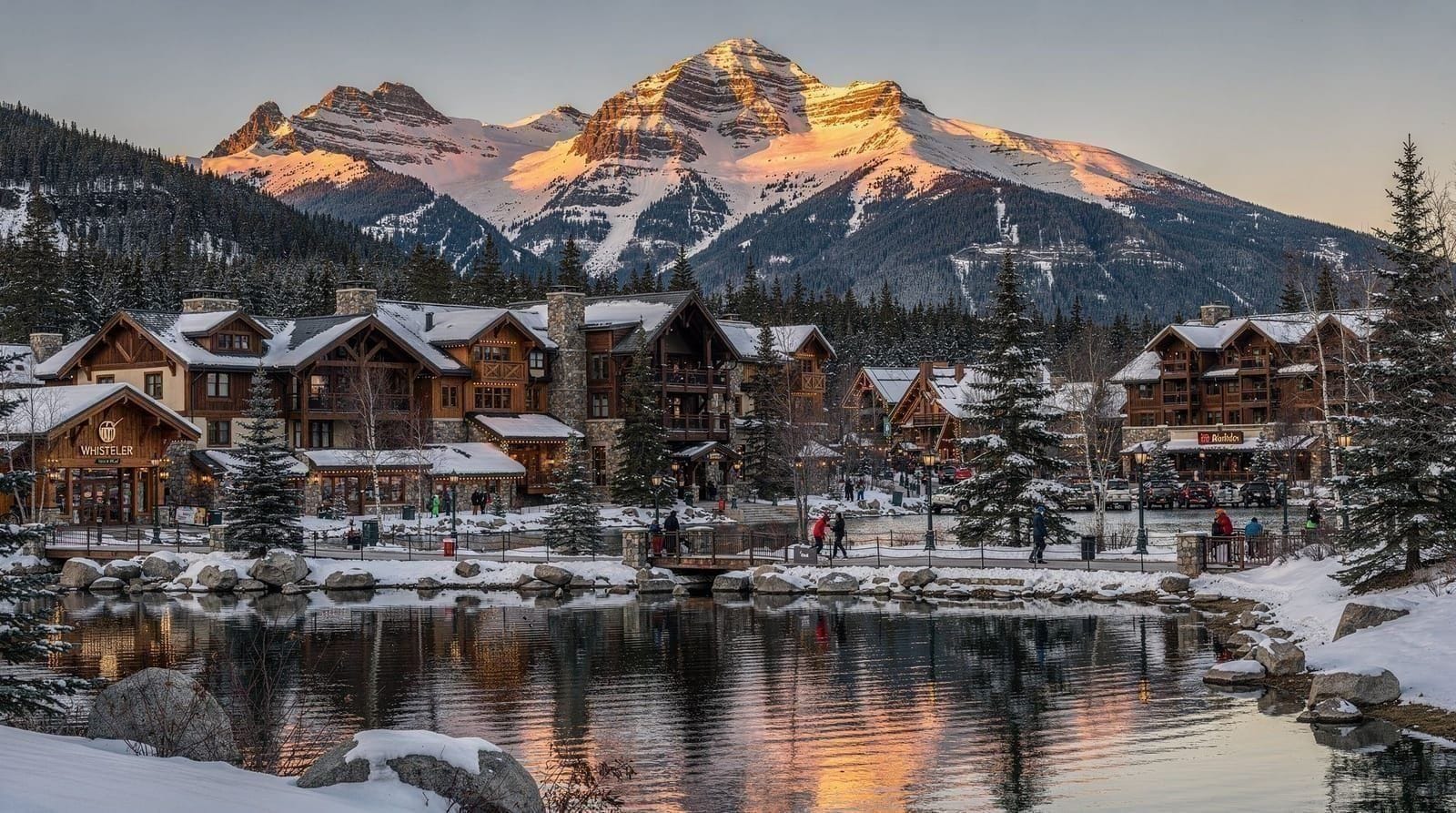
Whistler between the end of summer hiking season and the start of ski season (roughly mid-October through late November) sees noticeably fewer visitors than either peak period, and the valley’s deciduous trees put on a real display against the surrounding evergreen slopes before the first significant snowfall. It’s genuinely one of the better-kept-secret windows to visit Whistler Village — quieter, often with lingering good weather, and considerably cheaper on accommodation than either summer or ski season peaks.
Fall as a season for wildlife, not just colour
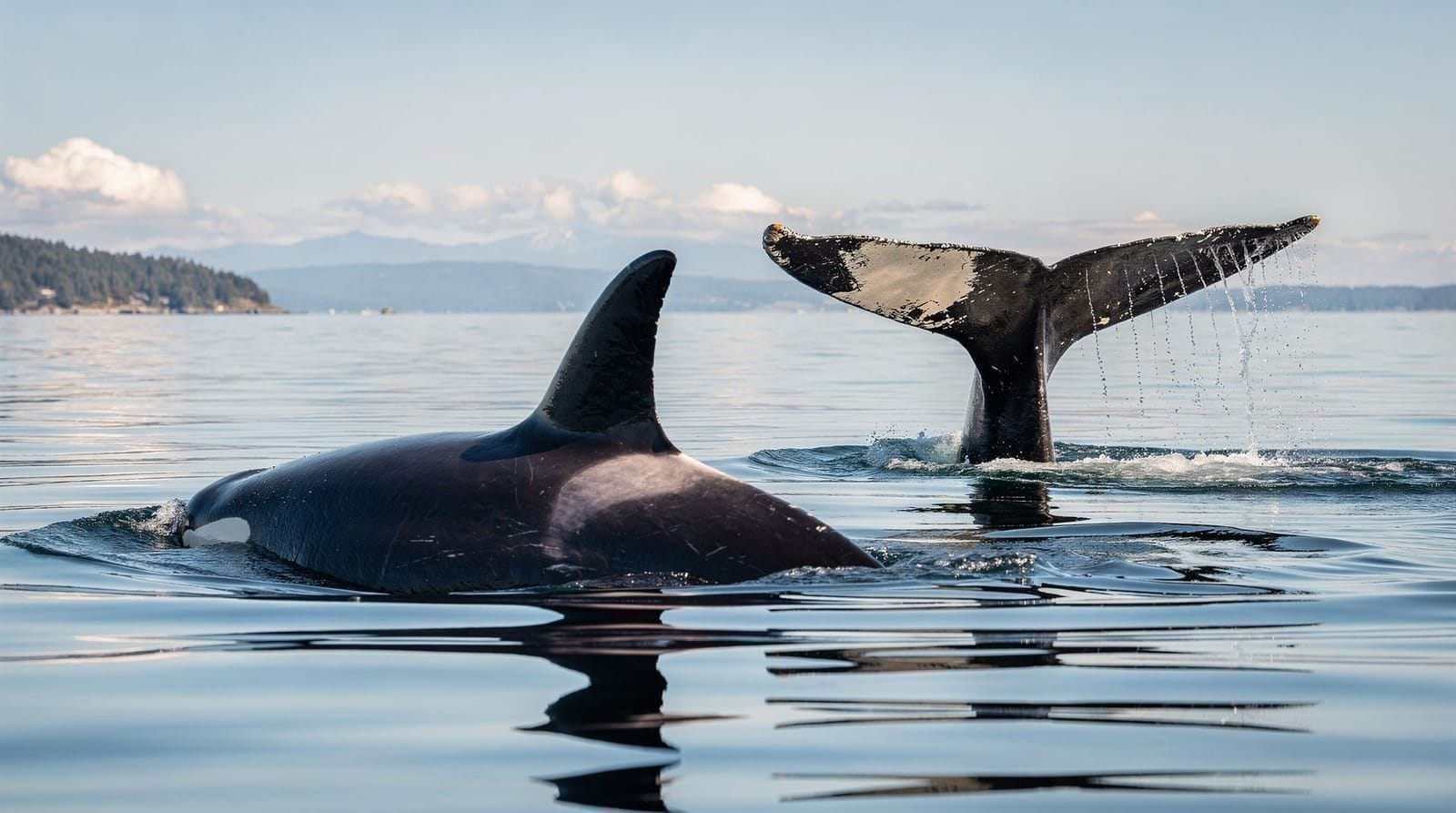
October overlaps with the tail end of BC’s whale watching season — humpback sightings peak from July through October, meaning a fall visit can combine foliage with a genuine chance at whale watching before the season winds down for winter. The orca versus humpback season guide breaks down exactly which species is most likely at which point in the fall calendar, which is worth checking before booking a tour this late in the season, since October is close to the tail end of the reliable window.
A half-day whale watching tour from Vancouver is the more convenient departure point for visitors combining foliage viewing in the city with a single wildlife excursion rather than adding a separate trip to Victoria.
What fall actually looks like weather-wise
September is close to summer in terms of weather reliability; October is where rain starts increasing meaningfully, and by late October, wet days outnumber dry ones. This matters for planning a foliage-focused visit specifically — colour peaks tend to land in the second half of October, right as the rain ramps up, which means packing for wet weather is non-negotiable rather than optional for this particular trip. A rain jacket and waterproof footwear matter more for a fall colours visit than for almost any other seasonal trip to the region, since the best viewing often happens on exactly the kind of overcast, damp day the city is known for.
Timing a visit around peak colour
Peak colour in Vancouver’s city parks typically lands in the second half of October, with variation year to year depending on how mild or cool the preceding weeks were — a cooler September tends to trigger earlier colour change, while a warm, dry fall can push peak into early November in milder years. There’s no single “cherry blossom festival”-style official date to track, unlike the city’s well-publicized spring bloom; checking recent photos from Queen Elizabeth Park or VanDusen in the two weeks before a planned visit is a more reliable indicator than any fixed calendar date.
Photography tips specific to Vancouver’s fall light
Overcast skies, which dominate fall weather here, actually help colour photography more than they hurt it — diffused light avoids the harsh highlights and blown-out contrast that direct sun creates against bright foliage, and the muted grey backdrop makes reds and yellows read more vividly in photos than the same colours would under a bright blue sky. Early morning, right after sunrise, tends to bring the stillest air and the least foot traffic through Queen Elizabeth Park and VanDusen, both useful for photography without other visitors constantly in frame. A polarizing filter helps cut glare on wet leaves and pathways, which is a near-constant condition through a Vancouver October.
Fall festivals and events worth timing around
The Vancouver International Film Festival runs through late September and October, adding an indoor cultural option for the inevitable rainy days that punctuate a fall visit. Local farmers markets shift toward harvest produce — squash, apples, late-season berries — through October, and several run later into the fall than visitors expect before switching to a reduced winter schedule. None of these are foliage-specific, but they round out a shoulder-season visit built partly around fall colours into something with more to do on the days when rain makes an outdoor colour-viewing walk less appealing.
What to pack for a fall colours trip
Beyond the rain jacket and waterproof shoes already mentioned, layering matters more in fall than in Vancouver’s other seasons — mornings can start close to 8°C (46°F) and climb into the mid-teens by afternoon, with wind off the water dropping the perceived temperature further at any of the waterfront viewpoints. A lightweight, packable rain shell over a fleece or wool layer handles the range better than a single heavy coat, since layers can come off during a sunny afternoon break in the clouds, which does happen even in a wet October.
Combining fall colours with the rest of an October trip
A fall visit built around Vancouver’s shoulder season works well beyond foliage alone — accommodation prices drop from summer peaks, major attractions are noticeably less crowded, and the whale watching season overlap adds a genuine wildlife dimension most visitors don’t associate with October. Treating fall colours as one component of a broader shoulder-season visit, rather than the sole reason for the trip, produces a better-balanced itinerary than building an entire visit around a foliage display that, while real, is genuinely more modest than what’s available in destinations purpose-built around autumn tourism.
Comparing Vancouver’s fall to better-known foliage destinations
Visitors arriving with expectations set by New England, Quebec, or Japan’s autumn tourism industries should recalibrate before landing — Vancouver’s coastal climate and evergreen-dominated forest cover mean the display here is concentrated in specific planted locations rather than blanketing entire mountainsides in colour. That’s not a criticism of the city so much as a different kind of landscape entirely; the payoff for accepting this is a fall visit that combines modest, genuine foliage with mild temperatures, whale watching, and thinning crowds that most dedicated foliage destinations, running colder and busier in October, simply don’t offer at the same time.
The practical advice for anyone weighing whether to build a trip specifically around Vancouver’s fall colours: don’t. Build the trip around the shoulder-season advantages — quieter attractions, lower prices, and the whale watching overlap — and treat the foliage in Queen Elizabeth Park, VanDusen, and Stanley Park’s interior trails as a genuine bonus layered on top, which is closer to how the display actually functions within a visit rather than as its own standalone reason to travel.
Frequently asked questions about Vancouver’s fall colours
When exactly does fall colour peak in Vancouver?
Typically the second half of October, though a cooler September can trigger earlier colour change and a warm, dry fall can push peak into early November. There’s no official festival date to track; checking recent photos from Queen Elizabeth Park or VanDusen in the two weeks before a visit is more reliable than a fixed calendar guess.
Is Vancouver’s fall foliage worth a dedicated trip?
Not on its own — it’s genuinely good but concentrated in specific planted locations rather than blanketing the region the way New England or Quebec’s autumn does. It’s best treated as a bonus layered onto a shoulder-season visit built around lower prices, thinner crowds, and the tail end of whale watching season.
Do I need a car to see Vancouver’s fall colours?
No for the city’s best spots — Queen Elizabeth Park, VanDusen, and Stanley Park are all reachable by transit. A car (or a tour) becomes useful only for extending the trip toward Squamish and the Sea-to-Sky corridor’s higher-elevation deciduous colour.