Best hikes near Vancouver
Grouse Mountain Skyride Admission Ticket
What is the best hike near Vancouver?
For fitness and bragging rights, the Grouse Grind is the classic choice, though it's a brutal 850-metre stair climb, not a scenic stroll. For a gentler, genuinely enjoyable outing, Lynn Canyon or Quarry Rock in Deep Cove offer better value for less effort.
Vancouver’s reputation as a hiking city is mostly earned by geography rather than trail quality — the North Shore mountains rise straight out of a metro area of 2.6 million people, so genuine forest and alpine terrain sits 20 to 40 minutes from downtown instead of the two-hour drive most cities require. That proximity is the real draw. The trails themselves range from a punishing stair climb that locals treat as a fitness test to gentle rainforest loops that any reasonably fit visitor can manage in sneakers.
This list ranks the options by what they actually deliver, not by how often they show up on Instagram. A few of the “best” hikes near Vancouver are honestly overrated for the crowds and parking hassle involved; a few of the quieter ones are underrated because they don’t photograph as dramatically as a suspension bridge.
| Closest option | North Shore trails, 20-40 min from downtown |
| Free options | Lynn Canyon, Lighthouse Park, Pacific Spirit Park, Seawall |
| Paid options | Grouse Grind (Skyride down), Capilano |
| Full-day options | Joffre Lakes, Garibaldi Lake (car required) |
| Best time | Weekday mornings before 9am for the popular trails |
Quick comparison of distance and difficulty
Before picking a trail, it helps to see the options side by side rather than reading seven separate write-ups and trying to remember which is which.
| Trail | Distance | Elevation gain | Difficulty | Time needed |
|---|---|---|---|---|
| Grouse Grind | 2.9 km one-way | ~850 m | Hard | 1–1.5 hrs up |
| Lynn Canyon (Twin Falls Loop) | ~3 km loop | Minimal | Easy–moderate | 45 min–1 hr |
| Quarry Rock | 3.8 km round trip | ~100 m | Moderate | 1.5–2 hrs |
| Lighthouse Park | Up to 6 km of trails | Minimal | Easy | 1–2 hrs |
| Pacific Spirit Park | Flexible, 70+ km network | Minimal | Easy | 1–3 hrs |
| Stanley Park Seawall | 8.8 km loop | None | Easy | 2–2.5 hrs walking |
| Joffre Lakes | ~10 km round trip | ~370 m | Moderate–hard | 4–6 hrs |
| Garibaldi Lake | ~18 km round trip | ~820 m | Hard | 6–8 hrs |
Grouse Grind: the one everyone asks about
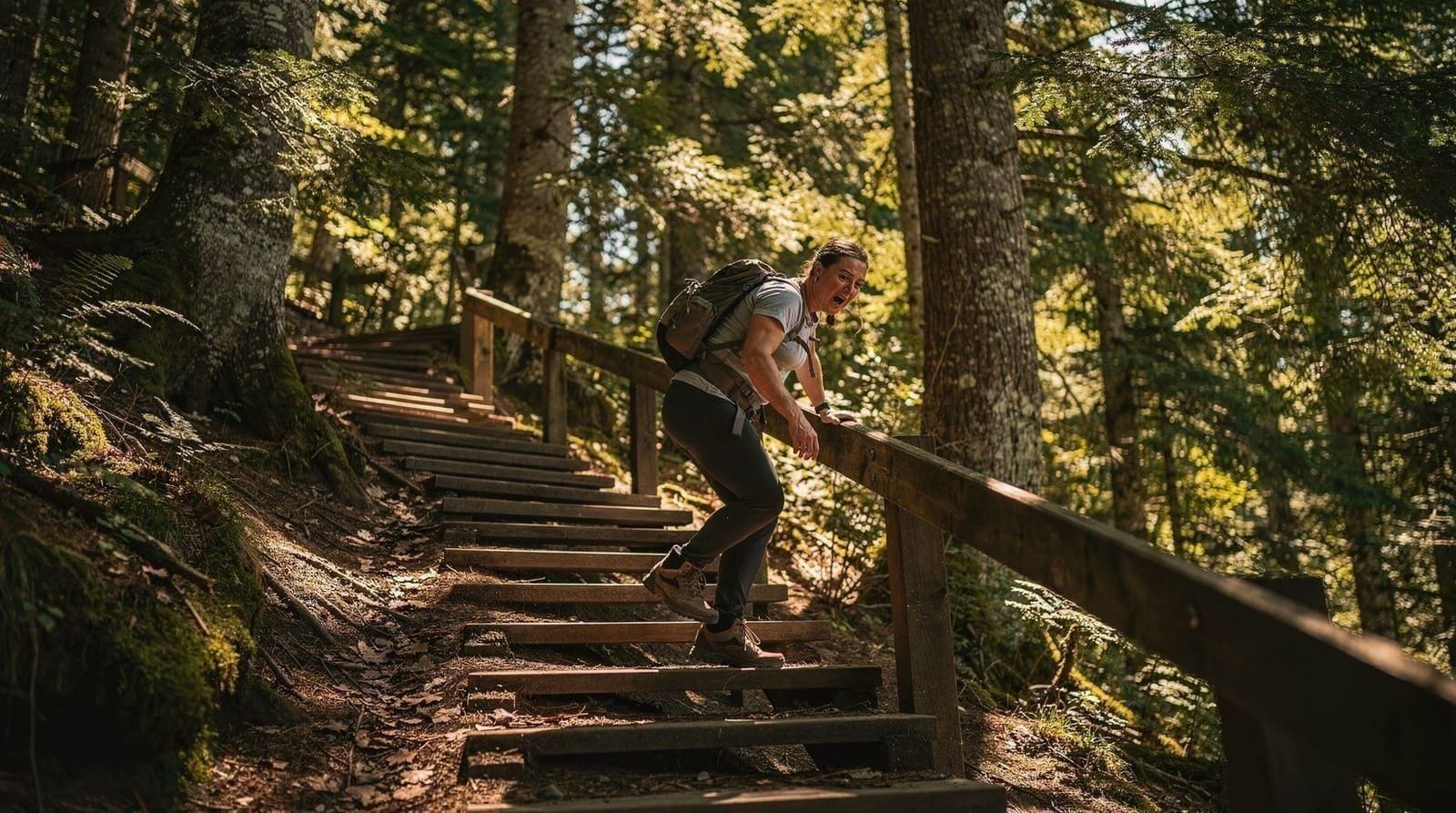
The Grouse Grind is a 2.9-kilometre trail on Grouse Mountain that climbs roughly 850 metres in elevation, almost entirely via stairs and root-covered steps cut into the mountainside. Locals call it “Mother Nature’s Stairmaster,” and the nickname undersells how relentless it is — there’s no meaningful flat stretch to recover on for the entire climb. Fit, regular hikers finish in 45 minutes to an hour; first-timers should expect 1 to 1.5 hours and sore legs the next day.
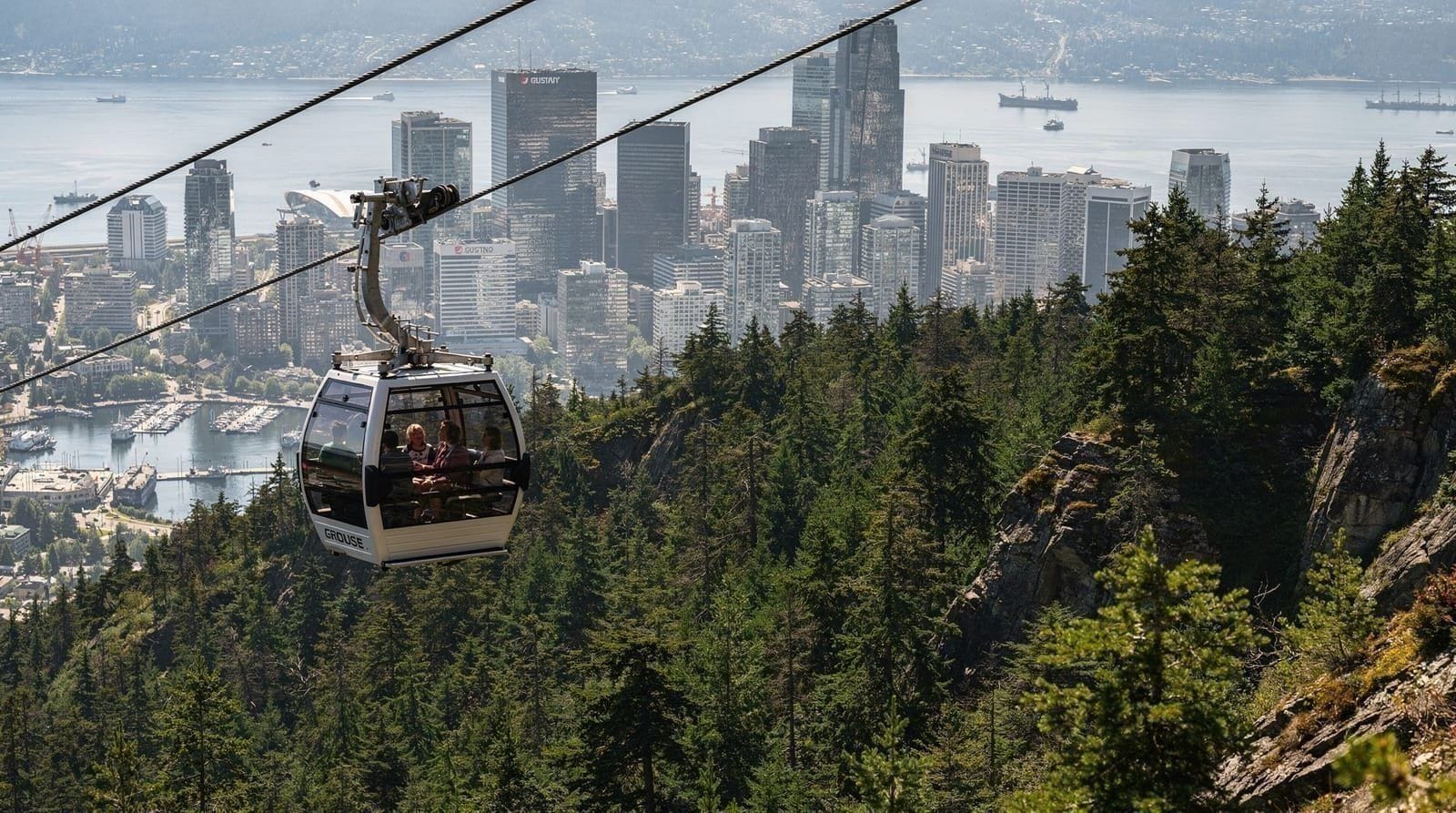
It’s free to hike, which is part of the appeal, but it’s a one-way trail — climbing down is discouraged and genuinely hazardous in wet conditions, so most hikers pay for the Skyride gondola down, or take the adjacent BCMC Trail if they want to avoid the fee entirely. A Grouse Mountain admission ticket covers the Skyride descent plus access to the summit’s wildlife refuge and viewpoints, which makes the climb feel more worthwhile than just a stairmaster with a parking lot at each end. Full details, timing, and season closures are in the dedicated Grouse Grind guide.
The trail typically closes from late fall through spring due to snow and ice — attempting it outside summer without checking conditions first is a genuine safety risk, not just an inconvenience. Locals sometimes track their times with a phone app and treat repeat climbs as a training routine through summer; visitors doing it once should not feel obligated to match those numbers, and slower, steadier pacing beats sprinting and burning out a third of the way up.
Lynn Canyon: the free alternative worth taking seriously
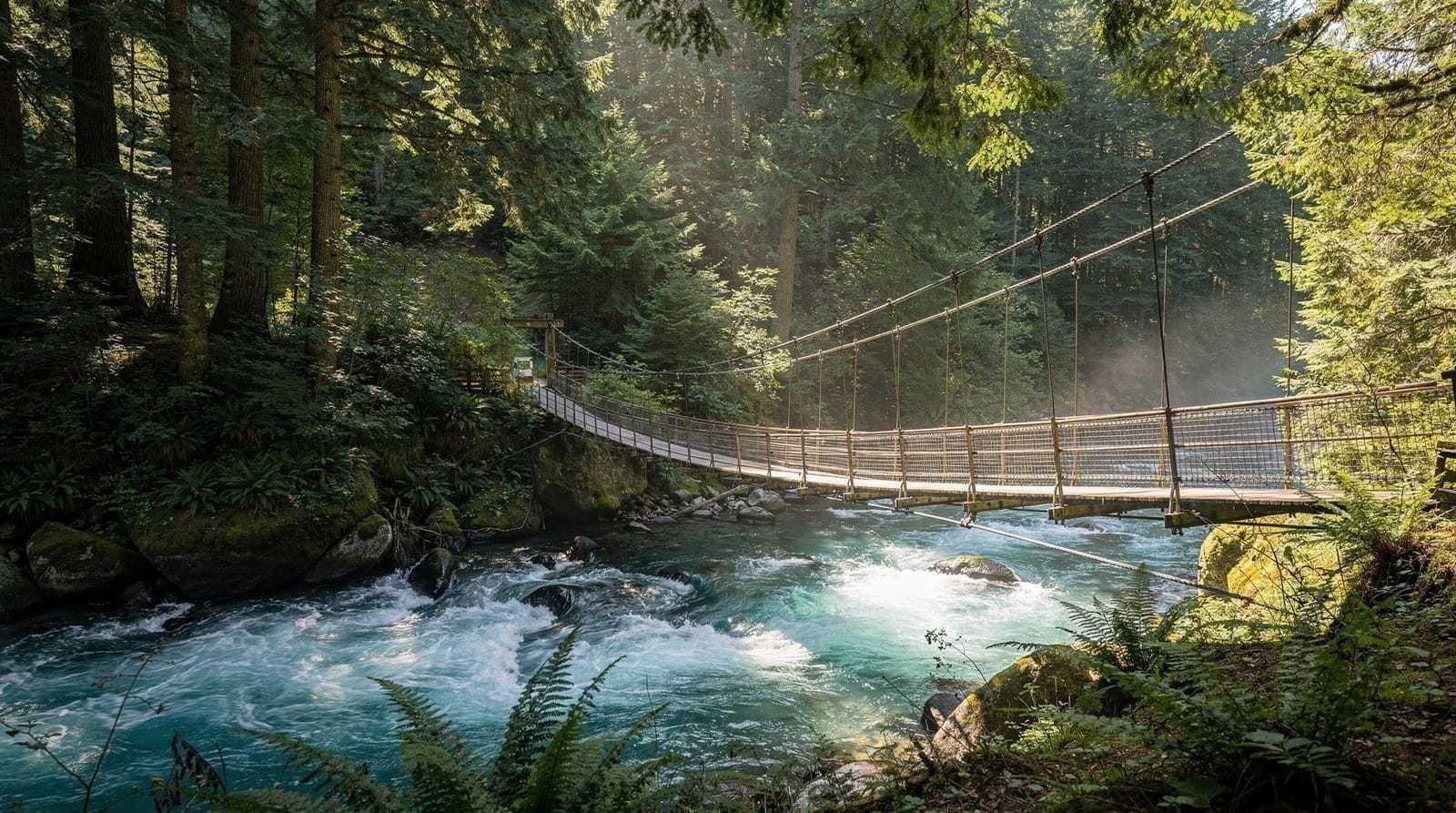
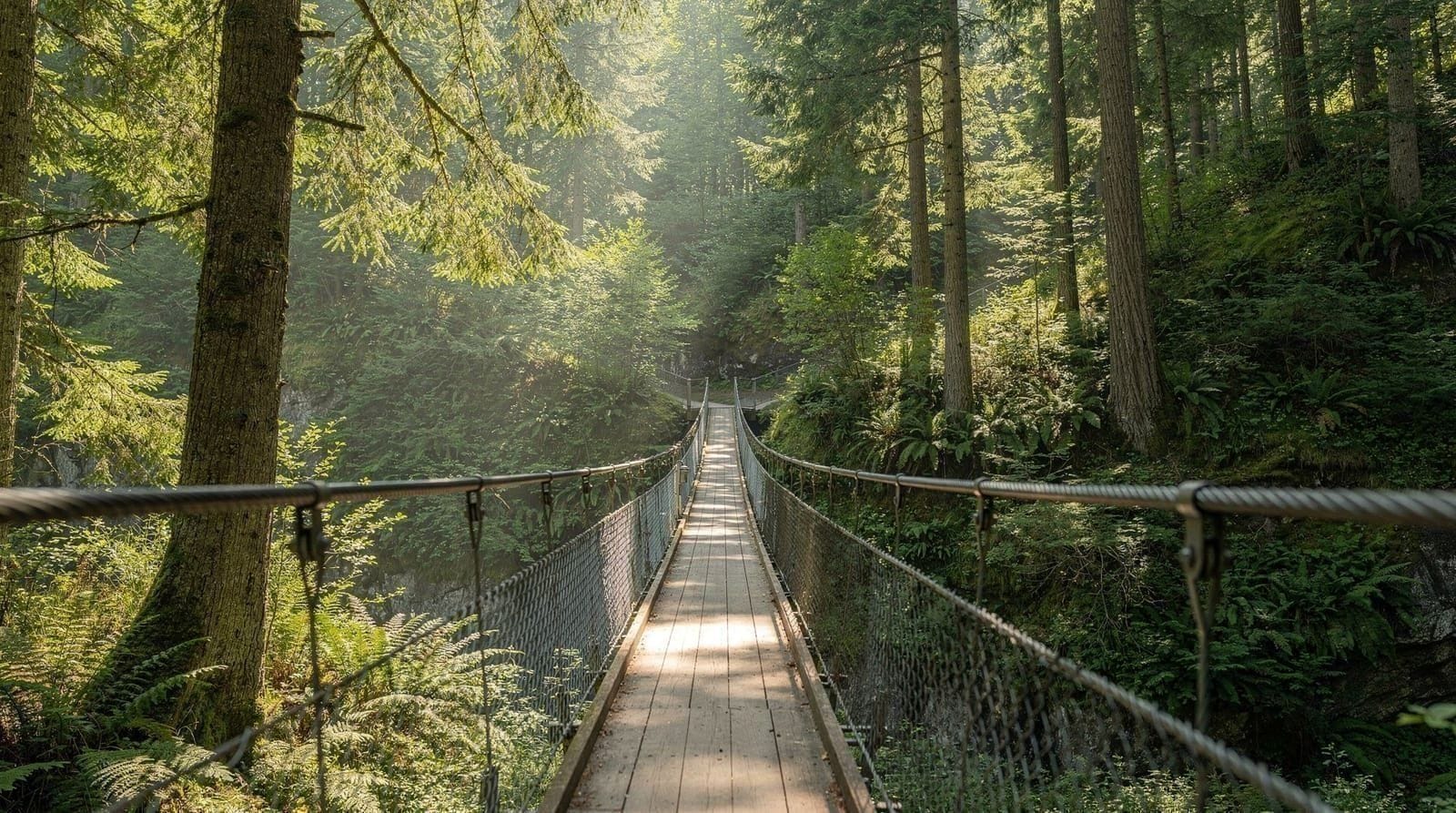
Lynn Canyon gets compared constantly to Capilano because it also has a suspension bridge over a canyon, but treating it as a lesser Capilano misses the point — it’s a different kind of outing. There’s no admission fee, the bridge is smaller and less engineered for spectacle, and the appeal is a genuine rainforest walk rather than a curated attraction. The Twin Falls Loop is the standard route, roughly an hour of easy-to-moderate walking, with a swimming hole (the 30 Foot Pool) that’s popular with locals on hot summer days.
It connects to the Baden Powell Trail, so hikers wanting more distance can extend well beyond the main loop. The Lynn Canyon guide and the direct Capilano vs Lynn Canyon comparison both go deeper on when the free option beats the paid one — and it genuinely does, for a lot of visitors.
Quarry Rock: short, busy, and worth the crowd if you time it right
The hike to Quarry Rock from Deep Cove is about 3.8 km round trip on the Baden-Powell Trail, gaining modest elevation to a rock outcrop with views over Indian Arm. It’s genuinely one of the better viewpoint-to-effort ratios near Vancouver, which is exactly why it’s become a bottleneck on weekends — the trail can feel more like a queue than a hike by midday, and Deep Cove’s village parking fills fast. Weekday mornings or early starts are the way to actually enjoy it. Full logistics are in the Quarry Rock guide.
Lighthouse Park: underrated old-growth without the crowds
Lighthouse Park in West Vancouver doesn’t get the visitor numbers of Lynn Canyon or Quarry Rock, and that’s arguably its main selling point. It’s genuine old-growth coastal forest with a network of easy trails leading to rocky shoreline and the Point Atkinson Lighthouse, with views out to the Strait of Georgia. It’s flat to gently rolling rather than a workout, making it a solid choice for anyone who wants forest and ocean without stairs. Details on trail options are in the Lighthouse Park guide.
Pacific Spirit Park: the everyday option
Pacific Spirit Park, wrapped around the University of British Columbia on the western edge of the city, is less a destination hike than a genuinely large network of forest trails that locals use the way other cities use a neighbourhood park. It’s flat, extensive (over 70 km of trails), and rarely crowded outside its busiest access points. It’s not going to be the highlight of a short trip, but for anyone staying nearby or wanting a forest walk without a North Shore drive, it’s worth knowing about — see the Pacific Spirit Park guide for entry points.
Stanley Park Seawall: not a hike, but it belongs on this list
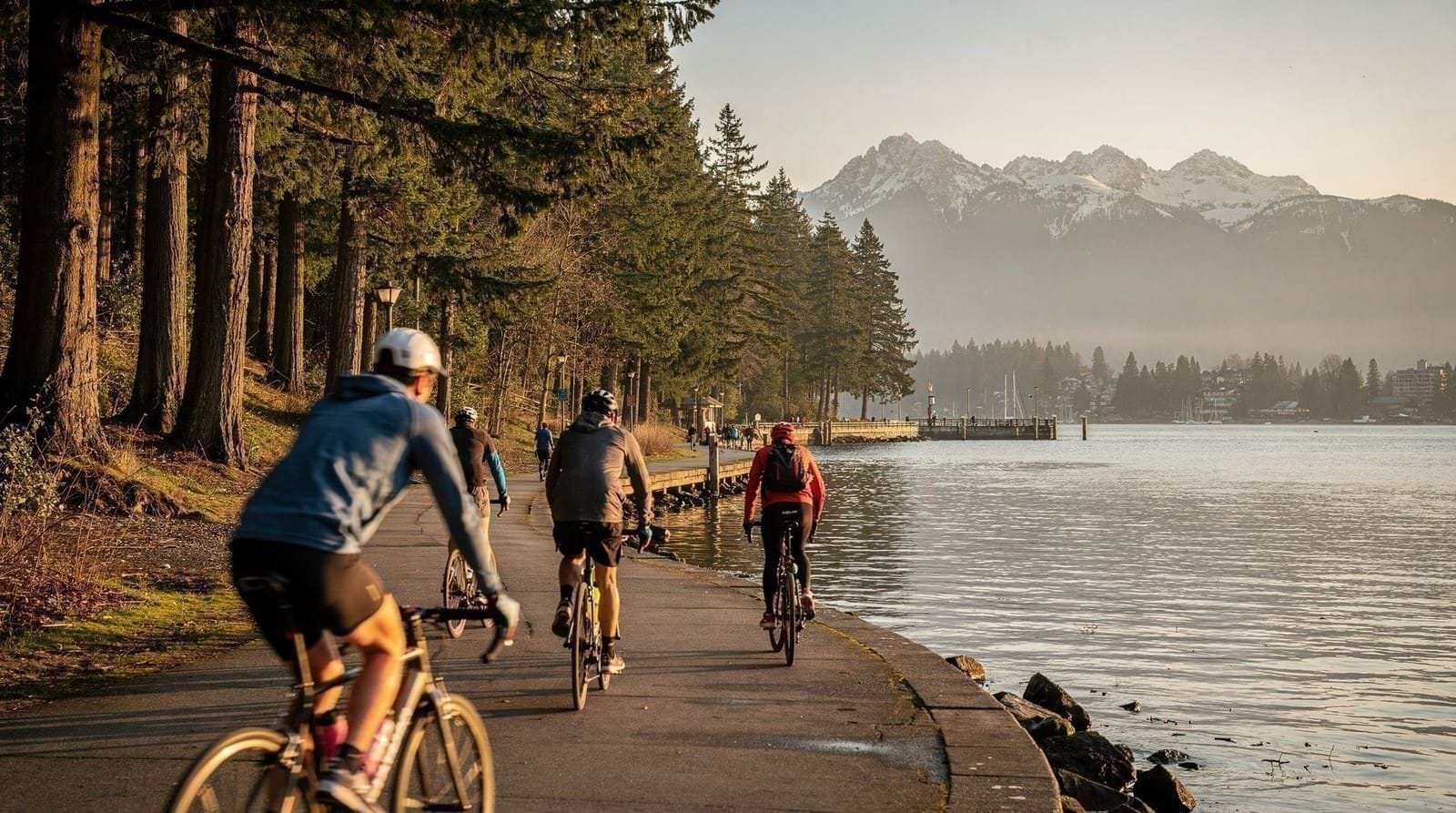
The Stanley Park Seawall is an 8.8-kilometre paved loop, not a hiking trail, but plenty of visitors treat it as their main outdoor activity in the city and it deserves a mention here for that reason. It’s flat, scenic, and equally suited to walking or cycling, with stops at Prospect Point, Siwash Rock, and several beaches along the way. If the North Shore trails sound like too much elevation for a given day, the seawall is the low-effort alternative that still delivers real views of the harbour and mountains.
Rainforest walks beyond the obvious three
Lynn Canyon, Quarry Rock, and Lighthouse Park cover most of what visitors ask for, but the North Shore has a broader network of shorter rainforest walks worth knowing about if those three feel too crowded on a given day — see the rainforest walks guide for a rundown of quieter alternatives.
Cypress and Seymour: the North Shore mountains people forget
Grouse Mountain gets most of the attention, but it’s one of three North Shore peaks with maintained trail and viewpoint access. Cypress Mountain has its own network of hiking trails and a viewpoint that gets a fraction of Grouse’s foot traffic, covered in the Cypress lookout guide.
Mount Seymour is the third and, for hikers who’ve already done the Grind and want something with more genuine backcountry feel and fewer other people on the trail, arguably the most rewarding of the three. The Grouse vs Cypress vs Seymour comparison breaks down which suits which kind of visitor rather than assuming Grouse is automatically the right call just because it’s the most famous.
Joffre Lakes and Garibaldi Lake: worth it, but only with a car and a full day
For visitors with a rental car and a full day to spare, Joffre Lakes and Garibaldi Lake are the two alpine hikes most likely to actually match the turquoise-lake photos that circulate online — and unlike most “Instagram trail” claims, these largely deliver. Both sit roughly 2 to 2.5 hours north of Vancouver on Highway 99, past Squamish and, in Joffre’s case, near Pemberton.
They’re summer-only trails in any practical sense — snow can linger into July at higher elevations, and both are effectively inaccessible in winter without mountaineering gear. Joffre Lakes requires a paid day-use pass reservation during peak season (roughly June through September) because of chronic overcrowding, and the lower parking lot fills before 7am on summer weekends; arriving late means a long roadside walk before the trailhead even starts. Garibaldi Lake, accessed from Rubble Creek near Squamish, is a longer and more strenuous full-day commitment, but rewards it with a genuinely large alpine lake and glacier views without Joffre’s reservation system.
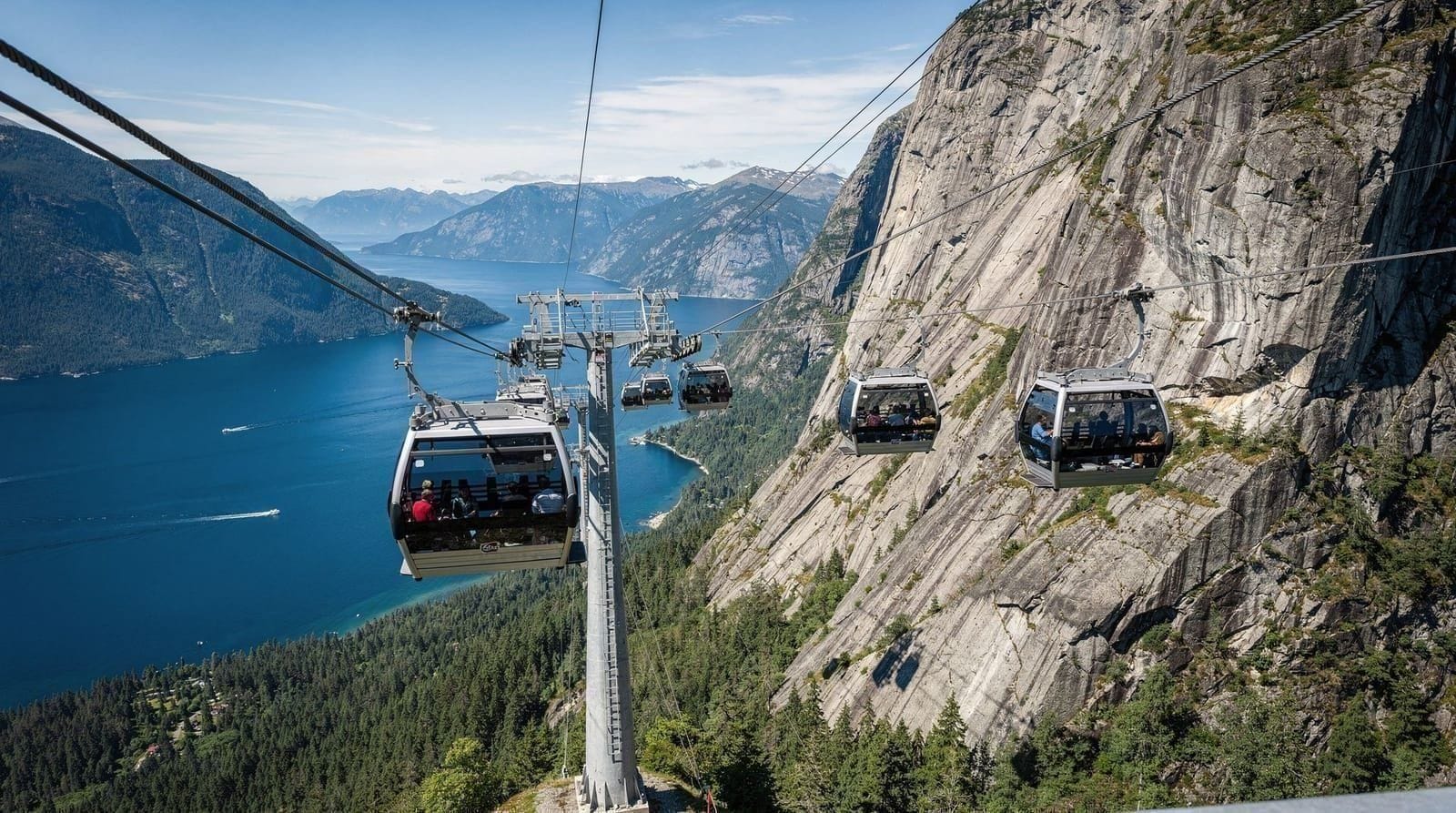
Neither is a casual add-on to a Vancouver city day — treat them as their own day trip, ideally combined with a stop at the Sea to Sky Gondola in Squamish on the way up or down, since it sits directly on the route. Anyone extending the trip further north to Whistler in summer can treat Joffre or Garibaldi as a stopover en route rather than a separate return drive from Vancouver.
What to bring regardless of which trail
Weather on the North Shore mountains and the Sea-to-Sky corridor changes faster than downtown conditions suggest, and a clear, warm morning in Vancouver doesn’t guarantee the same at 1,000 metres. Layers matter more than any single piece of gear — a light waterproof shell earns its space in a daypack more often than not, even in July. For the stair-heavy trails like the Grind, proper closed-toe shoes with real tread make a noticeable difference in both pace and safety; sandals and worn-out sneakers are a common cause of slips on wet root sections. Water is worth carrying on every trail on this list, including the shorter ones — there’s no reliable potable water source on the Grind, Quarry Rock, or the Lynn Canyon loops.
For the longer alpine hikes, Joffre Lakes and Garibaldi Lake in particular, treat them like genuine backcountry days: enough food and water for the full round trip, a charged phone, and a realistic turnaround time rather than pushing to finish a trail as darkness approaches.
Guided versus independent hiking
Most of the trails on this list don’t require a guide — trailheads are well marked, cell coverage is reasonable on the popular routes, and the North Shore trail network sees enough daily foot traffic that getting seriously lost is unlikely if basic trail sense is applied. That said, visitors without a car, without hiking experience, or short on time sometimes prefer a structured option.
A guided bike-and-hike tour covers North Shore terrain with transport and a local guide included, removing the need to figure out bus routes or trailhead parking independently. It won’t suit hikers who want to set their own pace, but it solves the two most common first-time-visitor problems: getting there, and knowing what they’re looking at once they arrive.
Choosing based on what you actually want
If the goal is a fitness challenge and a story to tell, the Grouse Grind delivers, though it’s genuinely unpleasant for anyone not already reasonably fit — factor in a Sea to Sky Gondola ticket instead if a cable car ride to alpine views sounds more appealing than an hour of stairs. If the goal is a relaxed forest walk with a swimming hole, Lynn Canyon wins on value since it costs nothing. If the goal is the best view-to-effort ratio in a short window, Quarry Rock is hard to beat, crowds aside. And if there’s a car and a full day available, Joffre Lakes or Garibaldi Lake will outclass anything closer to the city, at the cost of a real time commitment.
For visitors wanting to combine a hike with a canopy-walk attraction on the same North Shore day, a Capilano Suspension Bridge ticket pairs naturally with a nearby trail — Lynn Canyon and Capilano sit close enough together to fit both into one outing without excessive driving. See the direct Capilano vs Lynn Canyon comparison if deciding between the paid attraction and the free trail is the main question.
Avoiding the worst of the crowds
Every trail on this list gets busier on weekends than weekdays, and busier from roughly 11am to 3pm than at the edges of the day, but the degree varies a lot. The Grouse Grind and Quarry Rock are the two most consistently crowded, since both combine short distance, an obvious payoff, and heavy social media exposure — arriving before 9am, or hiking on a weekday, makes a genuine difference on both. Lynn Canyon spreads visitors out more across its trail network, so crowding concentrates mainly at the bridge and swimming holes rather than the whole park.
Lighthouse Park and Pacific Spirit Park rarely feel crowded even on busy weekends, simply because fewer visitors know about them relative to their size. Joffre Lakes has its own distinct crowd problem tied to limited parking and a reservation system rather than trail congestion itself — arriving at the exact start of the reservation window is the only reliable way to avoid a long walk from an overflow lot.
Booking ahead versus showing up
For the paid attractions on this list — Grouse Mountain’s Skyride, the Sea to Sky Gondola, Capilano — booking tickets online in advance is worth doing even without a fixed itinerary, since it skips the walk-up ticket line that builds through the day and, on the Grouse Grind route specifically, means the Skyride descent ticket is already sorted before starting the climb.
The free trails don’t have anything to book, which is part of their appeal for visitors who prefer to decide same-day based on weather. Joffre Lakes is the exception among the free-to-hike options — its day-use pass system during peak season functions like a booking requirement even though the trail itself costs nothing, and skipping that step means risking turnaround at the trailhead.
Realistic time budgets
Most of these hikes fit into a half day, leaving room for one more activity: the Grouse Grind plus Skyride descent runs 2 to 3 hours total including waiting for the tram; Lynn Canyon’s main loop is under 2 hours; Quarry Rock is roughly 2 hours round trip including a break at the viewpoint; Lighthouse Park and Pacific Spirit Park are flexible depending on how much of the trail network gets covered. Joffre Lakes and Garibaldi Lake are full-day commitments once driving time is included — budget 8 to 10 hours door to door from downtown Vancouver, and start early enough that a delayed return doesn’t mean finishing the drive back in the dark on an unfamiliar mountain highway.
Parking realities on the North Shore
Parking, more than trail difficulty, is the practical bottleneck on Vancouver’s busiest hikes. Deep Cove’s small village lots for Quarry Rock fill by mid-morning on any nice weekend, and street parking beyond the lots is limited and increasingly enforced; taking transit or arriving before 8am are the two realistic workarounds.
Grouse Mountain and Capilano both have larger paid lots that rarely fill completely, but the walk-up ticket queue at both attractions builds faster than the parking does, so arriving early still matters more for the line than the lot. Joffre Lakes has the least forgiving parking situation of any hike on this list — the small lower lot fills before 7am on summer weekends, and overflow means a genuinely long roadside walk before the trailhead itself, a detail that catches out visitors who assume “arrive by 9am” is early enough.
Weather-dependent trail closures
North Shore trails occasionally close temporarily for reasons beyond the standard winter snow closure — heavy rainfall can trigger mudslide risk closures on steeper sections, and high wildfire-risk summers sometimes bring temporary closures to reduce ignition risk from hikers in dry forest. Checking BC Parks or Metro Vancouver’s trail status pages the morning of a hike, rather than assuming a trail listed as open in this guide is open on any given day, is worth the two minutes it takes, particularly for a trip built around a single specific trail with no easy backup plan.
Combining a hike with a Sea-to-Sky day
Visitors driving north toward Squamish or Whistler can treat a North Shore hike as a warm-up rather than a separate day, since Highway 99 north passes directly by several trailheads before continuing toward the Sea to Sky Gondola and beyond. A short Lynn Canyon or Quarry Rock outing in the morning before continuing north to Squamish fits naturally into a longer Sea-to-Sky day trip, though the reverse — trying to add a North Shore hike after a full Whistler day — usually doesn’t work given how late that typically returns to the city.
Frequently asked questions — Best hikes near Vancouver
Do I need a car to hike near Vancouver?
Not for the North Shore trails — Grouse Grind, Lynn Canyon, and Quarry Rock are all reachable by public transit from downtown. Lighthouse Park and Pacific Spirit Park are easiest with a car but manageable by bus. Joffre Lakes and Garibaldi Lake effectively require a car, since they're 2 to 2.5 hours north on Highway 99.What is the easiest hike near Vancouver?
Pacific Spirit Park and the Stanley Park Seawall are the gentlest options — flat or near-flat, well-marked, and forgiving for any fitness level. Lynn Canyon's main loop is also easy, though side trails add elevation if you want more of a workout.What is the hardest hike near Vancouver?
Among the trails covered here, the Grouse Grind is by far the toughest close to the city — 2.9 km with 850 m of elevation gain almost entirely on stairs. Joffre Lakes and Garibaldi Lake are longer and more remote, but their grades are more forgiving once you factor in the drive and altitude.When do North Shore trails close for the season?
The Grouse Grind typically closes from late fall through spring due to snow and ice, reopening once the trail dries out, usually by late May or June depending on the winter. Lynn Canyon, Quarry Rock, Lighthouse Park, and Pacific Spirit Park stay open year-round, though winter conditions can make sections muddy or icy after rain and cold snaps.Are Joffre Lakes and Garibaldi Lake worth the drive from Vancouver?
Yes, if you have a full day and a car — both are among the most scenic alpine hikes in the region. But they're summer-only trails (roughly July through September for full snow-free access), Joffre Lakes requires a paid day-pass reservation in peak season, and both parking lots fill by mid-morning on weekends.Can beginners do the Grouse Grind?
Technically yes, but it's not a beginner-friendly trail. Expect 1 to 1.5 hours of continuous stair climbing for an average hiker, no flat sections to recover on, and real risk of overheating or knee strain if you're not used to sustained cardio. First-timers are often surprised by how relentless it is.What should I do if a trailhead parking lot is full?
Quarry Rock at Deep Cove and Joffre Lakes are the two most likely to fill — Deep Cove's village has limited paid lots and street parking as a backup, while Joffre's overflow means a long roadside walk before the trail even starts. For both, arriving before 8am on weekends is the reliable fix; transit is a better bet than driving for Deep Cove specifically.Are there guided hiking tours near Vancouver for visitors without gear or experience?
Yes — a guided bike-and-hike tour covers North Shore terrain with transport and a local guide included, which suits visitors without a car or hiking experience who still want to get onto the trails rather than just view the mountains from downtown.
Top experiences
Bookable activities with verified prices and instant confirmation on GetYourGuide.