Where to actually see bears in British Columbia
Bears don’t wander into Vancouver proper — the city itself is genuinely safe on this front, and the market’s own safety data backs that up: bears are rare in the city, with real sighting territory limited to backcountry areas like Garibaldi and the Coast Mountains. But BC as a whole has some of the best grizzly bear viewing on the continent, and it’s worth being clear about where that actually happens, because “bear viewing near Vancouver” produces a lot of misleading search results mixing genuine wilderness tours with much smaller-scale in-city habitat visits.
| Closest option | Grouse Mountain (captive, 20-30 min from downtown) |
| Real wild grizzlies | Campbell River, Bute/Toba Inlet (full day trip, flight or ferry) |
| Closer wild option | Whistler black bear tours (not grizzly) |
| Best season | August-October (salmon runs) for grizzlies; May-September for Whistler black bears |
| Cost | Full-day Campbell River tour is the biggest single spend of the options here |
Grouse Mountain: captive, not wild
Grouse Mountain, a 20-30 minute drive from downtown, is home to Grinder and Coola, two resident grizzly bears in a large forested habitat as part of the mountain’s Refuge for Endangered Wildlife. This is the closest “bear experience” to the city, and it’s worth being upfront that it’s a wildlife refuge visit, not a wild sighting — the bears were orphaned as cubs and can’t be released, and the habitat, while spacious, is enclosed. For families or visitors without the time or budget for a genuine wilderness tour, it’s a reasonable way to see grizzlies up close with guaranteed sightings, but it shouldn’t be confused with the wild bear-viewing experiences described below.
Campbell River: the real wild grizzly hub
Campbell River, on Vancouver Island roughly midway up its length, is BC’s most accessible base for genuine wild grizzly bear viewing, largely thanks to its proximity to Bute Inlet and Toba Inlet, where grizzlies congregate to feed on salmon runs. A Campbell River grizzly bear watching tour typically runs as a full-day boat excursion into these inlets, and sighting rates during peak salmon-run season are genuinely strong, though never guaranteed — these are wild animals in a remote environment, not a scheduled encounter.
For a more immersive version, a full-day grizzly bear tour with lunch extends the time in bear territory, improving realistic odds over a shorter excursion. Campbell River is a genuine trek from Vancouver — it requires either a flight, a lengthy drive combined with a BC Ferries crossing, or a multi-leg journey via Vancouver Island — so this isn’t a Vancouver day trip in any practical sense. It fits best into a longer Vancouver Island itinerary, like the 7-day Vancouver Island trip, or as a dedicated 2-3 day add-on for travelers specifically prioritizing wildlife.
Whistler: bears closer to a Vancouver-based trip
For visitors who want a realistic bear-viewing chance without committing to a full Vancouver Island detour, Whistler offers black bear viewing (not grizzly) that’s genuinely more accessible from a Vancouver base.
A Whistler bear viewing scenic tour, typically run in late afternoon or evening during peak summer months when bears are most active foraging on mountainside vegetation, is a reasonable single-day option that fits into a broader Whistler day trip or the Vancouver-Whistler 5-day itinerary. Sighting rates during peak season (roughly June through September) are solid, since Whistler’s black bear population is well-established and the tours run seasonally optimized routes.
Worth being clear: this is black bear viewing, not grizzly. The two species differ meaningfully in size, temperament, and habitat, and the marketing across BC tourism doesn’t always distinguish them clearly for visitors unfamiliar with the difference.
Seasonal timing matters more than location
Grizzly bear viewing in the Campbell River area, like most BC bear tourism, is heavily tied to salmon runs, which peak in late summer through fall — roughly August through October, depending on the specific run and inlet. Visiting outside this window drops sighting odds significantly, since bears are less concentrated near the water without the salmon drawing them in. Whistler’s black bear season runs more broadly across summer, roughly May through September, since it’s tied to general foraging behavior rather than a single salmon-run event.
Safety context worth knowing
Bears are genuinely rare in Vancouver proper, and the risk to typical city-based tourism is minimal. The real consideration is for anyone planning independent backcountry hiking in areas like Garibaldi Provincial Park or the Coast Mountains, where bear activity is a real, if still uncommon, possibility — carrying bear spray and storing food properly while camping are standard, sensible precautions rather than signs of elevated danger. For anyone doing a guided tour, whether at Grouse Mountain, Campbell River, or Whistler, the operators handle safety protocols directly, which is part of what makes a guided tour the more sensible option over a self-organized wild bear search.
Combining bear viewing with the rest of a trip
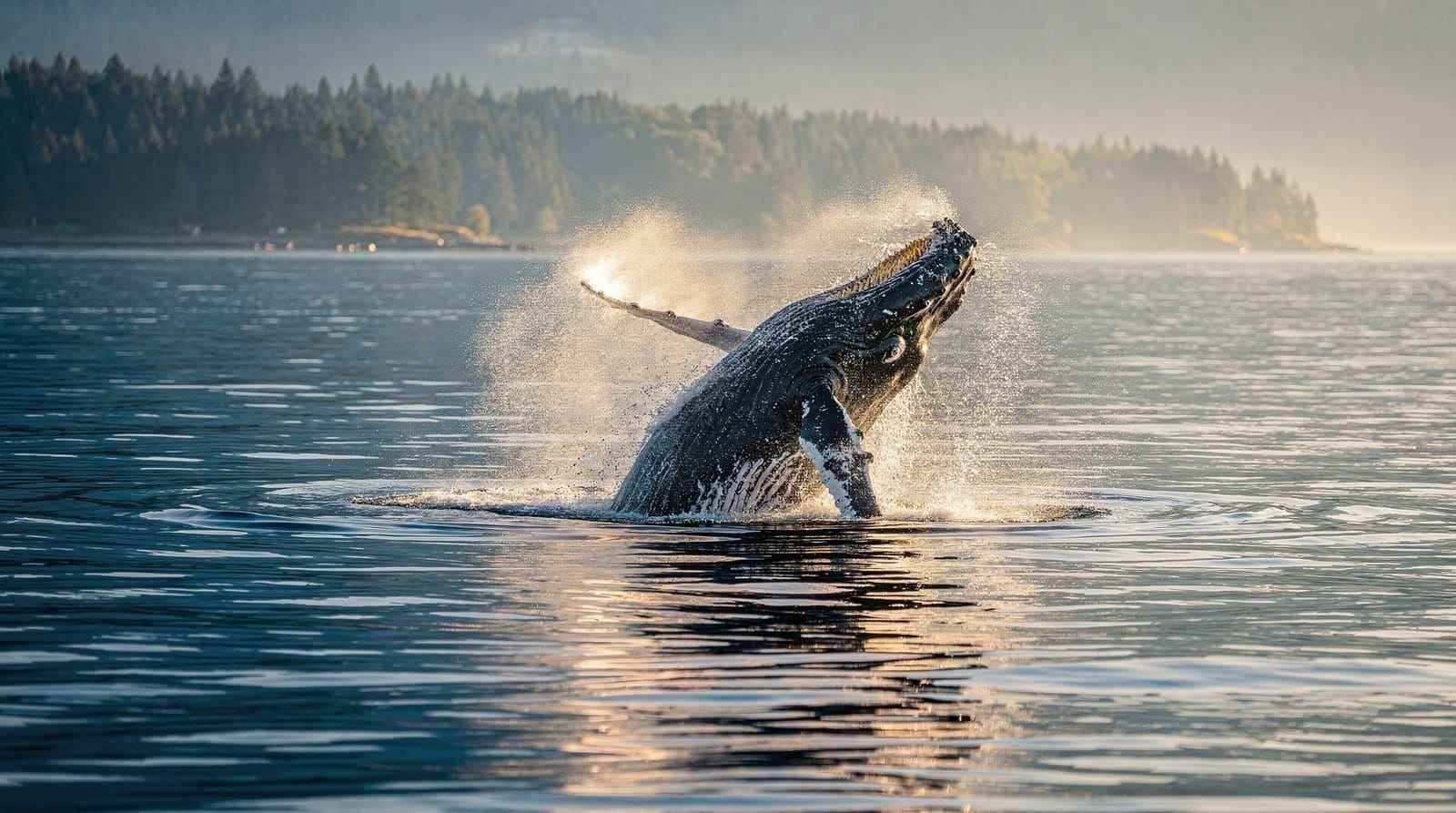
Bear viewing pairs naturally with BC’s other major wildlife draw — whale watching, which runs on a similar broad seasonal window (April through October) and is often bookable through the same regional operators in Campbell River and Telegraph Cove. Travelers building a dedicated Vancouver Island wildlife trip should read the grizzly bears near Campbell River guide for a deeper breakdown of tour operators and inlet options, and consider stacking a whale watching day alongside the bear tour rather than treating them as separate trips.
The honest bottom line
For a realistic, low-commitment bear encounter on a standard Vancouver trip that also works well for families with kids, Grouse Mountain’s resident grizzlies or a Whistler black bear evening tour are the practical options — genuine wildlife, accessible from a city base, with essentially guaranteed or high-probability sightings. For visitors who specifically want wild grizzly bears in their natural feeding habitat, Campbell River is worth the extra travel and cost, but it demands treating bear viewing as a primary trip goal rather than a Vancouver day-trip add-on, given the distance involved.
What a genuine grizzly bear tour actually involves
A typical Campbell River grizzly bear tour starts with a boat departure early in the morning, heading into Bute or Toba Inlet over roughly one to two hours of travel before reaching the estuary areas where bears congregate to fish. Guides generally maintain a respectful distance from the animals, viewing from the boat itself rather than a land-based approach, both for safety and to avoid disturbing natural feeding behavior. Lunch is typically included given the full-day length of these trips, and warm, layered clothing matters even in summer, since the inlets sit in a cooler microclimate than Campbell River itself.
Photography opportunities are genuinely strong on a good day, with bears sometimes visible at a distance that allows a decent shot with a mid-range zoom lens, though — as with whale watching — a longer lens improves results meaningfully given the distances involved and the operators’ commitment to not approaching too closely.
Comparing this to African safari-style wildlife viewing
Visitors with safari experience elsewhere sometimes arrive with mismatched expectations for BC bear viewing — this isn’t an open-vehicle, close-range experience, and sightings, while likely in season, aren’t guaranteed the way a well-run safari lodge with resident, habituated animals can sometimes offer. BC’s grizzly tours are viewing wild, non-habituated bears from the water, which produces a genuinely different, more unpredictable experience — often more rewarding for exactly that reason, but worth calibrating expectations around before booking a dedicated, costly full-day tour.
Choosing between the three main options
For visitors weighing all three bear-viewing options at once, the decision usually comes down to how much time and travel the trip can absorb. Grouse Mountain fits into any Vancouver day with no advance planning and guaranteed sightings, at the cost of it being a refuge rather than a wild encounter. Whistler’s black bear tours add roughly a day trip’s worth of travel from Vancouver and deliver a genuinely wild, if smaller, species with solid seasonal odds. Campbell River demands the most — a dedicated multi-day Vancouver Island commitment — but delivers the only truly wild grizzly experience of the three, and it’s worth being honest that only one of these three genuinely counts as “wild grizzly viewing” in the strict sense.
Pairing bear viewing with whale watching on Vancouver Island
Travelers building a dedicated Vancouver Island wildlife trip rarely need to choose between bears and whales — Campbell River and Telegraph Cove both run operators offering each, and the whale watching season guide tracks a similar broad window that overlaps meaningfully with peak grizzly season. Stacking a bear tour and a whale tour into the same multi-day Island stay, rather than a rushed single day trying to fit both, keeps each activity’s full-day time commitment realistic.
Frequently asked questions about bear viewing in BC
Can I see wild bears near Vancouver as a day trip?
Not realistically for grizzlies — Campbell River is too far for a single-day round trip from Vancouver. Whistler’s black bear viewing tours are the closest genuinely wild option accessible within a single day from the city.
Is Grouse Mountain’s bear habitat considered a real bear-viewing experience?
It’s a legitimate wildlife encounter with two real grizzly bears, but it’s a refuge visit with orphaned, non-releasable animals in an enclosed habitat, not a wild sighting. It’s worth choosing with that context rather than expecting the same experience as a Campbell River tour.
What season is best for grizzly bear viewing in BC?
Roughly August through October, tied to salmon runs that draw grizzlies to feed near the water in the Bute and Toba inlets accessed from Campbell River. Outside this window, sighting odds drop significantly.
Are bear viewing tours safe?
Guided tours, whether at Grouse Mountain, Whistler, or Campbell River, handle safety protocols directly and are considered safe for typical travelers, including families. The main safety consideration is for independent backcountry hikers in areas like Garibaldi Provincial Park, where carrying bear spray is a standard precaution.
What’s the difference between the grizzly and black bear tours mentioned here?
Campbell River and Grouse Mountain focus on grizzly bears, which are larger and found in more remote coastal habitats. Whistler’s tours focus on black bears, which are smaller, more widespread, and easier to view on a single-day, Vancouver-accessible schedule.
Do I need special gear for a grizzly bear tour?
Layered, warm clothing and a rain jacket are the main essentials, given the cooler microclimate of the inlets even in summer. A mid-range zoom lens improves photo results, but isn’t strictly necessary for simply viewing the animals from the boat, and most operators provide binoculars or spotting assistance as part of the tour.