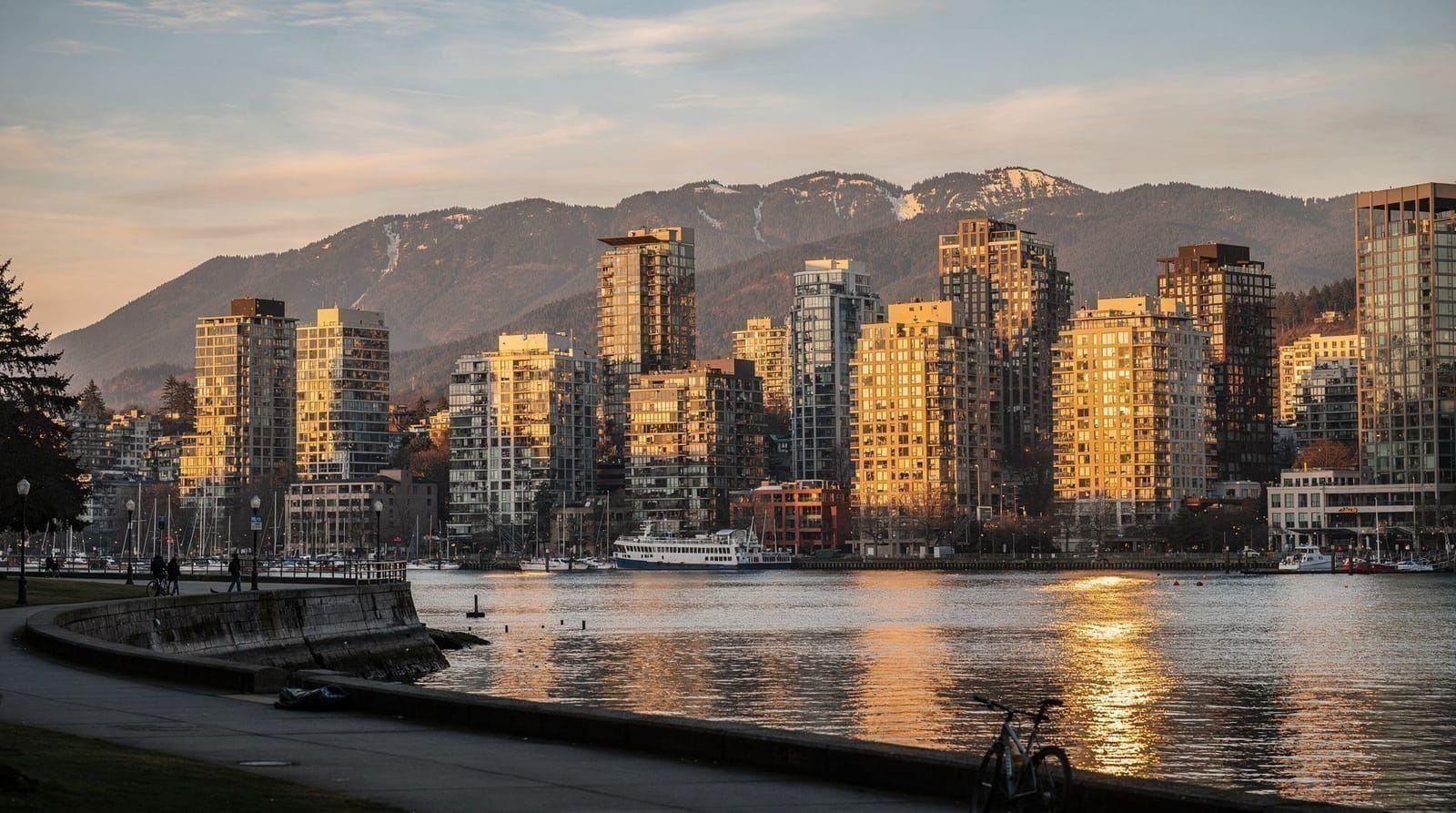
Grouse Mountain
Grouse Mountain Skyride Admission Ticket
What is there to do at Grouse Mountain?
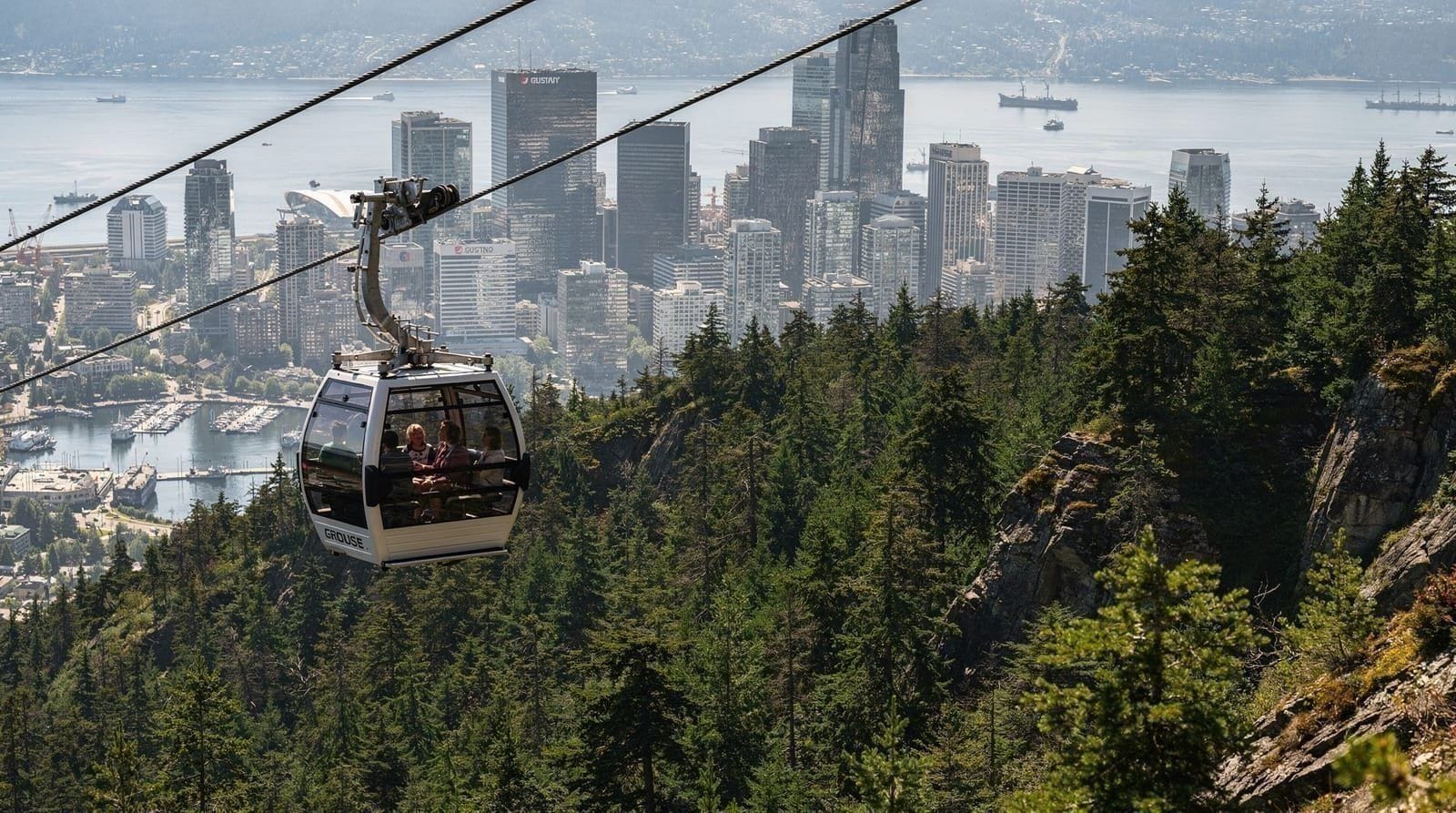
Grouse Mountain combines a 12-minute Skyride gondola to 1,250 metres, alpine views over Vancouver and the Strait of Georgia, grizzly bear viewing (Grinder and Coola), lumberjack shows, an alpine coaster, summer hiking and winter skiing. A day pass runs around CAD 85-90, and most visitors need 3-5 hours to see the main attractions.
| Cost | Around CAD 85-90 (Ultimate day pass) |
| Time needed | 3-5 hours for the main attractions |
| Skyride | 12 minutes to 1,250 m summit |
| Season | Sightseeing roughly April-November; skiing Dec-March |
| Getting there | SeaBus + bus 236, or 20-25 min drive |
Grouse Mountain markets itself as “The Peak of Vancouver,” and unlike a lot of tourism taglines, that one is close to literal — it’s the most developed viewpoint in the North Shore mountains, with more built attractions packed onto one summit than anywhere else near the city. That also makes it the most expensive North Shore outing on a per-hour basis, which is worth knowing before you commit a full afternoon to it.
A short history of the Skyride
The original Grouse Mountain chairlift opened in 1949, one of the earliest mountain lifts built specifically for recreational sightseeing rather than logging or mining access in the region.
The current Skyride — a larger aerial tram replacing the old chairlift — dates to a major redevelopment in the 1970s, and the mountain has continued adding attractions in phases since: the grizzly bear habitat opened in 2001 after Grinder and Coola arrived as orphaned cubs, the lumberjack shows trace back to a long regional tradition of logging demonstrations formalized into a regular visitor program, and the alpine coaster is one of the newest additions, part of a broader push to make the summit a year-round, multi-activity destination rather than a seasonal viewpoint alone.
What you’re actually paying for
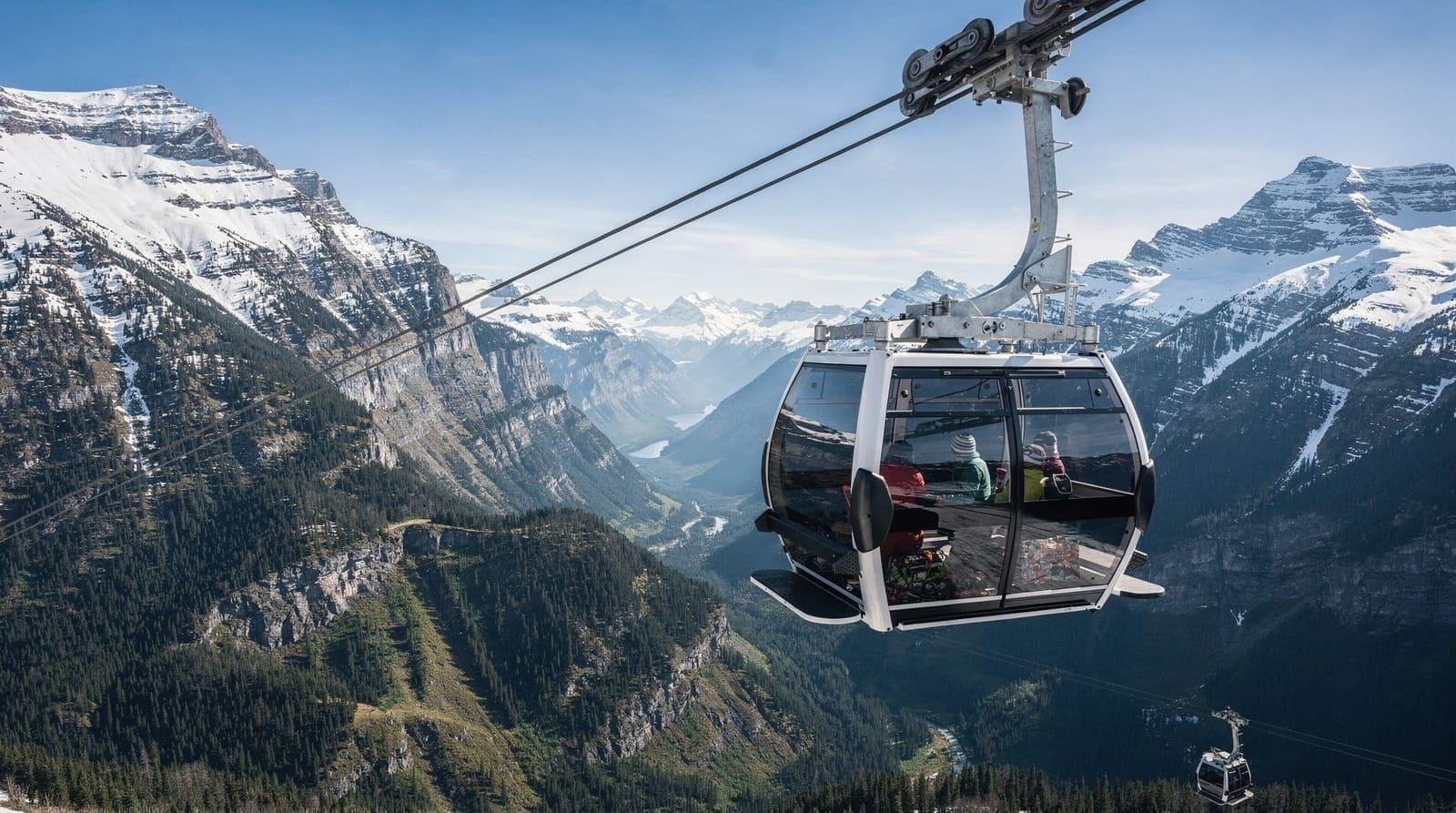
The core of a Grouse visit is the Skyride, an aerial tram that climbs from the base station to 1,250 metres in about 12 minutes, replacing what would otherwise be a demanding multi-hour hike. From the top, sightlines stretch across downtown Vancouver, the Strait of Georgia, and on clear days as far as Vancouver Island and the Olympic Mountains in Washington State. A Skyride admission ticket covers the tram both ways plus grounds access, and it’s the baseline most visitors need regardless of what else they add on.
Beyond the ride itself, the summit has grown into a genuine small resort: a grizzly bear habitat housing two resident bears, Grinder and Coola, rescued as orphaned cubs; regular lumberjack shows demonstrating axe-throwing and log-rolling; an alpine coaster that runs riders down a mountainside track; hiking trails looping through subalpine forest; and, in winter, a full ski and snowboard operation with night skiing under lights.
Prices and what’s worth adding
A straight Skyride ticket runs roughly CAD 70-75 for adults, while the Ultimate day pass — which folds in the alpine coaster, lumberjack show and other add-ons — runs closer to CAD 85-90. Whether the upgrade is worth it depends on group composition: families with kids get real mileage out of the coaster and grizzly habitat, while a couple mainly after the view and a walk might find the base Skyride ticket sufficient. A Grouse Mountain Express with Skyride option streamlines the ticket-and-transport combination for visitors without a car, worth comparing against the base admission if convenience matters more than saving a few dollars.
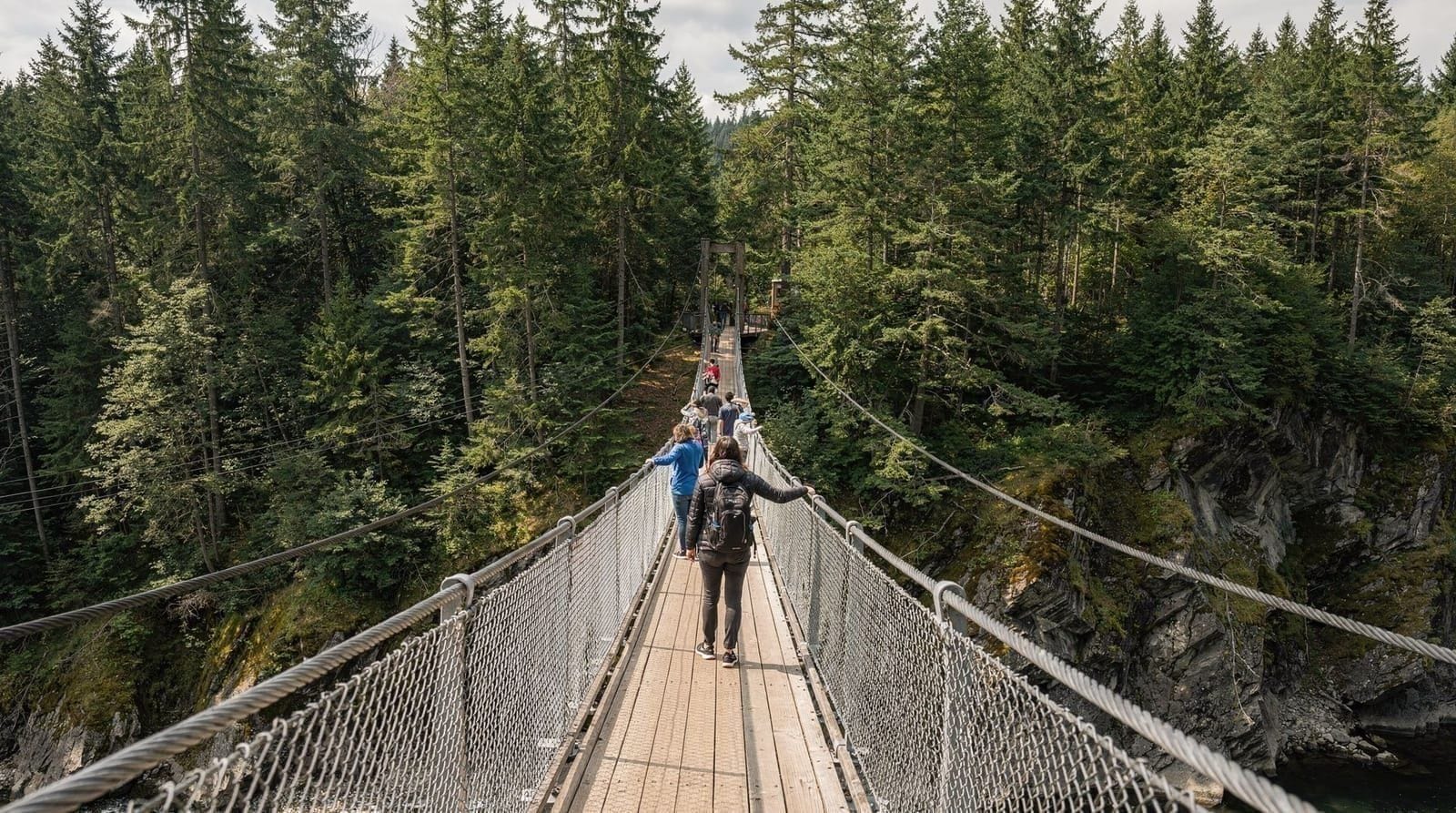
Compare that to Capilano Suspension Bridge, roughly CAD 60-65, for a sense of how the two North Shore staples stack up on price — Grouse costs more but delivers a genuinely different kind of experience (alpine summit versus canyon crossing), so most first-time visitors do both rather than choosing one over the other.
The Grouse Grind, for hikers who want a free way up
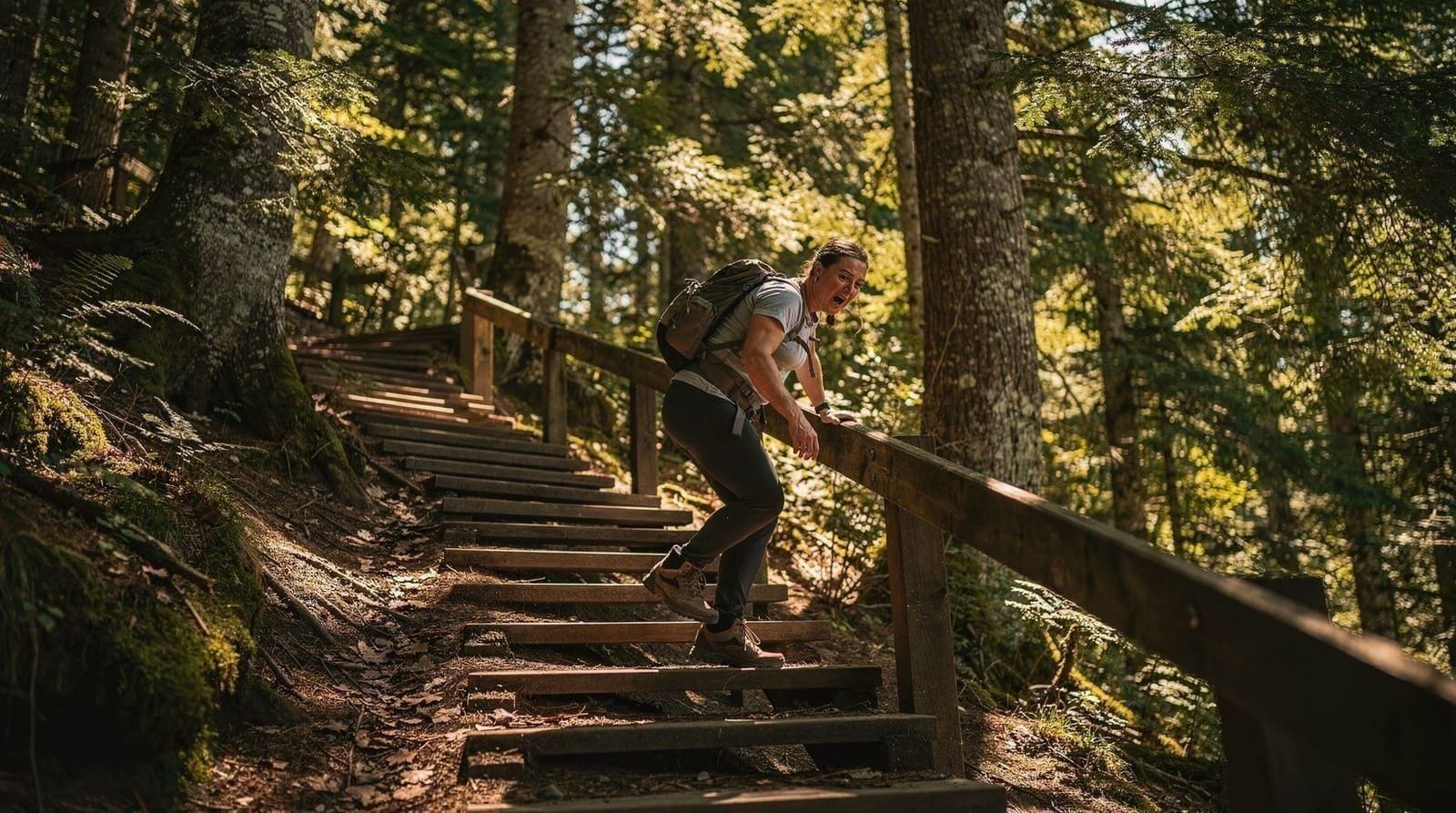
The Grouse Grind is a steep 2.9-km trail gaining roughly 850 metres in elevation, climbing directly up the mountain’s face via stairs and rough terrain. It’s free to hike, and locals treat it as a fitness benchmark — the trail is closed to downhill hiking, meaning once you’ve climbed it, you either ride the Skyride down (paying for that leg) or take the alternative BCMC trail back down. Most fit hikers complete the Grind in 60-90 minutes; it’s genuinely strenuous, not a casual walk, and it’s closed outright in winter and during periods of trail damage or extreme weather. For the full breakdown of pacing, gear and seasonal closures, see the dedicated Grouse Grind guide.
Grizzly bears, lumberjack shows and the coaster
Grinder and Coola, the resident grizzlies, live in a large forested enclosure viewable from an elevated boardwalk, and interpretive staff run scheduled talks explaining their rescue story and general grizzly ecology. It’s not a substitute for seeing bears in the wild — for that, see dedicated bear-viewing tours near Campbell River — but it’s a reliable, guaranteed sighting for visitors who won’t otherwise get near a bear on a short Vancouver trip.
The lumberjack show runs several times daily in peak season, a genuinely entertaining 30-minute demonstration of axe-throwing, log-rolling and chainsaw carving rooted in BC’s logging history rather than staged purely for spectacle. The alpine coaster, a newer addition, sends single- or double-seat carts down a curving mountainside track at rider-controlled speed — good for kids old enough to control the brake themselves, and popular enough in summer that lines build through midday.
Combining with Capilano and the rest of the North Shore
Grouse sits about 10 minutes by car from Capilano Suspension Bridge, and pairing the two into a single North Shore day is common enough that combined tickets exist specifically for it. A Capilano and Grouse Mountain day tour bundles transport and both admissions for visitors without a car, while a Grouse Mountain, Capilano Bridge and fish hatchery tour adds a stop at the Capilano Salmon Hatchery for a fuller North Shore day.
Doing Capilano first thing in the morning, before its bridge queue builds, then Grouse in the afternoon, works well logistically since the Skyride line tends to peak slightly later in the day than Capilano’s entrance.
Accessibility notes
The Skyride cabins and the main summit plaza, including the grizzly viewing boardwalk and dining areas, are wheelchair and stroller accessible, making Grouse considerably more accessible overall than Capilano’s Cliffwalk and Treetops sections. The Grouse Grind trail, by its nature, is not accessible and requires a reasonable level of fitness. The alpine coaster has its own height and mobility requirements, posted at the ride entrance, worth checking in advance for visitors traveling with young children or anyone with mobility limitations.
Booking tips
Booking Skyride tickets online ahead of a visit locks in current pricing and skips the base-station ticket counter, which matters most on summer weekends and during the ski season’s peak weeks. Tickets are typically valid for entry within a booking window rather than a fixed timed slot, giving some flexibility if plans shift slightly on the day. For visitors also planning Capilano the same day, booking the combined ticket in advance rather than two separate admissions is worth the small extra planning step, since it’s priced lower than the sum of the individual tickets and removes one transaction from an already busy day.
Getting there without a car
From downtown, the SeaBus to Lonsdale Quay takes about 12 minutes, followed by TransLink bus 236, which continues past the Capilano turnoff directly to the Grouse Mountain base station — total transit time runs roughly 45-60 minutes depending on connections. Driving takes 20-25 minutes from downtown via the Lions Gate Bridge outside rush hour, with paid parking at the base, though the lot fills on clear summer weekends and during peak ski season weekends alike.
Winter skiing at Grouse
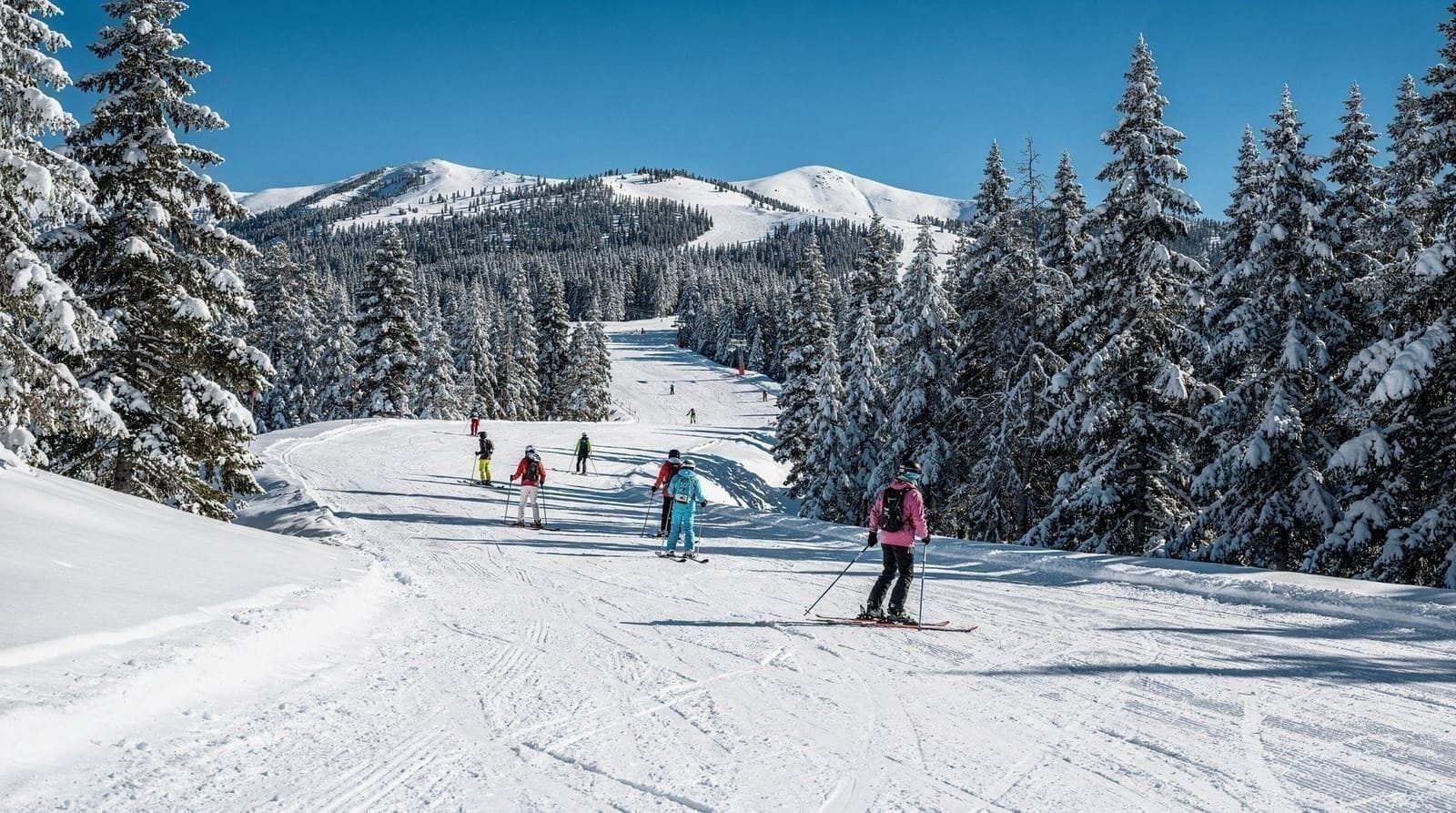
From late November through roughly March, Grouse switches from a sightseeing operation to a ski and snowboard hill, with the Skyride serving as lift access rather than a tourist ride. It’s smaller than Whistler Blackcomb but has a real advantage for visitors without a full day to spare: night skiing under lights runs into the evening, letting Vancouver-based travelers ski after work or after a morning of other sightseeing without committing to the longer trip north to Whistler. Grizzly viewing pauses for the season since the bears hibernate. For a comparison against Vancouver’s other North Shore ski hills, see Grouse versus Cypress versus Seymour.
When to visit
Clear days matter more at Grouse than almost anywhere else in Vancouver, since the entire point is the view — checking a mountain-specific forecast (rather than the downtown one) before committing to a visit is worth the extra step, since North Shore peaks can sit in cloud while downtown stays sunny. Summer weekday mornings offer the best odds of clear skies with manageable crowds; summer weekends draw the heaviest visitor numbers of the year. Sunset visits in July and August are popular enough that the last Skyride up before closing can have its own small queue, so plan the timing rather than assuming you’ll walk straight on.
Common mistakes first-time visitors make
The most frequent misstep is checking Vancouver’s downtown weather forecast instead of a mountain-specific one — downtown can be clear and sunny while Grouse’s summit sits in cloud, and the reverse also happens. A second common mistake is underestimating the Ultimate day pass’s value for families specifically: visitors who buy the base Skyride ticket and then pay separately for the coaster and other add-ons on-site often end up spending close to the Ultimate pass price anyway, just with more friction.
Third, some visitors treat Grouse as a quick one-hour stop, which undersells what’s actually on the summit — rushing through means skipping either the grizzly habitat, the lumberjack show, or both, and picking just one misses a meaningful part of what the admission price covers.
Finally, hikers attempting the Grouse Grind without checking current trail status can be caught out by seasonal closures, since the trail shuts for weather, maintenance or wildlife activity more often than visitors expect.
Food and dining at the summit
The summit has several dining options ranging from casual grab-and-go counters to a full-service restaurant with panoramic views over the city and inlet, priced at the premium end given the captive setting and the cost of running a kitchen at elevation. A casual lunch for two runs roughly CAD 40-60; the sit-down restaurant runs considerably higher, and reservations are worth making ahead for a sunset dinner table in summer when demand is highest. Bringing your own snacks is allowed at the base station and on the grounds generally, though it’s worth checking current policy for the more formal dining areas.
Weather and what changes with the seasons
Grouse’s summit sits roughly 1,250 metres above sea level, which means temperatures run noticeably cooler than downtown year-round — often 5-8°C lower, with wind chill adding to the effect on the open viewing platforms. Layers are worth bringing even on a warm summer day in the city, since a t-shirt-and-shorts downtown morning can mean a genuinely cold summit by comparison. In winter, the same elevation difference becomes the whole point, with snow reliably covering the upper mountain even during rainy, snow-free stretches in the city below.
Where it fits in a wider Vancouver trip
Grouse works best as a half-day to full-day North Shore excursion, usually paired with Capilano and sometimes Lynn Canyon for visitors staying more than two nights. It appears regularly in broader 3-day Vancouver itineraries as the North Shore anchor, and in family-focused 4-day plans thanks to the grizzly habitat and coaster. For a single tightly packed day that also covers downtown highlights, see Vancouver in one day for realistic pacing advice on fitting Grouse alongside Stanley Park or Gastown.
What locals do differently
Vancouverites with an annual Grouse pass — a genuinely popular purchase for North Shore residents — tend to treat the mountain very differently than a first-time tourist would. Many go specifically for a short evening hike or a quick sunset Skyride ride rather than committing to a full day of attractions, since the pass removes the per-visit cost calculation entirely.
Locals also disproportionately favor the Grouse Grind over the Skyride for the uphill leg, treating the hike as a regular fitness routine rather than a one-time novelty, and a fair number do it several times a week through summer. For a first Grouse visit as a tourist, though, the full day-pass approach still makes more sense, since a single visit needs to justify the admission price on its own rather than amortizing it across a season.
Comparing Grouse to other North Shore options
For visitors trying to decide how to spend a single North Shore day, it helps to see Grouse alongside its closest comparisons. Capilano Suspension Bridge delivers a canyon-crossing experience rather than a summit view, at a somewhat lower price point, and takes less time — 2-3 hours versus Grouse’s 3-5. The Sea to Sky Gondola near Squamish, about an hour further from downtown, offers a comparable alpine summit experience with more genuine hiking terrain and fewer built attractions, appealing to visitors who want mountains without the theme-park elements.
Cypress Mountain and Mount Seymour, the other two North Shore peaks, skip the built-out visitor infrastructure entirely in favor of a more locals-oriented hiking and skiing experience at a lower cost — see Grouse versus Cypress versus Seymour for the fuller breakdown of which suits different priorities.
Frequently asked questions about visiting Grouse Mountain
Do I need to book the Skyride in advance?
It’s not mandatory outside peak summer weekends and holidays, but booking ahead avoids the base-station ticket line and locks in current pricing before any seasonal increase.
Is Grouse Mountain open year-round?
Yes — it operates as a sightseeing and hiking destination roughly April through November, and shifts to a ski and snowboard operation from late November through March, with some overlap during shoulder weeks.
How difficult is the Grouse Grind?
Genuinely strenuous — 2.9 km with about 850 metres of elevation gain via stairs and rough trail, typically taking fit hikers 60-90 minutes. It is not recommended for young children or anyone with knee or cardiovascular concerns.
Can I hike up and take the Skyride down?
Yes, this is the most common approach for Grind hikers — you pay only for the descending Skyride leg rather than a full round-trip ticket, since the uphill hike is free.
Are the grizzly bears there year-round?
The bears are visible roughly April through November; they hibernate during the winter ski season, so visitors in December through March won’t see them.
What should I wear to Grouse Mountain?
Layers, regardless of season — the summit runs noticeably cooler and windier than downtown, often by 5-8°C. A light jacket is worth carrying even in July, and full winter gear is necessary for anyone skiing or snowboarding during the winter season.
Is Grouse Mountain worth it compared to Capilano?
They deliver different experiences rather than competing directly — Grouse offers an alpine summit with wildlife and activities, Capilano offers a canyon-crossing suspension bridge experience. Most first-time visitors with a full day free do both rather than picking one over the other.
Top experiences
Bookable activities with verified prices and instant confirmation on GetYourGuide.