Sea-to-Sky adventure activities guide
Squamish: Sea to Sky Gondola Admission Ticket
- Free cancellation
What adventure activities are available along the Sea-to-Sky Highway?
The corridor between Vancouver, Squamish, and Whistler offers rafting, rock climbing, and the Sea to Sky Gondola in Squamish (about 45 minutes to 1 hour from Vancouver), and ziplining and via ferrata around Whistler (about 1 hour 45 minutes to 2 hours from Vancouver). Most activities run seasonally between roughly May and October, and a car is close to essential for stringing more than one together in a day.
Highway 99 out of Vancouver, officially named the Sea-to-Sky Highway, strings together the region’s entire adventure-activity scene in a single corridor — climbing and rafting around Squamish, ziplining and via ferrata around Whistler, plus a gondola that non-adventurers can enjoy without any technical activity at all. The activities themselves are covered individually elsewhere on this site; this guide is about the corridor as a whole, how the pieces fit together, and how to sequence them into a single trip without overreaching on time or budget.
| Where | Squamish (45min-1hr) and Whistler (1hr45-2hrs) from Vancouver |
| Season | Roughly May–October for most activities |
| Getting there | Car close to essential; some organized day trips available |
| Budget | Varies widely by activity — gondola/rafting lower, via ferrata higher |
| Best for | Adventure travelers stringing 1-2 activities into a day or weekend |
The corridor at a glance
Squamish sits roughly 45 minutes to 1 hour from Vancouver, a straightforward drive along Howe Sound that makes it comfortably doable as a half-day or full-day trip without an overnight stay. Whistler sits further on, roughly 1 hour 45 minutes to 2 hours from Vancouver, or about 50-60 minutes past Squamish — genuinely a different tier of commitment, since the extra drive time starts to eat meaningfully into a single day’s activity window. Most travelers treat Squamish as a stop-through and Whistler as the destination for anything beyond a half-day, though Squamish increasingly holds its own as a worthwhile stop rather than just a rest break on the way north.
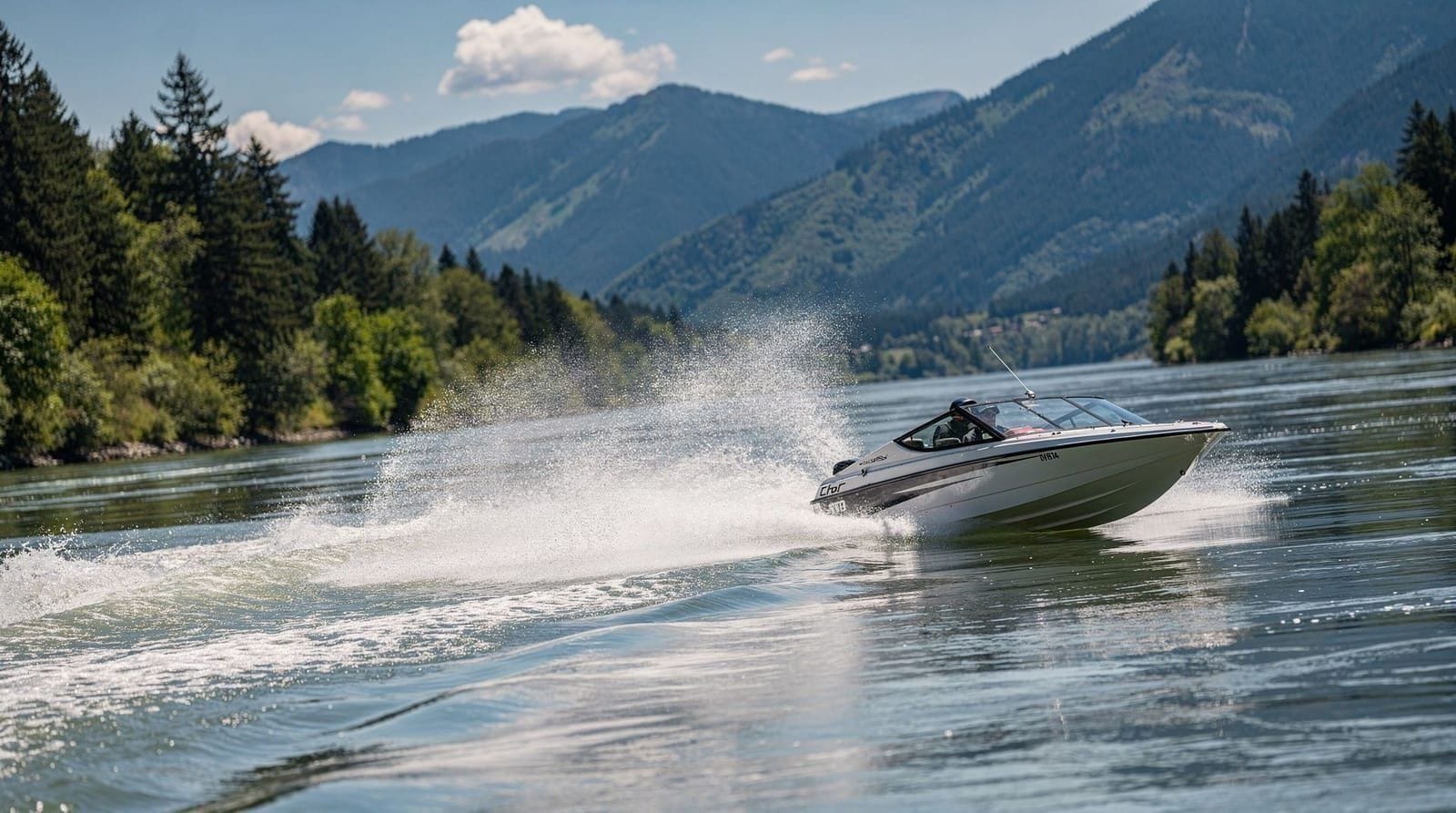
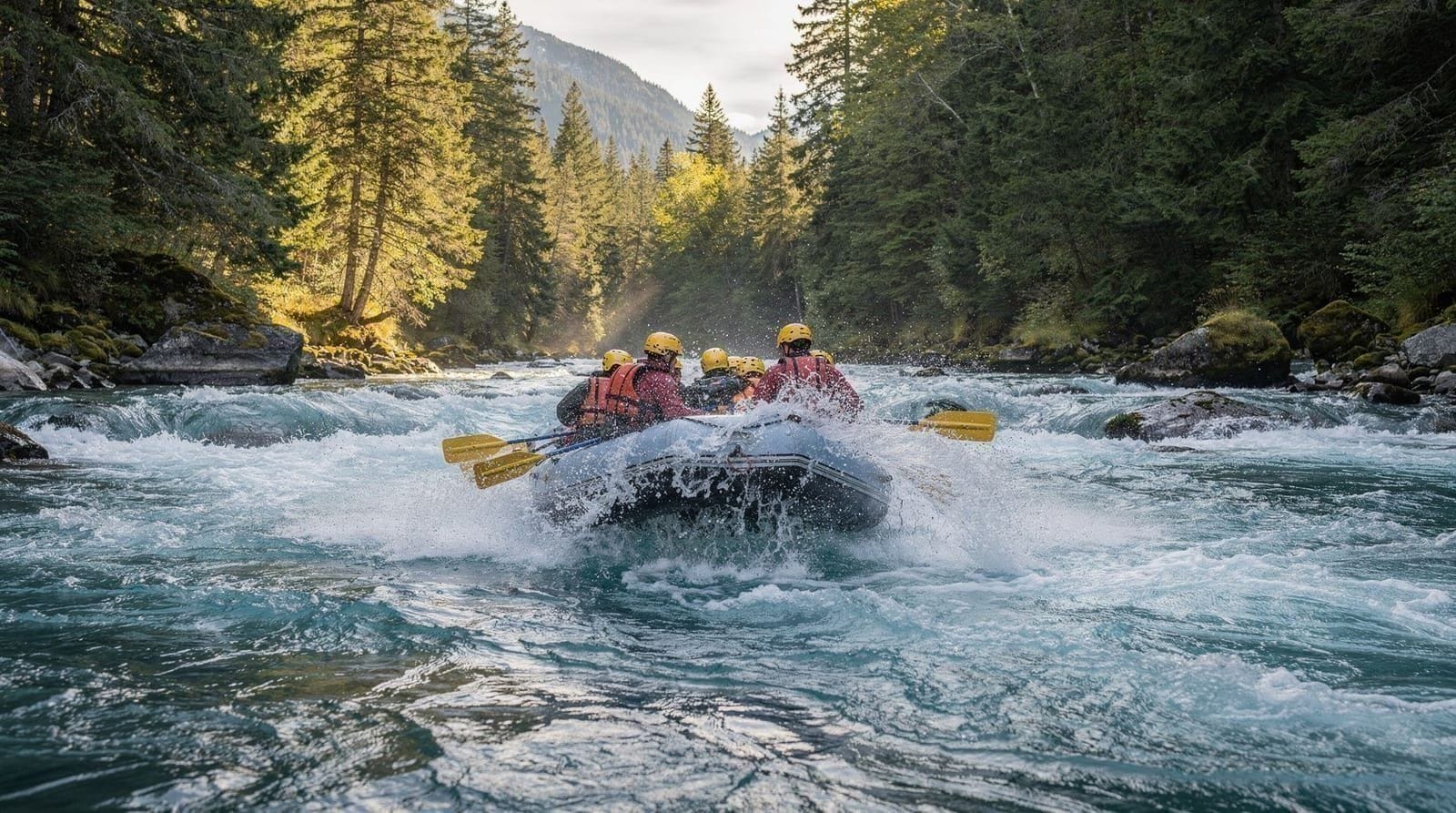
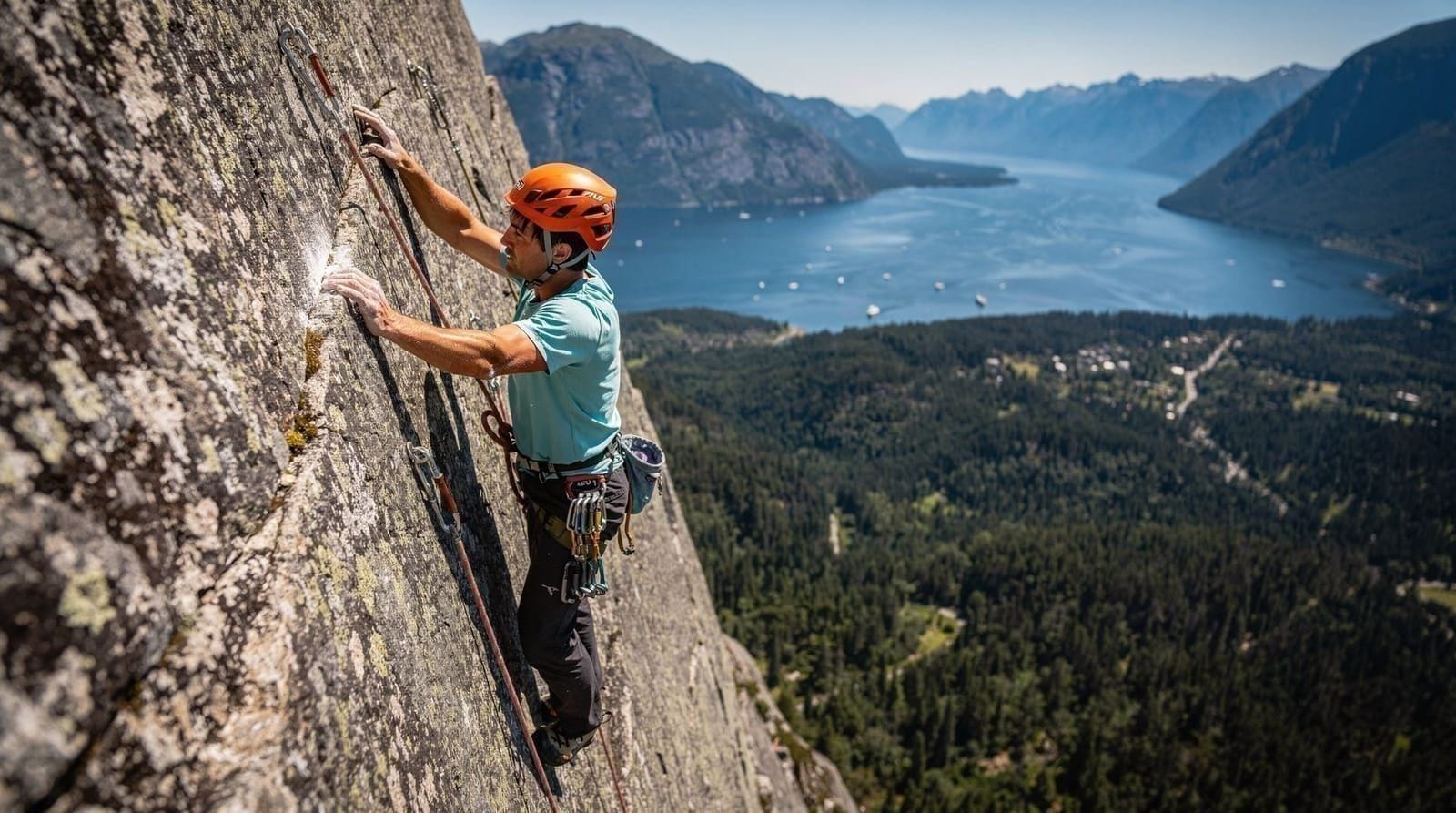
The corridor’s adventure activities split roughly by town. Squamish is where you’ll find white-water rafting on the Elaho and Squamish rivers, rock climbing on the Stawamus Chief and at Murrin Provincial Park, and the Sea to Sky Gondola, a non-technical way to see the alpine terrain.
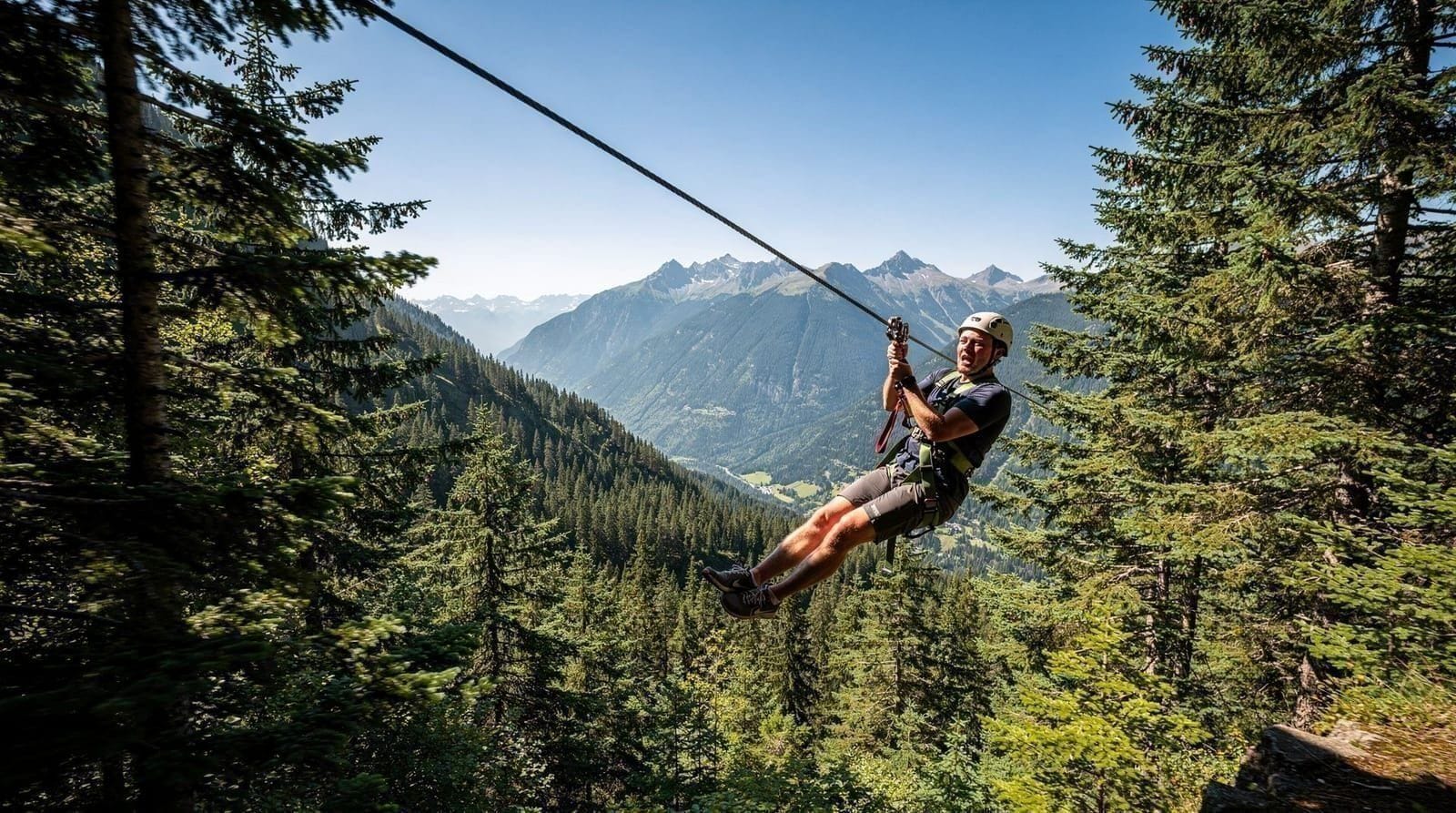
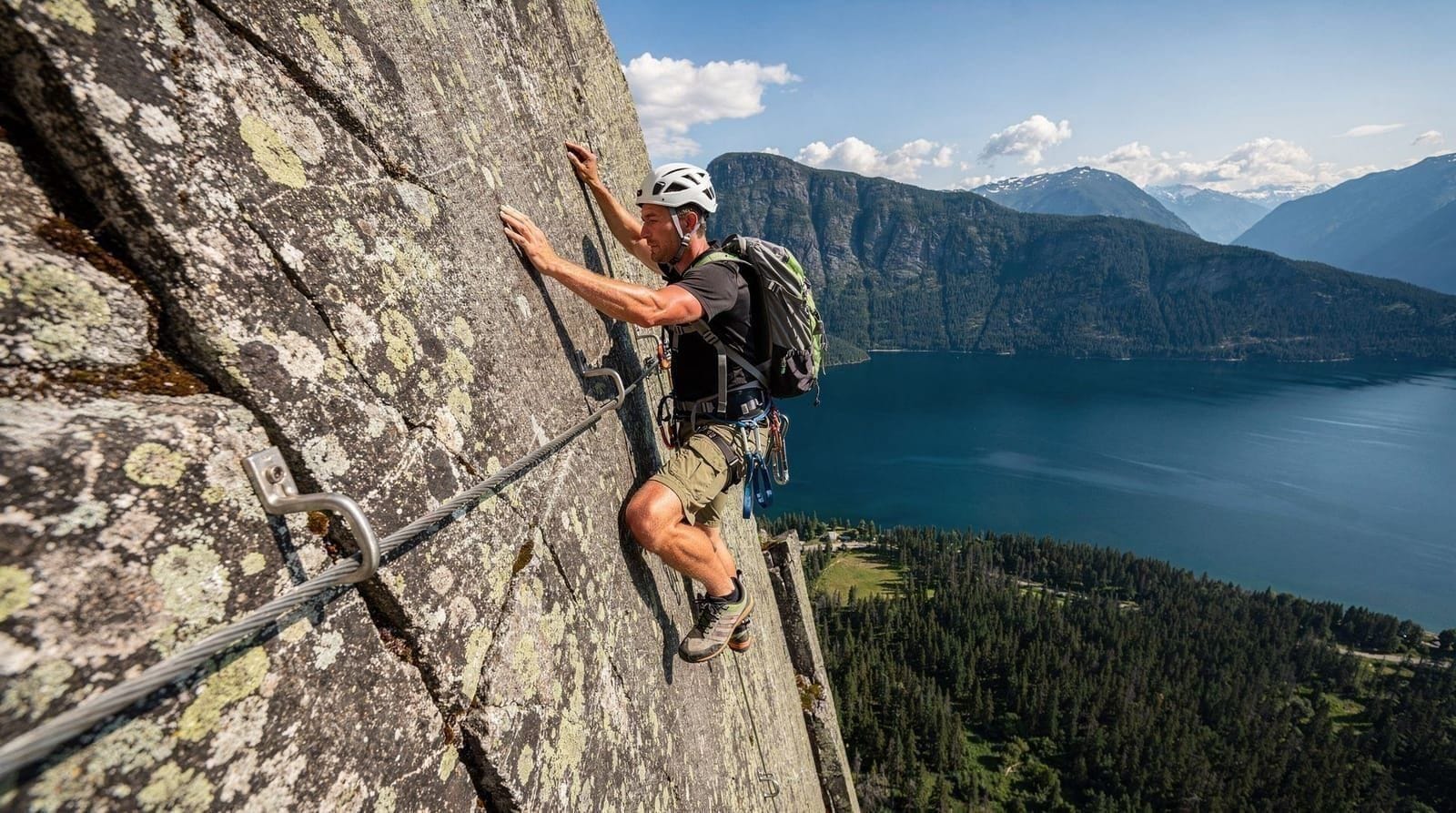
Whistler is where you’ll find ziplining through Ziptrek’s forest canopy circuits, and the corridor’s only bookable via ferrata route, despite the guide’s Squamish-adjacent title reflecting how people actually search for it.
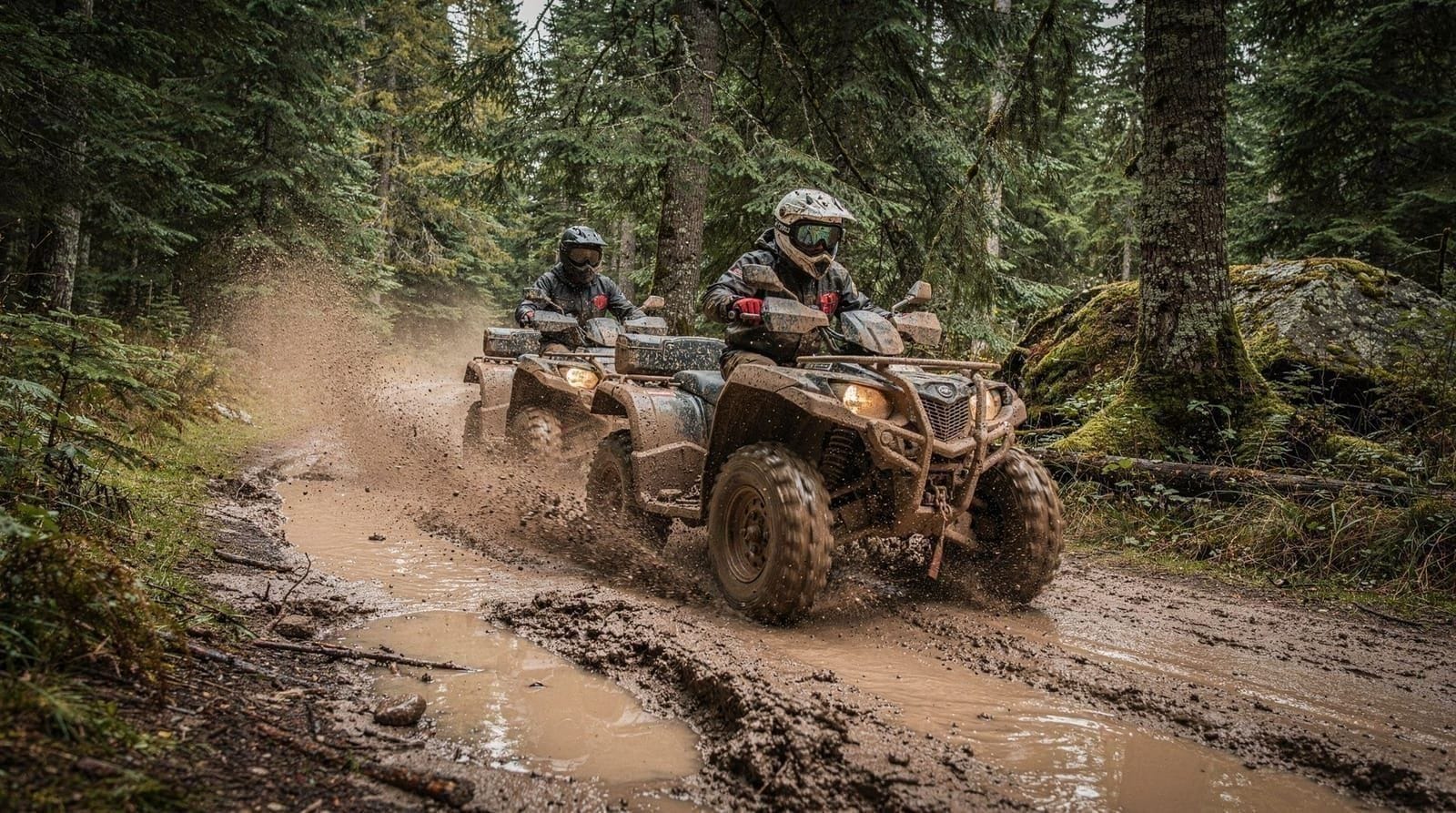
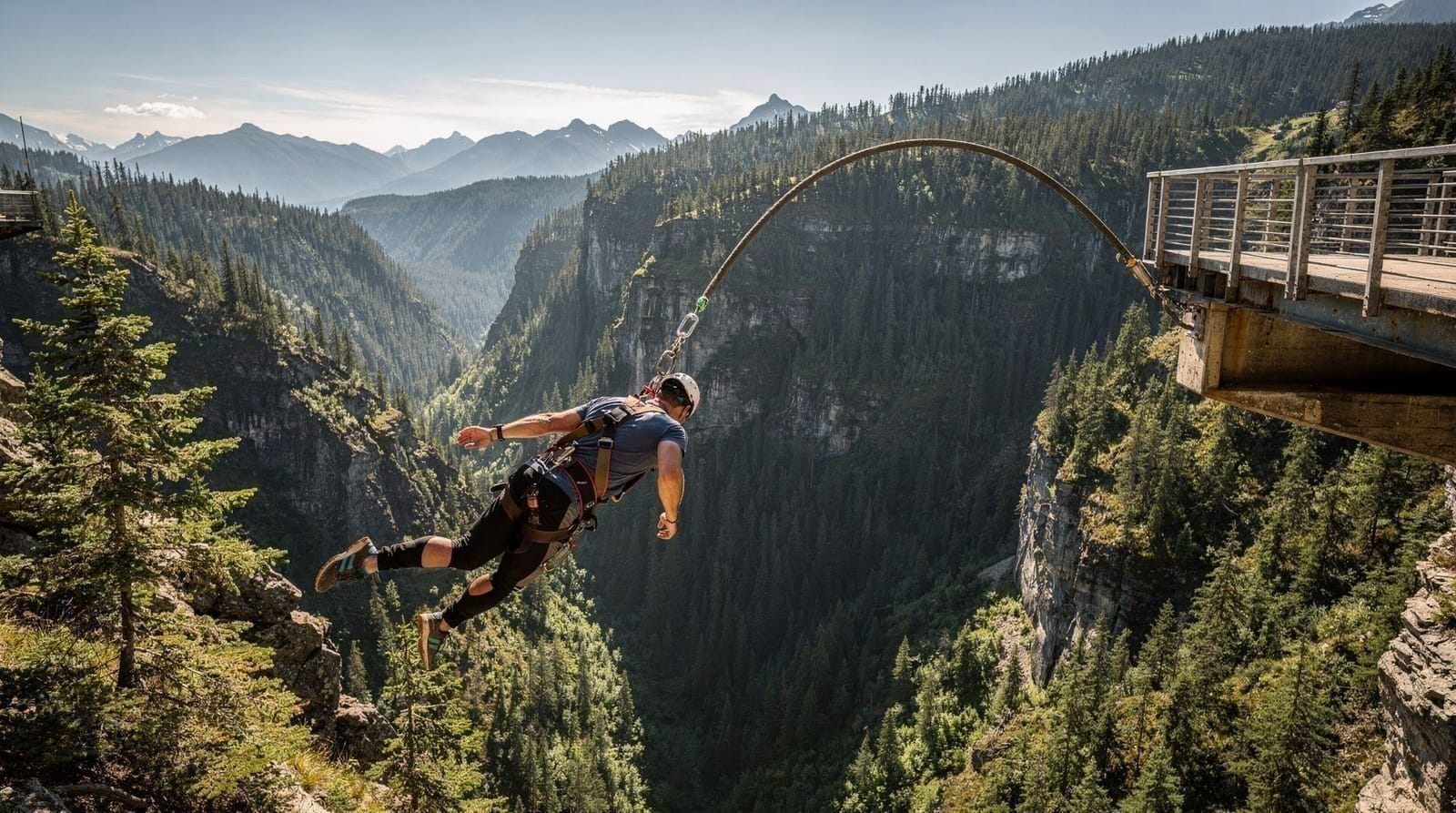
Two activities worth flagging honestly before planning around them: ATV touring and bungee jumping both exist in this corridor through local ground operators, but neither is currently bookable through GetYourGuide — those guides cover what’s actually available and how to book it directly if either is a priority.
Sequencing a day or weekend
For a single day trip from Vancouver, pick one town and one primary activity, then treat anything else as a bonus rather than a plan. A Squamish-focused day might run: drive up in the morning (45 minutes to 1 hour), a rafting trip or climbing session mid-morning through early afternoon, then the Sea to Sky Gondola in the late afternoon before driving back — a full but comfortable day without rushing. A Whistler-focused day trip needs to account for the longer drive on both ends, which realistically limits you to one activity (ziplining or via ferrata) plus some time in Whistler Village, rather than trying to fit in a Squamish stop on the same day.
For an overnight or multi-day trip, the corridor opens up considerably. A common and efficient pattern: day one covers Squamish (rafting or climbing, plus the gondola), overnight in Squamish or continue on to Whistler that evening, then day two covers Whistler (ziplining, via ferrata, or both if energy allows). This spreads the driving across two days rather than one long push, and avoids the fatigue of stacking multiple physically demanding activities into a single day.
Seasonal calendar
Most of the corridor’s adventure activities share a similar window, roughly May through October, tied to the region’s snow-free season at elevation. Within that window, some nuances matter for planning:
Rafting has the narrowest season, roughly June through September, because it depends specifically on glacier and snowmelt water levels rather than just snow-free access — water is highest (and rapids biggest) in June and early July, tapering through late summer. Ziplining and via ferrata both run closer to the full May-October window, since they depend on general trail and platform access rather than specific water levels.
Climbing at Murrin Park and the Chief has the widest practical window, roughly April through October, though summer (June-August) offers the most reliably dry conditions for serious multi-pitch routes. The Sea to Sky Gondola is the outlier — it runs a modified schedule year-round, including winter, making it the one corridor activity accessible outside the main adventure season, complete with snowshoeing options at the top in colder months.
Outside this roughly May-October window, expect the corridor’s adventure activities to be largely closed. Winter in the Sea-to-Sky corridor shifts focus entirely to Whistler Blackcomb’s ski season instead, a different type of trip covered elsewhere on this site.
Budget across the corridor
Adventure activity pricing varies meaningfully by type. As rough CAD ranges (with approximate USD in parentheses, using roughly 0.70 USD per CAD): the Sea to Sky Gondola runs toward the lower end of paid activities; rafting trips generally fall in a similar low-to-mid range; ziplining spans a wider range depending on which specific tour (the shorter single-line product costs less than the longer multi-line Ziptrek circuits); and via ferrata sits at the higher end given the guided technical nature of the activity and smaller group sizes. Activities not currently bookable through GYG — ATV touring and bungee jumping — carry their own typical BC market ranges, covered with appropriate caveats in their dedicated guides linked above.
Beyond activity costs, budget for fuel or a rental car (essential for this corridor), parking (Squamish and Whistler both have paid lots, typically in the CAD 10-25 range depending on location and duration), and food — Whistler Village in particular runs resort pricing on meals, noticeably higher than Squamish’s more modest downtown core.
Matching activities to traveler type
Different travelers will get more out of different parts of this corridor. First-time visitors to BC with limited time should prioritize the Sea to Sky Gondola — it delivers the corridor’s signature alpine scenery with no physical demands, technical skill, or advance fitness required, making it the highest-value single stop for a rushed itinerary. Families with kids in the 8-14 range tend to do well with ziplining’s Ziptrek circuits (guided, moderate pace, genuine but manageable thrill) and rafting on the gentler end of the season, while via ferrata and the Longest Zipline in North America suit teens and adults specifically seeking more intensity.
Experienced outdoor athletes and climbers should treat Squamish’s climbing scene as the corridor’s centerpiece rather than a side activity, building a trip around the Chief and Murrin Park rather than squeezing in a single session between other stops. Couples or friend groups without particular outdoor experience but wanting a genuine adventure story from their BC trip are generally best served by pairing one Squamish activity (rafting or the gondola) with one Whistler activity (ziplining or via ferrata) across a two-day trip, rather than trying to sample everything in a single rushed day.
Honest limitations to plan around
A few things are worth setting expectations on before committing to a Sea-to-Sky adventure trip. Weather is a genuine wildcard even in peak summer — mountain conditions can shift faster than forecasts predict, and several of these activities (rafting, climbing, via ferrata) can be delayed or cancelled on short notice for safety reasons, so building schedule flexibility into a trip, particularly if travel dates are tight, reduces the risk of a washed-out plan.
Costs also add up quickly if trying to do several activities across a short trip — between activity fees, a rental car, parking, and resort-priced meals in Whistler, a two-activity, two-day Sea-to-Sky trip for two people can reasonably run into several hundred CAD beyond accommodation, worth budgeting for realistically rather than assuming day-trip costs stay minimal. Finally, several activities covered in this corridor — ATV touring and bungee jumping specifically — aren’t currently bookable through this site’s affiliate partner, meaning extra legwork (direct operator research and booking) if either is a must-do for your trip; the dedicated guides for both explain this gap and how to work around it.
Getting around the corridor
A car is close to essential for anyone planning to combine more than one Sea-to-Sky activity in a trip. Activity sites are spread along the highway rather than concentrated in walkable town centers — rafting put-ins, climbing areas, and the gondola base are all separate stops requiring a short drive between them even within Squamish itself.
Organized day trips from Vancouver, such as the Whistler day trip, handle transport for travelers without a car, but generally bundle sightseeing rather than the full range of adventure activities — check exactly what’s included before booking if a specific activity like rafting or via ferrata is the priority, since not every organized tour includes activity bookings alongside transport.
Highway 99 itself is a genuinely scenic but winding mountain road, well-maintained but requiring full attention, particularly on the stretch north of Squamish as it climbs toward Whistler. Daylight driving is recommended for anyone unfamiliar with the road, and winter driving (relevant for a ski trip rather than the adventure activities in this guide) can require winter tires or chains depending on conditions.
Refueling along the way
Squamish’s compact downtown has a reasonable range of casual restaurants and cafes suited to a post-activity appetite, generally better value than Whistler Village’s more resort-oriented pricing. Travelers continuing on to Whistler after a Squamish activity, or looking for food options to bookend a Whistler day, will find Whistler Village dense with options, though at a price premium reflecting the resort setting.
Where to go deeper
Each activity covered briefly in this overview has a dedicated guide with full detail on logistics, pricing, restrictions, and booking: white-water rafting near Squamish, rock climbing in Squamish, ziplining in Whistler, and via ferrata near Squamish and Whistler.
For activities not currently bookable through this site’s affiliate partner, see ATV and off-road tours in Whistler and bungee jumping near Whistler, both honest about the booking gap and what to do about it. Travelers whose Sea-to-Sky interest leans toward North Shore terrain closer to Vancouver itself, rather than continuing up the highway, should also see canyoning on Vancouver’s North Shore, a related but geographically distinct adventure option.
Destination-level detail on both towns lives at Squamish and Whistler, covering broader logistics like accommodation, dining, and non-adventure sightseeing beyond the activity focus of this guide.
A sample two-day itinerary
For travelers wanting a concrete starting point rather than building a plan from scratch, here’s one way to sequence a two-day Sea-to-Sky adventure trip covering the corridor’s highlights without over-scheduling either day. Day one: leave Vancouver by mid-morning, arrive in Squamish within the hour, spend late morning through early afternoon on a rafting trip (booking the earlier of two available slots if choices exist, to leave the afternoon free), then visit the Sea to Sky Gondola in the late afternoon when light is often better for photos and crowds have thinned from the midday peak. Overnight in Squamish or continue on to Whistler that evening depending on lodging plans.
Day two: a morning ziplining session (Ziptrek’s Bear or Eagle tour, or the Longest Zipline in North America depending on preference), lunch in Whistler Village, then either a second activity if energy allows (via ferrata pairs well if the group is up for a second physical activity) or a relaxed afternoon exploring the village before the drive back to Vancouver.
This sequencing front-loads the wetter, more physically demanding rafting activity on day one while energy is freshest, saves the gondola’s lower-effort scenic payoff for the end of a tiring first day, and treats day two’s Whistler activities as a separate, focused block rather than trying to cram everything into one long day from Vancouver and back.
Packing for a multi-activity Sea-to-Sky trip
A single packing list can cover most of this corridor’s activities if planned right: quick-dry layers work for rafting, ziplining, via ferrata, and hiking alike, avoiding the need to pack separate outfits for each stop. Closed-toe shoes with real grip are non-negotiable across nearly every activity in this guide — ziplining, via ferrata, and climbing approaches all require them, and rafting benefits from a separate pair of water-friendly shoes that can get wet and stay on your feet.
A dry bag or waterproof phone case earns its keep across a multi-activity trip, useful for rafting specifically but handy insurance for any activity involving water or unpredictable mountain weather. Sunscreen, a hat, and layers for temperature swings between valley and alpine elevation round out a list that, packed once, covers essentially the whole corridor without needing activity-specific gear beyond what operators themselves provide (harnesses, wetsuits, helmets).
Insurance across the corridor
Given how many of this corridor’s activities carry some degree of physical risk — rafting, climbing, via ferrata, ziplining, and the unlisted ATV and bungee options alike — it’s worth checking your travel insurance policy’s adventure sports coverage once for the whole trip rather than activity by activity. Standard travel insurance sometimes excludes higher-risk categories or requires a specific rider; confirming this before the trip, rather than discovering a gap after an incident, is a simple piece of due diligence that applies across nearly everything covered in this guide.
Booking sequence and timing tips
For travelers assembling a multi-activity Sea-to-Sky trip, book the more schedule-sensitive activities first — via ferrata and rafting both run smaller group sizes or narrower seasonal windows than ziplining or the gondola, so lock those in as soon as travel dates are confirmed, then build the rest of the itinerary around whichever slots you secure.
If a specific date shows limited availability for your top-choice activity, shifting by even a day (weekday versus weekend) or choosing an early-morning slot over a midday one often opens up options that a fixed single-date search might miss. For trips spanning both Squamish and Whistler, booking Squamish activities for the first day and Whistler activities for the second, rather than trying to interleave them, keeps the logistics simpler and avoids unnecessary backtracking along Highway 99.
Guided versus self-organized adventure activities
Nearly every activity covered in this guide is guided by design — rafting, via ferrata, and ziplining all run with certified instructors as a standard part of the product, since the technical and safety requirements make a fully independent version impractical for most visitors. The main choice travelers actually face isn’t guided-versus-solo but rather which operator and which specific tour level to book, since most activities offer a range from a shorter, gentler introductory version to a longer, more intense one.
Reading the specific tour description carefully — intensity level, minimum age, physical requirements — matters more here than at a typical sightseeing stop, since a mismatch between a traveler’s fitness or comfort level and the activity chosen is the most common source of a disappointing booking.
Fitness and experience levels required
Rafting on the gentler summer water level and the shorter Ziptrek circuits require no prior experience and modest fitness, making them accessible to most travelers including many families. Via ferrata and rock climbing at the Chief or Murrin Park sit at the more demanding end, requiring genuine comfort with exposure and heights even when fully guided and equipped, and via ferrata specifically often carries a minimum age restriction worth checking before booking for a family with younger kids. The Sea to Sky Gondola remains the outlier requiring essentially no fitness or experience at all, which is part of why it’s repeatedly flagged in this guide as the highest-value stop for a rushed or less adventurous itinerary.
Frequently asked questions about Sea-to-Sky adventure trips
What’s the best month for a Sea-to-Sky adventure trip?
June and July offer the widest range of open activities simultaneously — rafting is at its best with peak water levels, and ziplining, via ferrata, and climbing are all in full season. August remains strong with slightly lower (calmer) rafting water. September offers thinner crowds across the board but a narrowing rafting window.
Should I base myself in Squamish or Whistler?
Squamish suits travelers prioritizing rafting, climbing, and the gondola, with a shorter drive from Vancouver and generally lower accommodation and food costs. Whistler suits travelers prioritizing ziplining, via ferrata, or planning to stay multiple days with village amenities and dining variety.
Can I do this corridor without a rental car?
Partially. Organized day trips from Vancouver cover transport for some activity combinations, but a rental car offers far more flexibility to combine multiple activities or towns in one trip, since activity sites are spread along the highway rather than centralized.
Is the Sea-to-Sky Highway safe to drive?
Yes, it’s a well-maintained highway, but it is a genuine mountain road with curves and elevation change, particularly north of Squamish. Daylight driving is recommended for those unfamiliar with the route, and winter driving requires appropriate tires.
What if I only have one day for Sea-to-Sky activities?
Pick one town and treat it as the day’s focus rather than trying to cover both Squamish and Whistler. A Squamish-focused day (rafting or climbing plus the gondola) is more realistic in a single day trip than trying to reach Whistler and back with time for an activity there too.
Is via ferrata suitable for beginners?
Yes, in that no prior climbing experience is required and instructors handle the technical setup, but it does require comfort with exposure and heights even while fully secured — worth an honest self-assessment before booking, particularly for anyone who’s never tried an activity involving real height before.
Can families with young kids do this corridor’s activities?
Some of it, selectively — the gondola and the gentler Ziptrek circuits suit families well, while via ferrata and serious climbing routes generally carry age or experience minimums that rule out younger children. Rafting on the calmer late-summer water level is often a workable middle ground for families with older kids.
Top experiences
Bookable activities with verified prices and instant confirmation on GetYourGuide.