Vancouver before or after your Alaska cruise: a 2-day stopover guide
A different itinerary for a different traveler
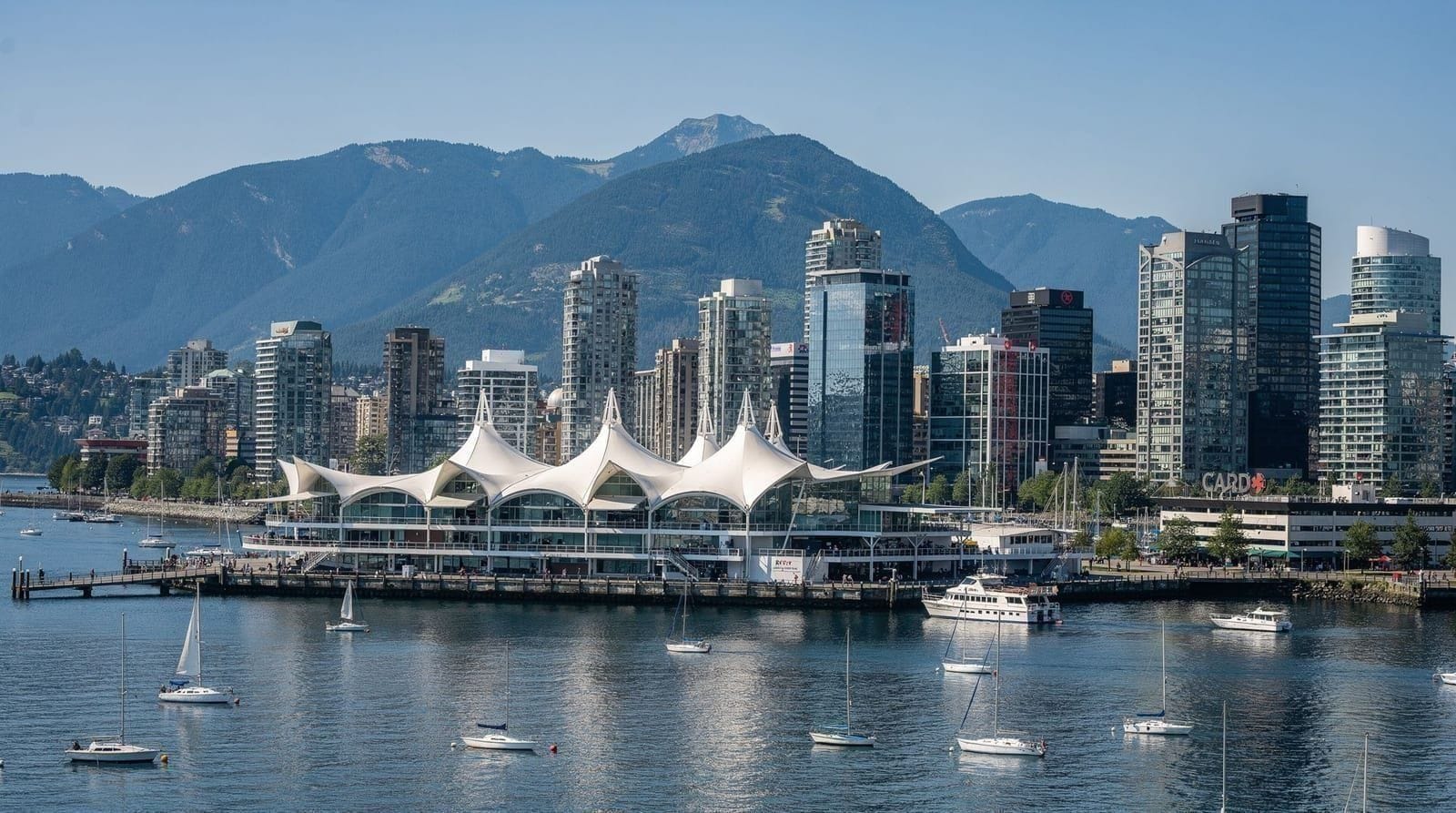
Vancouver is one of the two main gateway ports for Alaska cruises (the other being Seattle), and most cruise lines have their ships docked at Canada Place, right downtown. That changes the planning problem compared to a standard Vancouver trip: you’re not asking “how do I see the city,” you’re asking “how do I fit the city around a fixed boarding time or a flight home.” This guide is built around that constraint, covering both directions — arriving before your cruise and staying after it — with concrete timing rather than general sightseeing advice.
For a general-purpose Vancouver plan without the cruise logistics, see the 1-day or 2-day itinerary; if you’re building a longer pre- or post-cruise stay, the 3-day itinerary works well appended to either end of this plan.
| Best for | Alaska cruise passengers with a fixed boarding time or flight home |
| Time needed | Half a day minimum each side; a full day is more comfortable |
| Where to base yourself | Downtown Vancouver, within walking distance of Canada Place |
| Getting to the terminal | Around 15-20 min on foot, or a 5-10 min cab, from most downtown hotels |
| Best season | May-September (Alaska cruise season); pack a light rain layer regardless |
Alaska cruise season out of Vancouver runs roughly May through September, which overlaps with the city’s own peak tourist season — expect higher hotel rates and busier downtown streets than a shoulder-season visit, and book Canada Place–adjacent hotels early if you want proximity over price.
Scenario A: arriving before your cruise
Getting from YVR to your downtown hotel
Vancouver International Airport (YVR) connects to downtown via the Canada Line SkyTrain in about 25 minutes, or a taxi/rideshare in 25-40 minutes depending on traffic and which downtown hotel you’re headed to. If you’d rather not deal with luggage on transit after a long flight, a private transfer from YVR to Canada Place handles the airport-to-hotel leg directly, which is worth the cost if you’re arriving tired or traveling with a lot of luggage.
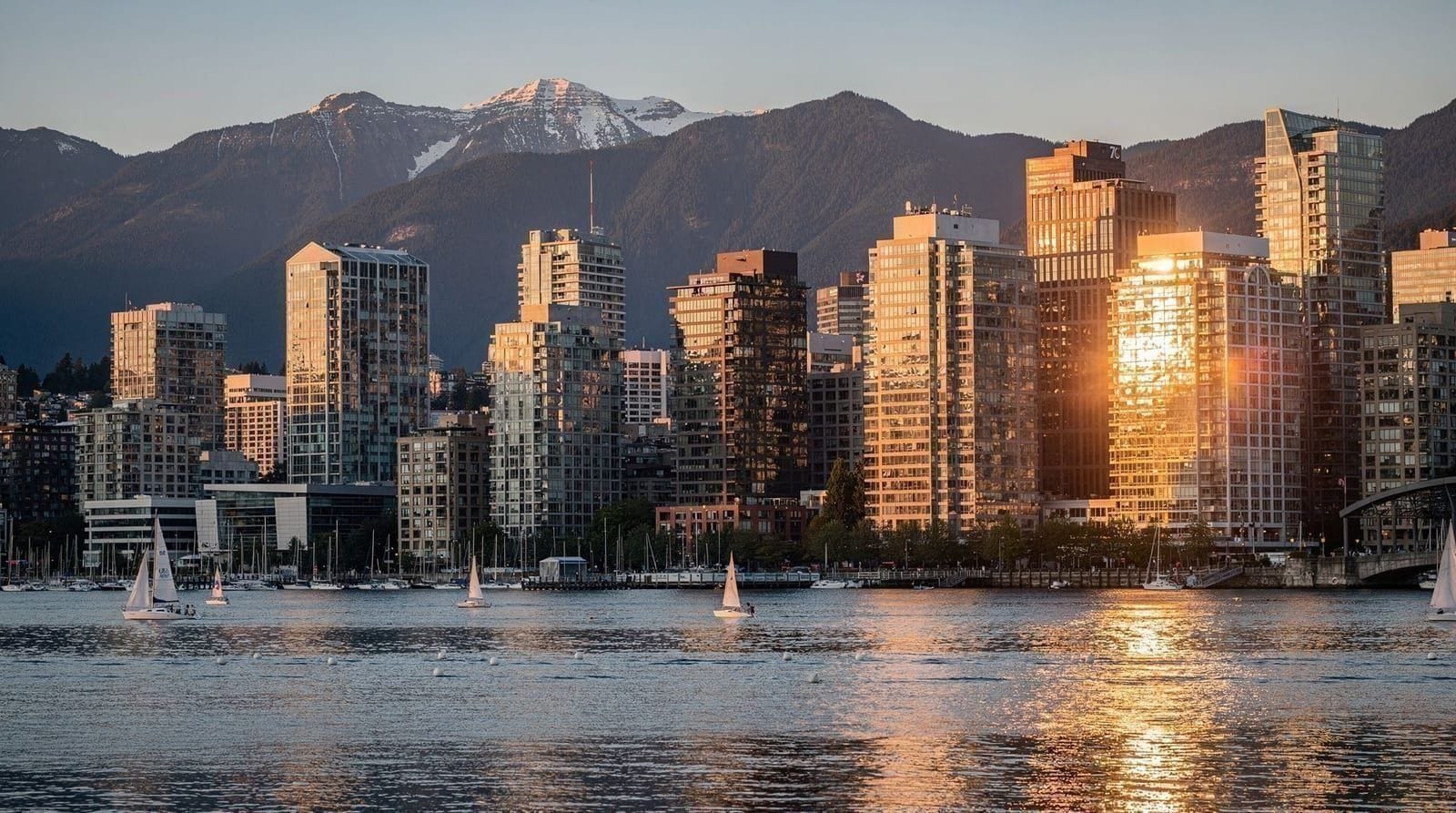
Most cruise passengers book a hotel within walking distance of Canada Place — the downtown Vancouver core around Burrard, Coal Harbour and the Waterfront Station area puts you a 10-20 minute walk from the terminal.
Your one full sightseeing day
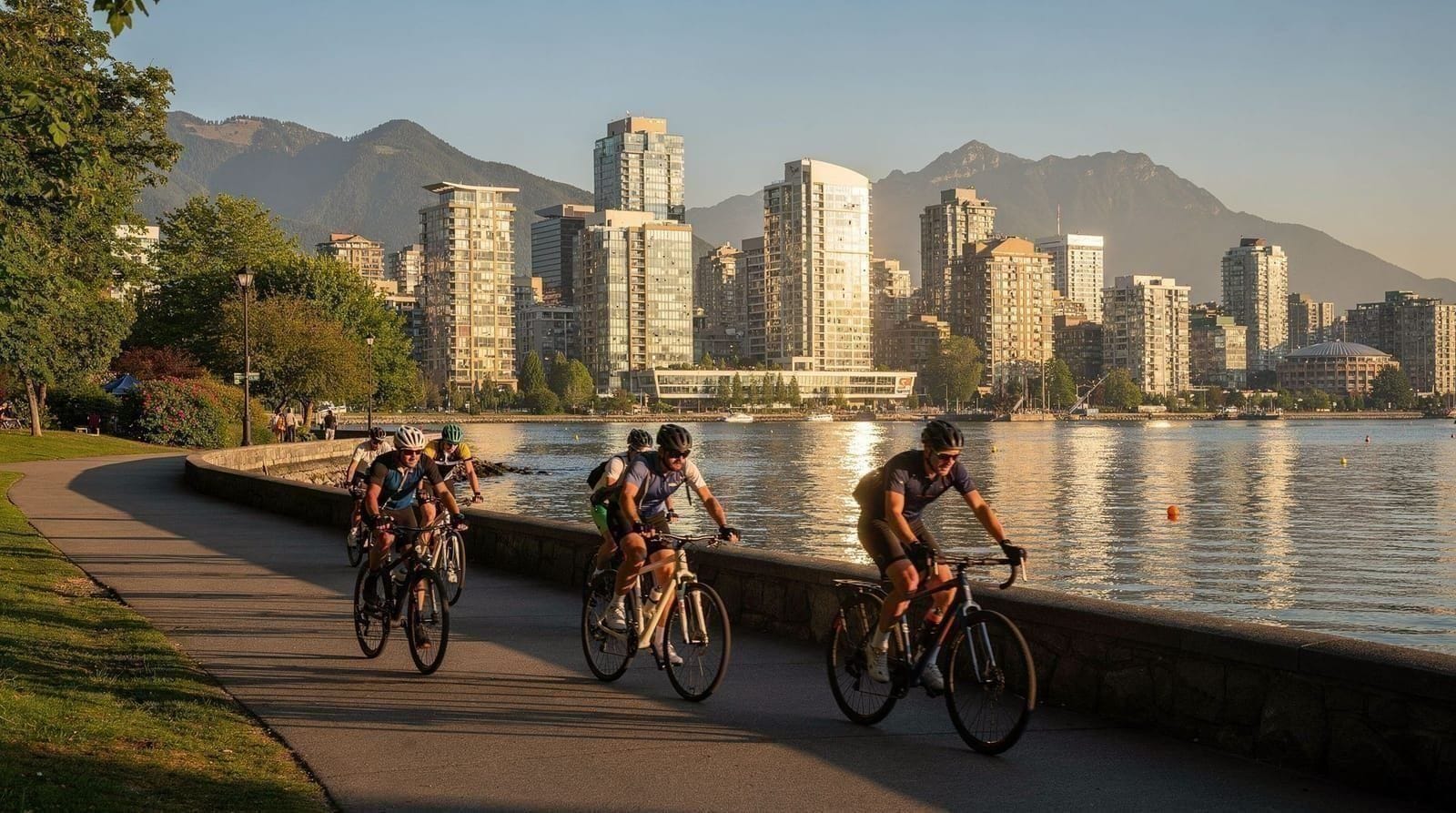
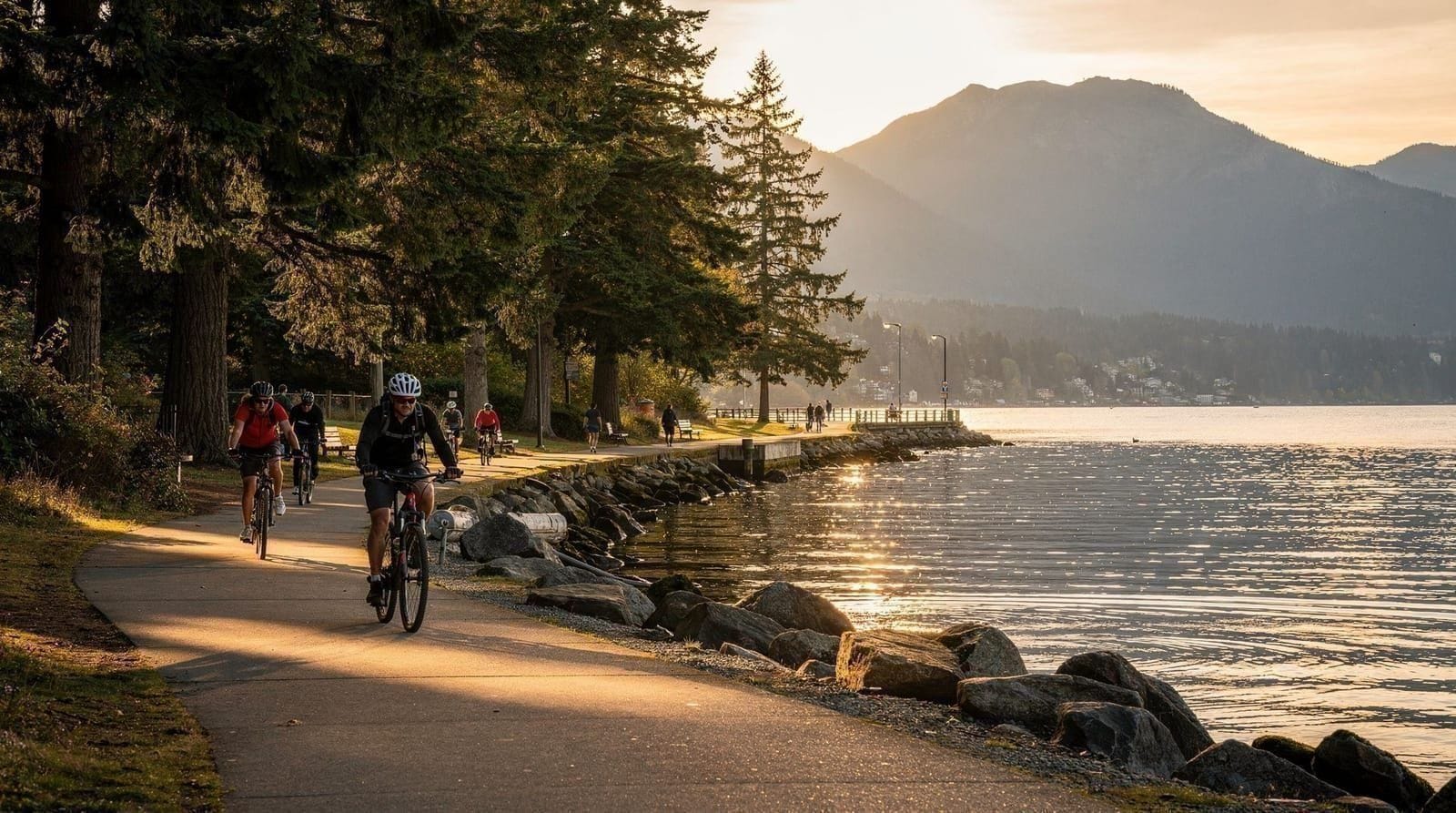
With one full day before boarding, keep the plan tight and don’t wander too far from downtown. Morning: Stanley Park, reachable on foot from most downtown hotels in 15-20 minutes — walk or bike a section of the seawall rather than attempting the full loop if your day is otherwise packed.
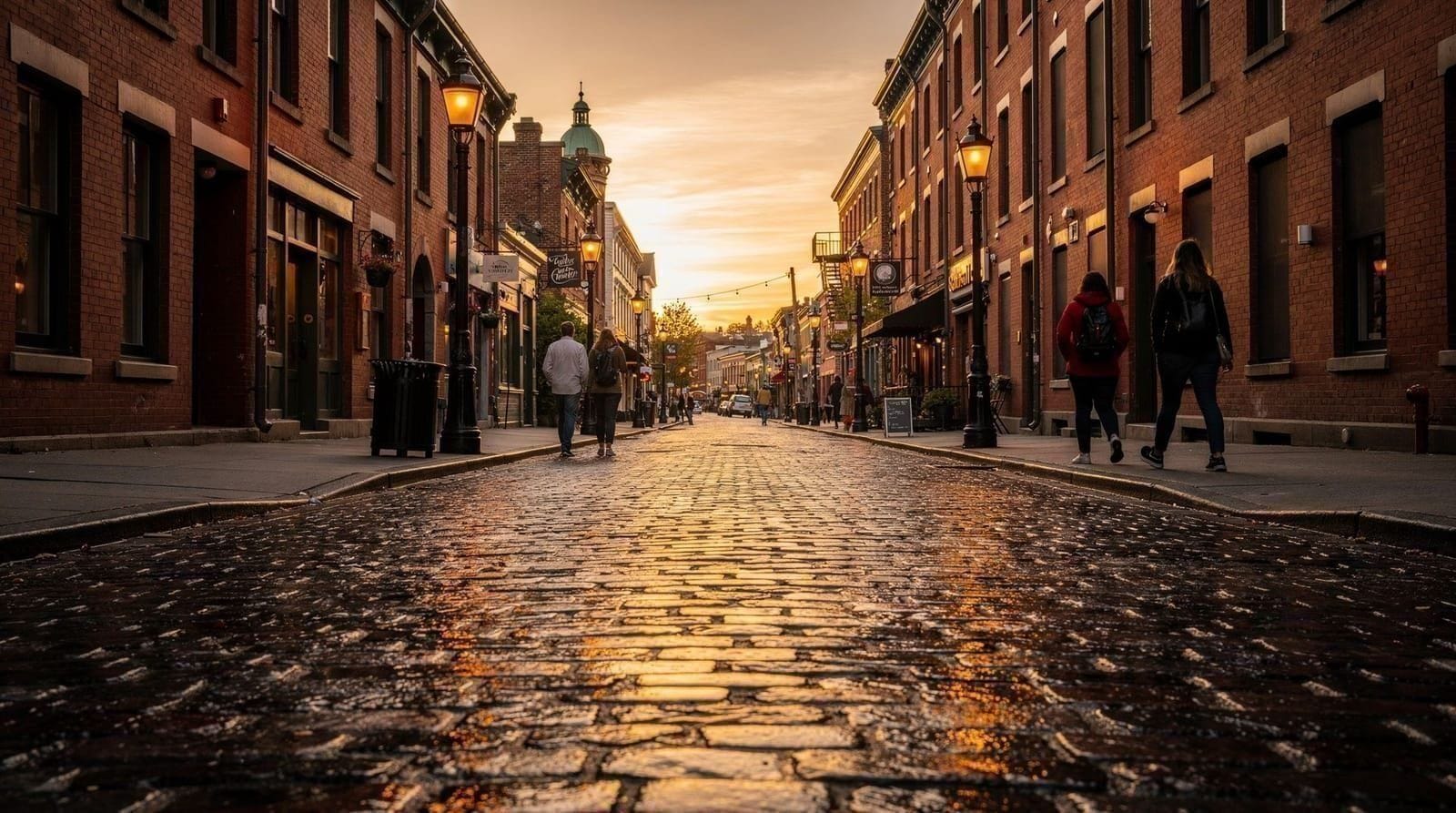
Midday: back toward Canada Place itself, where the Vancouver Lookout entry ticket gives you a rotating 360-degree view of the harbour and the ship you’re about to board — a genuinely fitting way to get oriented before you sail. Afternoon: Gastown, a five-minute walk from Canada Place, for the Steam Clock and a late lunch — step a block off Water Street toward Blood Alley or Carrall Street for better food at a fairer price than the restaurants directly on the tourist strip.
If your schedule allows a slightly earlier start and you want to see the North Shore mountains before you’re at sea, a Capilano Suspension Bridge half-day tour is compact enough to fit into a morning and still leave the afternoon free for Gastown and packing.
Timing your walk to the terminal
Canada Place is a 15-20 minute walk from most downtown hotels, or a 5-10 minute cab ride if you’d rather not walk with luggage. Cruise lines typically open boarding in the early-to-mid afternoon (commonly around noon to 1pm, though this varies by line — check your specific boarding documents), with a recommended arrival window a couple of hours before departure to clear check-in and security. Don’t cut this close on your one full sightseeing day: build in a buffer of at least 30-45 minutes beyond the walk itself for luggage handling and terminal check-in, and consider storing bags at your hotel for the morning so you’re not hauling suitcases through Stanley Park or Gastown.
Scenario B: staying after your cruise
Disembarkation and luggage logistics
Disembarkation at Canada Place is typically a morning process — cruise lines stagger passenger groups by deck or by a colored tag system, so expect to be off the ship sometime between 7am and 10am depending on your assigned group. If you’re not flying out the same day, the simplest move is a short cab or rideshare (5-10 minutes) straight to your post-cruise hotel to drop luggage before you do anything else; most downtown hotels don’t guarantee an early check-in, but nearly all will hold bags for you if your room isn’t ready yet.
Your extra day in the city
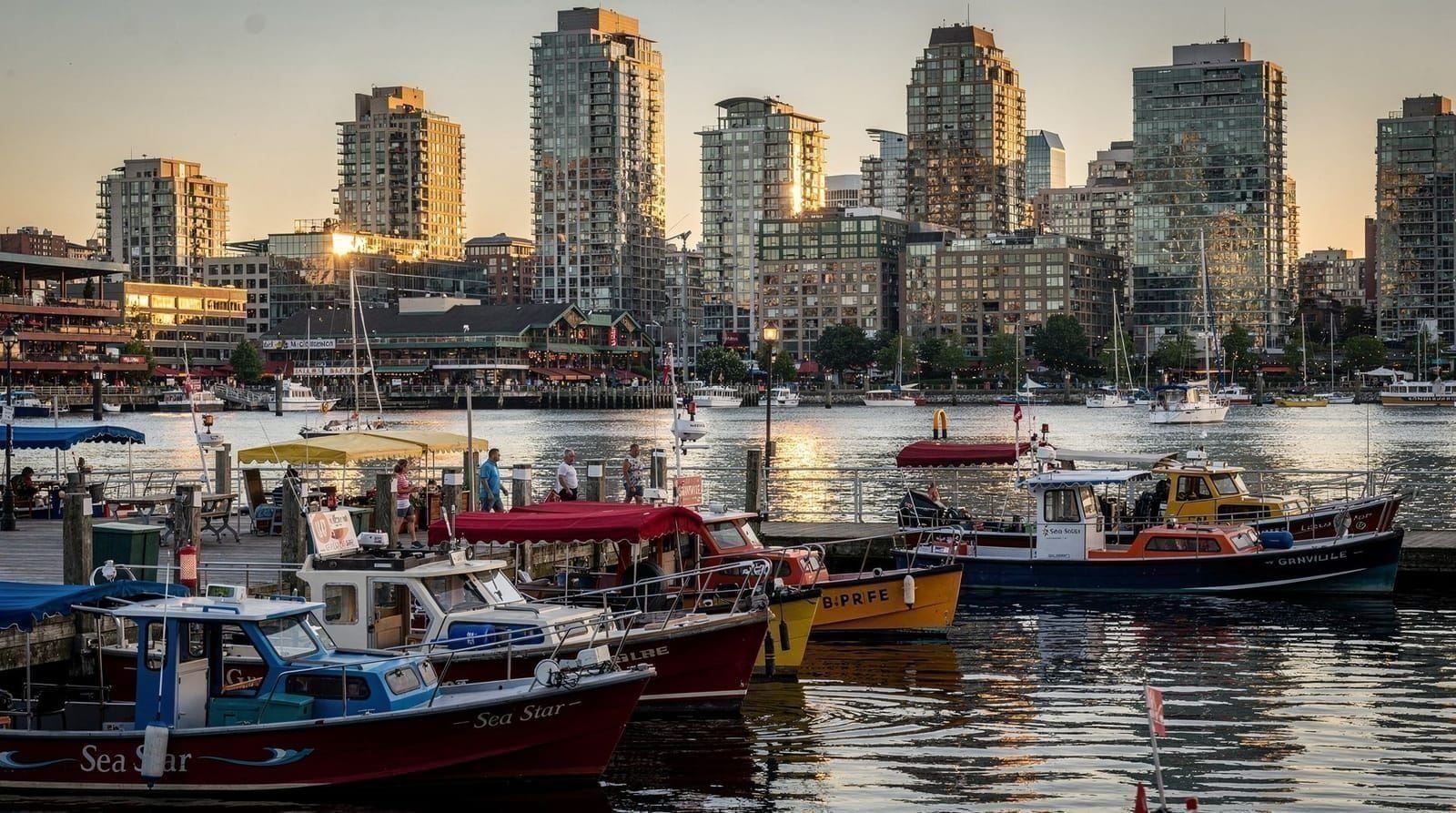
With disembarkation behind you, use the day the same way as the pre-cruise scenario, just with more flexibility since you’re not racing a boarding deadline. Granville Island is a good choice for a post-cruise day — it’s a change of pace from the ship, reachable by a short False Creek Ferry or bus from downtown, and the public market is a good spot for a real meal after cruise dining. If you didn’t get to Stanley Park before boarding, this is the day to do it. A Capilano Suspension Bridge half-day tour also works well here if the North Shore wasn’t part of your pre-cruise day.
Getting from Canada Place to YVR for your flight home
Budget 30-40 minutes for the trip from downtown to YVR by taxi or rideshare, or closer to 35-45 minutes via SkyTrain if you’re connecting from Waterfront Station to the Canada Line with luggage in tow — factor in the walk and platform transfer time, not just the train ride itself. If you’d rather not manage the logistics yourself after a week at sea, a private transfer from your hotel or the port to the airport is a straightforward way to remove that variable, especially useful if you’re travelling with the kind of luggage a cruise trip tends to accumulate.
For international flights, airlines generally recommend arriving at YVR at least 3 hours before departure — factor that backward from your flight time, add the 30-40 minute transfer, and you’ll have a reliable checkout time to plan your last morning around. Domestic flights within Canada typically need less buffer, but 2-2.5 hours is still a reasonable floor during the busy May-September cruise season when the airport itself is busier than usual.
Luggage logistics, in more detail
Cruise luggage tends to be heavier and more numerous than a typical city trip, which changes some of the usual Vancouver advice. Most downtown hotels near Canada Place will store bags before check-in or after check-out at no charge, which is worth using on both ends of this trip — drop bags on your pre-cruise sightseeing day rather than hauling them through Stanley Park, and do the same on your post-cruise day if you’re not flying out immediately.
If your hotel doesn’t offer storage, some independent luggage storage services operate near the downtown core and Canada Place specifically for cruise passengers, generally charging a per-bag daily rate. Building a stopover around luggage-free sightseeing days, even if it costs a small storage fee, makes both the pre-cruise walk to the terminal and the post-cruise transfer to YVR considerably less stressful.
Where to stay near Canada Place
For the pre-cruise night, proximity to Canada Place matters more than it would on a normal city trip, since you’re walking there with luggage on a schedule. The Fairmont Waterfront and the Pan Pacific, both directly adjacent to Canada Place, are the most convenient (and priciest) options — you can walk to the terminal in under 10 minutes. A tier down in price but still close, the Fairmont Hotel Vancouver and Rosewood Hotel Georgia are both a comfortable 15-20 minute walk or a short cab ride from the terminal.
Budget-conscious cruisers can look further into downtown proper or the West End, accepting a slightly longer transfer in exchange for a lower nightly rate — just build a bit more buffer into your walk-to-terminal timing if you go this route. See where to stay in Vancouver for a broader comparison across neighborhoods.
Food near the terminal
Canada Place and the immediately surrounding blocks have a mix of quick options and proper sit-down restaurants, useful whether you’re grabbing a last meal before boarding or a first real meal after a week of cruise dining. Miku, right on the waterfront near Canada Place, is a strong choice for a sit-down meal with a harbour view if you have time before boarding or after disembarking.
For something faster, Meat & Bread on Cordova Street (a short walk into Gastown) and the food hall options around the convention centre both work well if you’re watching the clock. If you have a full pre- or post-cruise day rather than just a few spare hours, Gastown and Granville Island, both covered above, offer considerably more variety than the terminal’s immediate surroundings.
Alaska cruise season and weather
Alaska cruise season out of Vancouver runs roughly May through September, with July and August as the busiest months for both the cruise terminal and the city itself. Vancouver’s weather during this window is typically its best of the year — warm, relatively dry days that make walking between Stanley Park, Gastown and Canada Place comfortable.
Shoulder-season sailings in May or September can bring cooler temperatures and a higher chance of rain, so pack a light rain layer regardless of which end of the season you’re travelling in, since coastal weather can shift quickly even in summer. Whichever month you’re sailing, book your stopover hotel well ahead of your cruise date — downtown Vancouver hotel availability tightens noticeably during peak cruise season as thousands of passengers cycle through the city on embarkation and disembarkation days.
Common mistakes cruise passengers make in Vancouver
The most common mistake is cutting the pre-cruise sightseeing day too close to the boarding window, on the assumption that “the terminal is close, it’ll be fine.” It usually is fine, but a delayed SkyTrain, an unexpectedly long Gastown lunch, or simply misjudging the walk with luggage can turn a comfortable margin into a stressful sprint — build in more buffer than feels necessary, especially on your first visit to the city. A second mistake is not confirming your specific cruise line’s boarding time in advance and instead relying on generic “boarding opens early afternoon” advice like the estimate in this guide — always check your actual boarding documents, since timing varies by cruise line and can shift close to departure.
A third is treating the post-cruise day as an afterthought and booking a same-day flight right after disembarkation — between bag retrieval, immigration or customs processing if applicable, and the transfer to YVR, a same-day flight leaves very little margin for error; an extra night in the city removes that risk entirely and gives you a proper last day to enjoy rather than rush through.
If you only have a half-day, not a full day
Not every stopover allows a full extra day — sometimes it’s a few hours before boarding or after disembarking, not an overnight stay. In that case, prioritize ruthlessly: the Canada Place waterfront promenade and a short walk into Gastown’s heritage core cover the highest-value, lowest-time-cost sights within a 20-30 minute round trip of the terminal. Skip Stanley Park and Granville Island entirely if your window is under four hours — both are worth doing properly or not at all, and a rushed version of either tends to disappoint.
If you do have a genuine half-day (four to six hours), Stanley Park’s seawall near the Coal Harbour entrance is reachable and walkable in that window, though Granville Island is a harder fit once you account for the ferry crossing and return trip. Match your ambitions to your actual time window rather than trying to compress this guide’s full two-day plan into a few spare hours.
Connectivity and money while you’re between flight and ship
Most Canadian carriers and downtown hotels have reliable wifi, but cruise ships often charge steeply for onboard internet, so it’s worth handling anything time-sensitive — confirming your flight home, downloading offline maps, messaging family — during your Vancouver stopover rather than assuming you’ll sort it at sea. Canadian dollars are the only currency accepted outright; most downtown restaurants and Gastown vendors take cards without issue, but carry a little cash for the rare stall or washroom fee at Granville Island’s market. If you’re flying in from the US or overseas, a currency exchange kiosk near Canada Place or the airport is convenient, though rates are typically better at a downtown bank machine using your home debit card.
A few things worth knowing either way
Canada Place’s cruise terminal is also a legitimate sightseeing spot in its own right, not just a place you pass through — the promenade around it offers some of the best free harbour views in the city, useful if you have even a spare 20 minutes between other plans. If you’re arriving from outside Canada and haven’t already sorted an eTA (most visa-exempt visitors flying in need one) or a visa where required, confirm that well before your trip; it’s a common last-minute snag for first-time visitors combining a flight and a cruise in the same itinerary.
Double-check the eTA is linked to the same passport you’ll present at both the airport and the cruise terminal — a mismatch is a bigger problem on a cruise day than on an ordinary flight, since there’s no flexibility in the boarding time. And if either your pre- or post-cruise stay stretches beyond what’s in this guide, the 2-day and 3-day itineraries both slot in cleanly on top of this plan without repeating what you’ve already covered here.
If your ship docks at Ballantyne Pier instead
Most Alaska sailings from Vancouver use Canada Place, but on the busiest days of the season some cruise lines are shifted to Ballantyne Pier, a separate terminal about 2km east along the waterfront. If your boarding documents list Ballantyne Pier rather than Canada Place, don’t apply this guide’s Canada Place walking times directly — it’s not realistically walkable with luggage, and a taxi or rideshare (roughly 10-15 minutes from most downtown hotels, longer in traffic) is the practical option.
The sightseeing plan above still works unchanged, since Gastown and Stanley Park are still close to downtown; only the final transfer to the terminal itself changes. Always confirm your specific terminal on your cruise line’s boarding documents rather than assuming Canada Place, since the assignment can change between booking and sailing.
Two-day snapshot at a glance
| Scenario | Morning | Afternoon | Logistics focus |
|---|---|---|---|
| A: Pre-cruise day | Stanley Park seawall or bike section | Vancouver Lookout, then Gastown lunch | Bags stored at hotel; walk to terminal with 30-45 min buffer |
| B: Post-cruise day | Disembark, drop bags, breakfast near hotel | Granville Island market and False Creek | Transfer to YVR timed 3hrs before international flights |