Where to stay in Vancouver — a neighborhood-by-neighborhood guide
Vancouver: Gastown Historical Walking Food Tour
Duration: 3 hours
What is the best area to stay in Vancouver?
Downtown or the West End suit most first-time visitors best, since both put Stanley Park, Robson Street shopping, and transit connections within walking distance. Yaletown suits travelers prioritizing dining and nightlife, Kitsilano suits beach- and cafe-focused stays at a slightly lower price, and Gastown suits visitors wanting character and walkability over polish.
Vancouver’s downtown peninsula is compact enough that almost any central neighborhood puts a visitor within reasonable reach of the city’s main attractions, which makes “where to stay” less about avoiding a bad choice and more about matching a neighborhood’s specific character to the trip’s actual priorities — dining and nightlife, beach access, budget, or family logistics all point toward different areas.
| Best for first-timers | Downtown or the West End |
| Best for dining/nightlife | Yaletown or Gastown |
| Best for budget | Kitsilano, Commercial Drive, or hostels |
| Best for families | Kitsilano or the West End |
| Getting around | SkyTrain/SeaBus proximity matters more than attraction proximity |
Downtown core
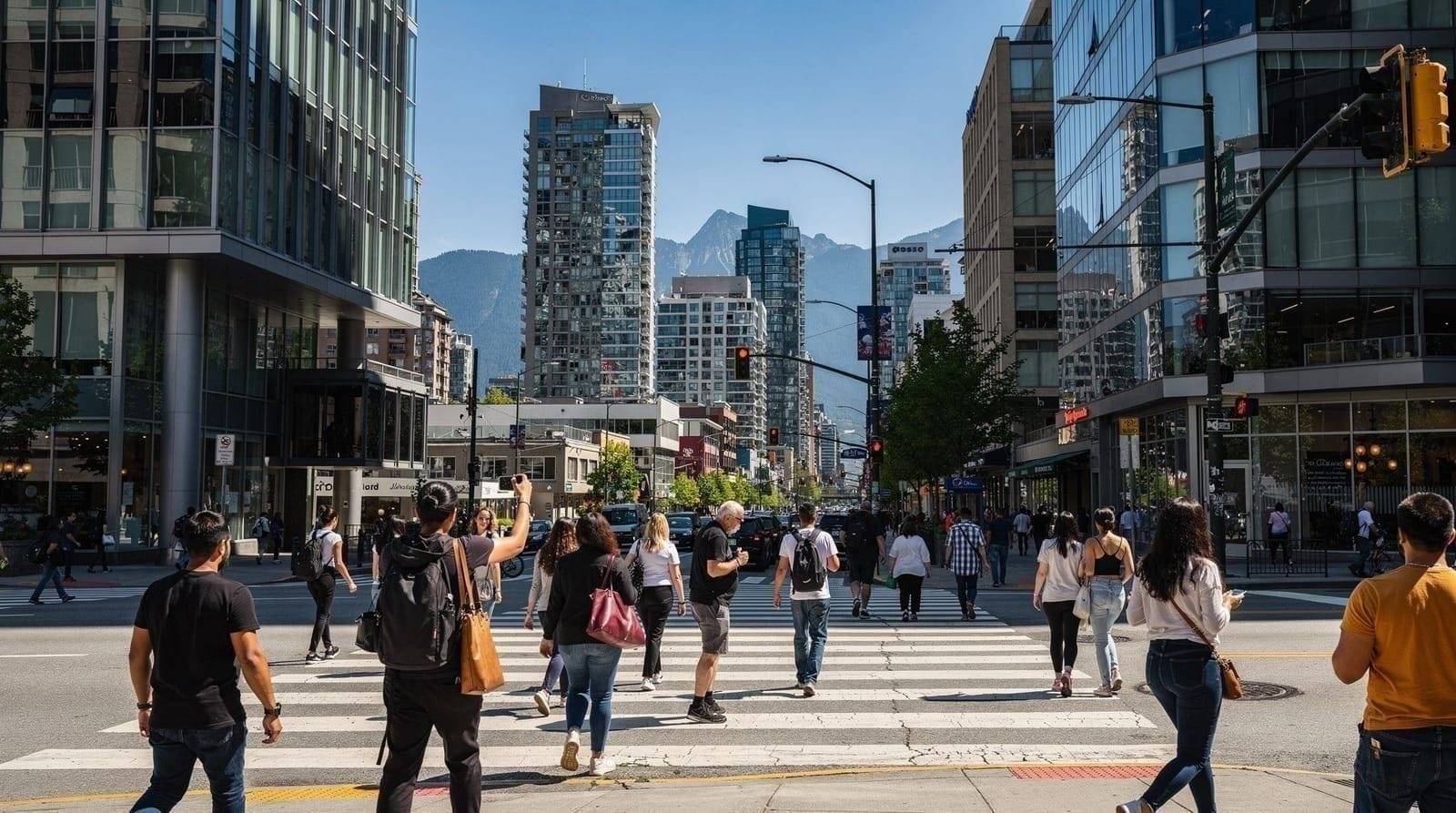
Downtown Vancouver is the default choice for first-time visitors, and for good reason — it puts Robson Street shopping, the Vancouver Art Gallery, Canada Place, and the entrance to Stanley Park all within walking distance, alongside the best transit connections in the city via Waterfront Station. Hotel density is highest here, spanning the full range from budget chains to luxury towers, and it’s the natural base for visitors without a car who want to minimize transit time between attractions.
The trade-off is price — downtown consistently commands the city’s highest accommodation rates — and a slightly more generic, business-district feel compared to the more distinctly local character of neighborhoods further out. For visitors prioritizing minimal transit time above all else, particularly on a short trip where every hour counts, downtown remains the single most defensible default choice in the city.
West End
The West End, immediately adjacent to downtown’s western edge, offers the closest realistic walk to Stanley Park’s entrance while still being a short walk from downtown’s core. It’s a genuinely residential neighborhood with tree-lined streets, English Bay beach access, and a strong concentration of mid-range hotels and short-term rentals, making it a strong middle-ground choice for visitors who want Stanley Park proximity without sacrificing downtown convenience entirely.
The neighborhood’s grocery stores and everyday amenities also make it a practical choice for longer stays, since it functions as a genuine residential area rather than a purely hotel-district stretch of downtown. It also has one of the city’s more visible LGBTQ+ communities, centered on Davie Village, which adds a specific character and event calendar (including much of the Pride Festival’s core programming) that downtown proper doesn’t share.
Yaletown
Yaletown, a converted warehouse district along False Creek, is the strongest choice for travelers prioritizing dining and nightlife over budget — its restaurant and bar density rivals anywhere in the city, and its False Creek waterfront path connects easily to Granville Island by a short walk or a quick ride on one of the small passenger ferries that cross the inlet.
It runs a similar price range to downtown proper, sometimes higher for boutique properties, and suits couples and travelers whose trip centers on food and evening activity more than daytime sightseeing logistics. A Gastown walking food tour or a Granville Island food walking tour both work well as an evening or morning activity for visitors based in Yaletown, given how close both are.
Coal Harbour
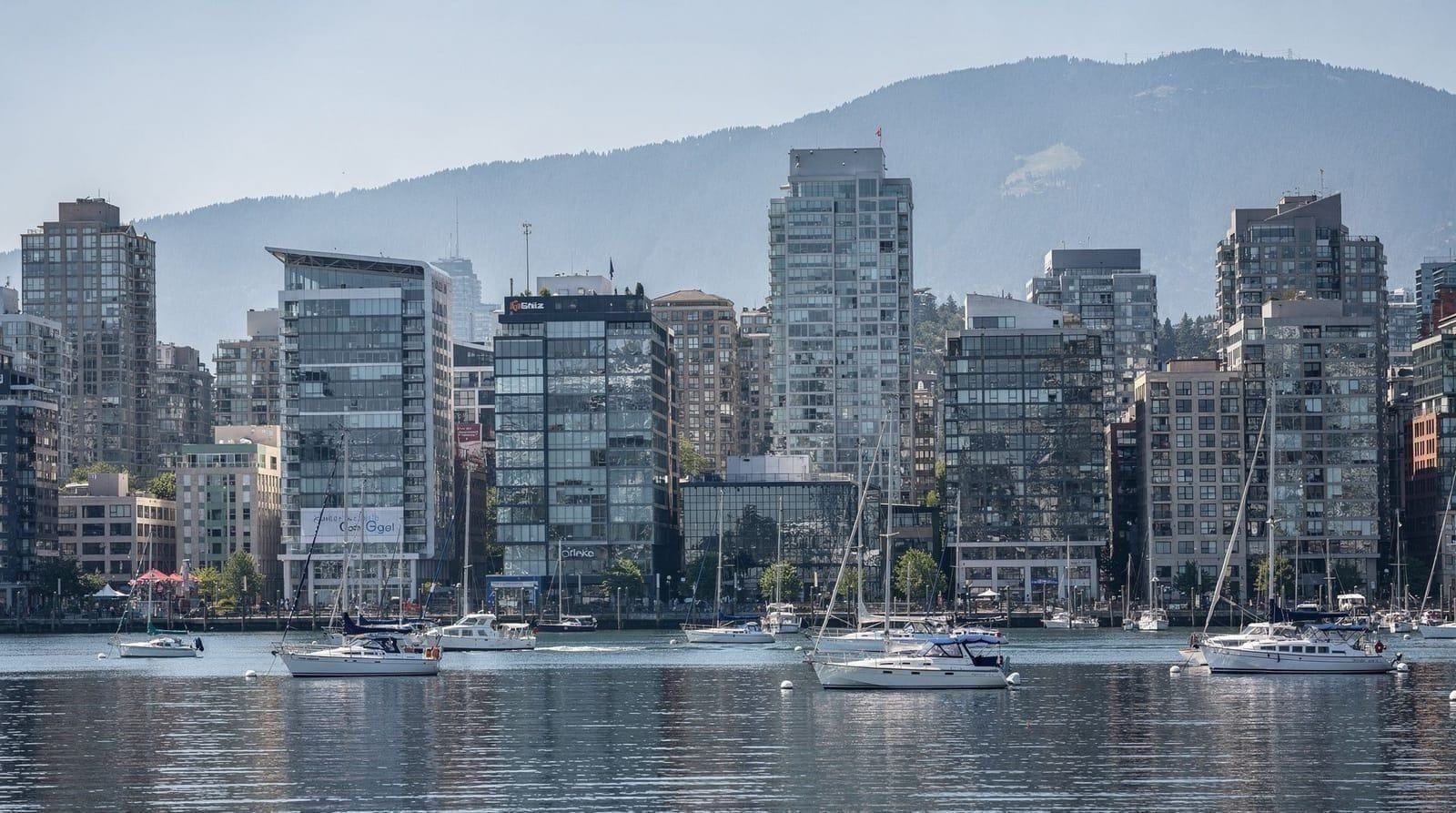
Coal Harbour, along downtown’s northern waterfront, offers some of the city’s most upscale accommodation with direct harbour and mountain views, plus easy access to the marina where several whale watching and seaplane tours depart. It’s quieter than Yaletown or downtown’s Robson Street corridor, appealing to travelers who want a premium, low-key base without straying from the downtown core, though it comes at a corresponding price premium and slightly fewer walkable dining options than Yaletown’s warehouse district. It’s a strong choice specifically for travelers whose trip includes a whale watching, sailing, or seaplane tour, since several departure points sit within a short walk of the marina itself.
Gastown and Chinatown
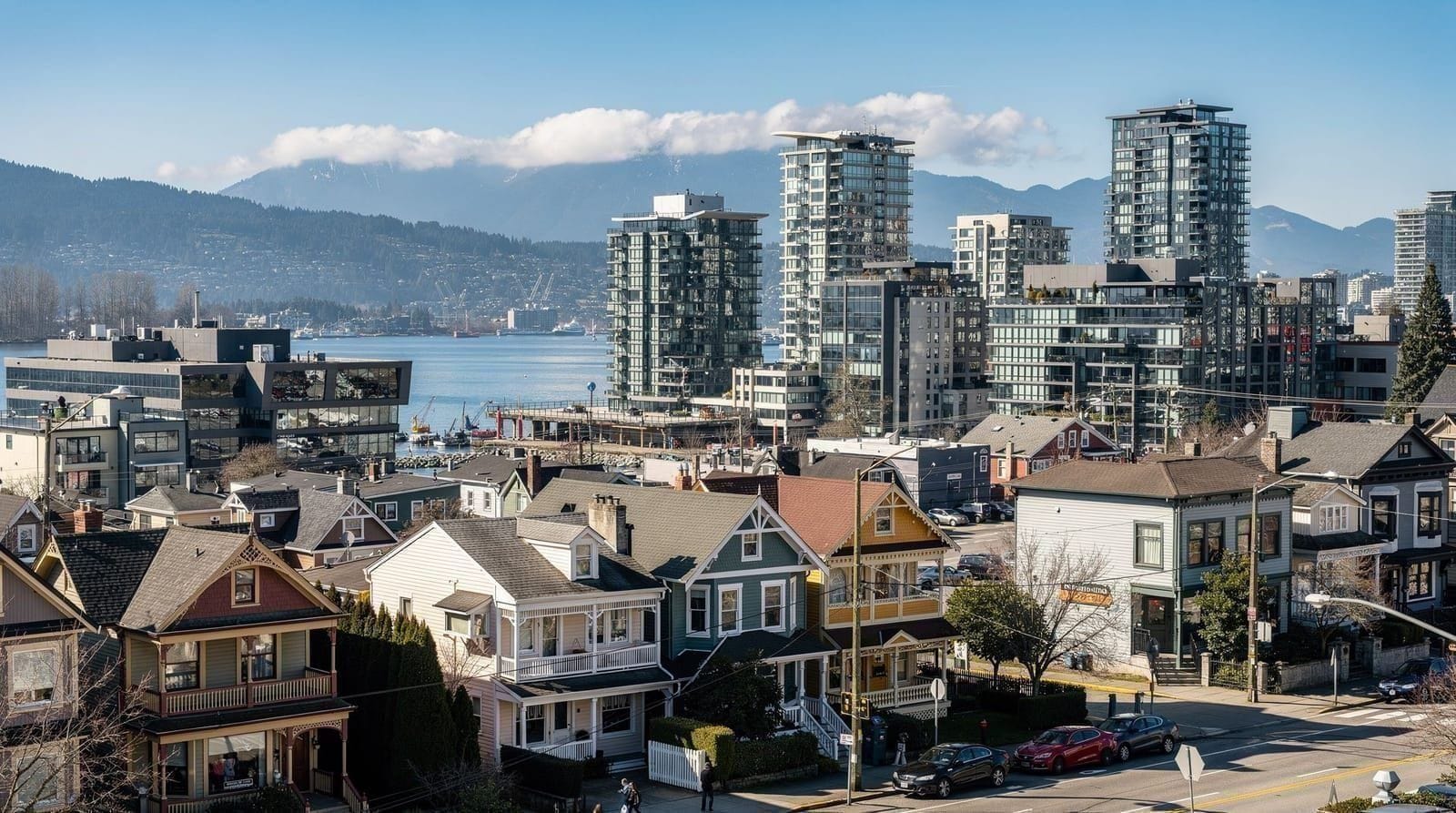
Gastown offers the city’s most distinctive historic character — Victorian architecture, cobblestone streets, and a genuinely strong cocktail bar and restaurant scene — at accommodation prices that can run below downtown proper for comparable quality. The honest caveat is proximity to the Downtown Eastside, which has visible homelessness and drug use concerns; most visitor-facing hotels in Gastown sit on its western, more polished edge, but it’s worth being aware of the neighborhood’s boundaries rather than assuming the entire area matches its most photogenic blocks. Chinatown, adjacent to Gastown, shares similar considerations alongside genuinely excellent, authentic food options.
Kitsilano
Kitsilano, across English Bay from downtown, trades a longer commute — typically 15-20 minutes by bus or a short drive to downtown attractions — for beach access, a laid-back residential feel, and accommodation prices that generally run below the downtown core. It suits families, longer stays, and travelers who want a genuinely local neighborhood experience over walkable proximity to every major attraction.
The neighborhood also connects reasonably well to Granville Island by a short bus ride or an even shorter trip on one of the small False Creek passenger ferries, keeping the market within easy reach despite the extra distance from downtown proper. Kits Beach itself, along with a strong cafe and independent shop scene along 4th Avenue, gives the area enough of its own draw that some visitors base here deliberately rather than as a budget compromise.
Granville Island and the neighborhoods around it
Granville Island itself has limited standalone accommodation, functioning more as a destination than a hotel base, but Yaletown and Kitsilano both sit close enough to make it an easy daily add-on regardless of which one is chosen as the actual base. Visitors specifically prioritizing proximity to the Public Market and its food scene should lean toward Yaletown for the shorter connection.
East side neighborhoods
Commercial Drive and Main Street-Mount Pleasant sit further from the downtown tourist core but offer genuinely lower accommodation prices and a stronger sense of local, non-touristy Vancouver — independent cafes, craft breweries, and a younger, more bohemian character than downtown’s hotel districts. They require more transit time to reach Stanley Park and downtown attractions, making them better suited to travelers prioritizing budget and local character over minimizing commute time, or to longer stays where a daily transit trip downtown is less of a burden.
North Shore
Staying in North Vancouver or West Vancouver makes sense specifically for visitors prioritizing proximity to Capilano Suspension Bridge, Grouse Mountain, and North Shore hiking over downtown convenience — the SeaBus connection to downtown keeps the commute reasonable, around 12 minutes plus connecting transit, but it’s a less central choice for a first Vancouver stay and works best for a second visit or a trip weighted heavily toward outdoor activities over city sightseeing.
Matching neighborhoods to traveler type
First-time visitors with no strong preference do best in downtown or the West End, both offering the shortest average distance to the city’s must-see attractions. Couples and food-focused travelers should lean toward Yaletown or Gastown for the dining and nightlife density. Families benefit from Kitsilano or the West End, both offering more apartment-style accommodation with kitchens than downtown’s hotel-heavy core, useful for meal flexibility and extra space.
Budget travelers should look at Kitsilano, Commercial Drive, Mount Pleasant, or hostel options within Gastown and downtown itself, all of which undercut the core neighborhoods’ rates while remaining transit-connected. The neighborhoods guide covers each area’s character in more depth beyond the accommodation-specific lens used here.
Traveling as a couple versus a group
Couples have the most flexibility of any traveler type, since most Vancouver neighborhoods work reasonably well for two people regardless of priority — the decision usually comes down to whether dining and nightlife (Yaletown, Gastown) or a quieter, more scenic base (West End, Kitsilano) matters more. Larger groups and multi-generational families should lean toward neighborhoods with a higher concentration of apartment-style or multi-bedroom short-term rentals — Kitsilano, Commercial Drive, and Mount Pleasant again outperform the hotel-heavy downtown core here, since splitting a group across multiple standard hotel rooms is usually costlier than one larger rental unit.
Booking timing and pricing
Accommodation prices swing meaningfully by season, with July-August commanding the year’s highest rates across every neighborhood and January-February the lowest outside the Christmas/New Year spike — the is Vancouver expensive guide covers exact seasonal cost differences. Regardless of season, booking several weeks ahead for downtown, Yaletown, or Coal Harbour properties gets meaningfully better rate options than last-minute booking, particularly around major events like Canada Day or the Christmas Market season covered in the festivals guide.
Hotels versus short-term rentals
Downtown, Yaletown, and Coal Harbour skew heavily toward traditional hotels, from major chains to independent boutique properties, with relatively limited Airbnb-style inventory compared to some other North American cities given local short-term rental regulations. Kitsilano, Commercial Drive, and Mount Pleasant have a somewhat higher proportion of apartment-style short-term rentals, which suits travelers wanting kitchen facilities or more space than a standard hotel room offers.
Families and longer-stay visitors specifically benefit from checking short-term rental options in these residential neighborhoods, since the cost-per-night often compares favorably to a downtown hotel once the added value of a kitchen and separate living space is factored in.
Staying near the cruise terminal
Visitors on a pre- or post-cruise stay should prioritize proximity to Canada Place, the downtown cruise terminal — downtown proper and Coal Harbour both sit within easy walking or short taxi distance, minimizing transfer stress on embarkation or disembarkation day. The Alaska cruise stopover itinerary builds specifically around this logistics-first approach, prioritizing a short, reliable transfer over a neighborhood with more character but a longer trip to the port.
Length of stay considerations
A short 2-3 day visit benefits most from staying centrally — downtown or the West End — to minimize the amount of daily transit eaten into limited sightseeing time. Longer stays of 5 days or more can afford to trade some central convenience for a neighborhood with more character or lower cost, since the extra 10-15 minutes of transit per day matters proportionally less across a longer trip, and a quieter, more residential base like Kitsilano can make the visit feel less like a tourist itinerary and more like actually living in the city for a stretch.
Neighborhoods for a second or third Vancouver visit
Repeat visitors who’ve already covered downtown’s headline sights often gravitate toward Commercial Drive or Main Street-Mount Pleasant specifically because they offer a genuinely different, more local slice of the city than a first-trip itinerary typically covers. These neighborhoods trade some walkability to the North Shore and Stanley Park for a stronger independent café, brewery, and restaurant scene that rewards a slower, more exploratory pace than a checklist-driven first visit. Visitors planning a longer return trip, or splitting a stay across two bases, might consider a few nights downtown followed by a few nights in one of these east-side neighborhoods to get both sides of the city in one trip.
Choosing based on trip length specifically
A 2-night stay strongly favors downtown or the West End, since the added transit cost of a further-out neighborhood eats disproportionately into such a short visit. A 4-to-6-night stay has more room to trade some central convenience for character or budget, particularly if a specific interest — food, nightlife, family space — points clearly toward Yaletown, Kitsilano, or the east side. Stays of a week or longer benefit most from a genuinely residential base like Kitsilano or Commercial Drive, since the daily transit cost matters proportionally less and the neighborhood itself becomes part of the experience rather than just a place to sleep.
Safety considerations in more detail
Vancouver overall is a safe city for visitors, with violent crime concentrated in patterns typical of most major North American cities rather than posing a specific tourist risk. The one area worth understanding in more detail is the Downtown Eastside, a several-block area adjacent to Gastown and Chinatown with a visible and well-documented homelessness and drug use crisis.
It’s not an area most visitors need to actively avoid — daytime walks through parts of it, particularly toward Chinatown’s restaurants, are common and generally uneventful — but it’s worth knowing the geography before booking accommodation specifically in or immediately adjacent to it, and worth exercising normal city awareness at night in that specific zone the way a visitor would in any city’s comparable district.
Solo travelers and where to base
Solo travelers generally do well in downtown, the West End, or Yaletown, all of which offer the easiest access to walkable evening activity without needing to plan transit home late at night. Hostels concentrated in downtown and Gastown provide a genuine budget and social option for solo travelers specifically, often with organized activities or common areas that make meeting other travelers easier than a standard hotel stay would.
Rough price comparison across neighborhoods
Exact rates shift constantly with season and demand, but the relative ordering across neighborhoods stays fairly consistent year-round. Downtown, Coal Harbour, and Yaletown typically command the highest rates in the city for comparable room quality, reflecting both their central location and their concentration of upscale properties. The West End and Gastown usually run somewhat below that tier, offering similar proximity to major attractions at a modest discount.
Kitsilano, Commercial Drive, and Mount Pleasant sit lower still, often 15-25% below downtown rates for equivalent quality, in exchange for the longer commute already described. Hostels, concentrated in downtown and Gastown, remain the cheapest formal accommodation option citywide regardless of neighborhood, typically running well under half of even a budget hotel’s nightly rate.
Booking near attractions versus booking near transit
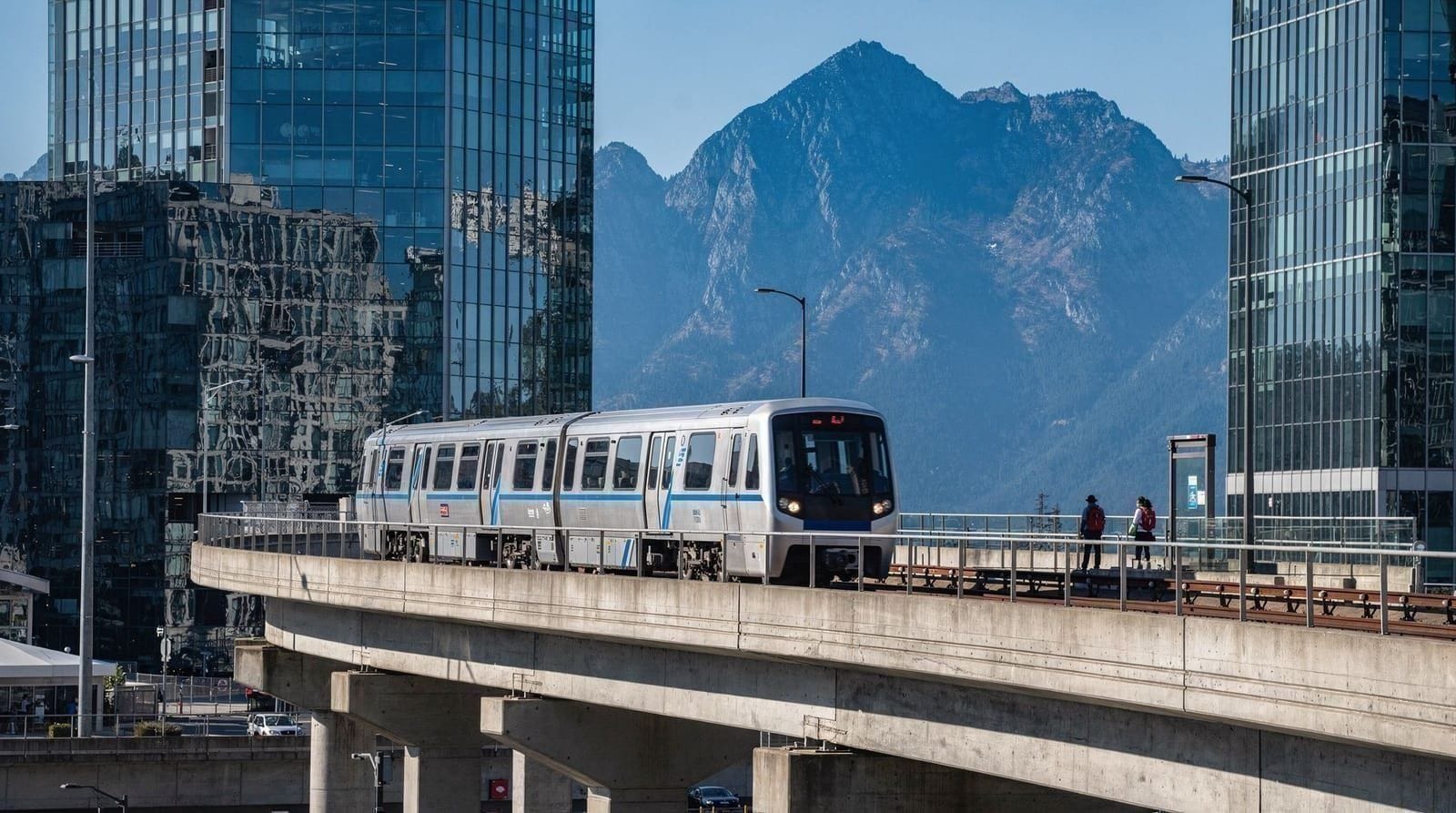
A useful mental shortcut for choosing between similarly priced options in different neighborhoods is to prioritize transit proximity over attraction proximity specifically — a hotel a five-minute walk from a SkyTrain station connects to the entire city, while a hotel a five-minute walk from a single attraction only benefits trips built around that one spot. Downtown and the West End score well on both counts simultaneously, which is part of why they remain the default recommendation, but for neighborhoods further out, checking walking distance to the nearest SkyTrain or SeaBus stop is often more useful than checking distance to any single attraction.
Business travelers and conference visitors
Downtown and Coal Harbour remain the clear default for business travelers, given proximity to the Vancouver Convention Centre, the main business district, and the highest concentration of full-service hotels with the amenities a corporate trip typically expects. Yaletown is a reasonable secondary option for business travelers who want a somewhat quieter evening base with strong dining nearby, still an easy walk or short taxi from most downtown meeting venues.
What each neighborhood is missing
It’s worth being honest about the trade-offs rather than presenting every neighborhood as equally strong. Downtown’s business-district feel means evenings can be quieter than expected outside a handful of entertainment blocks. Yaletown’s dining strength doesn’t extend to budget options, so travelers on a tight food budget may find themselves traveling elsewhere for cheaper meals.
Kitsilano’s beach appeal fades outside the warmer months, leaving a pleasant but unremarkable residential neighborhood for a winter stay. Gastown’s historic character comes with genuine proximity to the Downtown Eastside that some travelers prefer to avoid entirely. None of these are disqualifying, but they’re worth weighing against whatever specific strength drew a traveler to each area in the first place.
The bottom line
For a first Vancouver visit with no strong secondary priority, downtown or the West End remain the safest, most convenient choices. Once a specific priority emerges — food and nightlife, budget, beach access, or family space — the neighborhood answer shifts accordingly, and Vancouver’s compact core means even a “second choice” neighborhood rarely adds more than 15-20 minutes of extra transit time to reach the city’s core attractions. The getting around Vancouver guide covers exactly how each neighborhood connects to the rest of the city, useful for weighing a lower-cost or more characterful neighborhood against the convenience of staying centrally.
When in doubt, and especially for a first visit, defaulting to downtown or the West End and adjusting on a return trip once personal priorities are clearer remains the lowest-risk choice — both neighborhoods make it easy to reach every other part of this guide’s recommendations within a short transit ride or walk. Whatever neighborhood is ultimately chosen, cross-checking it against the getting around and neighborhoods guides before booking helps confirm it actually matches the trip’s real priorities rather than just its reputation.
There’s no wrong choice among the neighborhoods covered here, only trade-offs — and understanding those trade-offs before booking, rather than discovering them on arrival, is what separates a well-matched accommodation choice from one that quietly undermines an otherwise well-planned trip. For a return visit, once a first trip has revealed which parts of the city appealed most, switching to a different neighborhood entirely — Kitsilano after a downtown-based first trip, for instance — is a genuinely good way to see a different side of Vancouver rather than defaulting to the same base every time.
Pairing your neighborhood with an activity to book early
Once a base is chosen, it’s worth locking in at least one activity near it before arrival rather than figuring everything out on the ground. Visitors based in Gastown or Yaletown do well booking a Gastown walking food tour for an early evening, since both neighborhoods sit within easy walking distance of the historic district’s restaurants and bars.
Visitors leaning toward Yaletown or Kitsilano specifically for the Granville Island connection should consider a Granville Island food walking tour, which pairs naturally with either base and makes good use of the short ferry or bus connection across False Creek.
Airport-adjacent stays for early flights
Visitors with an early departure or a late arrival sometimes consider staying near Vancouver International Airport (YVR) in Richmond rather than downtown for the first or last night of a trip. This trades downtown convenience for a shorter transfer on travel days, and Richmond itself has its own draws — the night market and dumpling trail among them — making it a reasonable one-night bookend rather than a full-trip base for most visitors whose main sightseeing centers on downtown Vancouver and the North Shore.
Frequently asked questions — Where to stay in Vancouver
Is downtown Vancouver a safe area to stay?
Yes, downtown Vancouver — including the West End, Yaletown, and Coal Harbour — is generally safe for visitors, with the caveat that parts of the Downtown Eastside, adjacent to Gastown and Chinatown, have visible homelessness and drug use issues. Most visitor-facing hotel areas sit well outside that specific zone, but it's worth knowing the boundary if choosing accommodation near Gastown or Chinatown specifically.Should I stay near Stanley Park or downtown?
The West End sits directly between the two, offering the closest walk to Stanley Park while remaining a short walk from downtown's core attractions and transit — making it a strong middle-ground choice rather than forcing a strict either/or decision between park proximity and downtown convenience.Is Kitsilano a good place to stay in Vancouver?
Kitsilano suits travelers prioritizing beach access, a laid-back neighborhood feel, and slightly lower accommodation prices than downtown, at the cost of a longer commute — typically 15-20 minutes by bus or a short drive — to downtown attractions and Stanley Park. It works well for longer stays or travelers who want a quieter home base outside the tourist core.Where should families stay in Vancouver?
Kitsilano and the West End both suit families well — Kitsilano for beach access and a residential, low-key pace, and the West End for proximity to Stanley Park's Aquarium and playgrounds combined with easy downtown access. Both offer more Airbnb and apartment-style accommodation than downtown's hotel-heavy core, useful for families needing extra space or kitchen facilities.What's the most budget-friendly area to stay in Vancouver?
Neighborhoods slightly outside the downtown core — parts of Kitsilano, Commercial Drive, and Mount Pleasant — typically offer lower accommodation rates than downtown, Yaletown, or Coal Harbour, while still connecting to the city center by a reasonably short transit ride. Hostels in the Downtown Eastside-adjacent parts of Gastown and downtown itself are also a genuine budget option for travelers prioritizing cost over neighborhood polish.How far is Granville Island from downtown hotels?
Granville Island sits a 15-20 minute walk from Yaletown or a short bus/mini-ferry ride from most downtown hotels, making it an easy add-on regardless of which central neighborhood a visitor books. It's not itself a major hotel base, but its proximity to Yaletown and Kitsilano makes both reasonable choices for visitors who want to be near the market.
Top experiences
Bookable activities with verified prices and instant confirmation on GetYourGuide.