How many days do you actually need in Vancouver
The honest answer depends entirely on whether Vancouver is the whole trip or the launching point for the wider region — Whistler, Victoria, and the Sea-to-Sky corridor all sit close enough that most visitors end up wanting more time than they originally budgeted. This breaks the decision down by what each length actually allows, not just how many attractions can theoretically be crammed in.
| Realistic minimum | 3 days for a proper first visit to the city itself |
| With one region trip | 4 days (Whistler or Victoria as a day trip) |
| With an overnight region trip | 5 days (Whistler or Victoria as an overnight) |
| Both regions properly | 7+ days |
| Cruise stopover | 1-2 days (downtown core only) |
Day-by-day breakdown by trip length
| Length | City core | North Shore | Region trip |
|---|---|---|---|
| 1 day | Partial (Seawall, Gastown) | No | No |
| 2 days | Full | One half-day add-on | No |
| 3 days | Full | Full day | One day trip possible |
| 4 days | Full | Full day | One full day trip, unrushed |
| 5 days | Full | Full day | One overnight (Whistler or Victoria) |
| 7+ days | Full plus extra neighbourhoods | Full day | Both regions separately |
One day: a cruise stopover, not a real visit
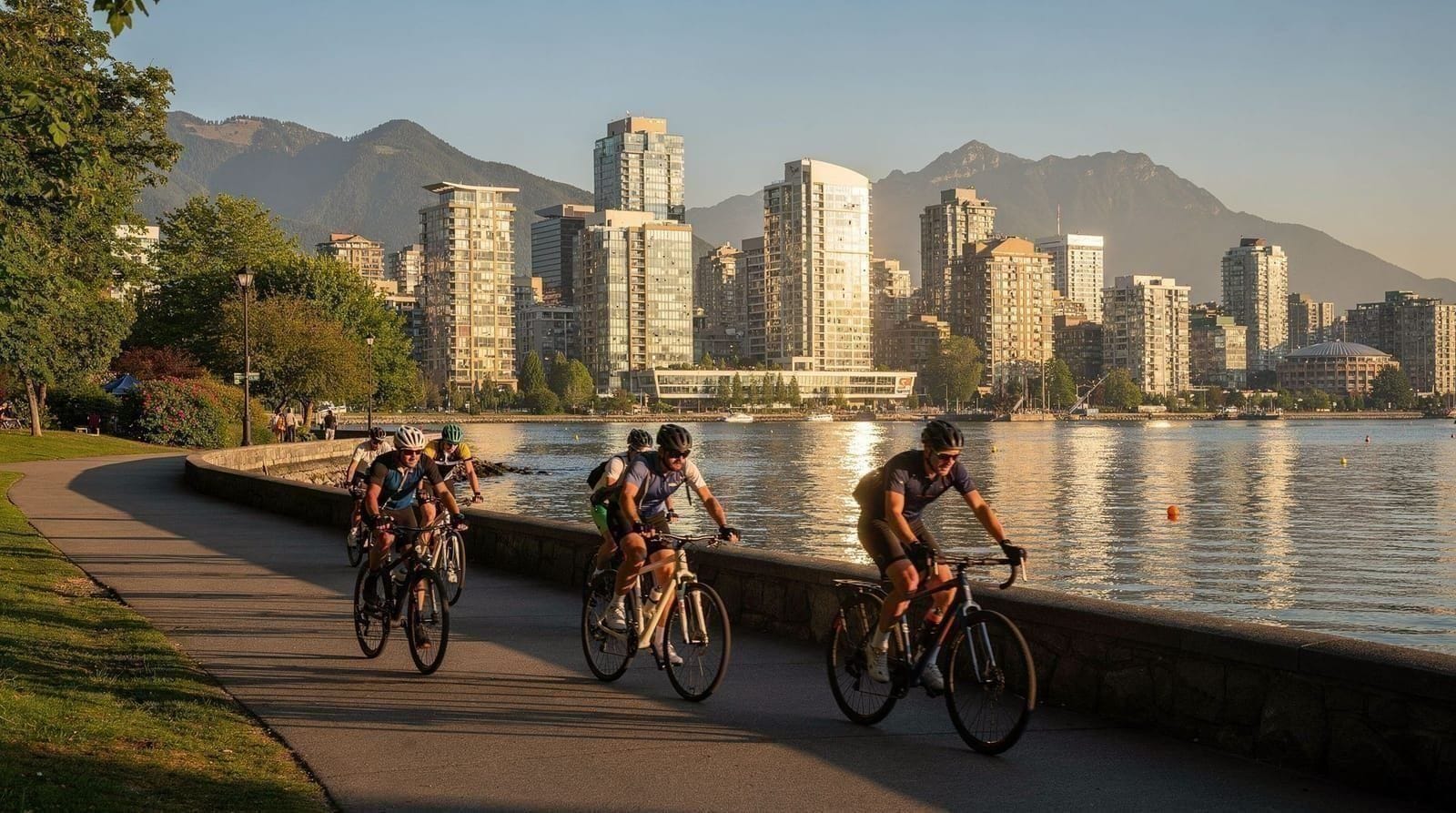
A single day in Vancouver, typical for Alaska cruise passengers on a pre- or post-cruise stopover, covers the downtown core realistically: Stanley Park’s Seawall (or a shorter section of it), Gastown, and Granville Island if timing allows. It does not allow for Whistler, Victoria, or any North Shore mountain in the same day without an exhausting, poorly-paced sprint. The one-day Vancouver itinerary lays out a realistic single-day route, and the Alaska cruise stopover guide covers the two-day version most cruise passengers actually have available.
Two days: downtown plus one bigger excursion
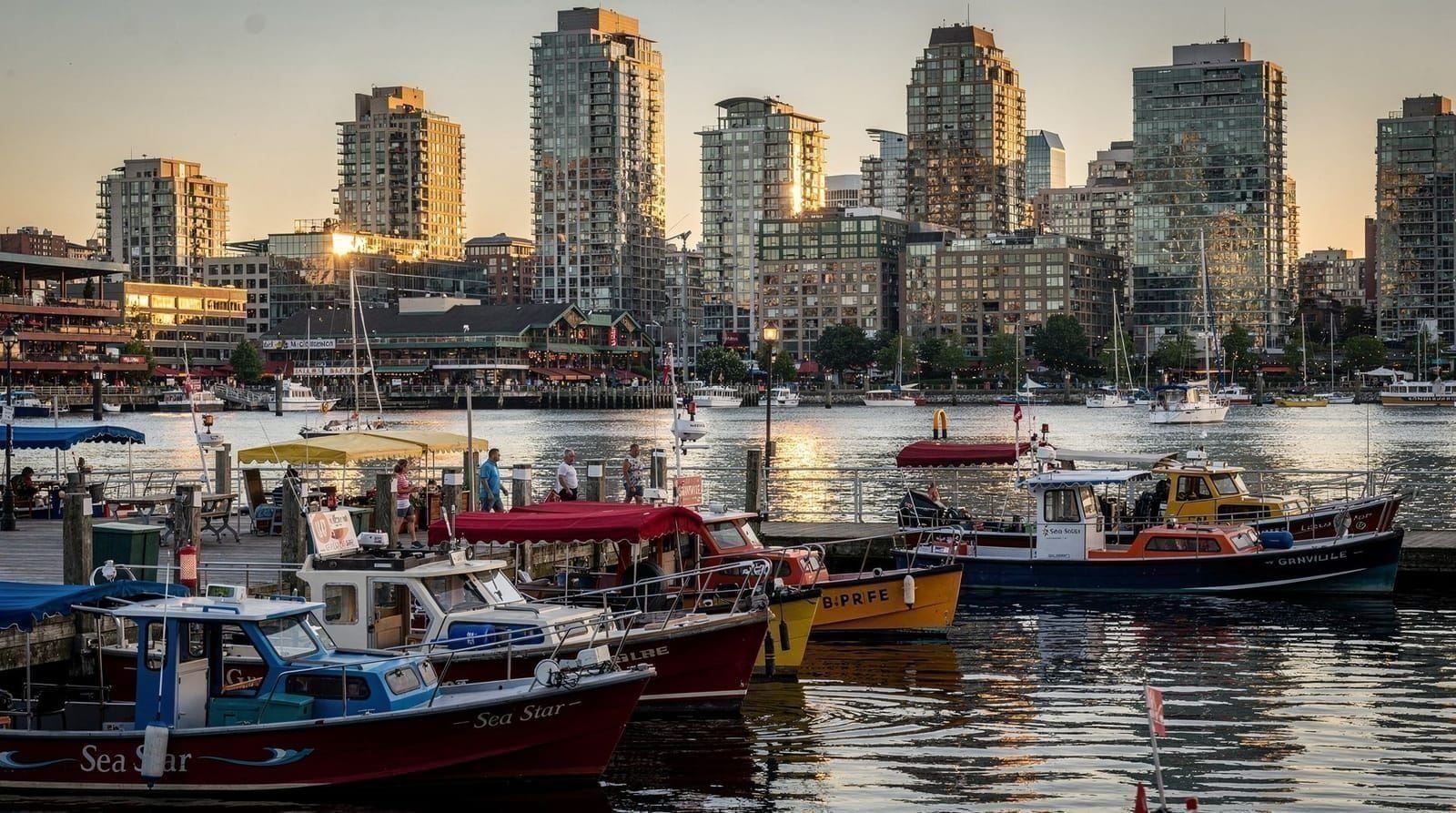
Two days is enough to properly cover downtown and add one substantial half-day excursion — Capilano Suspension Bridge and Grouse Mountain together, or a Granville Island and Stanley Park combination. It’s still tight for anything requiring a full day away from the city, like Whistler or Victoria, which both eat 8 to 12 hours round trip once travel time is factored in. The two-day itinerary is built around this exact tradeoff: enough time for one genuinely substantial add-on beyond the city core.
Three days: the realistic minimum for a proper first visit
Three days is where a Vancouver trip stops feeling rushed. It allows a full day downtown (Stanley Park, Gastown, Granville Island), a full day on the North Shore (Capilano and Grouse, or a hiking-focused alternative like Lynn Canyon and Quarry Rock), and either a third day exploring neighbourhoods more slowly or a single day trip to Whistler or Victoria. This is the length most first-time visitors should target if the city itself, not the wider region, is the priority. The three-day itinerary is the most detailed version of this on the site, and it’s worth reading even for visitors planning a longer stay, since it establishes the core route that longer itineraries build on.
Four days: room for one region trip without rushing the city
Four days adds enough slack to fit a full day trip to either Whistler or Victoria without compressing the city-based days. It’s the first length where “seeing Vancouver” and “seeing the wider region” both feel properly covered rather than one being sacrificed for the other. The four-day itinerary and the four-day family itinerary both work from this assumption — city core plus one substantial regional day trip, paced for genuine enjoyment rather than checklist completion.
Five days: Whistler or Victoria as an overnight, not just a day trip
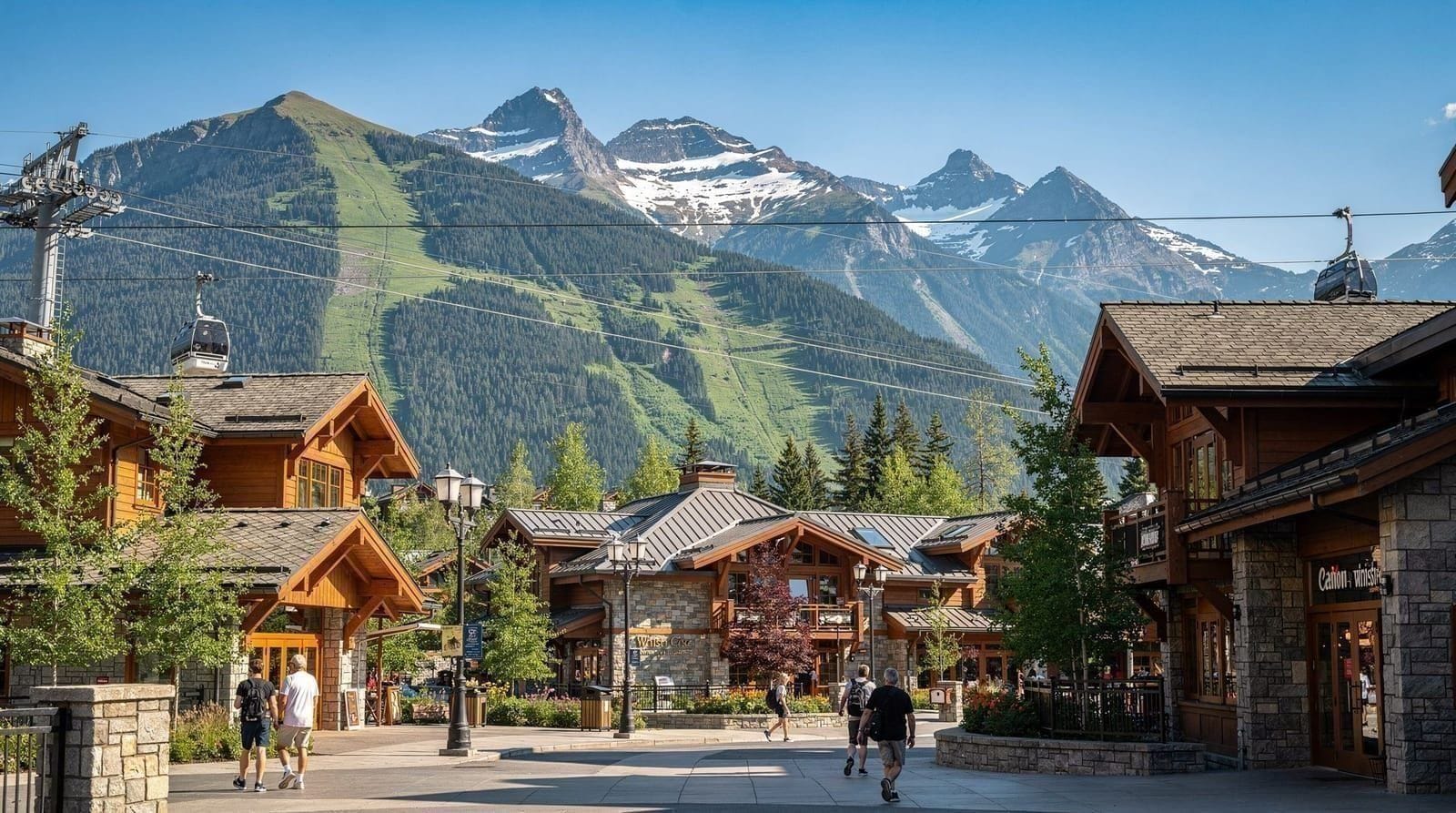
At five days, the math changes: instead of squeezing Whistler or Victoria into a single long day, there’s enough time to overnight in one of them, which meaningfully changes the experience. A one-night Whistler stay allows an evening in the village and a full second day on the mountain or trails, rather than the rushed there-and-back of a single-day tour.
The Vancouver and Whistler five-day itinerary and the Vancouver and Victoria five-day itinerary both build around this overnight structure, and for most visitors weighing which region to prioritize, this is the length where the choice actually matters — Whistler for mountains and outdoor activity, Victoria for a slower, more historic pace with Butchart Gardens attached.
A week or more: both regions, properly
A full week or longer allows both Whistler and Victoria as separate excursions, plus enough slack in the city itself for neighbourhoods that shorter trips skip entirely — Commercial Drive, Chinatown, Richmond’s dumpling scene. This is genuinely the length at which Vancouver as a base for the wider region starts to make sense, rather than treating the region as an afterthought squeezed around a city-focused trip.
What determines the right length for you
Trip length should follow priorities, not the other way around. Visitors purely interested in the city itself rarely need more than three or four days; the marginal value of a fifth or sixth day in downtown Vancouver alone drops off fast once the major neighbourhoods and Stanley Park are covered. Visitors who came for the region — skiing at Whistler, whale watching off Victoria, hiking in Squamish — should think in terms of the city as a base rather than a destination, and budget accordingly: two days downtown, then as many additional days as the regional activities genuinely require.
A guided city highlights tour is a reasonable way to compress a lot of downtown ground into a single organized day for visitors on the shorter end of this range, covering Stanley Park, Gastown, and other core sights without the planning overhead of a self-guided route. For visitors wanting flexibility to hop on and off at their own pace instead, a hop-on hop-off bus pass covers similar ground with more control over timing at each stop, which suits travelers who’d rather linger somewhere unplanned than follow a fixed schedule.
The mistake most short-stay visitors make
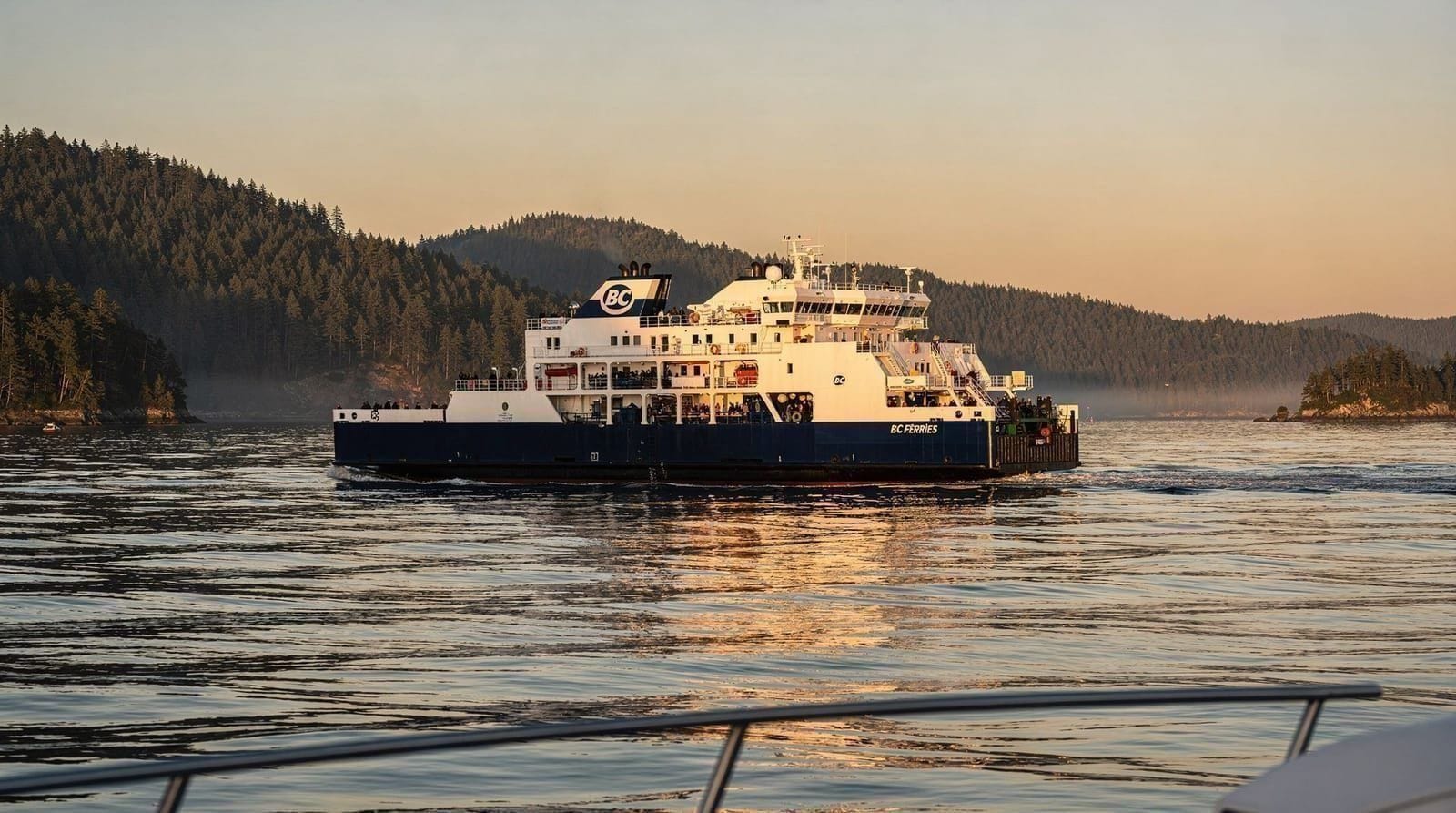
The most common planning error isn’t choosing too few days — it’s trying to fit a week’s worth of activities into three days by cutting travel time down to unrealistic margins. Whistler and Victoria both require real time: 1 hour 45 minutes each way to Whistler, and a similar or longer round trip to Victoria once the ferry crossing is included. Squeezing either into a short city-focused trip means either arriving exhausted or leaving with almost no time at the destination itself. The better approach on a short trip is to skip the day trip entirely and do it properly on a return visit, rather than doing a rushed, unsatisfying version that undersells what Whistler or Victoria actually offer.
What a rushed day actually costs you
It’s worth being specific about what gets lost on a compressed trip, since “rushed” is easy to say and harder to picture. A one-day visitor sees Stanley Park’s Seawall and Gastown but almost never gets to the North Shore mountains at all — Capilano and Grouse both require a 20-to-30-minute drive or bus ride each way, which simply doesn’t fit alongside a downtown-focused single day.
A two-day visitor typically has to choose between the North Shore and a proper Granville Island visit, since fitting both alongside a full downtown day means rushing at least one of them. These aren’t minor compromises; Capilano and Grouse together are arguably as central to a Vancouver visit as Stanley Park itself, and a trip that skips them on account of tight scheduling is missing a real piece of what the city is known for.
Weekday versus weekend planning
Trip length interacts with day-of-week timing more than most visitors account for. Granville Island, Capilano, and Grouse Mountain are all considerably more crowded on weekends, particularly in summer, which means the same three-day itinerary run Monday through Wednesday will feel noticeably more relaxed than the identical route run Friday through Sunday. Visitors with flexibility on arrival date should lean toward starting a short trip midweek if crowd levels matter more to them than weekend nightlife energy, since Vancouver’s paid attractions don’t expand capacity to match weekend demand the way some destinations do.
Combining city days with a day trip realistically
Anyone tempted to combine a full city day with part of a Whistler or Victoria day trip on a short visit should reconsider — both regional trips involve enough one-way travel time (1 hour 45 minutes to Whistler, a comparable or longer trip to Victoria including the ferry) that treating them as a half-day add-on to an already full city day produces two mediocre days rather than one good one. If a day trip is genuinely on the itinerary, it deserves its own full day, not a slice carved out of a city-focused one.
Matching length to season
Trip length interacts with season more than most guides acknowledge. A three-day winter trip built around Whistler skiing needs different pacing than the same three days in July focused on hiking and beaches, since ski days function differently from city-sightseeing days in terms of fatigue and weather dependency. Anyone visiting specifically for ski season should lean toward the longer end of this range if Whistler is the priority, since a single rushed ski day rarely reflects what the mountain actually offers across its 200-day season.
Summer visitors have the opposite luxury: long daylight (sunset past 9pm in July) means a single day can realistically cover more ground than the same itinerary would allow in winter’s shorter, darker afternoons. That extra daylight is worth factoring into trip-length decisions directly — a three-day July visit genuinely fits more activity than a three-day December one, even with an identical list of planned stops, simply because there are more usable daylight hours to spread that activity across.
Frequently asked questions about trip length
What’s the realistic minimum for a first-time visitor?
Three days — enough for a full downtown day, a full North Shore day (Capilano and Grouse, or a hiking alternative), and a third day for neighbourhoods or a single day trip. Two days works if the city core alone is the priority, but it’s tight.
Is a one-day Vancouver stopover worth doing at all?
Yes, if it’s genuinely all the time available — a well-paced single day covers Stanley Park’s Seawall, Gastown, and Granville Island if timing allows. It’s a real, if compressed, taste of the city rather than a wasted layover, provided expectations are set for a rushed pace rather than a relaxed one.
Should I add Whistler or Victoria if I only have three days?
Generally no — adding either as a rushed day trip on a three-day visit means cutting into the city’s own core sights. Four days is the more comfortable minimum for fitting one region trip without compromising the city days.