Getting to Whistler without a car
Not every visitor wants to rent a car and navigate the Sea-to-Sky Highway’s mountain grades, and the good news is that Whistler is one of the easier major ski destinations in North America to reach without one — Highway 99 is well served by shuttle buses, guided day trips, and even a seaplane option, and Whistler Village itself is fully walkable once you’re there.
| Cheapest option | Shuttle bus, ~2.5-3hrs |
| Most flexible | Private transfer, door-to-door |
| Fastest | Seaplane, ~30 min flight |
| Once there | Fully walkable; free WAVE shuttle covers outlying areas |
| Book ahead most in | Winter weekends and holidays |
Shuttle buses: the budget default
Several shuttle bus operators run scheduled service between Vancouver (with pickup points downtown and at YVR) and Whistler Village, typically taking around 2.5 to 3 hours depending on traffic and stops, longer than a direct drive but with no parking to worry about at the other end. Fares run considerably cheaper than a private transfer or a rental car for a single traveler or couple, and buses run multiple times daily in both directions during ski season, tapering to a reduced schedule in the shoulder months of May and October. Booking ahead matters more in winter, when ski season demand fills buses on weekends and holiday periods.
Guided day trips: transport plus a curated stop or two
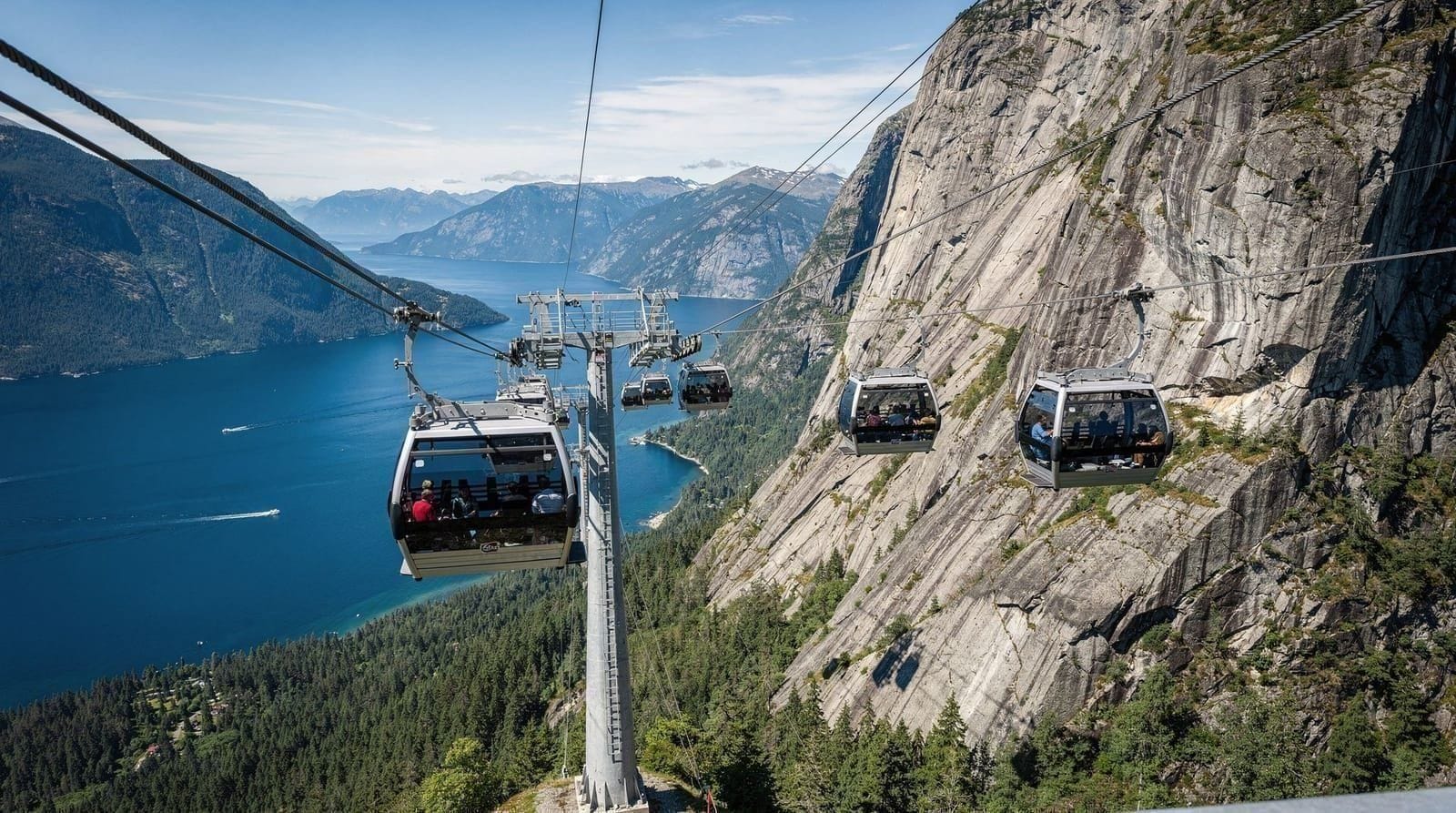
For visitors who want the trip itself organized rather than just the transport, a full-day guided Whistler tour handles the drive and typically builds in a stop at Shannon Falls or the Sea to Sky Gondola along the way, with several hours of free time in Whistler Village before the return drive.
It’s a reasonable middle ground between a bare shuttle bus and a full self-drive itinerary — more structure and context than the bus, less flexibility than a rental car. A combined Sea to Sky Gondola and Whistler day trip is worth considering specifically for visitors who want both stops covered without deciding between them, since the gondola and Whistler together make for a genuinely full but manageable single day.
Private transfers: door-to-door without a schedule
A private transfer to Whistler with stops is the most flexible car-free option, picking up from a specific hotel or address rather than a fixed downtown or airport point, and typically allowing a request for a photo stop or two along the way. It costs more than a shuttle bus, scaling per vehicle rather than per person, which makes it more cost-competitive for groups of three or four splitting the fare than for solo travelers.
Seaplane: the fastest and most expensive option
For a genuinely different experience, a Whistler day trip by seaplane covers the same distance in roughly 30 minutes of flight time rather than the 1 hour 45 minute drive, landing on one of the lakes near Whistler Village. It’s considerably more expensive than any ground option and weather-dependent (fog or low cloud can delay or cancel flights, particularly in winter), but it’s a legitimate choice for visitors treating the journey itself as part of the experience, or anyone tight on time who wants to maximize hours actually spent in Whistler rather than in transit.
Getting around once you’re in Whistler
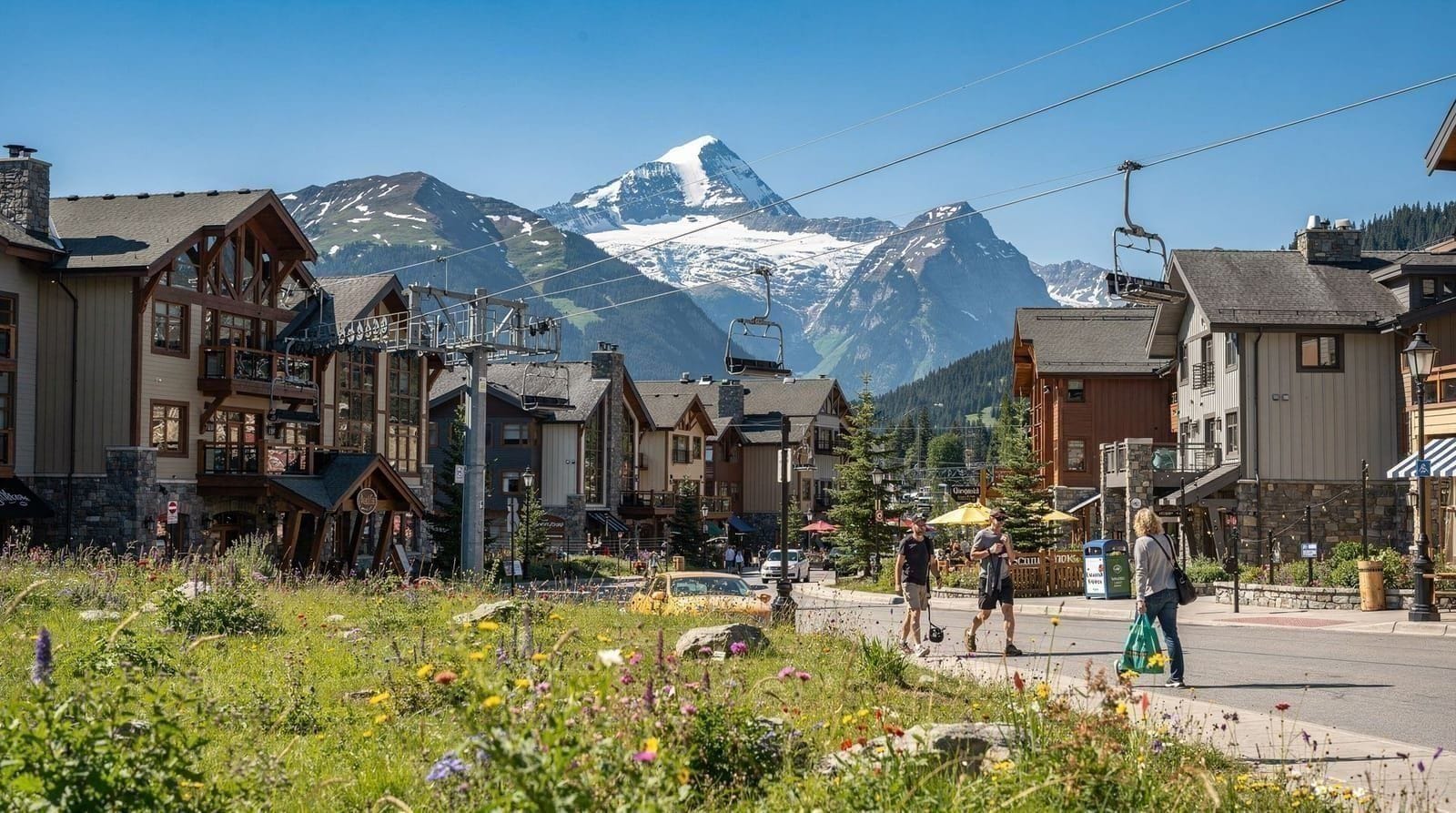
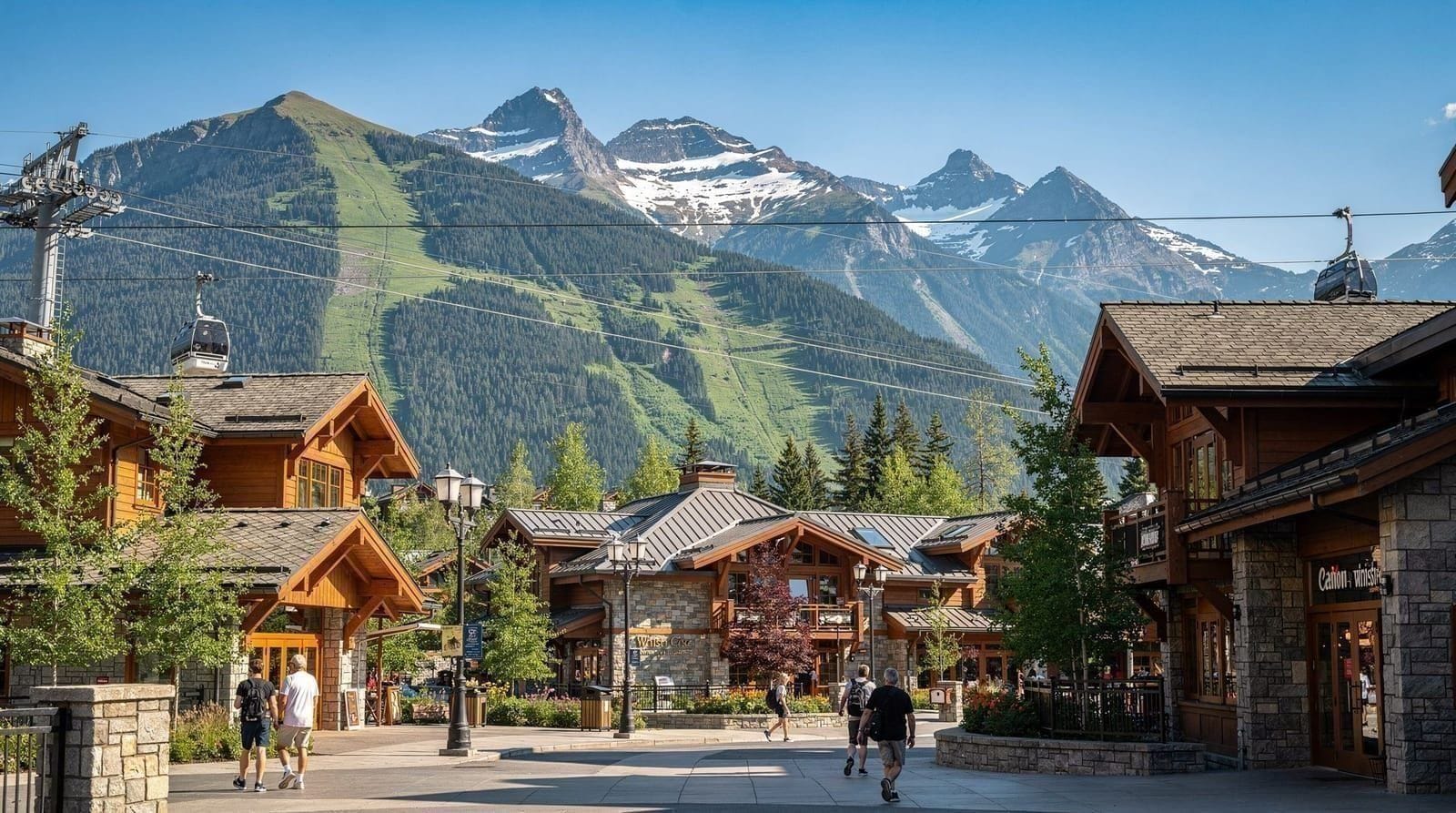
Whistler Village itself is fully pedestrian and requires no vehicle to navigate — restaurants, shops, and the base of the Whistler and Blackcomb gondolas all sit within a compact, walkable core. A free shuttle bus (WAVE, Whistler’s local transit system) connects the village to Creekside and outlying accommodation areas for visitors staying slightly further out, running frequently enough that a car genuinely isn’t necessary even for a multi-day stay. The Peak 2 Peak Gondola guide and Whistler in summer guide both cover what’s reachable on foot or by the village’s internal transit once you’ve arrived without a car.
When a car actually helps
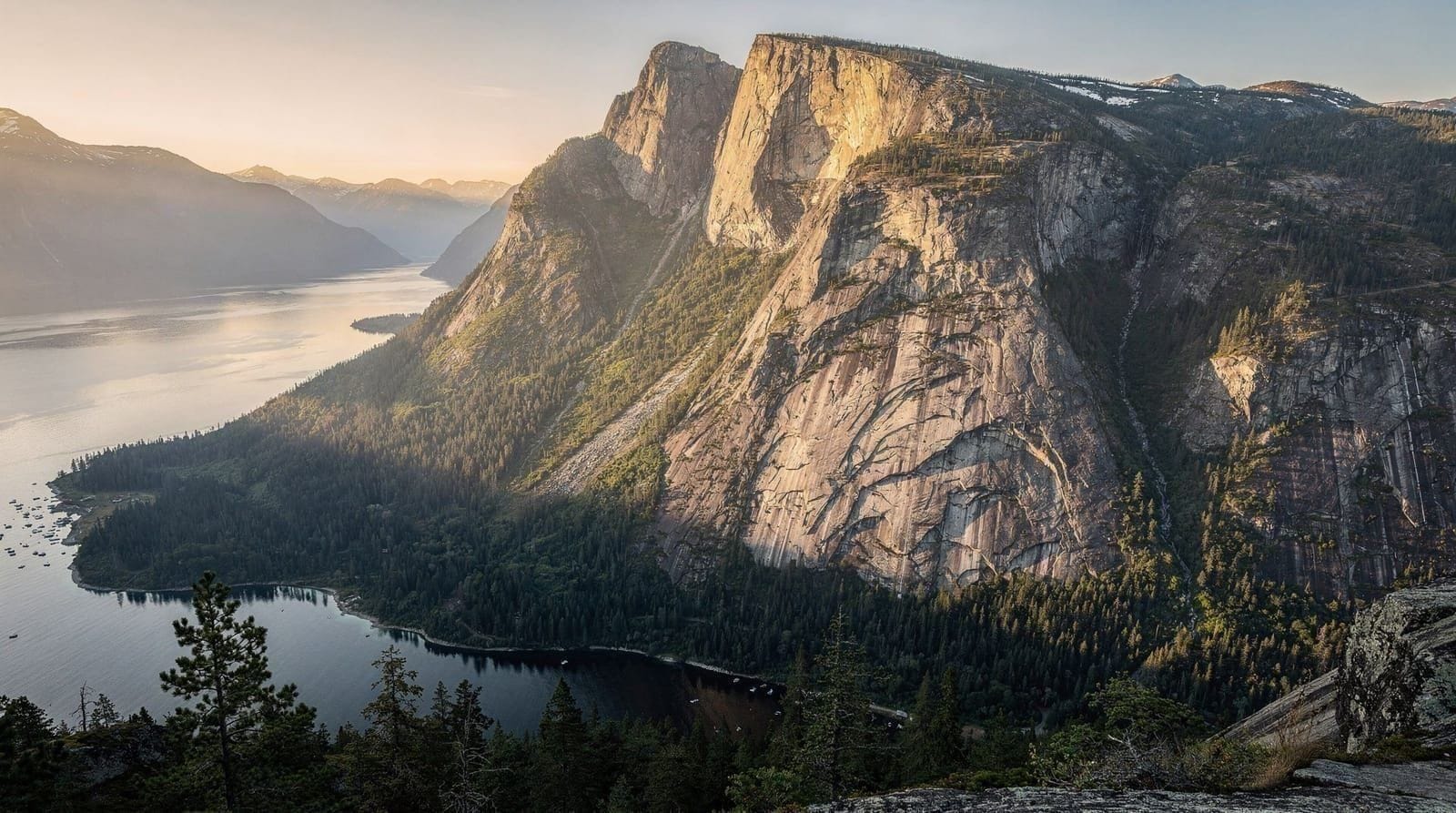
The honest exception: visitors planning to stop extensively along the Sea-to-Sky corridor — Squamish’s Stawamus Chief, multiple waterfalls, a leisurely pace through the Sea to Sky Gondola — benefit genuinely from a rental car’s flexibility to linger at each stop on their own schedule. A shuttle bus or guided tour follows a fixed itinerary and timeline; a rental car doesn’t. For a straightforward Vancouver-to-Whistler trip without multiple corridor stops planned, though, the car-free options above cover the trip just as effectively, generally with less stress than mountain driving for visitors unfamiliar with the road.
Cost comparison at a glance
Shuttle buses are the cheapest option per person, typically running less than half the cost of a private transfer for a solo traveler. Guided day trips sit in the middle, bundling transport with a curated stop or two at a moderate premium over a bare shuttle. Private transfers cost more per person for solo travelers but become competitive for groups of three or four splitting a fixed vehicle rate. The seaplane sits well above all of these, justified only if speed or the experience itself is the priority rather than cost efficiency.
Timing considerations by season
Winter (roughly late November through April) sees the heaviest shuttle and transfer demand, driven by ski season, and also the highest chance of weather-related delays on Highway 99 — booking transport in advance and building in schedule buffer matters more in this window than any other. Summer (June through September) offers the most reliable transport with minimal weather disruption, and shoulder seasons (May and October) see reduced service frequency across shuttle operators, worth checking specifically before assuming the same schedule as peak months.
Booking ahead versus buying on arrival
Shuttle buses and guided day trips both benefit from advance booking, particularly during ski season peaks and summer weekends, when popular departure times sell out. Buying on arrival in Vancouver is possible but risky for anyone with a fixed schedule — better to book the specific departure time needed at least a few days ahead, especially around Christmas, New Year’s, and long weekends when demand spikes considerably above the rest of the season.
What to pack for a car-free Whistler day
Regardless of which transport option gets you there, pack for genuine mountain weather rather than Vancouver’s coastal climate — Whistler sits at higher elevation and runs noticeably colder and wetter than the city even on the same calendar day, particularly outside summer. Layers, waterproof outerwear, and proper footwear matter more here than for most other Vancouver day trips, since a shuttle bus or tour won’t accommodate a mid-day return if the weather turns out colder than expected.
Whistler in winter versus summer without a car
Winter visitors relying on shuttle or transfer options should build extra schedule buffer into return trips specifically, since snow and ice on Highway 99 can slow shuttle buses beyond their normal running time, occasionally by an hour or more during storms. Summer visitors face essentially no such risk, making the shoulder seasons (May, June, September, October) the most reliable window for predictable transport timing if that matters more to your plans than either ski conditions or full summer programming. The Whistler summer guide covers what’s actually running outside ski season for anyone planning a car-free summer visit specifically.
Combining car-free Whistler with a longer trip
For visitors staying multiple days, the five-day Vancouver and Whistler itinerary is built around exactly this car-free structure — shuttle or guided transport up, several days based in the walkable village, and the same transport back, without ever needing a rental car for the Whistler portion of the trip. It’s a genuinely comfortable way to experience the mountain without the added logistics and cost of a vehicle sitting mostly unused once you’ve arrived in a village designed entirely around walking.
Group size and the right choice for your trip
Solo travelers and couples are almost always best served by the shuttle bus, since per-person cost scales down with a shared vehicle in a way private transfers don’t. Families and small groups of three or four should compare the shuttle’s cheaper per-person fare against a private transfer’s flat vehicle rate directly, since the math frequently favours the private option once split across four people, with the added benefit of door-to-door pickup rather than a fixed downtown departure point.
Larger groups of six or more, or anyone traveling with significant ski or snowboard equipment in winter, may find that a rental car or a larger private van transfer is genuinely more practical than trying to coordinate multiple shuttle bookings and equipment storage.
Comparing the four options side by side
Choosing between the shuttle bus, guided day trip, private transfer, and seaplane comes down to matching the option to the traveler’s priority rather than assuming one is universally best. A solo traveler on a tight budget is almost always better served by the shuttle bus, since per-person cost scales down with a shared vehicle.
A couple or small group wanting a curated first day, with the gondola or waterfalls built in, gets more value from a guided day trip than assembling stops independently. Larger groups splitting a flat vehicle rate frequently find the private transfer competitive despite its higher headline price, and anyone treating the journey itself as part of the experience — or genuinely tight on time — is the right audience for the seaplane’s speed premium.
What locals actually use
It’s worth noting that a meaningful share of Whistler’s regular weekend visitors from Vancouver skip car ownership logistics entirely by using the same shuttle and bus network described here, rather than owning a second vehicle purely for mountain trips.
That’s a reasonable data point for visitors weighing whether the car-free approach is a compromise or simply the practical local default — for most trips focused specifically on Whistler itself rather than a broader Sea-to-Sky road trip, it’s the latter — the car becomes genuinely useful only once the itinerary expands to include multiple independent stops along Highway 99 rather than a single Whistler destination, and even then, a guided day trip covering the same stops is often less hassle than driving unfamiliar mountain roads solely to see them.
Frequently asked questions about getting to Whistler without a car
Is the shuttle bus reliable in winter weather?
Generally yes, though snow and ice on Highway 99 can add delays during storms — building extra schedule buffer into a winter return trip is worth doing regardless of which shuttle operator is booked.
Is a guided day trip or a bare shuttle bus the better choice for a first visit?
A guided day trip suits first-time visitors who want the Sea-to-Sky Gondola or Shannon Falls built into the day without deciding separately; a bare shuttle suits anyone who just wants the cheapest way to reach Whistler Village itself.