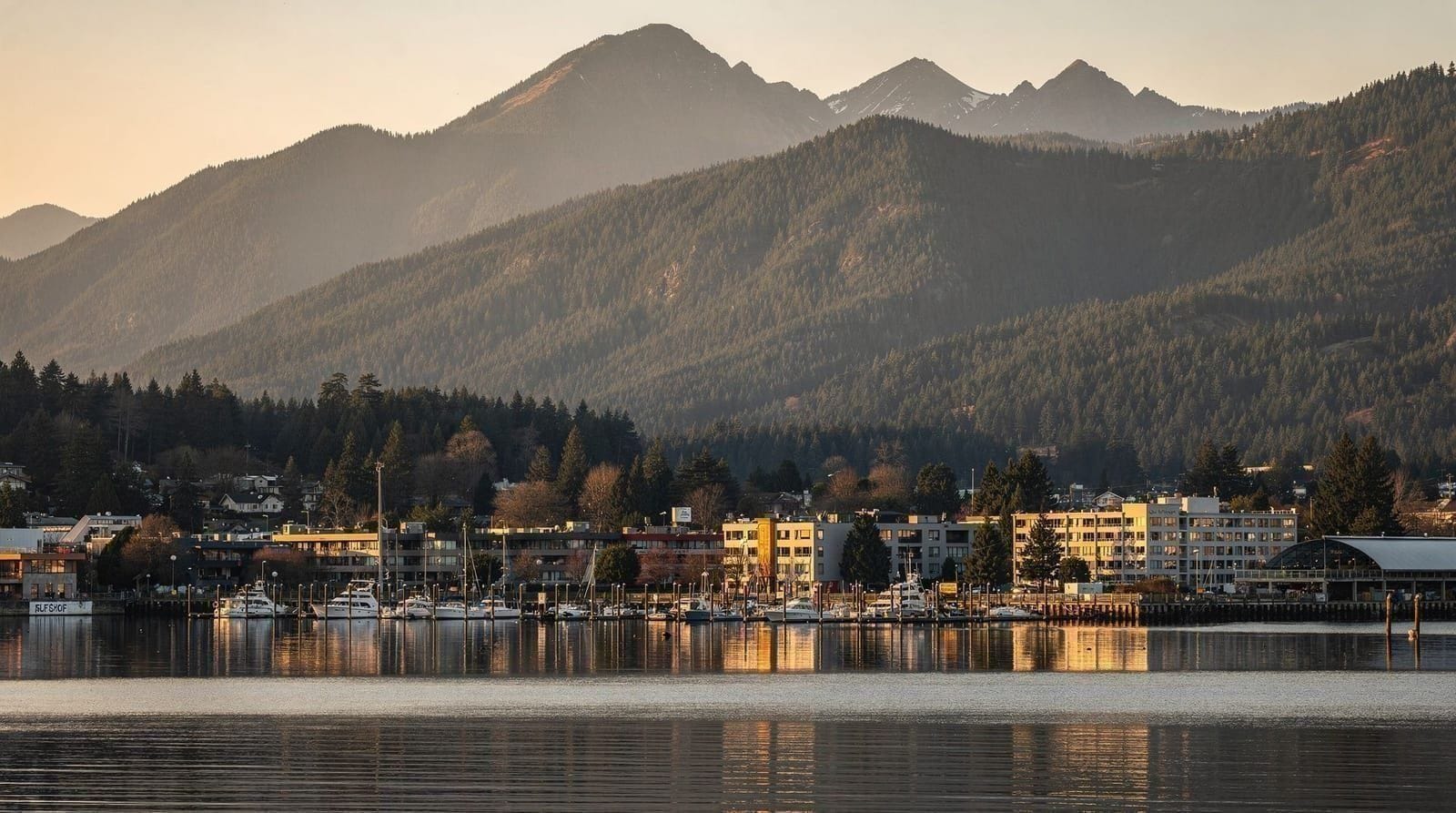
Sea-to-Sky corridor
The Sea-to-Sky Highway (Highway 99) runs 120 km from West Vancouver to Whistler along Howe Sound, passing Britannia Beach, Squamish, and mountain
From Vancouver: Whistler, Sea to Sky Gondola & Shannon Falls
Quick facts
- Full route length
- About 120 km, West Vancouver to Whistler
- Drive time
- 2–2.5 hr end to end without stops
- Best time to visit
- May–September for clearest driving conditions
- Key stops
- Horseshoe Bay, Britannia Beach, Squamish, Whistler
- Time needed
- Full day for the whole corridor with stops
The Sea-to-Sky Highway is the official name for Highway 99 between West Vancouver and Whistler, a roughly 120-kilometre route that earns its name honestly — it starts at sea level along Howe Sound and climbs steadily into the Coast Mountains, with some of the most consistently scenic driving in Western Canada packed into a two-and-a-half-hour trip. For visitors basing themselves in Vancouver, it’s less a single destination than a spine connecting several worth stopping at along the way.
| Where | Highway 99, West Vancouver to Whistler |
| Length | About 120 km, 2-2.5 hr end to end without stops |
| Cost | Free to drive; Sea to Sky Gondola around CAD 55-65/adult |
| Time needed | Full day for the whole corridor with stops |
| Best time | May-September for clearest driving conditions |
The highway was substantially upgraded ahead of the 2010 Winter Olympics, when Whistler hosted alpine events and the road needed to handle Olympic-scale traffic reliably in winter conditions — the widened lanes, added passing sections, and improved avalanche protection visible today are largely a legacy of that investment, and part of why the drive feels considerably more modern than its dramatic mountain setting might suggest.
The route, stop by stop
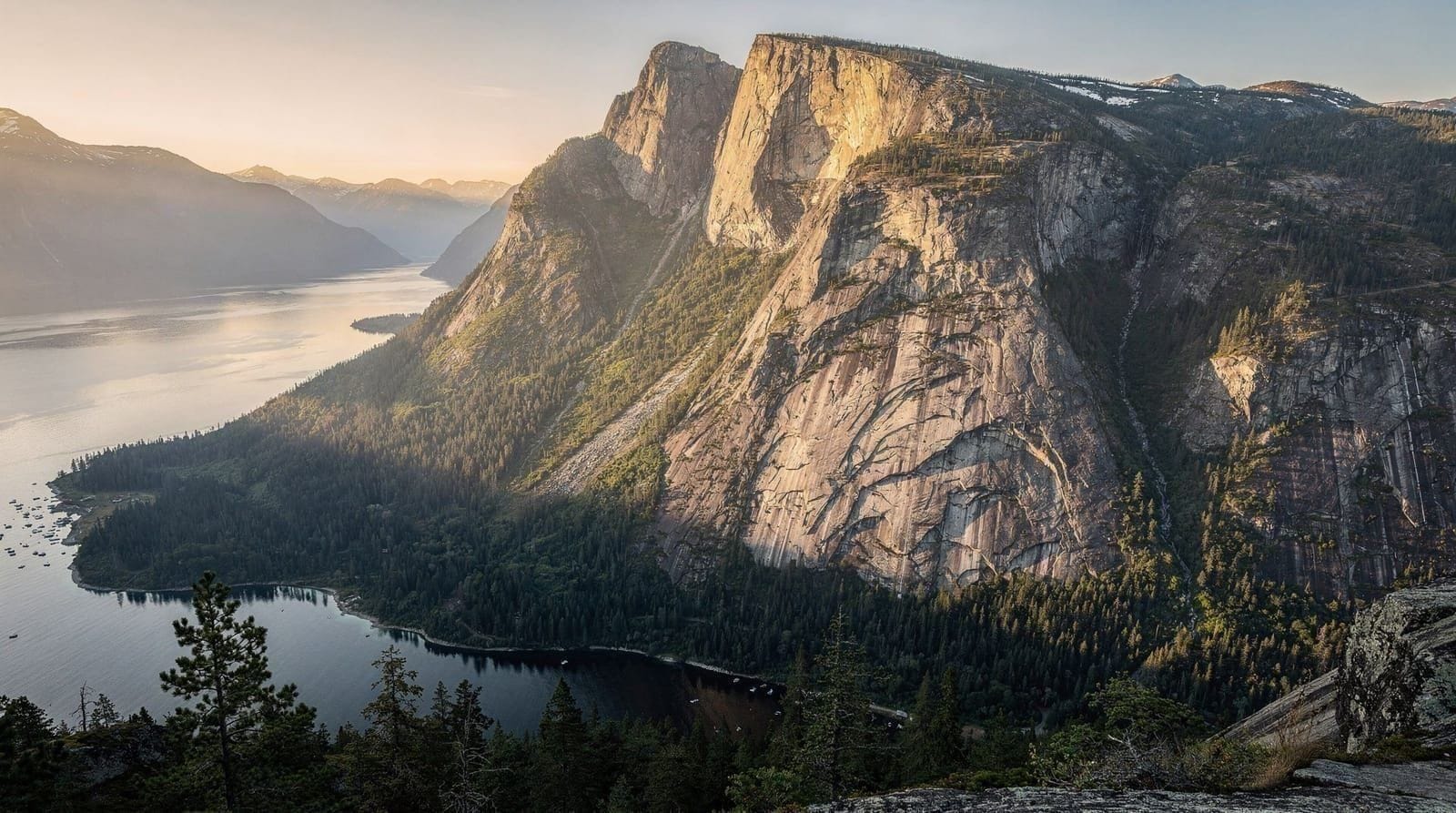
Highway 99 begins in earnest at Horseshoe Bay in West Vancouver, where the road first meets Howe Sound. The next 20 minutes hug the fjord’s edge, with pull-offs at points like Porteau Cove offering some of the most photographed views on the whole route — steep, forested mountains dropping straight into the water.
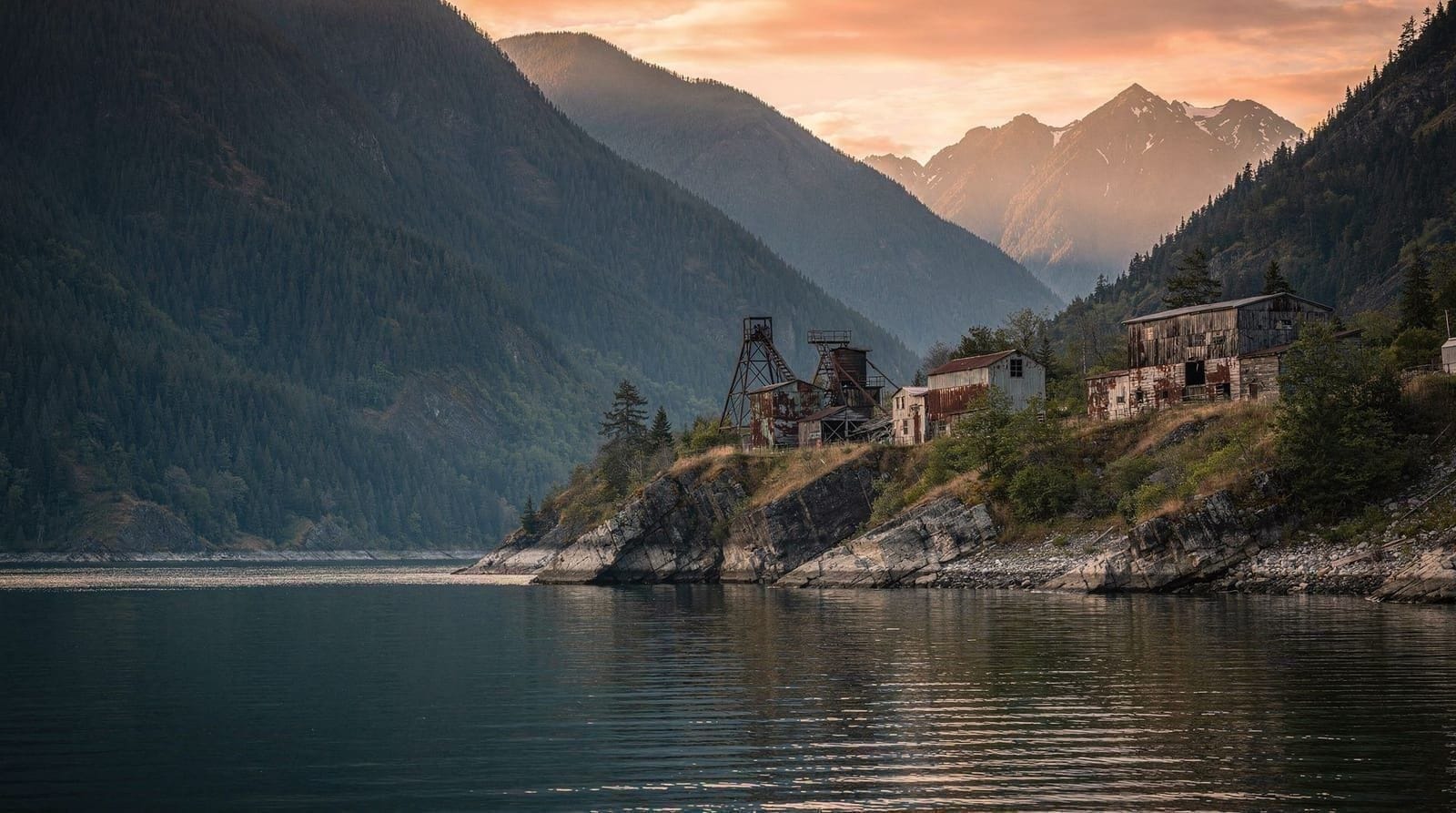
About 45 minutes in, Britannia Beach breaks up the drive with an indoor mining museum, a useful stop on a rainy day or simply a stretch-the-legs break. Ten minutes further, Squamish is the corridor’s biggest hub outside Whistler itself — home to the Sea to Sky Gondola, Shannon Falls, and the Stawamus Chief, any one of which can absorb an hour or more depending on how deep you want to go.
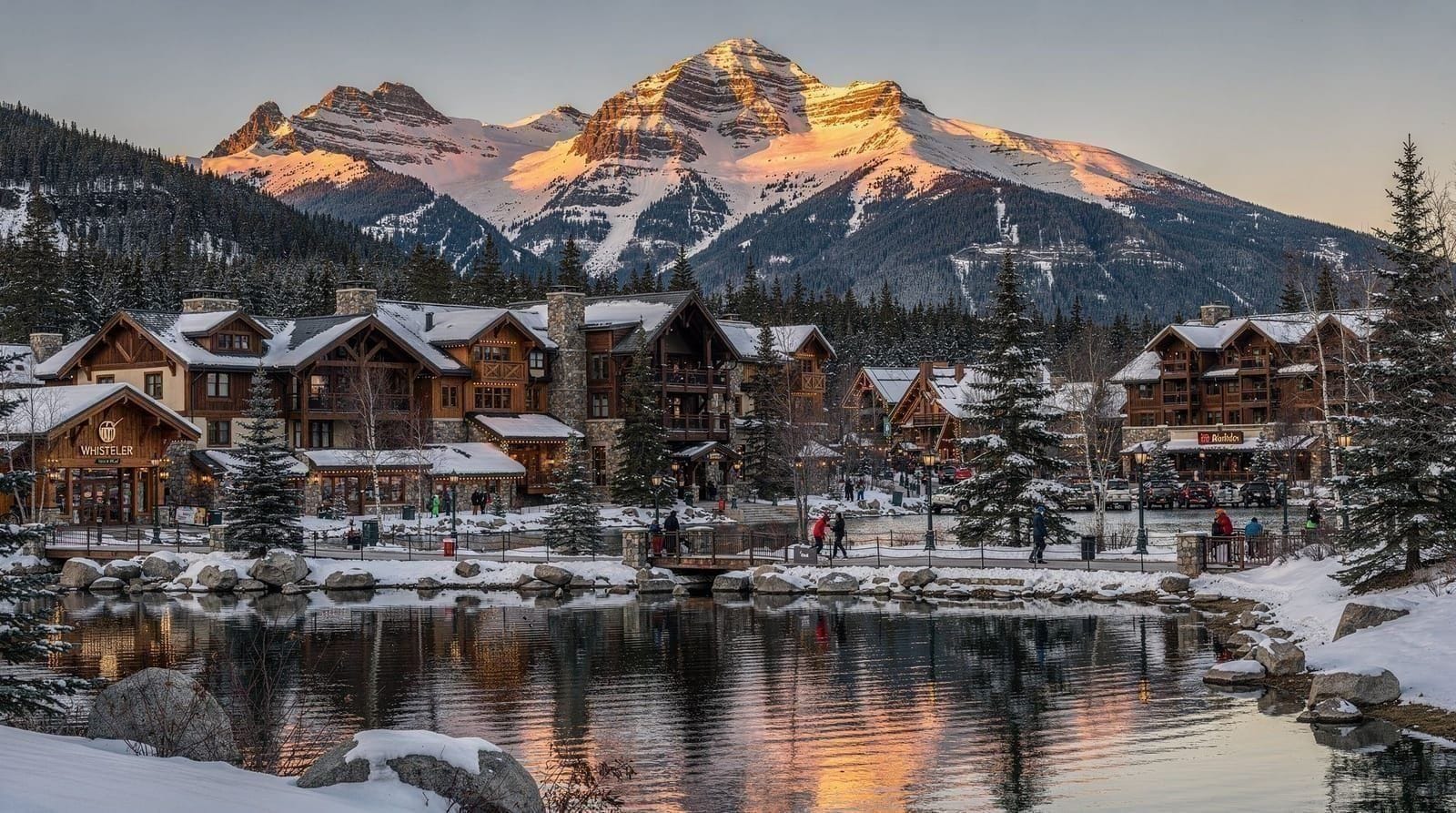
From Squamish, another 45 to 60 minutes of increasingly alpine highway leads to Whistler, where the corridor effectively ends at North America’s largest ski resort. Each stop is genuinely distinct rather than a repeat of the last, which is exactly what makes the drive worth doing slowly rather than treating it as a highway to rush through.
Doing it as a single day trip
A large share of visitors experience the whole corridor as one guided day trip rather than piecing it together themselves. A Sea to Sky Gondola and Whistler day trip from Vancouver typically covers the gondola in Squamish and a few hours in Whistler Village in a single outing, with a driver handling the mountain highway so passengers can focus on the views rather than the road.
A full-day Whistler tour runs a similar route with more time weighted toward Whistler itself. Both work well for visitors without a rental car, or anyone who’d rather not drive an unfamiliar mountain highway, particularly outside summer when road conditions can shift quickly.
Doing it yourself
Self-driving the corridor gives the most flexibility to choose which stops matter to you and how long to linger at each. Realistically, covering Squamish’s Sea to Sky Gondola properly, plus a stop at Shannon Falls or Britannia Beach, and a few hours in Whistler Village adds up to a full day — leaving downtown Vancouver by 8 or 9am is a reasonable target if you want daylight for the return drive, especially in shoulder seasons when daylight hours are shorter.
A Sea to Sky Gondola admission ticket booked in advance saves time at the base station, where ticket lines build on summer weekends. For visitors wanting an active stop in Whistler beyond the village itself, a Ziptrek Eagle zipline tour adds a genuine activity to the day rather than just sightseeing. The Sea-to-Sky day trip guide walks through a suggested hour-by-hour schedule for exactly this kind of self-drive day.
Turning it into a multi-day trip
A single day covers the corridor’s highlights, but it doesn’t do justice to Squamish’s climbing and hiking or Whistler’s mountain biking and alpine terrain, both of which reward more time than a drive-through visit allows. The Sea-to-Sky road trip itinerary spreads the same route across three days, with overnight stops that allow a proper visit to each town rather than a rushed pass-through.
For visitors specifically prioritizing outdoor activity over sightseeing, the Vancouver outdoor adventure itinerary builds the whole corridor into a longer active trip, and winter visitors aiming the same route at Whistler’s ski season should see the Vancouver winter ski itinerary instead.
Road conditions and driving notes
Highway 99 is a well-maintained, mostly two-lane highway with a handful of passing lanes on the steeper grades — it’s not a difficult drive in good conditions, but it climbs and curves enough that inexperienced mountain drivers should budget extra time and avoid rushing. Summer weekend afternoons see the heaviest traffic, particularly southbound out of Whistler in the early evening.
Winter conditions (roughly November through April) can include snow and ice at higher elevations near Whistler even when Vancouver itself sees only rain; winter tires are effectively mandatory by BC regulation on this route during the colder months, and checking DriveBC’s current highway conditions before departure is worth the two minutes, particularly after a fresh snowfall. The Sea-to-Sky Highway drive guide covers the route section by section in more depth, including specific pull-offs and the trickier stretches for first-time mountain drivers.
The corridor without a car
Not every visitor wants to drive Highway 99 themselves, and the corridor is genuinely well served by alternatives. Scheduled shuttle and coach services run multiple times daily between Vancouver, Squamish, and Whistler, a reasonable choice for visitors staying overnight in Whistler who don’t need a car once they arrive at a walkable ski village.
Guided day tours remove the driving question entirely while adding local narration — a genuine advantage on a route where knowing which pull-off has the best Howe Sound view isn’t obvious from behind the wheel. Cyclists occasionally ride sections of the highway’s shoulder, though this is a serious undertaking given the elevation gain and traffic, and not something most visitors should attempt without cycling-specific route planning.
When to visit
May through September offers the most reliable driving conditions and the fullest range of activities at each stop — hiking trails clear, waterfalls flowing well from spring runoff, and Whistler’s summer mountain-biking season in full swing by June. Winter turns the same route into a ski trip corridor, with Whistler as the destination and Squamish’s gondola running a snowier, quieter version of its summer self. Shoulder seasons (April, October) can be genuinely rewarding for photographers — thinner crowds, dramatic cloud and light conditions — but come with more unpredictable weather and a real chance of a socked-in, view-free day at higher elevations.
Because the corridor climbs meaningfully in elevation from sea level at West Vancouver to well over 600 metres at Whistler Village, weather can genuinely differ between the two ends of the drive on the same day — rain at Horseshoe Bay doesn’t rule out sun at the Sea to Sky Gondola’s summit, and vice versa. Checking mountain-specific forecasts for Squamish and Whistler separately from a general Vancouver forecast is worth the extra step before committing to a hiking-heavy day anywhere along the route.
Practical tips
Fuel up before leaving Vancouver or in Squamish; gas stations thin out noticeably between Squamish and Whistler. Cell coverage is inconsistent in stretches of the highway, particularly around Porteau Cove, so downloading offline maps or having a paper plan for the day isn’t a bad idea.
If you’re short on time, prioritizing just Squamish’s gondola over trying to squeeze in Whistler as well usually makes for a more relaxed day — trying to do the entire corridor properly in a single day from Vancouver and back is possible but tight, and rushing through Whistler Village in under two hours undersells what the resort has to offer. Check the best-time-to-visit tool for current seasonal conditions, and see the individual Squamish and Whistler pages for details on what to prioritize at each stop.
Whichever pace you choose, building in slack for photo stops along Howe Sound is worth it — this is a route where the drive itself is part of the appeal, and treating it purely as transit time between destinations misses a genuine part of what makes the corridor worth doing at all. Few highway drives in Canada pack this much scenic variety into such a short distance, from ocean fjord to alpine peaks in under two and a half hours of driving, a genuine highlight of any Vancouver-area trip.
Seasonality along the corridor
| Season | Conditions | Notes |
|---|---|---|
| May-June | Waterfalls at their fullest from snowmelt, trails opening | Shannon Falls flows most dramatically now |
| July-August | Warmest, busiest, longest daylight | Heaviest weekend traffic, especially southbound evenings |
| September | Cooling, thinner crowds | Good balance of weather and lower traffic |
| October | Shoulder season, unpredictable weather | Photogenic light, real chance of a socked-in day up high |
| November-April | Snow and ice at higher elevations near Whistler | Winter tires effectively mandatory by BC regulation |
Guided day trip versus self-drive: which suits you
Neither approach is objectively better — it depends on your comfort with mountain driving and how much you want a narrated stop-by-stop experience versus full control over pacing. A guided Sea to Sky Gondola and Whistler day trip suits visitors without a rental car, or anyone who’d rather not navigate an unfamiliar mountain highway, particularly outside summer.
Self-driving suits visitors who want to linger at a specific stop — Britannia Beach’s mining museum, say, or an extra hour on the Stawamus Chief — without a group schedule dictating the pace. Either way, checking the Sea-to-Sky day trip guide’s hour-by-hour breakdown beforehand helps set realistic expectations for how much of the corridor a single day can actually cover.
Frequently asked questions about the Sea-to-Sky corridor
How long does the Sea-to-Sky Highway drive take?
About 2 to 2.5 hours end to end without stops, from West Vancouver to Whistler. With stops at Britannia Beach, Squamish, and photo pull-offs along Howe Sound, most visitors budget a full day for the whole corridor.
Do I need a car to see the Sea-to-Sky corridor?
No — guided day trips and scheduled shuttle or coach services connect Vancouver, Squamish, and Whistler without a rental car. Self-driving gives more flexibility over pacing and stops, but isn’t required.
Is the Sea-to-Sky Highway safe to drive?
Yes, in good conditions — it’s a well-maintained, mostly two-lane highway with passing lanes on steeper grades. Winter conditions (November-April) require more caution and winter tires, which are effectively mandatory by BC regulation on this route.
What’s the best single stop if I only have time for one?
Squamish, home to the Sea to Sky Gondola, Shannon Falls, and the Stawamus Chief, offers the most concentrated set of attractions along the corridor outside Whistler itself.
Top experiences
Bookable activities with verified prices and instant confirmation on GetYourGuide.