West Vancouver
West Vancouver is where the Sea-to-Sky Highway begins, with Ambleside Beach, Lighthouse Park's old-growth forest, and the Horseshoe Bay ferry terminal.
Vancouver: Private Transfer to Whistler with Stops
- Private tour
Quick facts
- Distance from downtown
- 15–25 min by car via Lions Gate Bridge or Highway 1
- Getting there
- Car recommended; bus 250/257 runs from downtown
- Best time to visit
- June–September for beaches and Lighthouse Park
- Typical day cost
- Free–CAD 40 (mostly free parks and beaches)
- Time needed
- Half day, or a stop en route to Squamish/Whistler
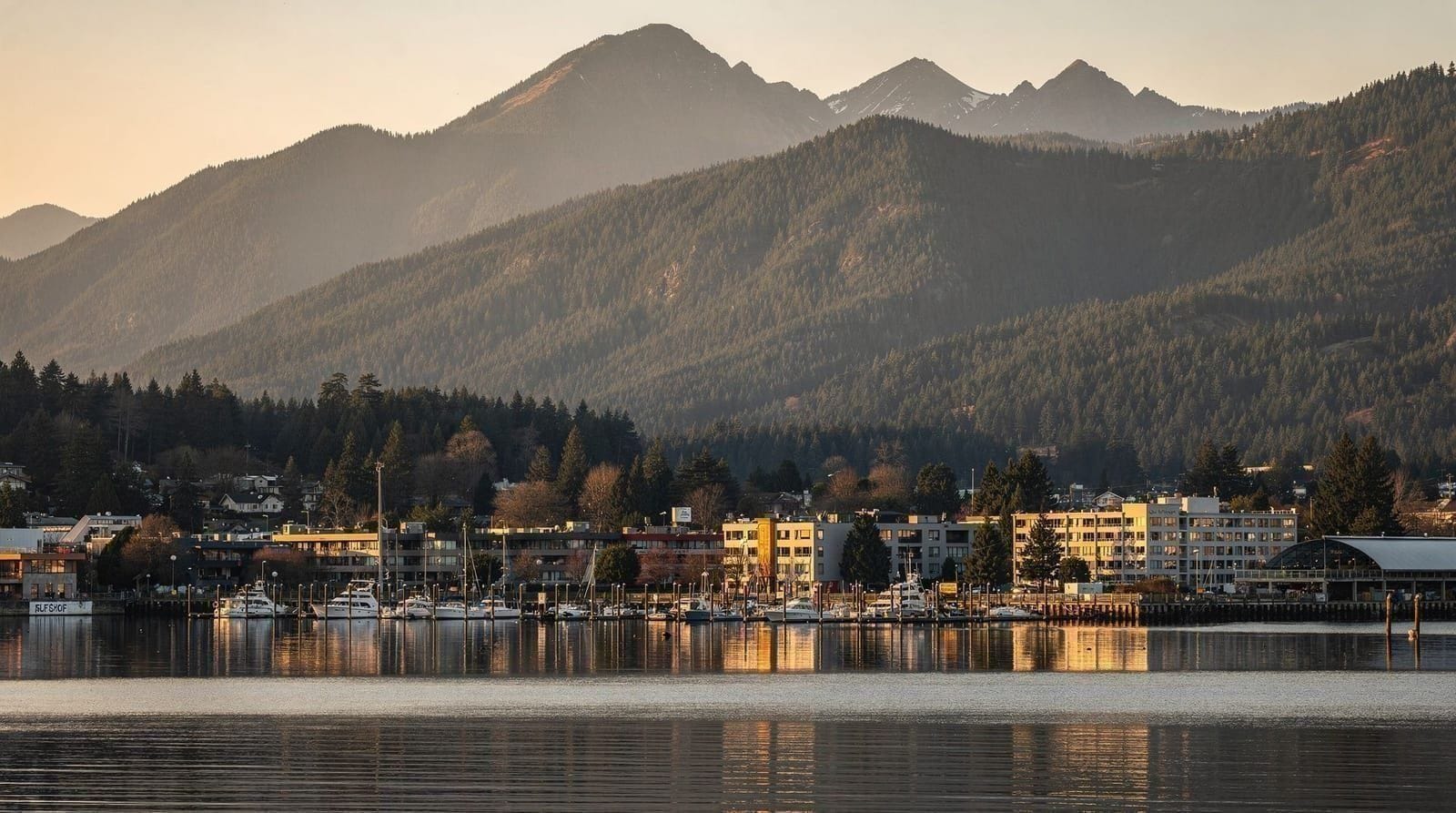
West Vancouver is the quieter, wealthier half of the North Shore — a strip of waterfront neighborhoods stacked up the mountainside between the Lions Gate Bridge and Horseshoe Bay, where cedar-shingled houses look down over Burrard Inlet toward downtown. It doesn’t have a single headline attraction the way Capilano or Grouse does, but it’s genuinely worth a stop, both for its own sights and because Highway 99 — the Sea-to-Sky Highway toward Squamish and Whistler — physically begins here. It also makes a reasonable first stop for anyone planning one of the best day trips from Vancouver, since the whole area can be covered on the way out of the city rather than as a separate excursion.
| Where | North Shore, west of the Lions Gate Bridge, along Highway 99 |
| Cost | Free–CAD 40 (parks and beaches are free; food and parking cost extra) |
| Time needed | Half day, or a stop en route to Squamish/Whistler |
| Getting there | Car via Lions Gate Bridge or Hwy 1; bus 250/257 from downtown |
| Best time | June–September for beaches and Lighthouse Park |
Ambleside and Dundarave
Ambleside Beach, just past the Lions Gate Bridge on the west side, is the most-visited stretch of West Vancouver waterfront: a long pebble-and-sand beach with a seawall path, off-leash dog area, and views straight across to Stanley Park. It’s a popular sunset spot in summer, since the beach faces southeast across the inlet and catches the evening light on the North Shore mountains rather than a direct ocean sunset.
A 20-minute walk or short drive west, Dundarave Village has a smaller pier and a handful of cafes and bakeries that see far fewer tourists than downtown Vancouver equivalents. Both beaches are a quieter, more local alternative to Kitsilano Beach across the water, worth knowing about for visitors specifically trying to avoid the busiest sand in the city — a theme covered further in the best beaches Vancouver guide.
Lighthouse Park
Lighthouse Park protects one of the last stands of old-growth coastal forest in the region — some Douglas firs here are 500 to 800 years old, having survived logging because the land was reserved for a lighthouse and later became a federal park. Trails wind through the forest to the Point Atkinson Lighthouse, still operating, perched on rocky bluffs above the Strait of Georgia.
It’s free to enter, has no facilities beyond a small parking lot (which fills early on sunny weekends), and takes roughly 1.5–2 hours to walk the main loop out to the lighthouse and back. Unlike Stanley Park’s Seawall, this is genuine forest hiking on root-covered trails, not a paved path — wear real shoes. The Lighthouse Park guide has a fuller trail breakdown for anyone wanting more than the main loop.
Whytecliff Park
West of Horseshoe Bay, easy to reach as a standalone stop rather than only on the way to the Sunshine Coast ferry, Whytecliff Park protects Canada’s first marine protected area, gazetted in 1993 to safeguard the cold-water reefs and kelp forests just offshore. It’s one of the most popular shore-diving sites on the West Coast — divers regularly report wolf eels, giant Pacific octopus, and soft corals in water that looks nothing like a typical rocky-beach snorkel spot.
Even without dive gear, the park rewards the detour: a headland trail loops around Whyte Islet, connected to the mainland by a narrow tidal spit that disappears at high tide, with views across Howe Sound toward Bowen Island. It’s free, has a small parking lot that fills on weekends, and takes roughly 30–45 minutes to walk the full loop — a good stretch-the-legs stop for anyone who has already covered Ambleside and Lighthouse Park and still has daylight left before continuing up the Sea-to-Sky corridor.
Horseshoe Bay
At the western edge of West Vancouver, Horseshoe Bay is a small ferry village and the departure point for BC Ferries routes to the Sunshine Coast and Bowen Island (not the Victoria route, which departs from Tsawwassen south of the city — see the BC Ferries guide for the full route map).
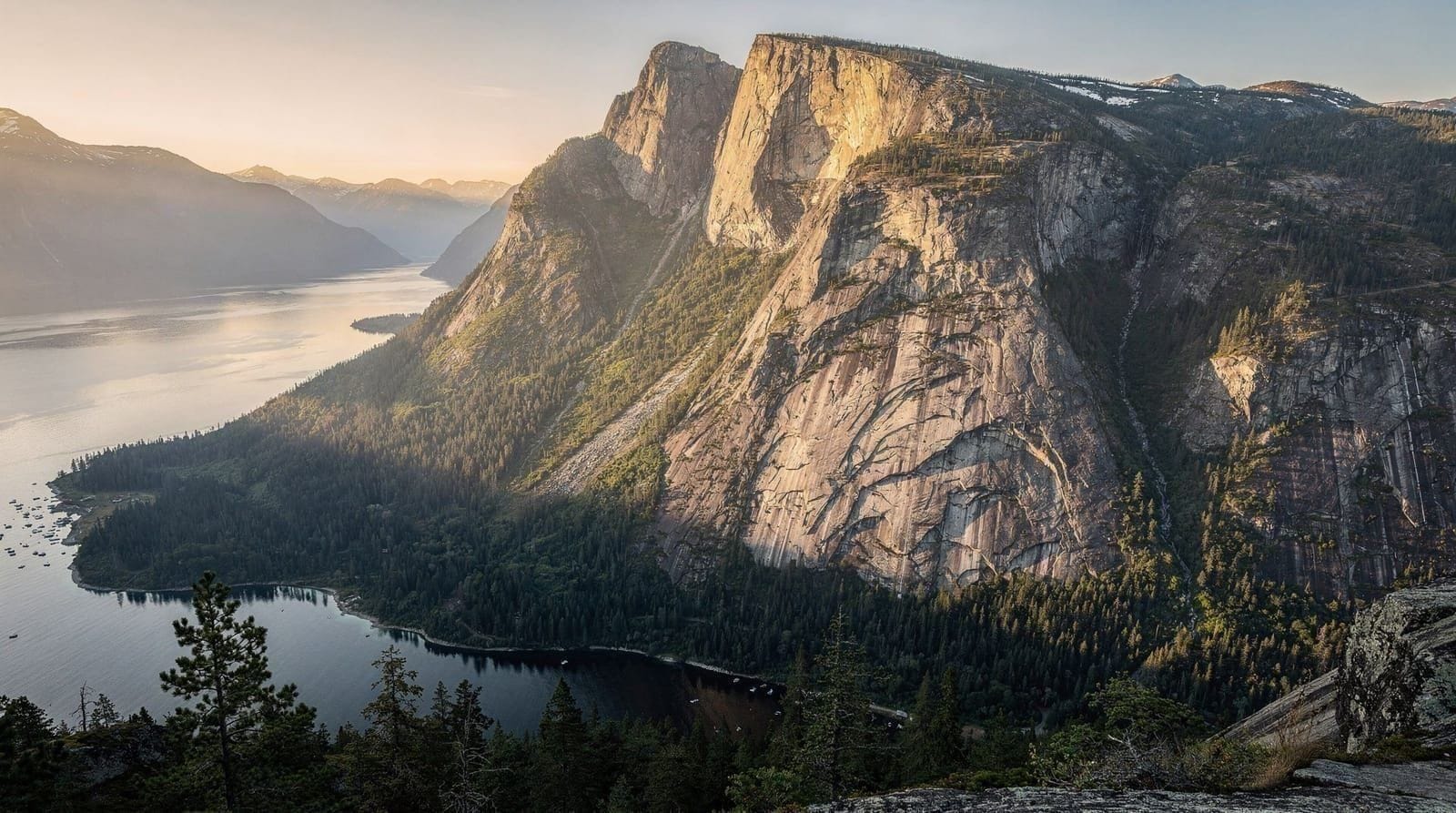
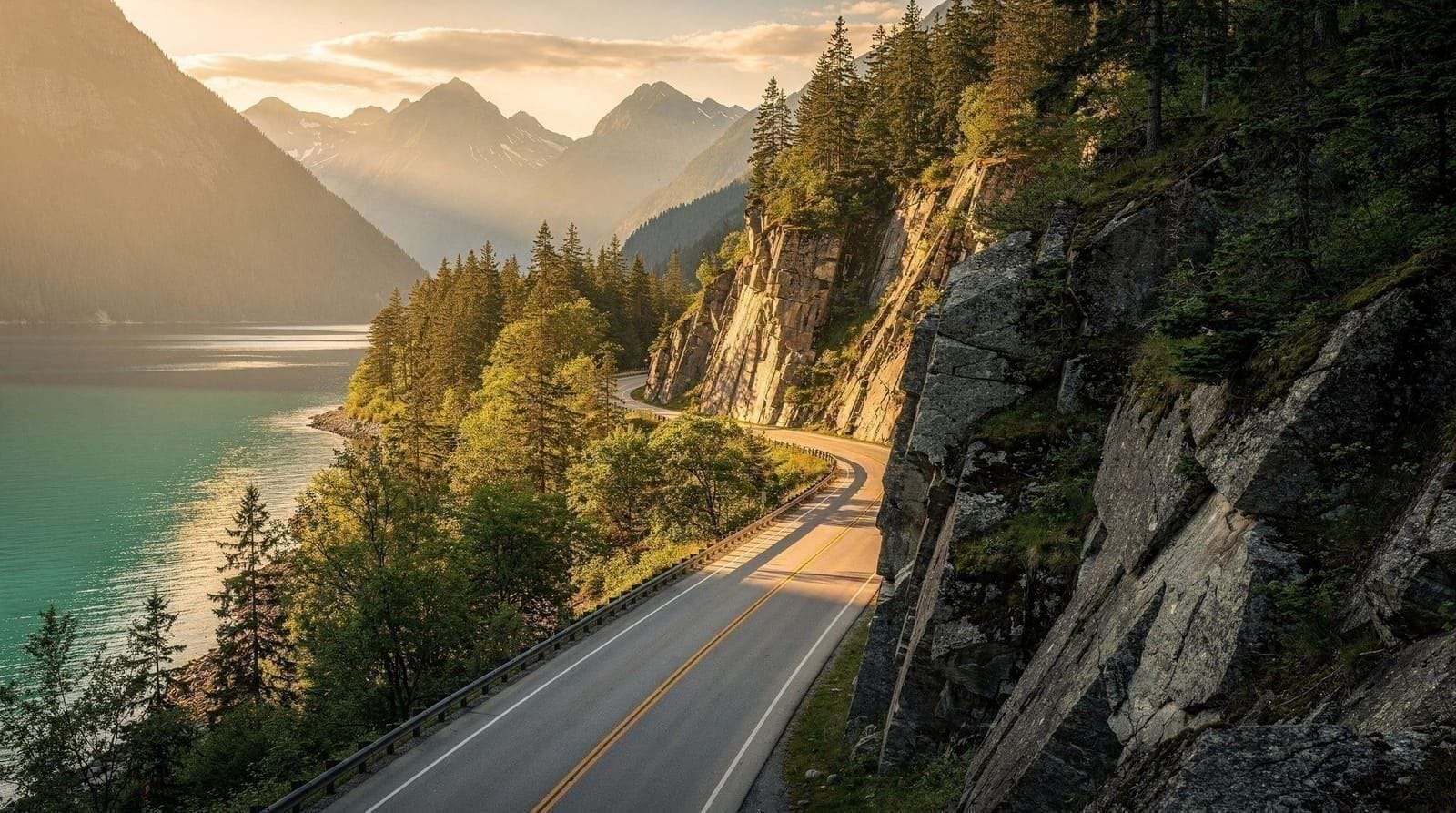
It’s a pleasant stop for fish and chips by the water, and it also marks the true starting point of the Sea-to-Sky Highway — from here, Highway 99 climbs north along Howe Sound toward Squamish, with pull-offs offering some of the best fjord views in the region within the first 15 minutes of driving. The bowen island day trip guide covers the short ferry crossing from here in detail, a reasonable alternative for anyone with a spare half day who isn’t headed further up the Sea-to-Sky corridor.
West Vancouver as the gateway north
Most visitors who spend real time in West Vancouver are actually passing through on their way up the Sea-to-Sky corridor. If you’re doing a self-drive day trip to Squamish or Whistler, budgeting 20–30 minutes to stop at a Howe Sound viewpoint or Lighthouse Park on the way out of the city is a reasonable trade-off — the road only gets busier and the pull-offs scarcer once you’re past Horseshoe Bay.
Travelers without a car who still want that early stretch of the highway covered can book a private transfer to Whistler with stops, which routes through West Vancouver and typically pauses at a scenic viewpoint or two along Howe Sound before continuing north. A guided Sea-to-Sky day trip covers the same corridor with a driver who knows where the views are worth the stop, which matters on a road where the best pull-offs aren’t always obvious from a moving car.
Cypress Mountain
West Vancouver’s slice of the North Shore mountains includes Cypress Provincial Park, home to Cypress Mountain ski area (used for freestyle and snowboard events during the 2010 Winter Olympics) and, above the tree line, alpine hiking to Black Mountain and Hollyburn Peak in summer. It’s less commercialized than Grouse Mountain in neighboring North Vancouver — no gondola, so you drive most of the way up — which makes it a good choice if you want mountain views without lift lines, though it also means less infrastructure (a day lodge, but no aerial tram or resident wildlife exhibit). The Cypress Mountain guide has trail-by-trail detail for both the summer and winter seasons.
West Vancouver vs. North Vancouver
Visitors often lump “the North Shore” together, but West Vancouver and North Vancouver are genuinely different in character and worth separating in trip planning. North Vancouver holds the marquee paid attractions — Capilano and Grouse Mountain — plus Deep Cove and Lynn Canyon.
West Vancouver is quieter, more residential, and better understood as a scenic corridor and a handful of standalone stops (Ambleside, Lighthouse Park, Horseshoe Bay) than a cluster of ticketed sights. If you only have time for one side of the North Shore, North Vancouver’s attractions are the higher priority for a first visit; West Vancouver rewards travelers with a car who are already planning to continue up the Sea-to-Sky corridor and want to break up the drive.
| West Vancouver | North Vancouver | |
|---|---|---|
| Marquee sights | Lighthouse Park, Ambleside, Whytecliff, Horseshoe Bay | Capilano Suspension Bridge, Grouse Mountain |
| Character | Quiet, residential, scenic corridor | Ticketed attractions, Shipyards dining |
| Best for | A drive-through stop, photo viewpoints | A dedicated half or full day |
| Transit | Sparse (bus 250/257 only) | Better connected (SeaBus plus buses) |
| Cost | Mostly free | Capilano and Grouse both charge admission |
Where to eat
West Vancouver’s dining is spread thin compared to downtown Vancouver — Dundarave and Ambleside both have a handful of well-regarded cafes and casual restaurants, but nothing approaching the density of Kitsilano or Gastown across the water. Most visitors treat West Vancouver as a scenic stop rather than a dining destination, saving a proper meal for North Vancouver’s Shipyards District or back in the city. See the where to stay in Vancouver guide for a fuller picture of neighborhood options if you’re deciding where to base yourself for a North Shore-heavy trip.
When to visit
June through September brings the most reliable weather for beach time at Ambleside and hiking at Lighthouse Park, and it’s also when Cypress’s alpine trails are clear of snow. Winter (roughly late November through March) turns Cypress into a ski hill and makes Lighthouse Park’s forest trails muddy and root-slick rather than dangerous, though rain gear is essential. Spring and fall are quieter and still pleasant for a drive-through visit, particularly if you’re timing a Sea-to-Sky day trip and want to avoid summer traffic on Highway 99.
British Properties and the residential hillside
Climbing the mountainside above Ambleside and Dundarave, the British Properties neighborhood is one of the most affluent residential areas in the Vancouver region, developed starting in the 1930s with winding, forested streets and view lots overlooking the harbour. It’s not a sightseeing destination in the conventional sense — there are no attractions to visit — but the drive up through it offers some of the best elevated views of downtown Vancouver and Burrard Inlet available anywhere on the North Shore, worth a short detour for photographers with a car and no fixed schedule.
The contrast between this hillside affluence and the working, industrial character of North Vancouver’s Shipyards District just across the municipal boundary is itself a small illustration of how differently West and North Vancouver have developed, despite sharing the same mountain range and the same “North Shore” label visitors often apply to both.
Practical tips
West Vancouver is spread out and genuinely difficult without a car — public buses exist (routes 250 and 257 from downtown) but run infrequently outside commute hours, and Lighthouse Park’s trailhead is a 10-minute walk from the nearest stop. If you’re relying on transit, prioritize Ambleside Beach, which is directly on the bus route, over Lighthouse Park or Horseshoe Bay. Parking at Lighthouse Park and Ambleside is free but limited; arriving before 11am on summer weekends avoids the worst of it.
For anyone stringing together a full North Shore day, pairing West Vancouver’s morning viewpoints with an afternoon at Capilano or Grouse Mountain in neighboring North Vancouver makes efficient use of a rental car, since both are within 20 minutes of Horseshoe Bay. Check the best-time-to-visit tool for seasonal weather patterns before planning an outdoor-heavy day here.
None of West Vancouver’s stops require an entry ticket or advance booking, which makes it one of the more flexible half-days available in the region — plans can shift with the weather or the time available without losing a prepaid reservation, unlike a booked ticket at Capilano or a scheduled tour departure elsewhere on the North Shore.
Frequently asked questions about West Vancouver
Is West Vancouver worth visiting?
Yes, if you have a car — Lighthouse Park’s old-growth forest, Ambleside Beach, and the Howe Sound viewpoints near Horseshoe Bay are genuinely worthwhile and mostly free. It’s less essential for car-free visitors on a short trip, who are better served by North Vancouver’s Capilano and Grouse Mountain.
Do I need a car to visit West Vancouver?
It’s genuinely difficult without one. Buses 250 and 257 run from downtown but infrequently outside commute hours, and Lighthouse Park’s trailhead is a 10-minute walk from the nearest stop. If you’re relying on transit, prioritize Ambleside Beach, which sits directly on the route.
How is West Vancouver different from North Vancouver?
North Vancouver holds the marquee paid attractions — Capilano Suspension Bridge and Grouse Mountain — while West Vancouver is quieter and more residential, better understood as a scenic corridor with standalone stops like Ambleside, Lighthouse Park, and Horseshoe Bay rather than a cluster of ticketed sights.
Top experiences
Bookable activities with verified prices and instant confirmation on GetYourGuide.