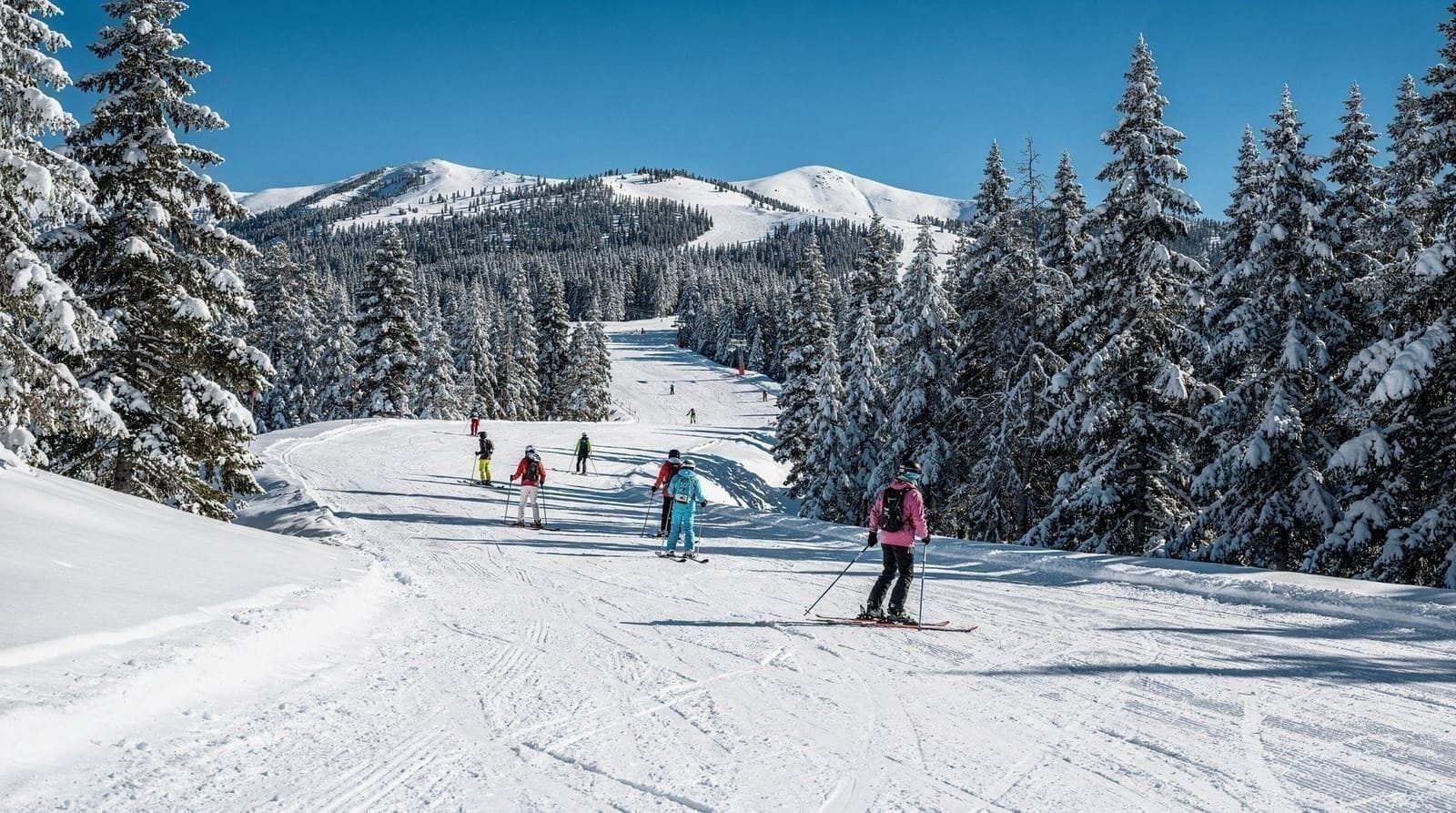
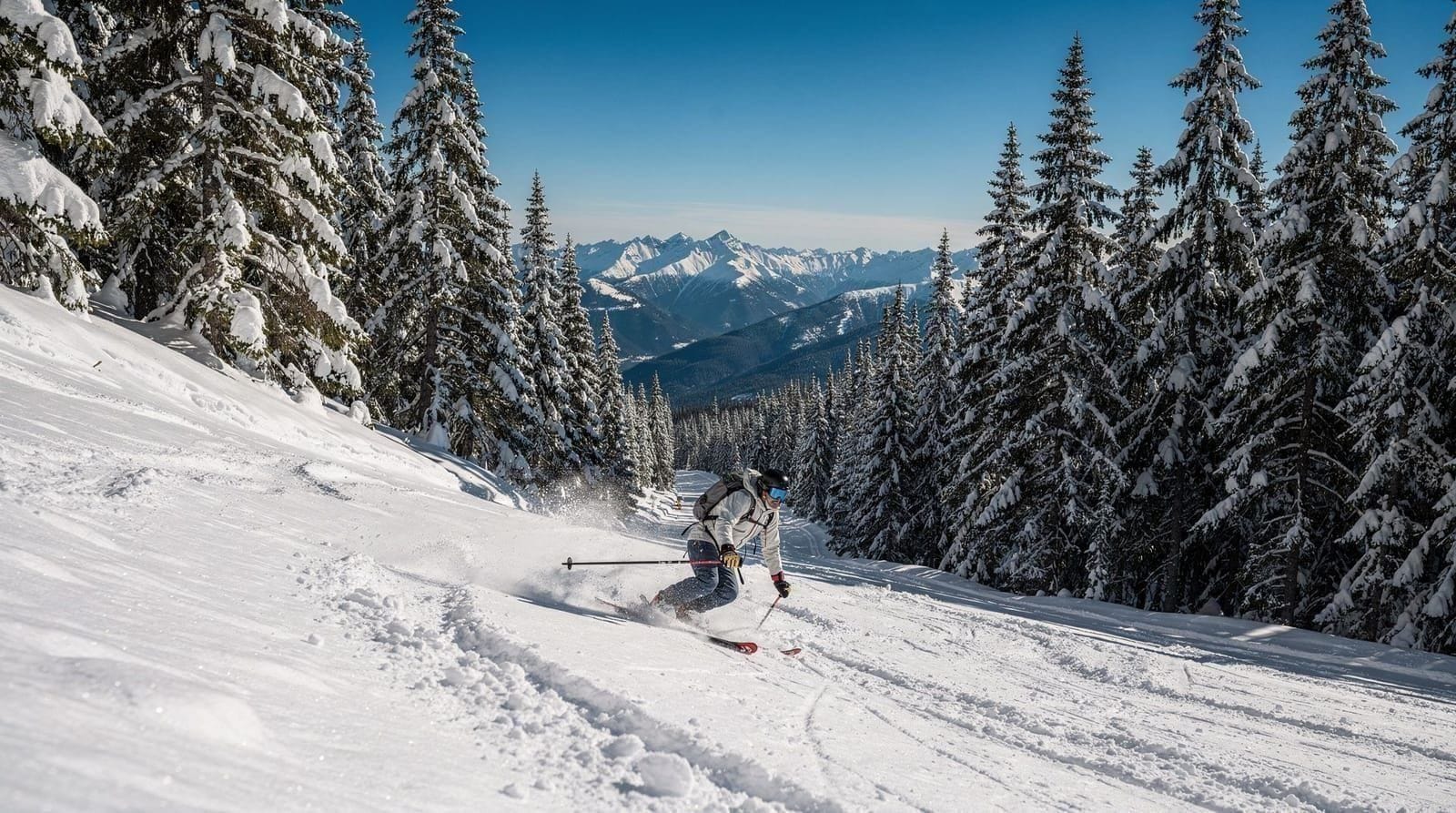
Cypress Mountain skiing — Vancouver's steepest local hill
Whistler: Introduction to Backcountry Skiing & Splitboarding
Is Cypress Mountain good for skiing?
Yes, especially for skiers who want more technically demanding terrain than Vancouver's other North Shore hills — Cypress hosted freestyle skiing and snowboard events at the 2010 Winter Olympics and is generally rated the most challenging of the three local mountains. It's about 30 minutes from downtown with no bookable sightseeing product, unlike Grouse.
| Lift ticket | Around CAD 90-110/day |
| Terrain | Steepest and most technical of the North Shore’s three hills |
| Getting there | ~30 min from downtown by car, no SeaBus route |
| Season | Roughly mid-December through March, snowpack-dependent |
| Best for | Intermediate-to-advanced skiers, terrain park riders |
Cypress Mountain doesn’t have a gondola ride, a wildlife refuge, or a bookable sightseeing ticket the way Grouse does — and among skiers who actually know the North Shore’s three local hills, that’s part of its appeal. Cypress exists for skiing, not for tourism packaging, and it has the terrain credentials to back that up: it hosted freestyle skiing and snowboard events at the 2010 Vancouver Winter Olympics, and locals consistently rate it as the most technically demanding of Vancouver’s three nearby ski hills.
Being upfront: there’s no bookable GYG product for Cypress itself
Unlike Grouse Mountain, which sells a Skyride admission ticket usable for winter lift access, Cypress has no equivalent all-in-one sightseeing product in GetYourGuide’s catalog — you buy lift tickets directly through the resort, the way most standalone ski hills work.
What we can point to instead are real, bookable alternatives for visitors weighing Cypress against other snow options: an introduction to backcountry skiing and splitboarding at Whistler for skiers wanting guided instruction on genuinely advanced terrain, or guided snowshoeing at the Sea to Sky Gondola for a lower-commitment alpine snow day that doesn’t require ski gear at all. Neither is a direct substitute for a Cypress lift ticket, and we’d rather say that plainly than force a mismatched affiliate link onto this page.
Why Cypress flies under the radar for visitors
Cypress markets itself far less aggressively to out-of-town visitors than Grouse does, which means a lot of first-time Vancouver skiers simply never hear about it unless they specifically research North Shore skiing options beyond the most obvious name. That’s a genuine oversight for any visiting skier with real skiing ability who’d otherwise default to Whistler purely out of name recognition without weighing the time and cost trade-off against a closer, more technically interesting local option.
Terrain: why Cypress has the reputation it does
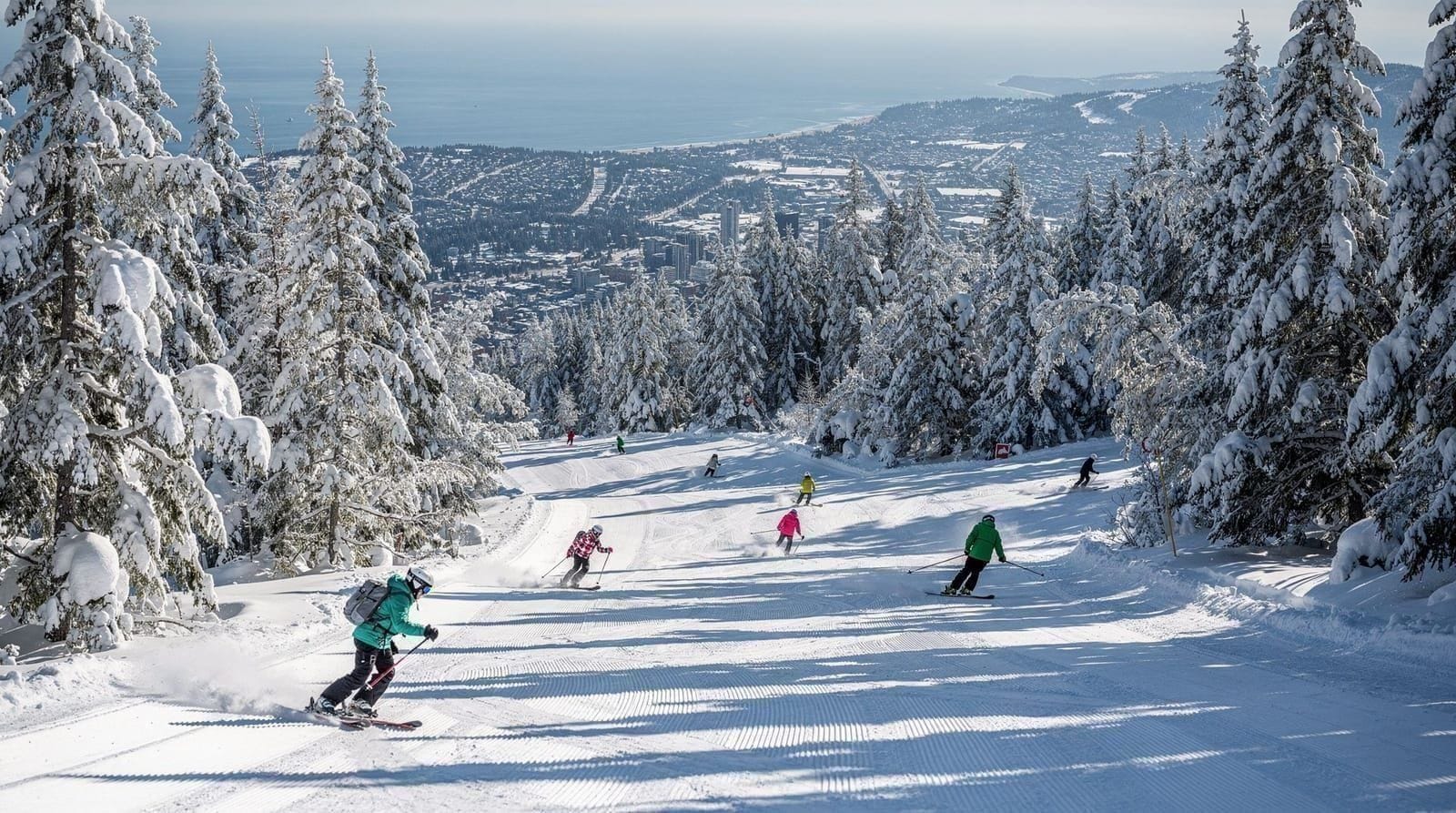
Cypress’s terrain skews steeper and more technical than Grouse’s, with a genuine mix of groomed intermediate runs and more demanding advanced sections that draw serious local skiers rather than casual visitors. The mountain’s Olympic legacy isn’t just a marketing line — the freestyle skiing moguls, aerials, and snowboard halfpipe and slopestyle events from the 2010 Games were held here, and some of that terrain infrastructure still shapes how the mountain is laid out today. Skiers who’ve outgrown Grouse’s beginner-to-intermediate terrain but aren’t ready to commit a full day to Whistler tend to gravitate toward Cypress specifically for this reason.
Getting there
Cypress sits above West Vancouver, roughly 30 minutes from downtown by car via the Upper Levels Highway and Cypress Bowl Road, which climbs through several switchbacks to a day lodge area around 900 metres elevation. Winter tires or chains are worth having for the climb, since the access road gains elevation fast enough to see snow and ice conditions well before the base lodge even on days when downtown Vancouver is simply wet.
There’s no SeaBus-and-bus transit route to Cypress the way there is to Grouse — visitors without a car typically rely on driving, a rideshare, or, on some winter weekends, a seasonal shuttle service that runs from Vancouver (schedules and operation vary year to year, so this is worth confirming directly with the operator rather than assuming a fixed timetable).
Prices
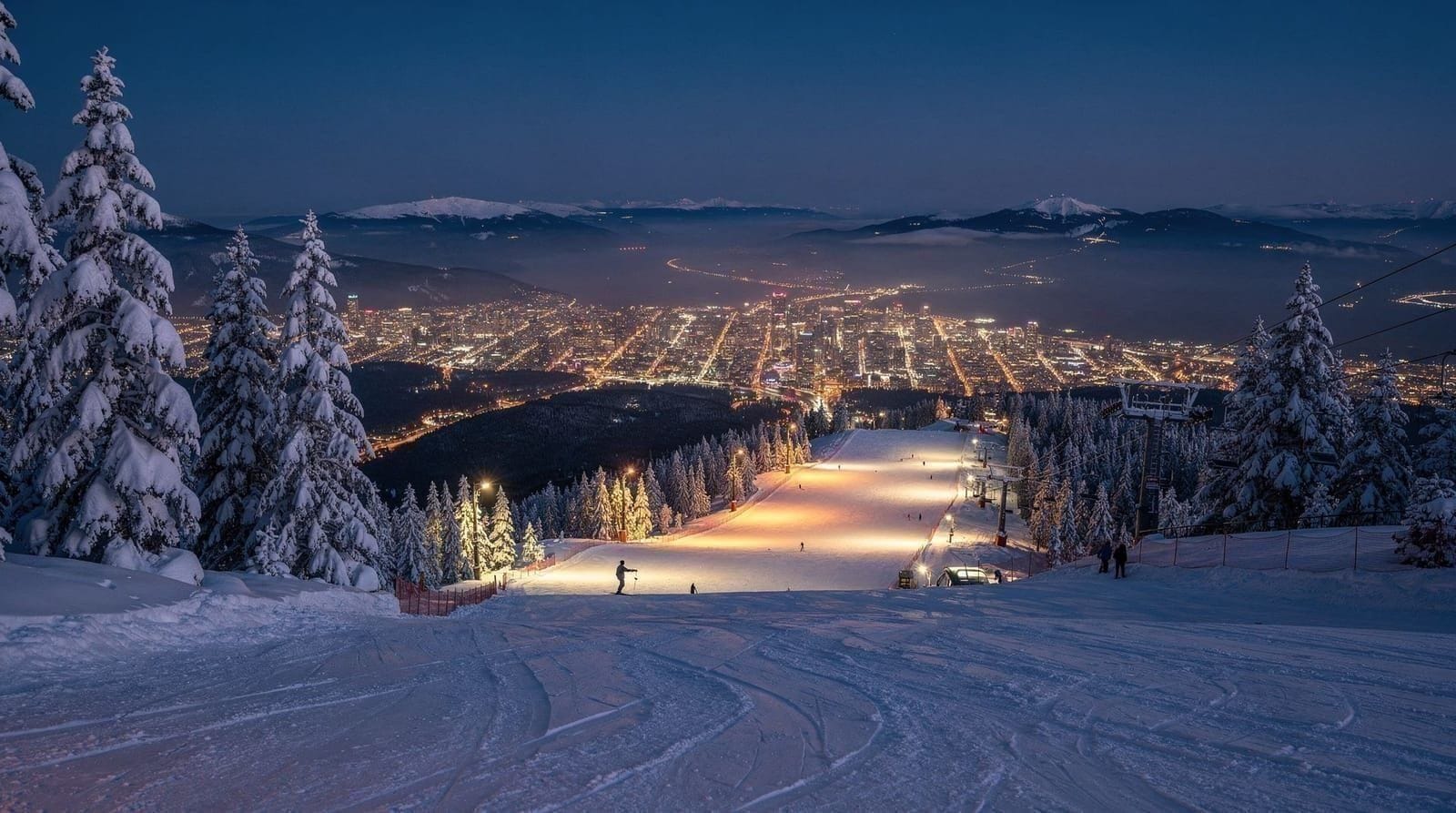
A day lift ticket at Cypress generally runs somewhere in the CAD 90-110 range, positioning it between Grouse and Mount Seymour on price — reflecting terrain quality rather than added visitor infrastructure, since Cypress has none of Grouse’s tram-and-wildlife bundling. Multi-day and season pass options exist for locals and repeat visitors, and night skiing is available on a similar model to Grouse and Seymour, letting Vancouver-based skiers fit in an evening session after work.
Terrain parks and freestyle features
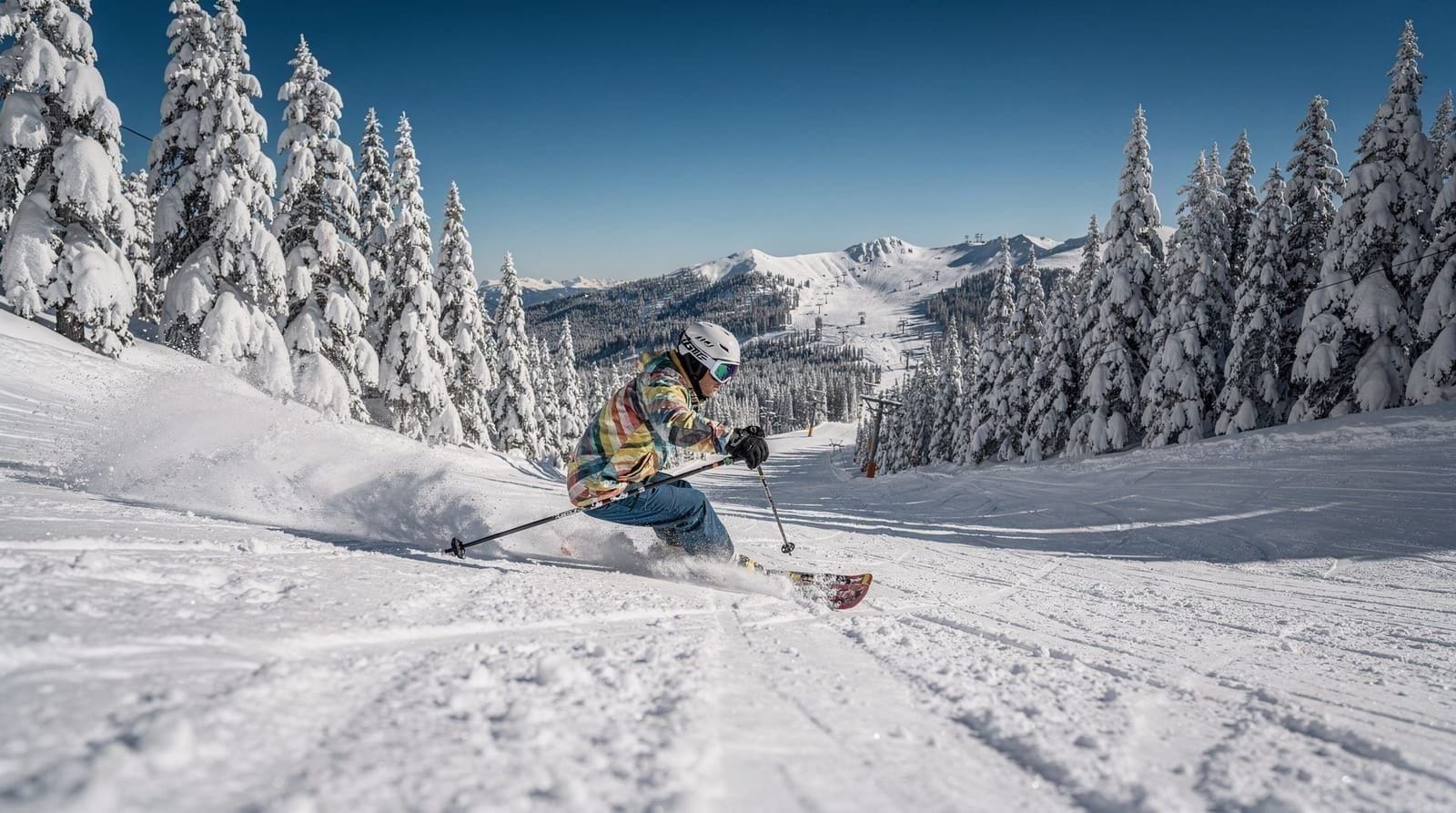
Given the Olympic freestyle and snowboard legacy, it’s not surprising that Cypress maintains a genuine terrain park scene — jumps, rails, and halfpipe-style features aimed at freestyle skiers and snowboarders rather than purely alpine skiing. This is a meaningful differentiator from both Grouse and Seymour, neither of which has built out terrain park culture to the same degree, and it’s a real reason serious park skiers specifically choose Cypress over the other two North Shore hills.
Injury and safety basics
Cypress’s steeper, more technical terrain carries correspondingly higher injury risk than Grouse’s or Seymour’s gentler runs, particularly in the terrain park zones where jump and rail features demand real skill to execute safely. Helmets are effectively standard among Cypress’s more experienced visitor base, and skiers unfamiliar with terrain park etiquette (looking before dropping into a feature, respecting right-of-way) should take that seriously given how much shared, fast-moving traffic these zones see on busy days. Ski patrol operates throughout the mountain, and travel insurance with winter sports coverage is worth confirming before any ski day here, as with any BC ski trip.
Cypress versus Grouse and Seymour
The honest comparison among Vancouver’s three North Shore hills comes down to a simple trade: Grouse has the infrastructure and the bookable ticket, Cypress has the terrain, and Mount Seymour has the lowest prices and quietest crowds. None of the three compares to Whistler in scale, but for a fast local ski session without the highway drive, Cypress is the pick for skiers who actually want to be challenged rather than cruise groomed beginner runs. The full three-way comparison, including hiking and summer use, is in Grouse vs Cypress vs Seymour.
Snowshoeing and non-ski options at Cypress
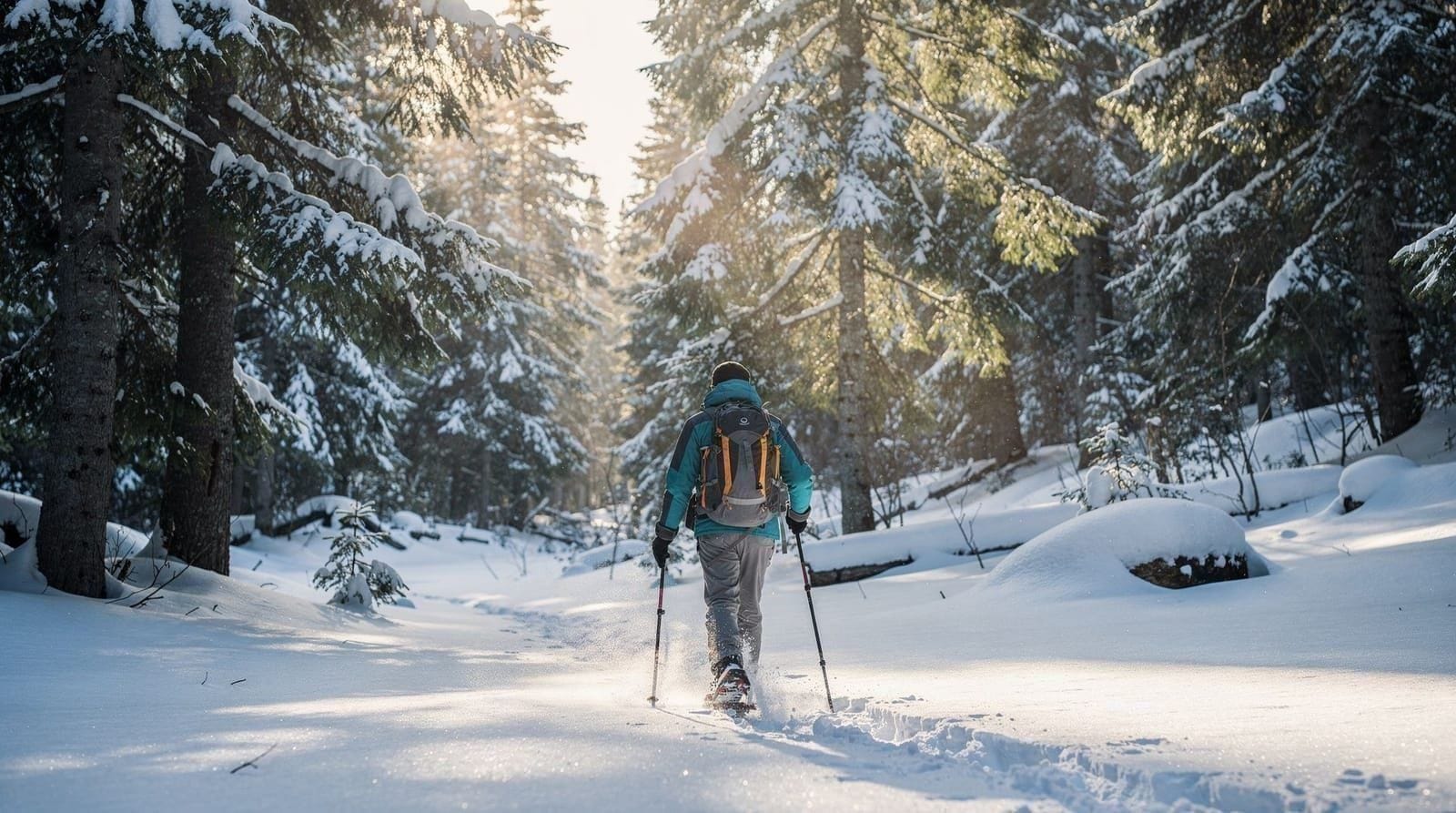
Cypress also maintains a marked snowshoe trail network separate from its ski runs, a lower-commitment way to experience the same alpine terrain without lift tickets or ski gear — worth considering for visitors traveling with a mixed group of skiers and non-skiers, or anyone who’d rather walk than ride. The dedicated snowshoeing near Vancouver guide covers trail options across all three North Shore mountains plus the Sea to Sky Gondola.
Rentals and gear
Rental packages for skis, snowboards, and terrain-park-specific gear are available at the base lodge, though the selection generally serves a more ski-literate crowd than Grouse’s or Seymour’s rental counters — worth knowing if you’re a genuine beginner, since Cypress’s terrain and rental clientele both skew more toward experienced skiers. First-timers are usually better served starting at Seymour or the beginner zones at Grouse before working up to Cypress’s steeper runs.
What a typical Cypress day actually looks like
Most visiting skiers arrive by mid-morning, park at the base lodge, and spend the first run or two reacquainting themselves with the terrain layout before committing to the steeper zones the mountain is known for. A typical day runs four to six hours of actual ski time once a lunch break and any lesson time is factored in, with terrain park regulars often spending a disproportionate share of that time in the dedicated park zones rather than lapping the full mountain. Night skiing sessions, for visitors who prefer an evening rather than a daytime slot, generally run a tighter two-to-three-hour window under lights, with a noticeably quieter, more locals-only atmosphere than daytime weekend sessions.
Cypress versus Whistler
Cypress cannot replace a Whistler trip for skiers seeking real vertical drop, alpine bowls, or multi-day terrain variety — it’s simply not built at that scale. What it offers instead is a genuinely challenging ski session without the two-hour Sea-to-Sky drive, which matters for visitors with limited time or for locals fitting in a session between other commitments. For a broader look at how all of BC’s ski options stack up against each other, including Whistler’s much larger operation, see the BC ski season overview and Whistler skiing guide.
Hollyburn — Cypress’s cross-country side
Beyond its downhill ski area, Cypress operates a genuinely separate Nordic (cross-country) skiing and snowshoeing zone based around Hollyburn Lodge, with a groomed trail network distinct from the downhill runs and its own base facilities and rentals. It’s a real draw for cross-country skiers, who have few other groomed options this close to Vancouver, and it’s generally quieter than the downhill side even during peak weekends. Visitors interested in cross-country technique rather than downhill skiing or snowboarding should specifically confirm Hollyburn’s separate ticketing and access, since it operates somewhat independently from the main downhill base area.
History: the 2010 Olympic connection in detail
Cypress’s Olympic legacy is more than a marketing footnote. The mountain hosted freestyle skiing moguls and aerials, along with snowboard halfpipe, parallel giant slalom and boardercross events during the 2010 Vancouver Winter Olympics and Paralympics, drawing a global television audience to terrain that’s now open to any visiting skier. Some of the infrastructure built for those events — particularly around the freestyle and terrain park zones — continued shaping how Cypress developed its park and pipe offerings in the years since, reinforcing its reputation among locals as the North Shore hill for skiers who want a genuine technical challenge rather than a leisurely cruise.
Lessons and equipment for beginners considering Cypress
Cypress does run a ski and snowboard school, though given the mountain’s overall lean toward more advanced terrain and clientele, first-time beginners are often better served starting at Mount Seymour or Grouse’s more built-out beginner zones before working up to a Cypress lesson. That said, Cypress’s lesson program is a legitimate option for a beginner specifically motivated to progress quickly toward the mountain’s more demanding terrain, or for intermediate skiers looking to add technique for steeper pitches and terrain park features under real instruction rather than trial and error.
Facilities and dining
The base lodge at Cypress houses rental services, a ski and snowboard school desk, and casual dining options sized for a day-lodge operation rather than a full resort village — expect cafeteria-style food and a functional, no-frills atmosphere geared toward skiers refueling between runs rather than a destination dining experience. This is broadly consistent with the other North Shore hills and stands in contrast to Whistler Village’s much larger range of dining options.
Frequently overlooked details
A handful of practical points catch out first-time Cypress visitors more often than anything else. The access road’s switchbacks climb quickly enough that conditions at the base lodge can be meaningfully snowier and icier than downtown Vancouver suggests, even on days when the city itself sees only rain — checking the mountain’s own current road and weather conditions before setting out is worth the extra step, particularly for visitors without much winter driving experience.
Parking at the base lodge can fill on clear weekends and during school holiday periods, since Cypress draws both dedicated skiers and a meaningful snowshoe and Nordic crowd sharing the same access road and lot. And because Cypress genuinely has no all-in-one sightseeing ticket the way Grouse does, visitors expecting a bundled “admission” product covering multiple activities should adjust expectations — lift tickets, Nordic trail passes and snowshoe rentals are generally sold and priced as separate products here.
Season and conditions
Like Grouse and Seymour, Cypress’s season is more weather-dependent than Whistler’s higher alpine terrain — a warm, wet December can delay opening, and the season generally runs from roughly mid-December through March, sometimes stretching into early April in a strong snow year. Because Cypress sits at a comparable elevation to Grouse rather than Whistler’s higher alpine zones, checking the mountain’s own snow report before a planned visit is the more reliable approach than assuming a fixed season window.
Terrain park features in detail
Cypress’s terrain park infrastructure typically spans multiple zones graded by feature intensity — smaller, lower-consequence jumps and rails for park skiers and riders working up their skills, through to larger, more advanced features for experienced park athletes. This graded approach mirrors how the mountain’s regular ski runs are organized, letting park-focused visitors progress within the terrain park the same way a regular skier might progress through green, blue and black runs elsewhere on the mountain. It’s a genuine point of differentiation from Grouse and Seymour, neither of which maintains terrain park infrastructure at a comparable scale.
Cypress versus Whistler’s backcountry and advanced terrain
Skiers who’ve outgrown Cypress’s terrain but aren’t ready for a full Whistler trip sometimes look at guided backcountry access as a middle step — an introduction to backcountry skiing and splitboarding, covered in the BC ski season overview, offers guided access to genuinely advanced, ungroomed terrain without needing full Whistler resort infrastructure. This isn’t a direct substitute for either Cypress or Whistler, but it’s worth knowing about for skiers specifically chasing more technical terrain than either resort’s groomed runs offer.
Getting a full season’s value from Cypress
For visitors or long-stay residents considering multiple Cypress days across a single winter, a season pass becomes worth comparing against single-day tickets once visit count crosses roughly four to six days, similar to the math at the other North Shore hills. Cypress also periodically offers midweek or off-peak pass products priced below a full unrestricted season pass, worth checking for visitors who know they’ll mainly ski weekdays rather than weekends.
Packing and preparation
Given Cypress’s more demanding average terrain, skiers should show up with slightly more preparation than a casual Grouse or Seymour visit warrants — well broken-in boots, layers suited to a genuinely full day of activity rather than a short session, and a realistic honest assessment of ability level before dropping into steeper or terrain-park sections. As with the other North Shore hills, waterproof outerwear matters more here than at drier interior resorts, since coastal snow runs wetter and a soaked layer by early afternoon meaningfully degrades the rest of the day.
Combining Cypress with a broader North Shore visit
Because Cypress sits above West Vancouver rather than North Vancouver, it’s slightly less convenient to pair with a same-day Capilano or Grouse visit than those two are with each other, given the additional driving between access roads on different sides of the North Shore. Visitors specifically planning a multi-mountain North Shore day should factor in this extra driving time realistically rather than assuming all three hills are as close together as they appear on a map — West Vancouver and North Vancouver access roads don’t connect directly at elevation, meaning a return to lower, connecting roads is required between stops.
Who should ski Cypress
Cypress makes the most sense for intermediate-to-advanced skiers who want real terrain without driving to Whistler, for terrain park and freestyle skiers drawn to its Olympic-legacy features, and for Vancouver-based skiers who want an evening or half-day session with more challenge than Grouse or Seymour typically offer. Genuine beginners and families with young kids are usually better served starting at Mount Seymour, where the terrain and pricing are built around exactly that audience.
Frequently asked questions — Cypress Mountain skiing
How much does a Cypress lift ticket cost?
A day lift ticket generally runs around CAD 90-110, positioned between Grouse and Mount Seymour on price, reflecting terrain quality rather than added visitor infrastructure since Cypress has no tram or wildlife bundling.Is Cypress good for beginner skiers?
Not ideally. Cypress's terrain skews steeper and more technical, and its rental counter and clientele lean toward more experienced skiers. First-timers are generally better served starting at Mount Seymour or Grouse's beginner zones.
Top experiences
Bookable activities with verified prices and instant confirmation on GetYourGuide.