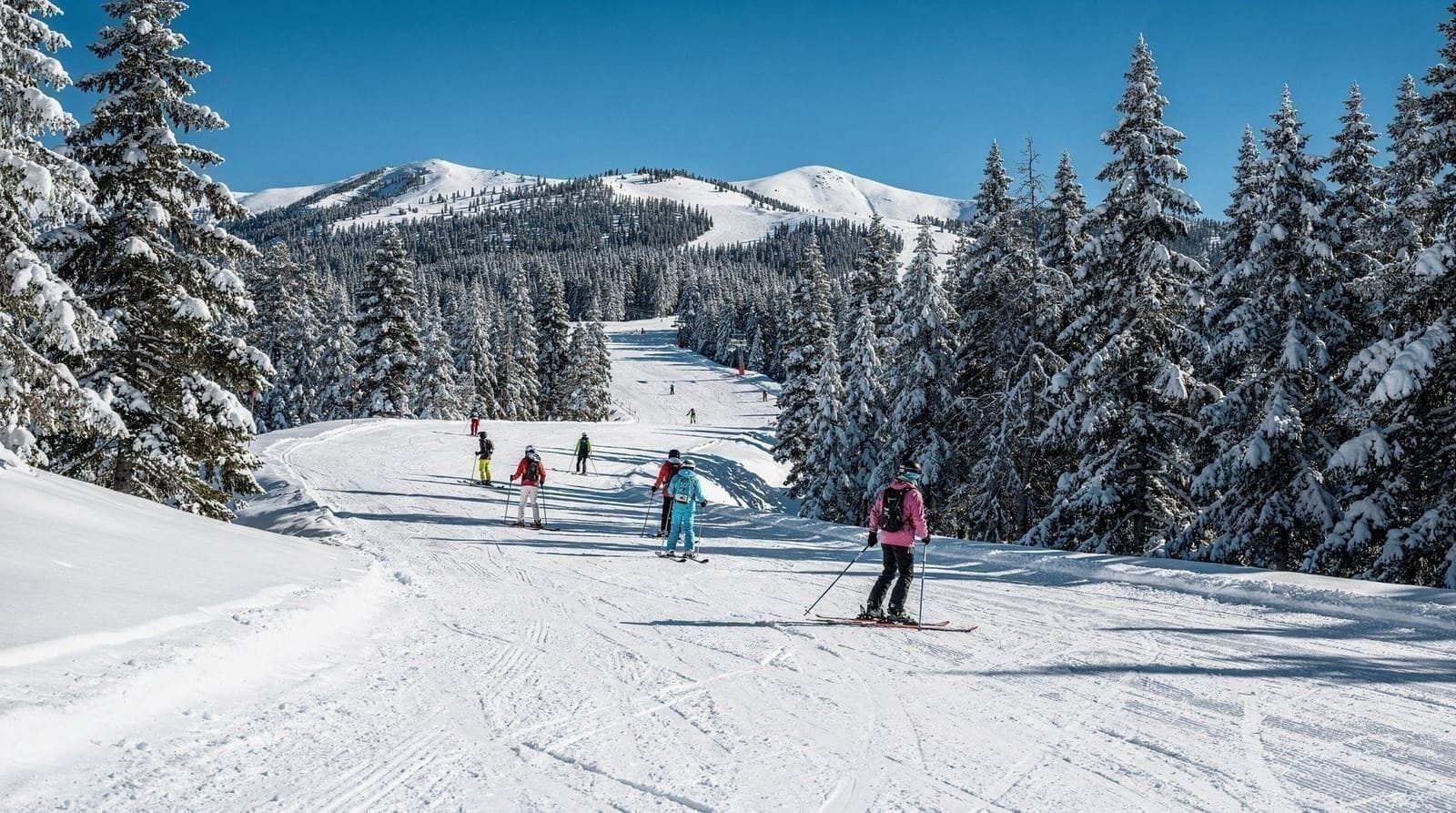
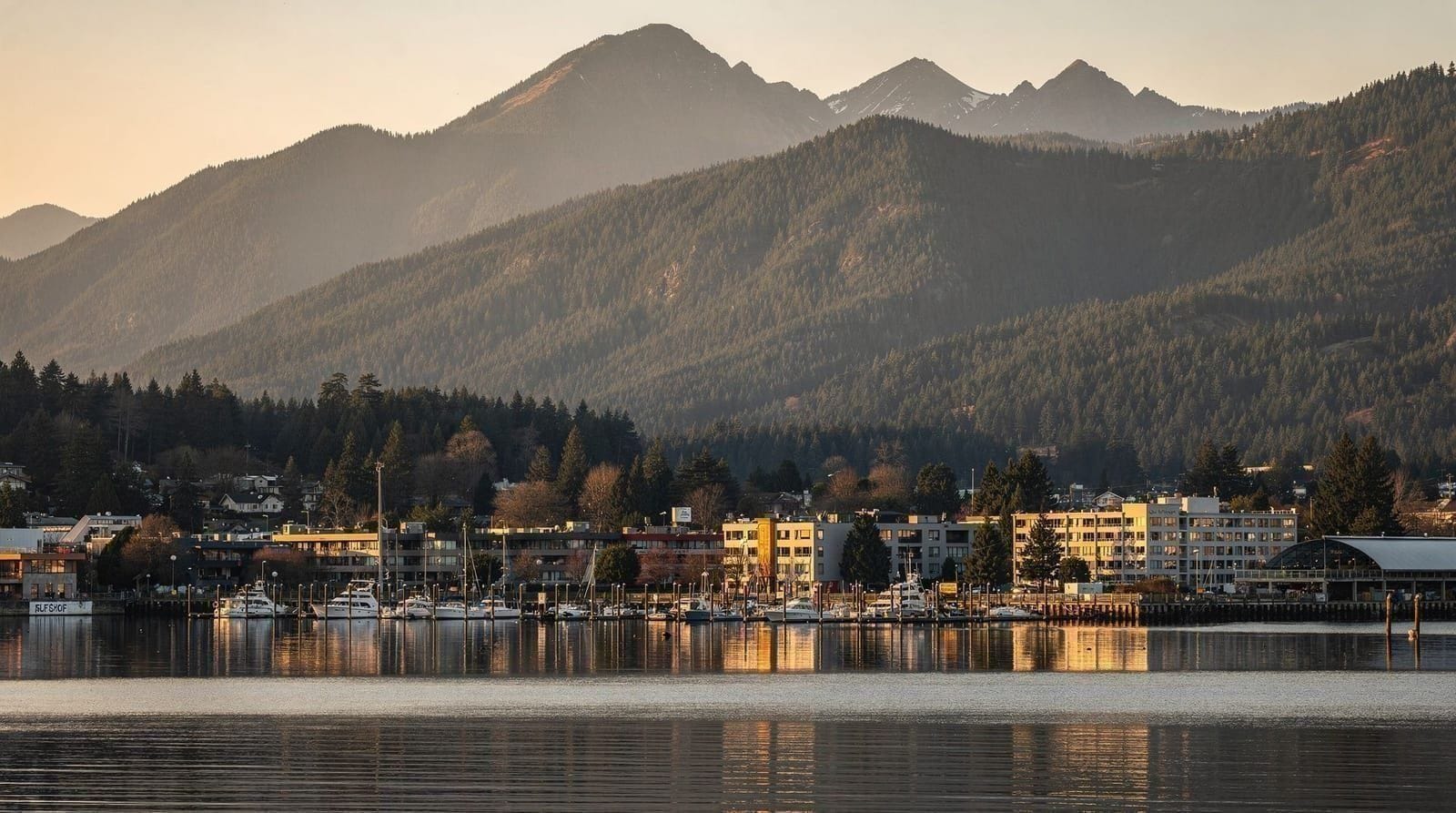
Mount Seymour in winter — Vancouver's quietest ski hill
Snowshoeing At The Top Of The Sea To Sky Gondola
Is Mount Seymour good for beginner skiers?
Yes — Mount Seymour is the smallest, cheapest and most beginner-oriented of Vancouver's three North Shore ski hills, with gentler terrain, a lower price than Grouse or Cypress, and a genuinely quieter, more local atmosphere. It has no bookable sightseeing product, so it's best suited to visitors specifically going to ski, snowboard, tube or snowshoe.
Mount Seymour is the North Shore ski hill most Vancouver visitors have never heard of, and that’s largely by design — it’s built for locals, not tourists, with none of Grouse’s tram-and-wildlife packaging or Cypress’s Olympic name recognition. What it offers instead is the lowest prices, the gentlest terrain, and the quietest lift lines of Vancouver’s three nearby mountains, which makes it a genuinely good choice for a specific kind of visitor even without a big marketing presence.
| Where | North Vancouver, ~30–40min from downtown |
| Cost | Day lift ticket around CAD 65–85 |
| Best for | Beginners, families, budget-conscious skiers |
| Getting there | Car or seasonal weekend shuttle (no transit route) |
| Season | Roughly mid-December through March |
Why visitors overlook Seymour
Of Vancouver’s three North Shore ski hills, Seymour has by far the lowest name recognition among out-of-town visitors, largely a byproduct of having invested least in visitor-facing marketing and infrastructure compared to Grouse’s tourism-oriented buildout. That’s precisely why it’s worth including on this list rather than skipping past it — visitors who only research the most-marketed options end up missing what is, for a specific kind of trip, genuinely the best-value and most welcoming of the three for true beginners and budget-conscious families.
No bookable sightseeing product — and that’s fine
Unlike Grouse, Seymour doesn’t sell a tram-ride sightseeing ticket, because there’s no tram — visitors drive or take a seasonal shuttle to a base lodge and access the mountain via ski lifts in winter or hiking trails in summer. There isn’t a matching GYG product for Seymour itself, and rather than force an unrelated link onto this page, it’s worth naming that plainly.
What we can point to are genuinely useful alternatives for visitors comparing snow options near Vancouver: guided snowshoeing at the Sea to Sky Gondola for a similarly low-key alpine outing, or, for skiers wanting real instruction on more demanding terrain, an introduction to backcountry skiing and splitboarding at Whistler.
Visitors who’d rather stay closer to a bookable, guaranteed ticket can compare against a Grouse Mountain Skyride admission ticket, which at least covers winter lift access on the neighboring mountain.
What a first visit to Seymour actually feels like
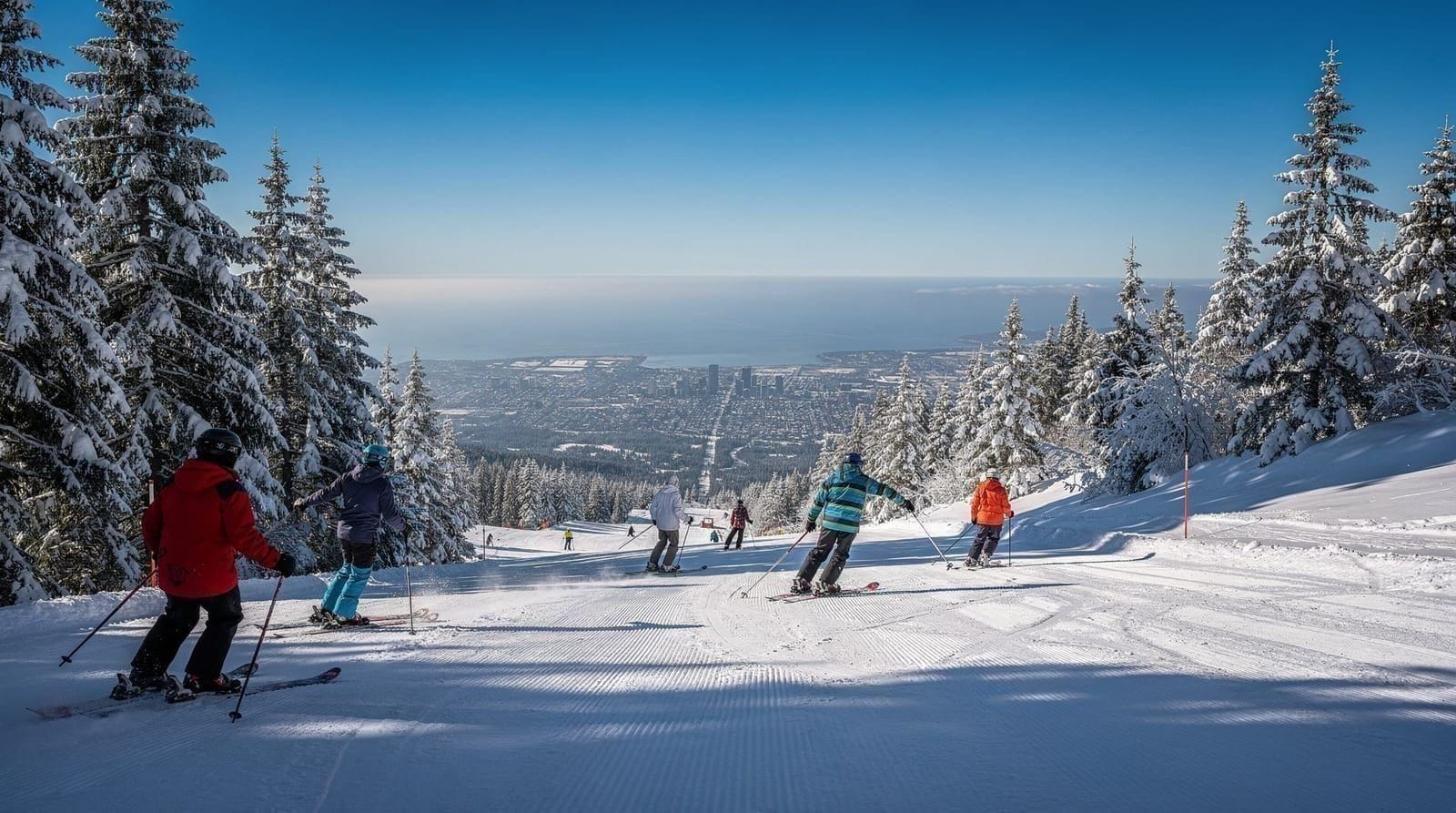
Arriving visitors typically notice the difference from Grouse immediately — a smaller, simpler base lodge, a shorter walk from parking to the lifts, and noticeably less visual polish in signage and facilities. For families specifically there to learn, this scaled-down, lower-pressure setting tends to work in their favor: there’s less to navigate, fewer competing attractions pulling attention away from the actual ski lesson, and a general sense that the mountain exists to teach people to ski rather than to sell a broader visitor experience around the ski operation.
Terrain: built for beginners and families
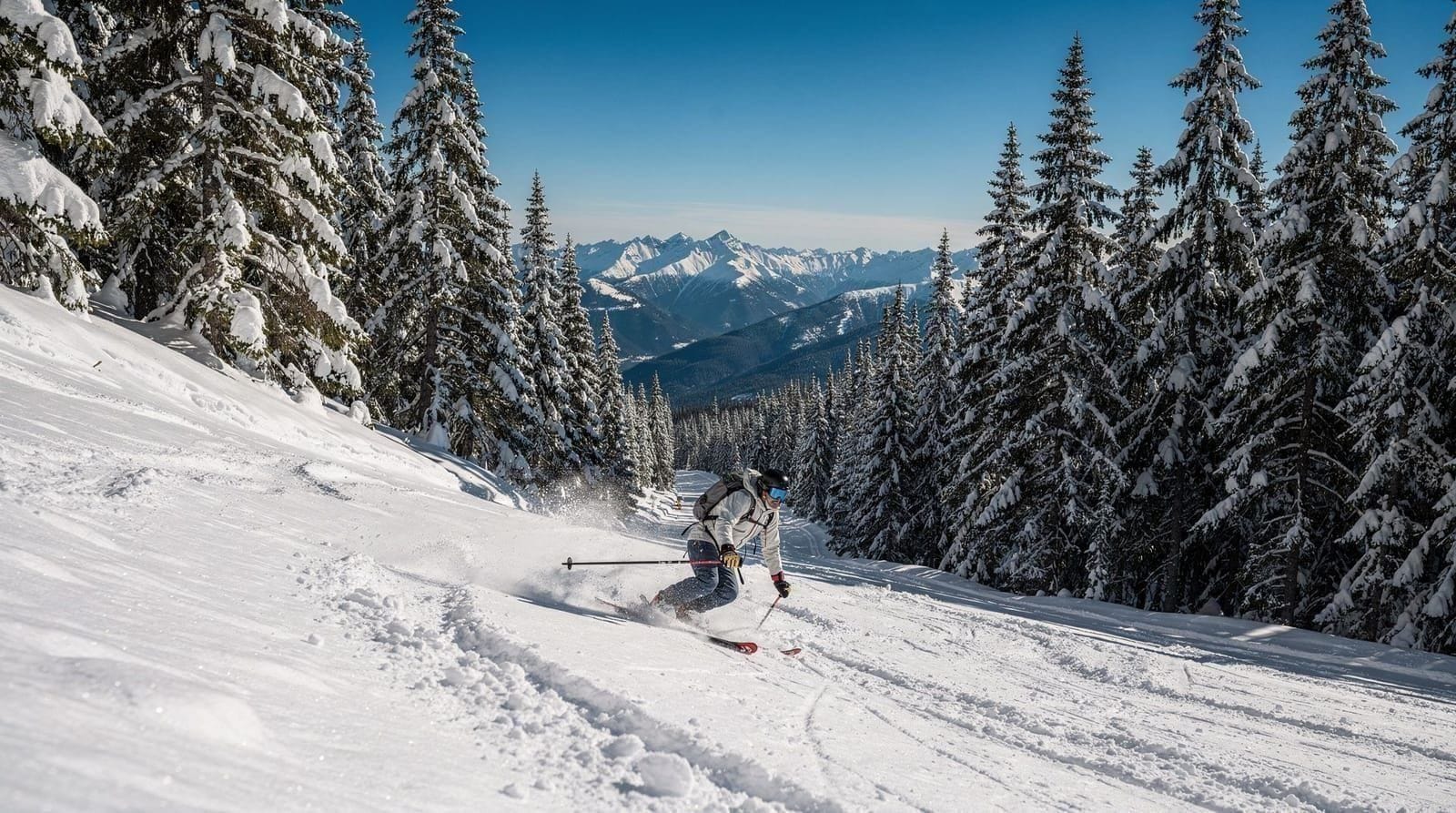
Seymour’s terrain leans distinctly toward beginner and lower-intermediate skiing, with fewer of the steeper, more technical runs that define Cypress. That’s not a limitation so much as a deliberate character — Seymour is where a lot of North Shore families send their kids for first-time ski lessons, and where adult beginners can learn without feeling like they’re in the way of more advanced skiers working the same runs. Confident intermediate and advanced skiers will likely find the terrain too limited for a full day, but for a low-pressure first or second ski outing, it’s genuinely well suited.
Prices
Mount Seymour is consistently the cheapest of the three North Shore hills, with day lift tickets typically running roughly CAD 65-85 — noticeably below both Grouse’s roughly CAD 75-95 and Cypress’s roughly CAD 90-110. Night skiing tickets, priced lower again for an evening-only session, follow the same pattern as the other two hills, letting Vancouver-based visitors fit in a session after work without paying full-day pricing.
Tubing — Seymour’s family-specific draw
Mount Seymour maintains a dedicated snow tubing park, a straightforward sliding activity that doesn’t require any ski or snowboard skill and works well for younger kids or anyone who’d rather slide downhill than learn to ski. It’s priced separately from lift tickets and typically sold in timed sessions given capacity limits on the tubing lanes — worth checking current availability and booking ahead during busy weekends, since sessions can sell out on the busiest family days.
Getting there
Mount Seymour sits above North Vancouver, roughly 30-40 minutes from downtown by car via the Second Narrows/Ironworkers Memorial Bridge and Mount Seymour Parkway, climbing to a base lodge area. As with Cypress, there’s no direct SeaBus-and-bus transit connection the way there is to Grouse; visitors without a car typically rely on driving or a seasonal shuttle service that runs on winter weekends from Vancouver, worth confirming directly with the operator since schedules vary by season. Winter tires matter here as much as anywhere else in the North Shore mountains, since the access road gains elevation quickly enough to hit snow and ice conditions well before downtown Vancouver sees any.
Crowds — Seymour’s quiet reputation
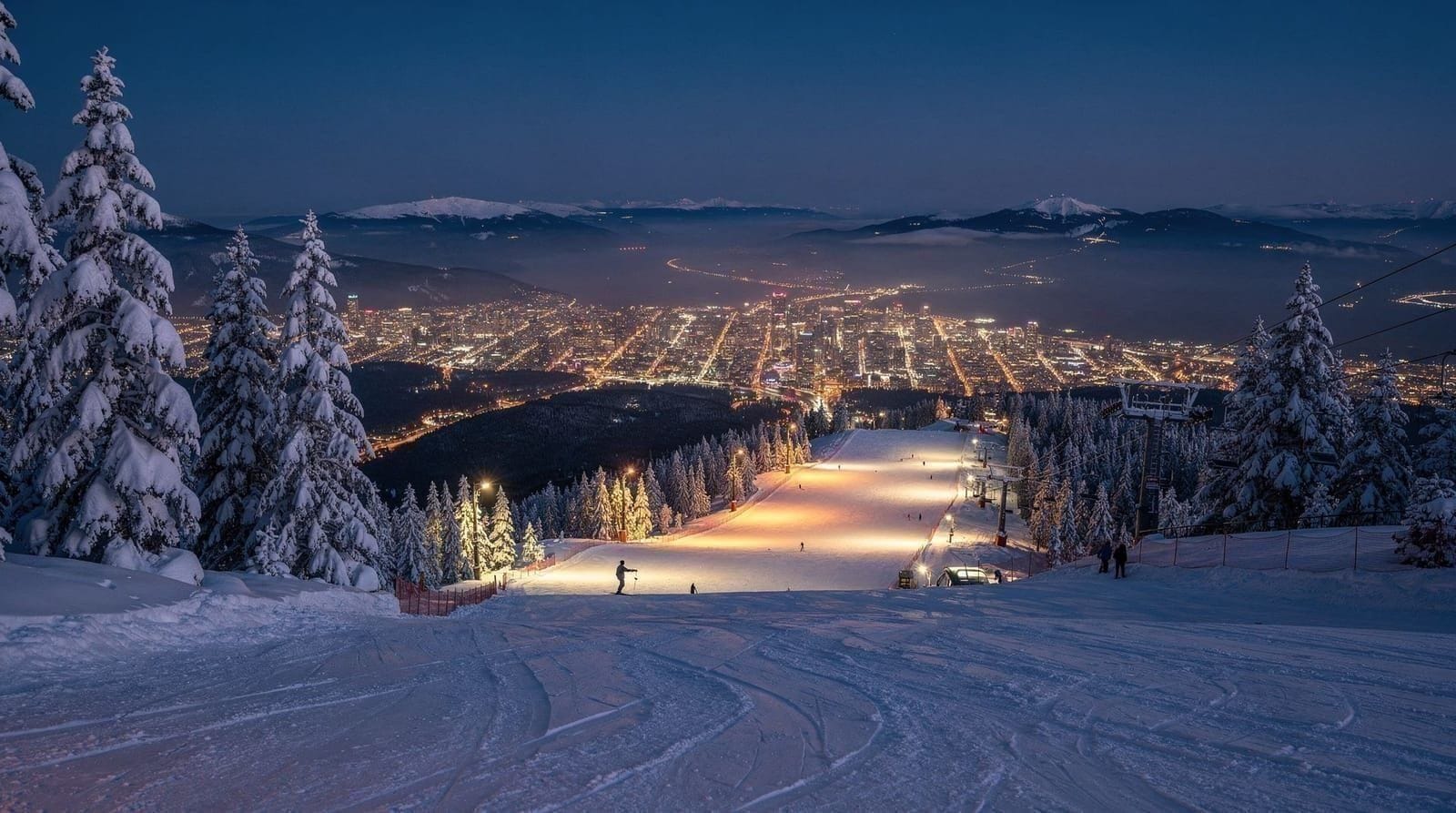
Among Vancouver’s three North Shore hills, Seymour is consistently the least crowded. It has the smallest visitor base, minimal tourist marketing, and trails that see mostly locals rather than the tour groups and cruise-ship day-trippers that show up at Grouse in particular. For a visitor who’s already done a busier North Shore attraction and wants a genuinely low-key mountain afternoon without lines, Seymour delivers on that in a way neither of the other two hills quite matches.
Rentals and gear
Rental packages for skis, snowboards, boots and helmets are available at the base lodge, generally aimed at a beginner-friendly clientele consistent with the mountain’s overall character — a reasonable place for a genuine first-timer to rent gear and try skiing without the intimidation factor of a larger, more advanced-terrain-focused hill.
Learn-to-ski and learn-to-ride programs
Seymour’s ski and snowboard school leans heavily into first-timer instruction, consistent with the mountain’s overall beginner-oriented character, with structured multi-week or multi-session programs available for kids and adults working through a genuine learning progression rather than a single one-off lesson. Local families sometimes enroll kids in a season-long Saturday program here specifically because the terrain and crowd levels make repeated learning sessions less intimidating than they would be on a busier, more advanced-terrain-focused mountain. Visiting families with only a single trip’s worth of time are equally well served by a one-off first-timer lesson package, which bundles instruction, rental gear and beginner lift access.
The tubing park in more detail
Seymour’s snow tubing park runs kids and adults down a groomed lane on an inflatable tube, an activity that requires zero prior experience or balance skill, making it one of the few winter mountain activities genuinely accessible to very young children who aren’t ready for skiing or snowboarding at all. Sessions are typically sold in fixed time blocks given the physical capacity limits of the tubing lanes and the tow-rope or lift system that returns tubers to the top, and weekend and holiday sessions can sell out — booking ahead is worth doing specifically for families building a day around tubing rather than skiing.
Trail network for snowshoeing and cross-country
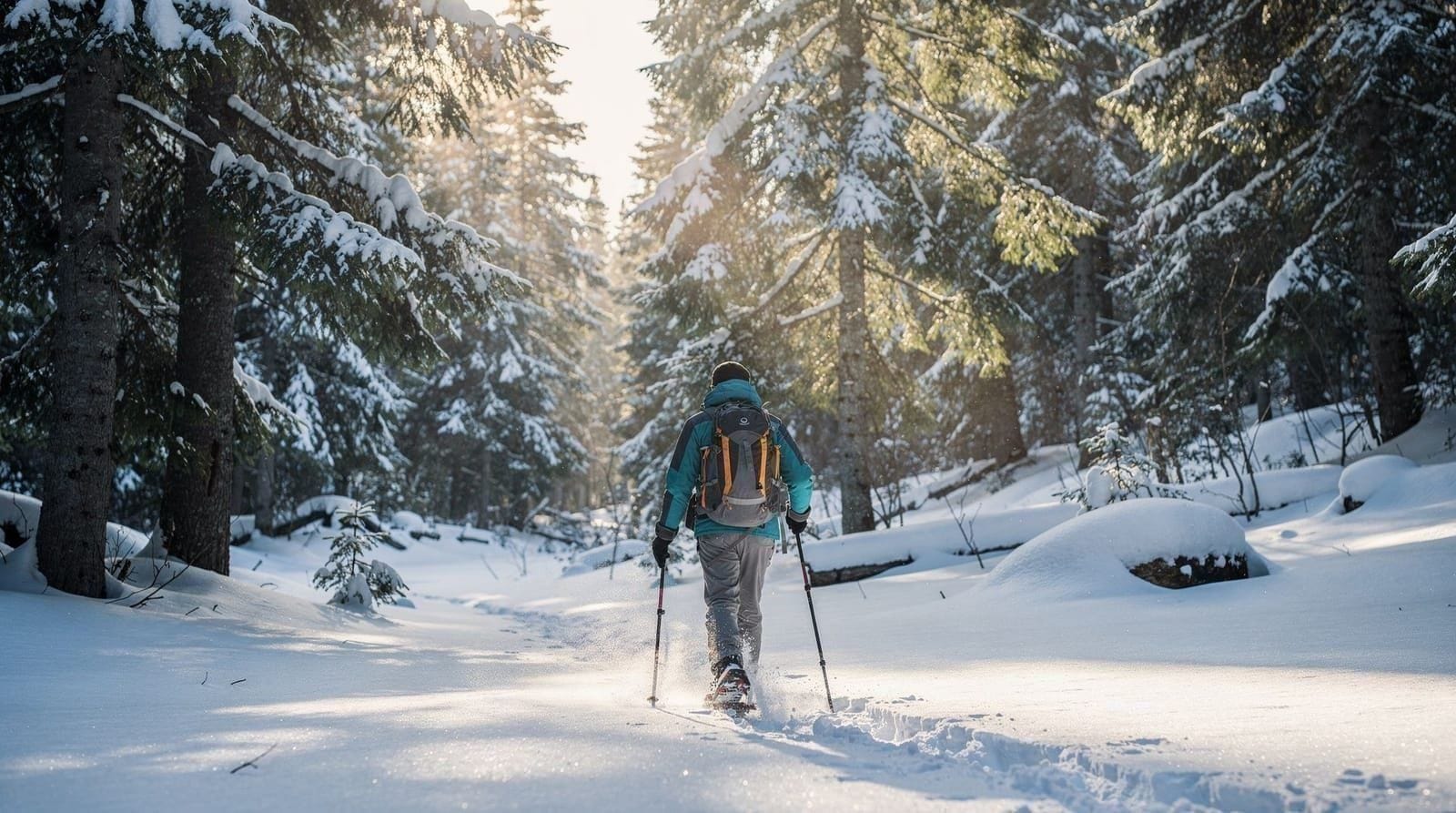
Beyond its downhill ski runs, Seymour maintains marked snowshoe trails through subalpine terrain, generally quieter than equivalent trails at Grouse or the Sea to Sky Gondola given the mountain’s overall lower visitor numbers. It doesn’t have a dedicated groomed cross-country network on the scale of Cypress’s Hollyburn area, so cross-country skiers specifically are usually better served heading there instead; Seymour’s strength for non-downhill visitors is more in snowshoeing than classic Nordic skiing.
The genuinely local atmosphere
Seymour draws a visitor base that skews more heavily toward North Shore locals than either Grouse or Cypress, both of which see meaningfully more tourist and cruise-passenger traffic. That translates into a noticeably different on-mountain atmosphere — less polish, less visitor infrastructure, but also less of the managed, ticketed-attraction feel that can make Grouse in particular feel more like a curated experience than a plain mountain. Visitors specifically looking to get a sense of how Vancouverites actually spend a winter Saturday, rather than experiencing a tourism-oriented version of the North Shore, will find Seymour the most representative of the three.
Seymour versus Grouse and Cypress
The three-way comparison among Vancouver’s North Shore ski hills comes down to a simple set of trade-offs: Grouse has the bookable ticket and the built-out visitor infrastructure, Cypress has the most demanding terrain and Olympic pedigree, and Seymour has the lowest prices and gentlest terrain, best suited to beginners and families. None of the three offers anything close to Whistler’s scale, and none requires the highway drive that Whistler does. For the fuller three-way breakdown across skiing, hiking and general visitor experience, see Grouse vs Cypress vs Seymour, and for the direct terrain comparison against Cypress specifically, see the Cypress skiing guide.
What a typical Seymour day looks like
A first-time family visit to Seymour typically centers around a lesson package in the morning, when instructors and rental staff are freshest and lines are shortest, followed by free skiing or a tubing session in the afternoon once the basics have been covered. Visitors specifically there for tubing rather than skiing usually book a single timed session, which runs a set duration (commonly an hour or two) rather than open-ended access, since lane capacity is limited. Evening sessions under lights draw a different, more locals-heavy crowd, generally quieter and more focused on quick after-work or after-school runs than the more lesson-and-family-oriented daytime crowd.
Snowshoeing and summer hiking
Seymour maintains marked snowshoe trails separate from its ski runs, generally quieter than the equivalent trails at Grouse or the Sea to Sky Gondola given the mountain’s overall lower visitor volume — details in the snowshoeing near Vancouver guide. In summer, the same terrain opens up as genuine alpine hiking territory, with trails to Mount Seymour’s summit, Dog Mountain, and Dinky Peak offering subalpine meadows and lake scenery without the crowds that build up on trails closer to Grouse.
Injury and safety basics
Seymour’s gentle, beginner-oriented terrain is generally the most forgiving of the North Shore’s three ski hills, appropriate given how much of its visitor base is made up of true first-timers and young kids. That said, standard ski safety practices still apply — helmets, staying within ability level, and being aware of other beginners on shared runs, since a hill full of first-timers means a hill full of skiers still building basic control and stopping skills. Ski patrol operates throughout the season, and the same travel-insurance considerations that apply at any BC ski hill apply here too.
Frequently overlooked details
A few practical notes matter more for Seymour than they might for a larger, more heavily marketed ski hill. Because Seymour draws a genuinely local crowd rather than a tourist-oriented one, signage, online information and general visitor infrastructure can feel less polished than at Grouse — worth expecting a more no-frills experience rather than assuming resort-level visitor services.
The access road, like Cypress’s, gains elevation quickly enough that conditions at the base lodge can differ meaningfully from what’s happening in North Vancouver at sea level, so checking the mountain’s own current conditions before setting out is worth the extra step. And because Seymour has no bookable all-in-one product the way Grouse does, tickets for lift access, tubing, and lessons are generally sold as separate items rather than bundled — worth confirming exactly what a given purchase includes before arriving expecting a single all-access pass.
Season and conditions
Like Cypress, Seymour’s lower coastal elevation makes its season more weather-dependent than Whistler’s higher alpine terrain, typically running from roughly mid-December through March, sometimes into early April in a strong snow year. A warm, wet December can delay the opening or thin out early-season coverage, so checking the mountain’s own snow report before a planned visit beats assuming a fixed calendar window.
A brief history
Mount Seymour’s ski area has operated since the 1930s, giving it a genuine multi-generational local history even though it’s never pursued the visitor-facing marketing and infrastructure investment that transformed Grouse into a tourist attraction over the same period. That deliberate lower-key trajectory is part of why Seymour still reads as a community ski hill rather than a branded attraction — its identity has stayed consistent in a way Grouse’s summer-tourism-driven expansion hasn’t.
Weekday versus weekend
The gap between weekday and weekend crowd levels is more pronounced at Seymour than at Grouse or Cypress, given how heavily its visitor base skews toward local families and season pass holders who ski primarily on weekends. A weekday visit, even during regular ski season rather than a special off-peak window, typically means noticeably shorter lift lines and a genuinely quiet mountain experience — one of the more reliable ways to maximize actual ski time relative to cost among all of Vancouver’s ski options.
Volunteer patrol and community feel
Seymour has historically relied in part on volunteer ski patrol alongside paid staff, a structure that reinforces its community-hill character compared to the more fully commercial operations at Grouse and Whistler. Visitors sometimes notice a more informal, neighborly atmosphere as a result — less polish, but a genuine sense that the mountain exists primarily for the community that uses it rather than as a curated visitor experience.
Packing for a Seymour visit
Given Seymour’s shorter, more casual visit profile compared to a full Whistler day, packing needs stay fairly simple — standard waterproof outer layers, warm gloves, and a helmet if not renting one. Families bringing young first-timers should pack a spare set of dry base layers, since beginners fall more often while learning and a soaked base layer partway through a lesson can turn a fun first ski experience into a miserable, cold one well before the session is actually over.
Combining Seymour with other North Vancouver stops
Because Seymour sits above North Vancouver, relatively close to both Grouse and the Deep Cove area, visitors with a car and a full day sometimes combine a Seymour ski or tubing session with lower-elevation North Shore stops before or after — though the elevation gain and separate access road mean it’s more of a full dedicated outing than a quick add-on to a Grouse or Capilano day, given the driving time between distinct mountain access roads.
Who should ski Mount Seymour
Seymour is the right choice for genuine ski beginners, families with young kids learning to ski or wanting a tubing session, and budget-conscious skiers who want the lowest lift-ticket price among Vancouver’s local options. Confident intermediate or advanced skiers looking for a real workout are better served at Cypress, and anyone with the time and budget for a full destination ski trip should head straight to Whistler rather than treating Seymour as a warm-up — the terrain genuinely doesn’t overlap enough to make both trips necessary on the same visit.
Booking a lesson or tubing session in advance
Because Seymour has no all-in-one bookable product, planning ahead means checking each piece separately rather than assuming one purchase covers everything. Lift tickets are generally available at the base lodge without advance booking outside the busiest holiday weeks, but lesson packages and tubing sessions both run on limited capacity and are worth reserving a few days ahead, especially for a Saturday or a school holiday period when local families fill sessions early. Visitors arriving without a reservation on a busy day should have a backup plan — a Sunday visit instead of Saturday, or an afternoon session instead of morning — rather than counting on same-day availability.
What a beginner day actually costs
Budgeting a first-timer day at Seymour means adding a few line items beyond the lift ticket itself: a beginner lesson package (which typically bundles instruction, rental gear, and a limited lift pass), or separate rental fees if skipping the lesson and renting gear alone. Even stacked together, a full beginner package at Seymour still comes in noticeably below the equivalent day at Grouse or Cypress, which is a meaningful part of why local families default to it for a child’s first few ski days rather than starting at a pricier hill and downgrading later if the terrain proves too advanced.
Top experiences
Bookable activities with verified prices and instant confirmation on GetYourGuide.