Deep Cove
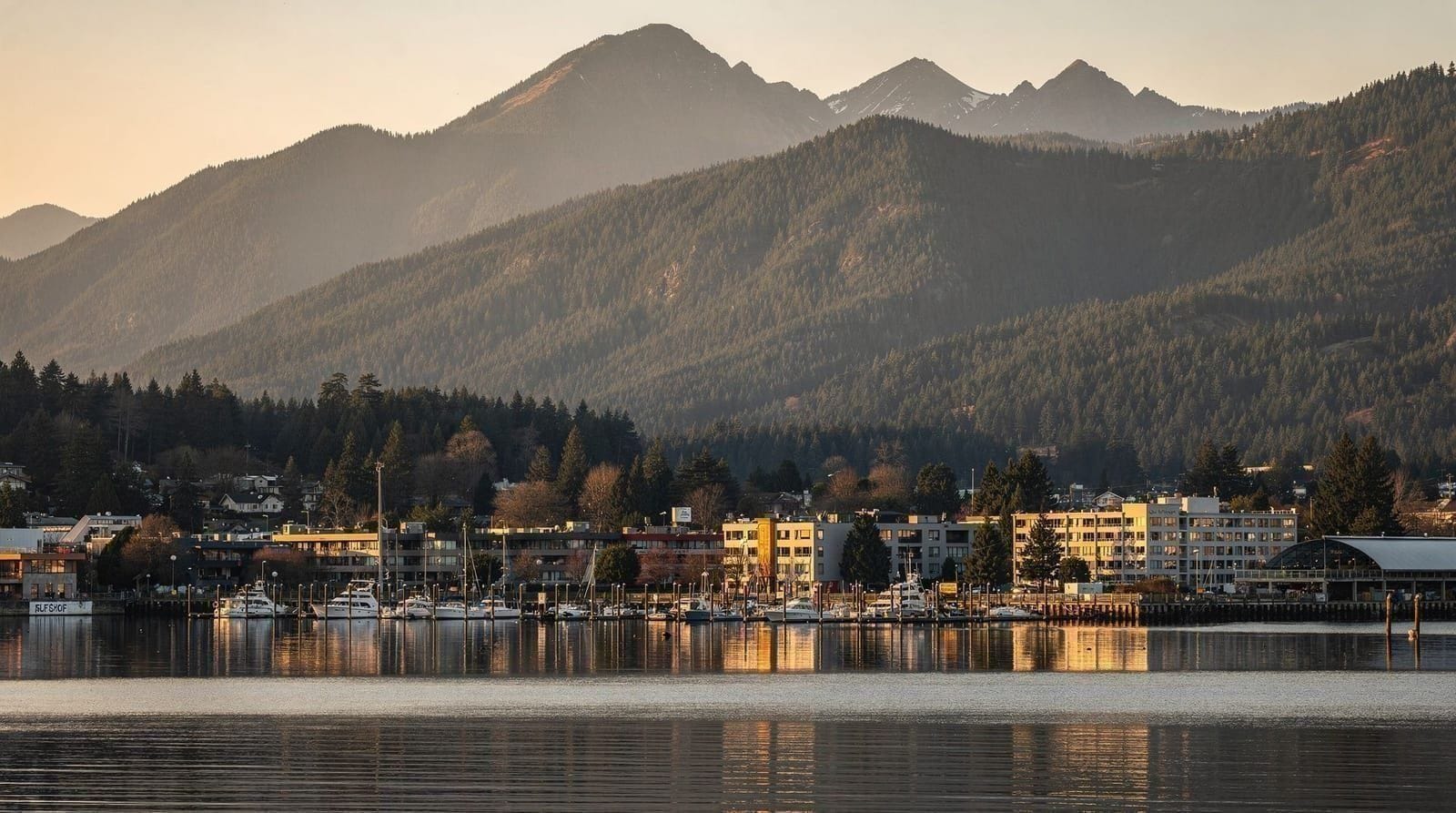
Deep Cove is a small waterfront village on Indian Arm, known for kayak rentals, the Quarry Rock hike, and Honey's Doughnuts, 25 minutes from downtown.
Vancouver: Indian Arm and Granite Falls Zodiac Boat Tour
Duration: 3 hours
Quick facts
- Distance from downtown
- 25–35 min by car; bus 211/212 from Lonsdale Quay
- Getting there
- Car recommended, or SeaBus + bus
- Best time to visit
- June–September for kayaking and hiking
- Typical cost
- CAD 40–90 for a kayak rental; free to walk the village and trail
- Time needed
- Half day
| Where | Eastern edge of North Vancouver’s District, on Indian Arm |
| Cost | CAD 40–90 for a kayak rental; free to walk the village and trail |
| Time needed | Half day |
| Getting there | Car recommended; bus 211/212 from Lonsdale Quay |
| Best time | June–September for kayaking and hiking |
Deep Cove sits at the end of the road on the eastern edge of North Vancouver’s District, a small village wrapped around a sheltered inlet where Indian Arm — a long fjord carved by glaciers — begins. It’s smaller and quieter than Capilano or Grouse Mountain, with no admission gate and no tour buses idling in a parking lot, which is exactly why a lot of locals consider it their favorite North Shore stop for visitors who’ve already done the bigger attractions.
Kayaking and paddleboarding on Indian Arm
Deep Cove’s calm, protected waters make it one of the most popular flat-water paddling spots in the region. Several outfitters on the waterfront rent single and tandem kayaks and stand-up paddleboards by the hour, with no experience required for the sheltered bay itself — conditions rarely get choppy this close to the launch point. For a longer, guided outing further up the fjord, an Indian Arm and Granite Falls zodiac boat tour covers ground a self-guided kayak trip can’t reach in a single afternoon, passing waterfalls and steep granite walls that drop straight into the water.
Travelers who’d rather paddle than ride can book a guided kayak tour or a more general Vancouver kayaking tour, both of which include equipment and basic instruction, useful for first-timers unsure about renting and heading out solo.
Renting vs. booking a guided tour
For visitors comfortable in a kayak already, renting directly from one of the waterfront outfitters and paddling the sheltered bay independently is the cheapest and most flexible option — there’s no need to commit to a tour schedule, and the bay itself is forgiving enough for a self-guided hour or two. A guided tour makes more sense for anyone wanting to actually reach Indian Arm’s more dramatic scenery (Granite Falls in particular sits well beyond a reasonable solo paddling range for most visitors), for complete beginners who want basic instruction before heading out, or simply for travelers who’d rather have a local guide narrate the fjord’s geology and history rather than research it themselves beforehand.
Wildlife on the water
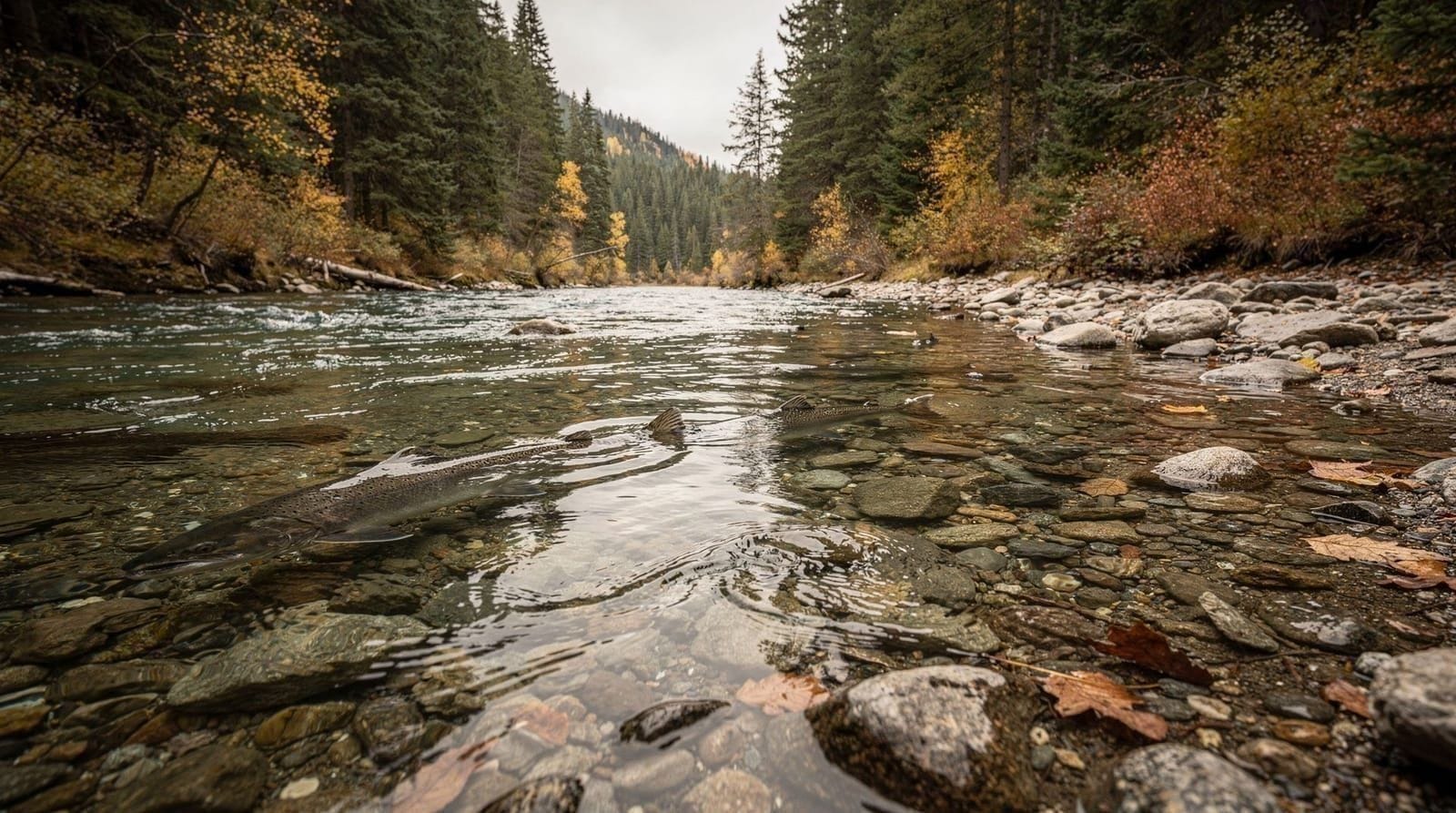
Indian Arm supports a genuine amount of marine life for water this close to a major city — harbour seals are a common sight hauled out on rocks or bobbing near kayaks, and bald eagles nest along the fjord’s forested banks, often visible perched in tall trees above the shoreline. Salmon runs pass through the inlet on their way to spawning streams in late summer and fall, drawing seals and the occasional black bear down to the water’s edge, though sightings of the latter are uncommon enough not to count on. None of this rises to the reliability of a dedicated whale-watching trip out of Victoria or downtown Vancouver, but it adds a genuine wildlife dimension to what’s otherwise a scenery-and-exercise outing.
Quarry Rock
The village’s other main draw is Quarry Rock, a short but genuinely steep hike (about 3.8 km round trip, roughly an hour each way at a moderate pace) that climbs through forest to a granite outcrop overlooking Indian Arm. The view at the top — fjord water framed by mountains on both sides — is disproportionate to the effort required, which has made it one of the most Instagrammed short hikes in the Vancouver area, and also one of the more crowded ones on weekends. The trailhead starts right in the village, a few minutes’ walk from the main waterfront parking lot, so it pairs naturally with a kayak session or a coffee stop before or after.
Despite its short distance, Quarry Rock has a genuine safety record worth taking seriously: the outcrop at the top has no railing, and it’s a real drop to the water below. Injuries have occurred from people getting too close to the edge for a photo, particularly on wet or icy rock. It’s a manageable family hike for reasonably fit kids, but not a spot to let children wander unsupervised near the summit viewpoint. Sturdy shoes make a genuine difference on the trail’s root-covered sections, especially after rain.
Honey’s Doughnuts and the village itself
Deep Cove’s small commercial strip is built almost entirely around the waterfront and one street running back from it. Honey’s Doughnuts, a local institution since the 1970s, draws a steady line on weekends for cake doughnuts made fresh throughout the day — arriving before 10am on a Saturday avoids the worst of it. A handful of cafes, an ice cream shop, and a general store round out the village, none of it large, all of it walkable in 15 minutes. There’s genuinely not much to “do” here beyond the water and the trail, and that’s the appeal: it’s a place to slow down after a morning spent at Capilano or Grouse Mountain.
Why locals send visitors here
Deep Cove tends to come up specifically as an answer to “where should I go that isn’t full of tour buses” — a common question for anyone who’s already covered Capilano, Grouse, and downtown Vancouver’s headline sights and wants a genuine local spot rather than another ticketed attraction.
The Vancouver tourist traps honest-planner guide covers this trade-off in more depth: paid North Shore attractions versus quieter, free alternatives like Deep Cove and Lynn Canyon. It’s also a common stop on broader avoid the crowds itineraries built around Vancouver’s quieter corners, and it’s the kind of place locals mention unprompted when asked for recommendations beyond the standard tourist checklist.
Getting there
Deep Cove is harder to reach by transit than North Vancouver’s other attractions — it sits at the end of Deep Cove Road, well past the areas served by frequent buses. From Lonsdale Quay, bus 211 or 212 covers the route, but service thins out significantly on evenings and Sundays, so checking current schedules before relying on it is worth the five minutes. Driving is straightforward, roughly 25–35 minutes from downtown depending on traffic on the Ironworkers Memorial Bridge, though the small waterfront parking lot fills early on sunny weekends — arriving before 10am or after 4pm improves your odds considerably.
Pairing Deep Cove with the rest of an outdoor day
Deep Cove works well as one stop on a broader outdoor-focused North Shore day. Paddlers who want a longer route than Deep Cove’s sheltered bay offers can extend the trip toward Indian Arm kayaking, and hikers looking for something more demanding than Quarry Rock can find route notes in the best hikes in Vancouver guide. The Vancouver outdoor adventure itinerary uses Deep Cove as one stop among several North Shore and Sea-to-Sky outdoor days, useful for travelers building a multi-day active trip rather than a single afternoon.
Because everything in the village sits within a short walk of the water, Deep Cove also works as a genuine half-day even for visitors without much hiking or paddling interest — simply walking the small waterfront, browsing the handful of shops, and having a coffee or doughnut by the water is a legitimate way to spend an hour or two, with none of the ticket-line pressure that comes with a paid attraction elsewhere on the North Shore. It’s the kind of low-key stop that works equally well as a first activity of the day or a relaxed way to wind one down.
When to visit
Summer (June through September) is by far the best season for the water activities that define Deep Cove — kayaking and paddleboarding both depend on calm, warm-enough conditions that make sense for most visitors. The Quarry Rock hike is doable year-round but becomes slick and occasionally hazardous in wet weather, since the trail’s exposed rock sections get slippery when rain-soaked. Weekday visits, any season, avoid the worst of the parking crunch and trail crowding that weekends bring.
Deep Cove vs. Lynn Canyon vs. Capilano
Visitors trying to decide how much time to give Deep Cove versus the North Shore’s other free and paid options often ask a version of the same question: which of these actually delivers the most for the time spent?
| Stop | Cost | Main draw | Crowds |
|---|---|---|---|
| Deep Cove | Free to walk; CAD 40–90 for kayak rental | Kayaking, Quarry Rock hike, village atmosphere | Moderate, busiest on summer weekends |
| Lynn Canyon | Free | Suspension bridge, swimming holes, forest trails | Moderate to heavy on hot weekends |
| Capilano | Around CAD 35–45 | Suspension bridge, Treetops canopy, Cliffwalk | Heaviest, tour-bus traffic |
The honest read: Capilano is the polished, paid experience worth doing once; Lynn Canyon and Deep Cove are the free-to-low-cost alternatives locals actually use, and Deep Cove edges out Lynn Canyon for anyone who wants water activity rather than just a forest walk.
A realistic half-day plan
A workable order for a first Deep Cove visit: arrive by mid-morning to beat both the parking crunch and the worst of the Quarry Rock crowds, do the hike first while energy is fresh (it’s steeper than it looks on paper), then reward the effort with a kayak or paddleboard session on the calm bay once you’re back at sea level. Finish with a doughnut and coffee at Honey’s before heading back — the whole sequence comfortably fills a half day without ever feeling rushed, and it works equally well in reverse order for visitors who’d rather paddle before hiking.
Practical tips
Bring cash or a card for Honey’s Doughnuts (lines move fast but it’s a small space), and book kayak rentals ahead on summer weekends if you have a specific time window — walk-up availability isn’t guaranteed on the busiest days. If you’re combining Deep Cove with other North Shore stops, it pairs naturally with Lynn Canyon, roughly 15 minutes away by car, for a full day of North Vancouver’s free and low-cost outdoor spots without setting foot inside a paid attraction like Capilano or Grouse Mountain. Check the best-time-to-visit tool for current seasonal conditions before planning a paddling-focused day.
Frequently asked questions about Deep Cove
Is Deep Cove worth visiting if I’ve already done Capilano or Grouse Mountain?
Yes, and arguably more so — Deep Cove is exactly the quieter, non-ticketed alternative that locals recommend to visitors who’ve already covered the North Shore’s bigger paid attractions and want a genuine local spot instead.
Do I need kayaking experience to paddle at Deep Cove?
No. The sheltered bay itself rarely gets choppy, and outfitters rent to first-timers without requiring experience. Anyone wanting to go further up Indian Arm toward Granite Falls, though, should book a guided tour rather than attempting it solo.
Top experiences
Bookable activities with verified prices and instant confirmation on GetYourGuide.