Vancouver tourist traps worth skipping (and what to do instead)
Vancouver: Capilano Suspension Bridge Park Ticket
- Free cancellation
What are the biggest tourist traps in Vancouver?
The Gastown steam clock crowd (a photo stop, not an attraction, but treated like one), restaurants directly on Gastown's main tourist strip, unlicensed street "tour" operators near cruise terminals, and walk-up pricing at Capilano and Grouse Mountain without advance tickets are the most common ways visitors overpay. None of these are scams exactly, but all of them cost more or deliver less than a slightly more informed alternative nearby.
Every tourist city has a handful of spots that trade on foot traffic and unfamiliarity rather than genuine value, and Vancouver is no exception — the honest list below isn’t about avoiding fun, it’s about knowing which experiences are worth the money and which ones exist mostly to catch visitors who haven’t had a chance to compare. Nothing here is a scam in the criminal sense; most of it is simply a matter of proximity-driven pricing, where the closer something sits to a landmark or a cruise terminal, the more it tends to cost relative to an equivalent option a short walk away. Knowing that pattern in advance is most of what’s needed to avoid it.
| Trap | Why it happens | Better alternative |
|---|---|---|
| Gastown steam clock crowd | Photo-stop bottleneck, not a real attraction | Walk a block for Gastown’s actual charm |
| Water Street restaurants | Tourist foot-traffic pricing | Two blocks off-strip, or Chinatown |
| Walk-up Capilano/Grouse tickets | Line at the gate | Book ahead — same price, no wait |
| Hop-on hop-off for a multi-day stay | Priced for orientation, not repeat use | TransLink day pass |
| Generic souvenir shops | Captive, hurried audience | Granville Island artisan stalls |
The Gastown steam clock crowd
The steam clock on the corner of Water and Cambie Streets is a genuinely interesting piece of engineering — steam-powered, chiming on the quarter hour — but it’s become a bottleneck of tour groups and photo-takers that can feel disproportionate to what it actually is: a clock. It’s worth a two-minute look on the way through Gastown, not a dedicated trip, and definitely not worth fighting a crowd for a photo when the neighbourhood’s actual charm (the Victorian architecture, the laneway murals, the cocktail bars a block or two off the main strip) is a short walk away and considerably less crowded.
Water Street restaurants in Gastown
The restaurants with patios and sandwich boards directly on Gastown’s main tourist strip, Water Street, are optimized for high foot traffic rather than repeat local business, which tends to show up as inflated prices for mediocre execution. This isn’t universal — a few genuinely good spots exist even on the main strip — but as a rule of thumb, walking two or three blocks off Water Street, or continuing into Chinatown just to the east, finds better food for meaningfully less money, without the tourist-zone markup.
Cruise terminal street operators
Outside Canada Place on cruise ship days, it’s common to encounter people offering “tours,” taxi rides, or transportation deals directly on the street, sometimes cash-only and without any visible licensing or booking system. These aren’t universally scams, but the lack of accountability is real — a licensed taxi from the official stand, a pre-booked transfer, or a proper tour operator booked in advance all offer recourse if something goes wrong, which an unmarked van outside a cruise terminal doesn’t. More detail on specific patterns to watch for is in Vancouver scams to avoid.
Walk-up pricing at Capilano and Grouse Mountain
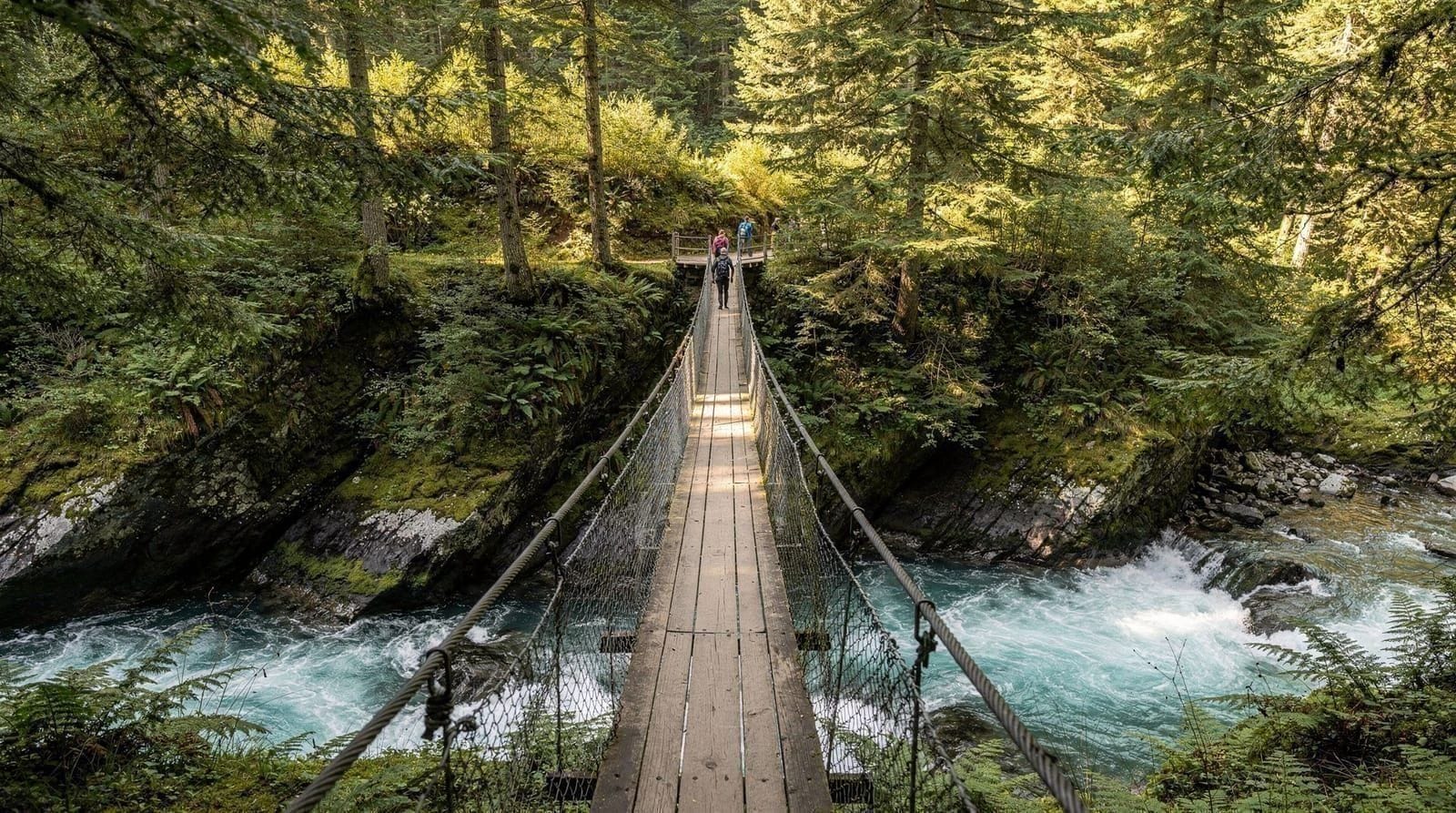
Both Capilano Suspension Bridge and Grouse Mountain are legitimate, well-run attractions, not traps in the deceptive sense — but showing up without a ticket booked in advance means joining whatever line has formed at the entrance, which on a cruise-ship day or a summer weekend can run 30-45 minutes or more before ever reaching the ticket counter.
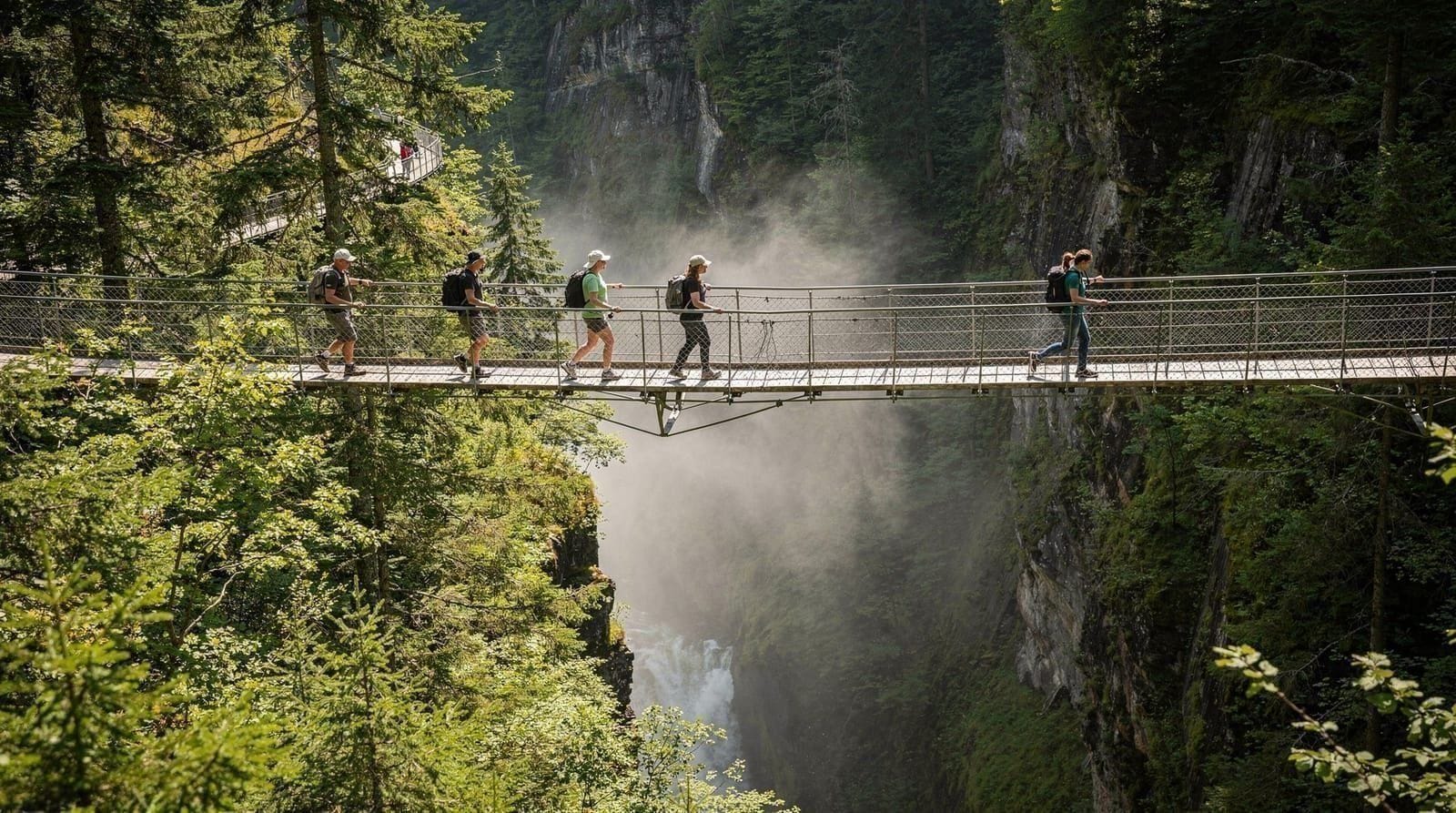
Booking a Capilano Suspension Bridge ticket ahead of time doesn’t change the admission price, but it does mean skipping that line entirely, which is effectively free time saved for a five-minute booking step. Whether Capilano’s price is worth it in the first place is covered honestly in Capilano: is it worth it.
The hop-on hop-off bus, for the wrong trip length
Vancouver’s hop-on hop-off bus isn’t a scam — it delivers exactly what it advertises, a narrated sightseeing loop with unlimited reboarding for 24 or 48 hours. The trap, if there is one, is buying it for the wrong kind of trip: at roughly CAD 55-65 for a day, it’s several times the cost of a TransLink DayPass covering the same ground for visitors comfortable using transit. It earns its price for a single orientation day with zero interest in figuring out bus routes; it’s a poor value stretched across a multi-day stay. The full comparison is in the hop-on hop-off Vancouver guide.
Generic souvenir shops
A closely related pattern shows up in some of the pushcart and sidewalk vendors clustered around the busiest photo spots downtown, where prices for basic items — bottled water, cheap umbrellas on a rainy day, phone chargers — run noticeably higher than a convenience store two blocks away, sometimes double or more. None of this is dishonest exactly; it’s simply pricing set for a captive, hurried audience rather than a comparison-shopping local, and a few minutes of awareness, or carrying a small umbrella and refillable bottle from the start, closes most of the gap without any real inconvenience.
The densest souvenir shops in Gastown and parts of Chinatown lean heavily on mass-produced, generically “Canadian” merchandise — maple leaf keychains, moose mugs — often marked up relative to what’s available elsewhere. Granville Island’s actual artisan stalls sell locally made goods at comparable or sometimes lower prices, with the added benefit that the money spent supports an actual local maker rather than a generic import supply chain.
FlyOver Canada: fine, but not essential
FlyOver Canada, the flight simulator attraction near the aquarium, is well produced and genuinely fun, but the experience itself runs about 30 minutes for the full ticket price, which some visitors find steep on a per-minute basis compared with a half-day attraction like Capilano or Grouse. It’s a solid choice for families with young kids, a rainy-day backup plan, or visitors specifically wanting the novelty — but it’s not an essential Vancouver experience the way Stanley Park or the Seawall are, and skipping it doesn’t mean missing anything core to the city.
Overpriced downtown parking
This isn’t a trap in the traditional sense, but it functions like one for unsuspecting drivers — downtown parking runs CAD 3-6 per hour at commercial lots, and a full day parked downtown can run CAD 30-50 or more. Visitors staying downtown are almost always better off skipping a rental car for city sightseeing entirely and using TransLink, covered in the car rental guide.
Cruise line shore excursions versus booking direct
Passengers on cruise ships stopping at Canada Place are routinely offered shore excursions through the cruise line itself — often the exact same tour, or a near-identical version of it, run by a local operator but sold through the ship at a substantial markup. Booking the equivalent tour directly with the operator, or through a platform like GetYourGuide, frequently costs meaningfully less for the same experience, since the cruise line’s cut is built into the onboard price.
The one tradeoff is timing risk: a cruise-line-booked excursion guarantees the ship waits if the tour runs late, while an independently booked tour puts the responsibility for getting back on time on the passenger. For most half-day city tours with generous buffer built in, that risk is manageable; for a longer trip cutting it close to the ship’s departure, the cruise line’s own excursion still has a real safety margin worth paying for.
Airport and hotel currency exchange
Currency exchange counters at YVR and inside downtown hotels routinely offer meaningfully worse rates than using a debit or credit card directly, or withdrawing Canadian dollars from a bank ATM once in the city. Since most of Vancouver’s tourist infrastructure accepts cards without issue, there’s rarely a need to exchange a large sum of cash at all — a small amount for incidentals is enough, and even that’s often better sourced from a bank ATM than an airport kiosk.
Restaurants selling a view rather than food
A handful of restaurants around the harbour and in spots with a marketed skyline or mountain view charge a premium that reflects the view more than the kitchen. There’s nothing wrong with paying for a view on occasion — it can be a genuinely nice splurge for one meal — but visitors expecting the food quality to match the price at every “view” restaurant in the city are often disappointed. Checking recent reviews specifically for food quality, not just ambiance, before booking a view-driven restaurant avoids overpaying for a meal that turns out to be mediocre with a nice backdrop.
Free walking tours and tip pressure
“Free” walking tours, common in Gastown and downtown, are typically tip-based rather than genuinely free, and some guides apply real social pressure at the end of the tour for a tip well above what the experience would cost as a normal paid tour. These tours can be a fine way to get oriented on a first day, but going in with a clear sense of what you’re comfortable tipping — rather than being caught off guard by the pitch at the end — avoids the slightly uncomfortable dynamic some of these tours are built around.
Inconsistent quality among whale watching operators
Not every whale watching operator delivers the same experience for a similar price — vessel type, group size, guide knowledge, and even sighting success rates vary meaningfully between companies. Booking based purely on the lowest advertised price sometimes means a larger, less personal boat with a guide reciting a script rather than genuinely engaging with what’s being seen. The whale watching Vancouver guide and whale watching Victoria guide go into what separates a strong operator from a mediocre one in more detail.
Timeshare and “free ticket” pitches
Less common than in some destinations, but not unheard of: booths or representatives offering free or heavily discounted attraction tickets in exchange for attending a timeshare or vacation-club presentation. These pitches typically cost far more in time (often several hours of a high-pressure sales presentation) than the discount is worth, and are best declined regardless of how the offer is framed.
What’s actually worth the money in Vancouver
None of this means Vancouver is full of rip-offs — most of the city’s major paid attractions genuinely deliver, and the tourist-trap list above is short relative to how much of the city is straightforwardly good value. Granville Island Market, the Stanley Park Seawall, Grouse Mountain booked in advance, and a properly chosen whale watching tour are all worth what they cost. The broader question of which specific attractions are overrated versus genuinely worth it is covered head-to-head in overrated versus worth it in Vancouver.
Bike and scooter rentals near Stanley Park
The bike rental shops clustered on Denman Street right at the entrance to Stanley Park charge some of the highest hourly rates in the city, capitalizing on their location a two-minute walk from the Seawall. Rental shops a few blocks further into the West End or downtown core often rent nearly identical bikes at a lower rate, and the extra walk to pick one up is a minor inconvenience against the savings, particularly for a rental spanning several hours. It’s worth comparing at least two options rather than defaulting to the first shop encountered right at the park entrance.
Bottled water and snacks at paid attractions
Food and drink sold inside Capilano, Grouse Mountain, FlyOver Canada, and similar paid attractions is priced at a real premium over what the same items cost at any grocery store or convenience shop nearby. This is standard practice at captive-audience attractions worldwide, not specific to Vancouver, but it’s easily avoided by bringing a refillable water bottle and a snack before heading out for the day, particularly on longer outings like a full day at Grouse Mountain that would otherwise mean paying attraction prices for lunch as well.
Rooftop bar cover charges and minimum spends
Several of downtown’s rooftop bars with skyline views impose a cover charge or a minimum spend on busy evenings, sometimes not clearly disclosed until arrival. This isn’t unreasonable in principle — venues managing capacity and revenue on a prime view — but visitors expecting to walk in and order one drink can be caught off guard by a cover fee or a per-person minimum that effectively doubles the cost of a casual visit. Checking a venue’s policy in advance, particularly on weekend evenings, avoids the surprise.
Photo-op “experiences” with paid props
A small number of spots around the most Instagrammed corners of the city — certain murals, viewpoints, and photo backdrops — have started charging for props, staged setups, or “photo experience” add-ons beyond simply taking your own photo in a public space. None of these are required to get a good shot, and in nearly every case the same photo is achievable for free with a bit of patience waiting for a gap in foot traffic rather than paying for a staged version of the same background.
How to avoid tourist-trap pricing generally
A few habits go a long way: book major attraction tickets in advance rather than at the gate, which avoids both the walk-up price premium some operators charge and the line itself. Walk a block or two off the most obviously touristy strip before choosing a restaurant. Use TransLink rather than assuming a rental car or taxi is the only option. And treat any unlicensed, unbooked offer on the street — transportation, tours, or otherwise — with the same skepticism you’d apply at home, since the specific pitch changes by city but the pattern doesn’t.
Hotel breakfast versus a neighbourhood cafe
Many downtown hotels charge CAD 25-35 per person for a breakfast buffet that, quality-wise, rarely exceeds what’s available for a fraction of the price at a neighbourhood cafe a five- or ten-minute walk away. Vancouver has a genuinely strong independent coffee and cafe culture — Gastown, Yaletown, and Commercial Drive all have well-regarded options — and skipping the hotel breakfast in favor of exploring a local spot each morning is both cheaper and a better way to see a bit more of the city before the day’s main activities start.
SIM cards and connectivity at the airport
Kiosks selling tourist SIM cards or portable Wi-Fi devices inside YVR’s arrivals area tend to charge more than ordering an eSIM in advance online, or picking up a prepaid SIM from a phone carrier store in the city once settled. For most visitors, an eSIM purchased and activated before departure is both cheaper and more convenient than dealing with a physical SIM swap at an airport kiosk while jet-lagged and managing luggage.
A quick gut check before paying for anything
If a price feels high, a quick mental check helps: is this cost driven by genuine quality or scarcity (a well-run attraction, a limited-capacity tour), or purely by proximity to a landmark or cruise terminal? The former is usually worth paying for; the latter is almost always worth walking a few blocks, or waiting a day, to avoid.
Comparing Capilano and Grouse Mountain pricing specifically
Both attractions get singled out often enough to deserve a direct note: neither is a trap in the deceptive sense, but both are priced at the premium end of Vancouver’s paid attractions, and both have partial free alternatives worth knowing about. Capilano versus Lynn Canyon breaks down exactly what’s different between the paid suspension bridge and its free North Shore counterpart, while Grouse versus Cypress versus Seymour compares Grouse’s premium gondola-and-wildlife experience against the North Shore’s smaller, cheaper local mountains. Both comparisons help set realistic expectations before paying full price at either attraction.
The bottom line
Vancouver’s real tourist traps are less about outright scams and more about paying tourist-zone prices for things that have a better, often free or cheaper, alternative a short walk or a bit of planning away. Booking ahead, walking a few blocks off the busiest strips, and knowing which attractions are genuinely worth their price — covered in more depth in avoiding crowds and scams to avoid — covers most of what a first-time visitor needs to sidestep the traps entirely.
None of this should discourage a first trip to Gastown, a ride up Grouse Mountain, or a night out at a rooftop bar — it’s simply about walking in with clear expectations, so the money spent goes toward the experience itself rather than a markup for not having compared options first.
Frequently asked questions — Vancouver tourist traps worth skipping (and what to do instead)
Is Capilano Suspension Bridge a tourist trap?
Not exactly, but it's priced like a premium attraction (CAD 65-70) for what's fundamentally a bridge and a boardwalk. It's genuinely well-built and the Treetops and Cliffwalk additions add real value, but budget travelers or repeat visitors are often better served by free Lynn Canyon nearby — the full comparison is in the dedicated guide.Are the restaurants in Gastown overpriced?
The restaurants directly on Water Street, within sight of the steam clock, tend to charge a premium for tourist foot traffic and turn tables quickly rather than optimizing for quality. Walking two or three blocks off the main strip, or into Chinatown just to the east, usually finds better food for less money.Is the hop-on hop-off bus worth it or a tourist trap?
It's not a trap — it delivers what it promises — but it's priced at a real premium over TransLink for what is, functionally, sightseeing transportation. It's worth it for a single orientation day; it's a poor value for a multi-day stay where TransLink alone covers the same ground for a fraction of the cost.What should I watch out for near the cruise ship terminal?
Unlicensed vans and drivers offering "tours" or transportation directly outside the Canada Place terminal, sometimes at inflated cash-only prices with no real booking or accountability. Licensed taxis, official tour operators, and pre-booked transfers are the safer, often cheaper alternative.Is FlyOver Canada worth the money?
It's a well-made simulator ride, but at roughly 30 minutes for the full price, some visitors feel it's a lot of money for a short experience. It's a reasonable choice for families with young kids or on a rainy day, but not an essential Vancouver experience the way Stanley Park or Granville Island are.Do souvenir shops in Gastown and Chinatown rip off tourists?
Some of the souvenir stock sold in the densest tourist strips is generic, mass-produced, and marked up compared with what's available at Granville Island's actual artisan stalls or smaller neighbourhood shops, where prices are often comparable and the goods are more likely to be locally made.Is downtown parking a tourist trap?
Not deceptively so, but it functions like one for unsuspecting drivers — commercial lots run CAD 3-6 per hour, and a full day parked downtown can run CAD 30-50 or more. Visitors staying downtown are almost always better off skipping a rental car for city sightseeing and using TransLink instead.
Top experiences
Bookable activities with verified prices and instant confirmation on GetYourGuide.