How to avoid crowds in Vancouver
Vancouver: Capilano Suspension Bridge Park Ticket
- Free cancellation
How do I avoid crowds in Vancouver?
Visit paid attractions like Capilano and Grouse Mountain at opening time, before tour buses and cruise groups arrive mid-morning. Check the Canada Place cruise ship schedule and avoid those attractions on multi-ship days. Visit Granville Island and Stanley Park's beaches on weekday mornings rather than summer weekends, and shift outdoor sightseeing to shoulder-season months (May, September) for meaningfully thinner crowds.
Vancouver’s crowds are predictable enough that avoiding the worst of them is mostly a matter of timing rather than luck — knowing which hours, days, and months concentrate visitors at each major attraction makes the difference between a relaxed visit and elbowing through a tour group for a photo. None of the strategies below require paying more or seeing less; they’re almost entirely about shifting when, rather than whether, to do a given activity.
| Biggest crowd driver | Cruise ship days (May-Sept) + summer school-holiday travel |
| Best arrival time | At or just before opening (8-9am) |
| Quietest days | Tuesday-Thursday |
| Quietest months | May, September (shoulder season); Nov-Feb quietest overall |
| Free crowd check | Port of Vancouver / Canada Place cruise schedule |
Why Vancouver gets crowded when it does
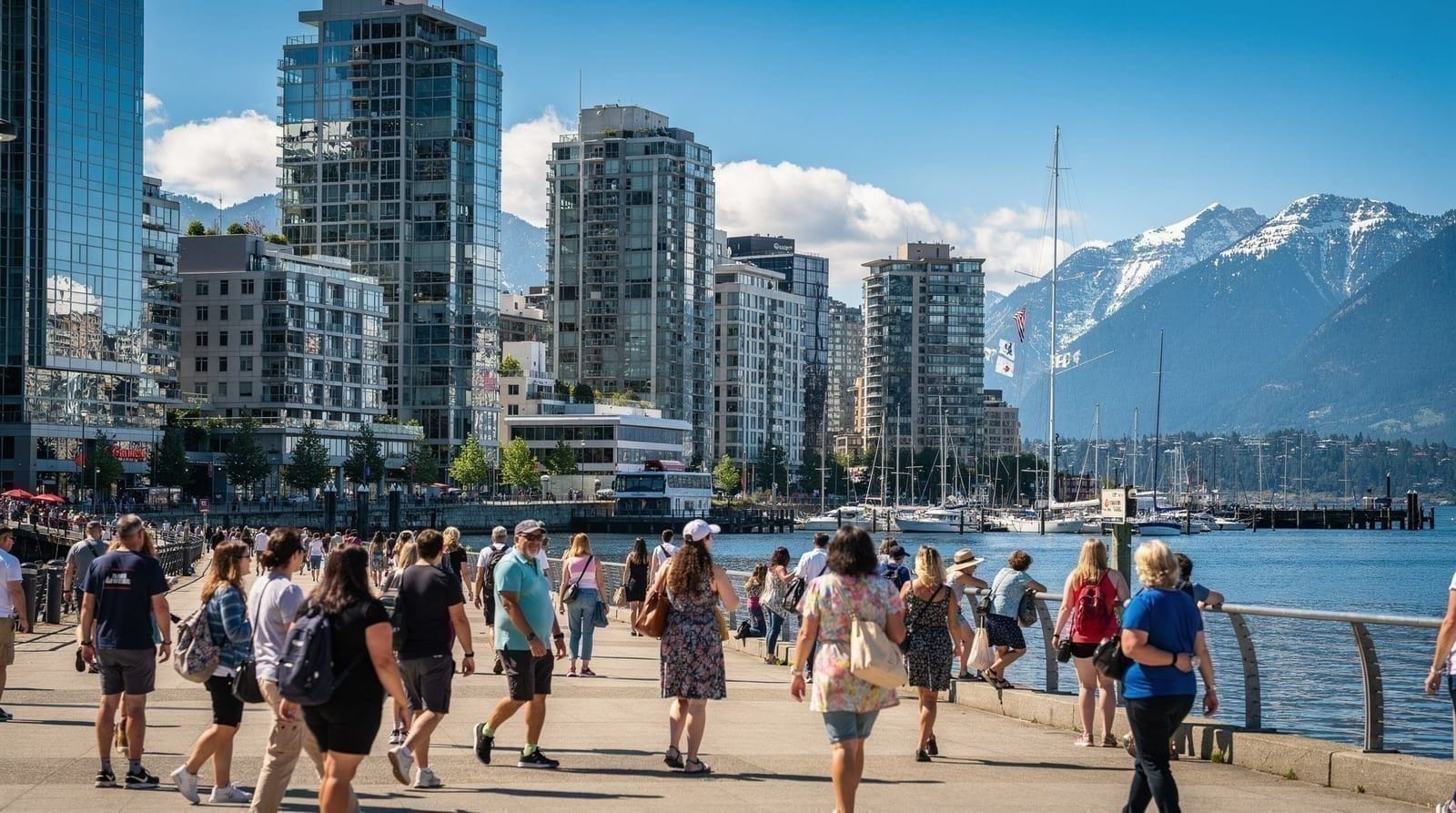
Unlike destinations where crowding feels essentially random, Vancouver’s patterns are structural and repeat year after year, which makes them genuinely predictable rather than something visitors just have to accept as luck of the draw. Three separate forces drive Vancouver’s crowd patterns: cruise ship season (roughly May through September, tied to Alaska sailings), general summer tourism (June through August, peak school-holiday travel), and weekend local traffic at parks and markets, which spikes regardless of season whenever the weather cooperates. Understanding which of these three is driving crowding at a specific attraction on a specific day helps predict — and avoid — the worst of it.
Capilano and Grouse Mountain: arrive at opening
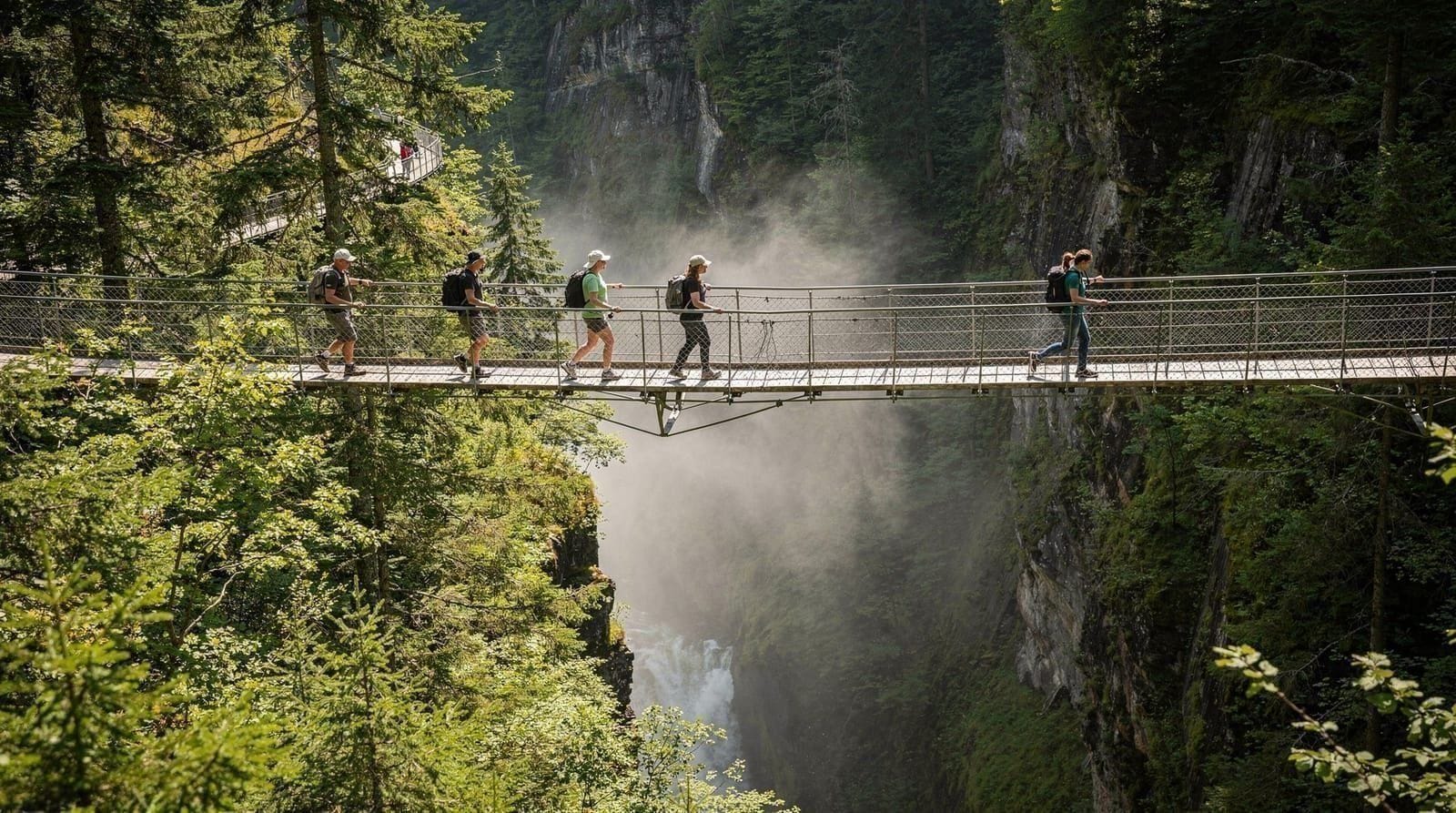
Both Capilano Suspension Bridge and Grouse Mountain follow a predictable daily crowd curve: quiet at opening (generally 8-9am depending on season), building steadily through late morning as tour buses and cruise groups arrive, peaking roughly between 11am and 3pm, then thinning again in late afternoon.
Visitors who arrive right at opening consistently report a meaningfully better experience — shorter or nonexistent lines, quieter walkways, easier photos — than those arriving at the midday peak. A Capilano Suspension Bridge ticket booked for the first available time slot locks in that early advantage rather than leaving it to chance.
Tracking cruise ship days
Vancouver’s cruise season, concentrated May through September, brings multiple ships into Canada Place on the busiest days, each disembarking thousands of passengers who head straight to the same handful of attractions — Capilano, Grouse Mountain, Stanley Park, Gastown. The Port of Vancouver and Canada Place both publish cruise arrival schedules online, and checking a specific date before planning a visit to any of these cruise-popular spots is a genuinely useful, underused habit. A day with two or three large ships in port produces noticeably heavier crowds at these specific attractions than a day with no ships at all, even if the season and weather are otherwise identical.
Stanley Park: the Seawall spreads people out, the beaches don’t
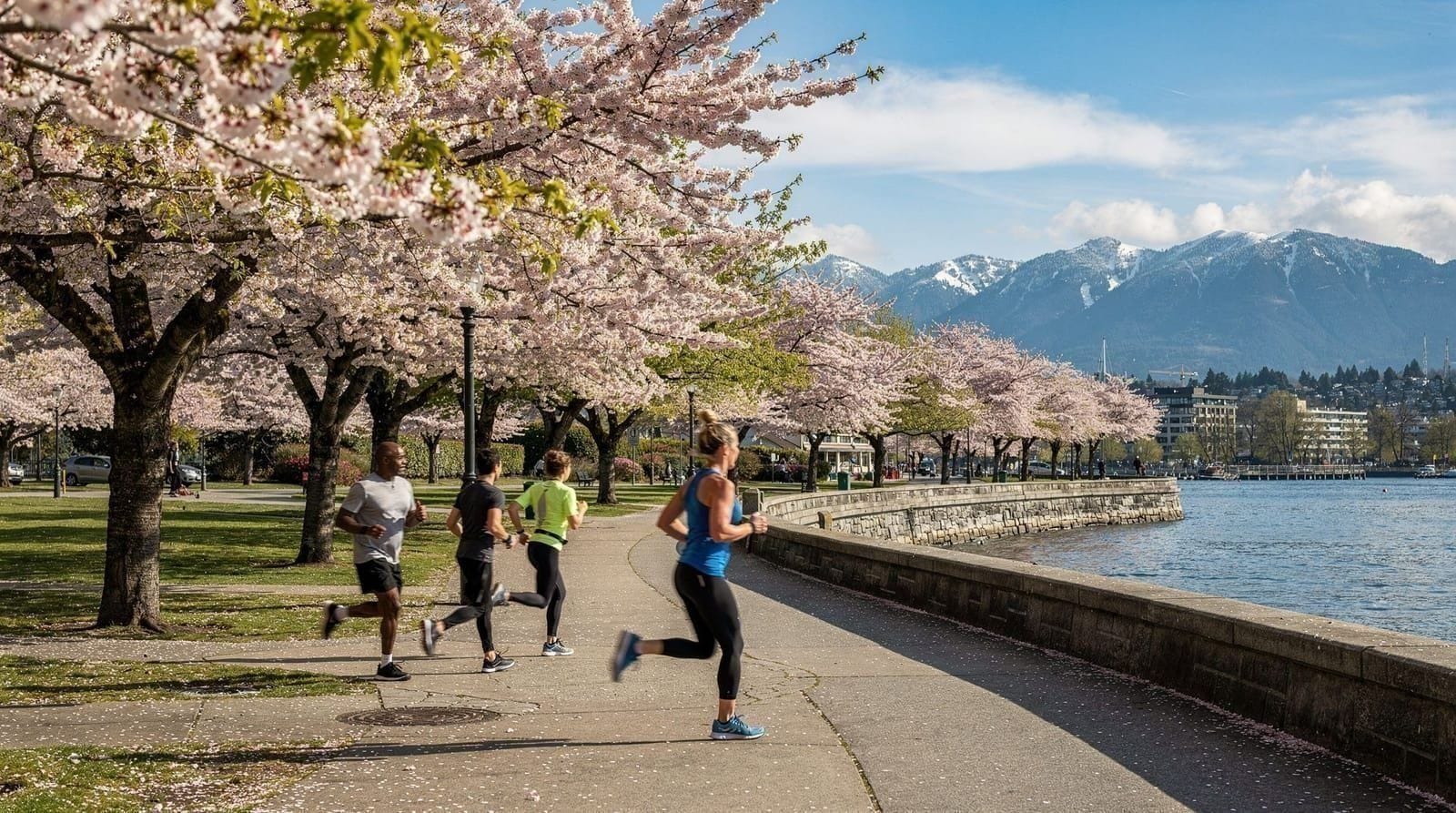
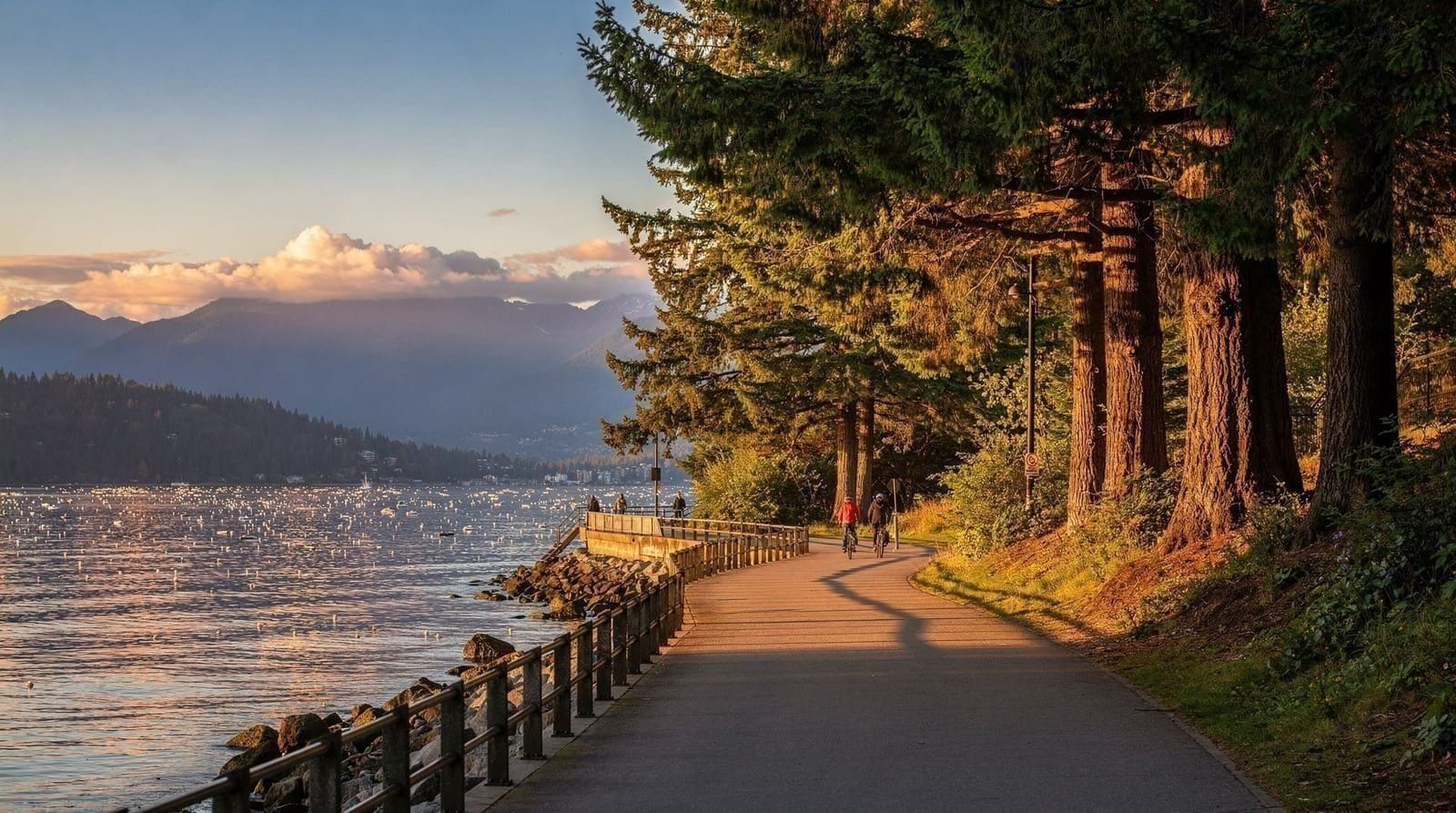
Stanley Park’s 9-kilometre Seawall loop is large enough that even on a busy summer day, foot and bike traffic disperses along its length rather than concentrating in one spot — it rarely feels genuinely overcrowded. The park’s beaches (particularly near English Bay) are a different story, filling up fast on hot summer weekends. For beach time specifically, weekday visits or early arrival (before late morning) make a real difference; for the Seawall itself, crowding is rarely severe enough to avoid entirely, though early morning still offers the quietest, most photogenic light.
Granville Island Market: weekday mornings win
Granville Island’s public market gets genuinely packed on summer weekends, particularly midday when both tourists and locals doing weekend grocery shopping overlap. A weekday morning visit, ideally before 11am, offers a noticeably calmer experience with the same vendors, food, and atmosphere, minus the crowd navigation. Saturday remains the single busiest day given the market’s role as a weekend fixture for locals as well as visitors.
Gastown and the steam clock: time the classic photo
The steam clock at Water and Cambie draws a rotating crowd every 15 minutes for its steam whistle, and midday tour groups compound the crush around peak hours. Visiting Gastown in the early morning, before most shops open and tour groups arrive, offers a quieter version of the same neighbourhood walk — worth doing anyway, since Gastown’s architecture and atmosphere are arguably better appreciated without a crowd blocking every sightline.
Whistler and the Sea-to-Sky corridor: weekday and shoulder season
Weekend traffic on Highway 99 toward Whistler is heaviest on Friday afternoons and Sunday evenings, both for the drive itself and for crowding at popular stops like Shannon Falls and the Sea to Sky Gondola. Visiting midweek, or during shoulder-season months when ski season hasn’t started or summer peak hasn’t hit, meaningfully thins both the road traffic and the crowds at each stop along the way.
Seasonal timing: May and September as the sweet spot
Beyond daily and weekly timing, the calendar itself matters. June through August is Vancouver’s peak season — best weather, but also peak crowds and peak prices across nearly every attraction and accommodation category. May and September offer a strong middle ground: generally good weather, noticeably thinner crowds, and better pricing on tours and hotels. Winter (November through February) is quietest of all, but trades crowd-free sightseeing for rain, shorter days, and some seasonal closures — a reasonable trade for budget-focused travelers less interested in packed outdoor days.
Whale watching: early departures see less boat traffic
Whale watching tours run multiple departures daily during peak season, and the earliest morning departure typically encounters fewer other tour boats converging on the same sighting, both for a calmer on-water experience and, some operators report, slightly better wildlife behavior around fewer vessels. Booking the first departure of the day is a reasonable strategy for anyone prioritizing a less crowded, more personal encounter over the flexibility of a later start.
Booking timed-entry tickets versus walk-up
Several of Vancouver’s paid attractions, including Capilano and Grouse Mountain, sell timed-entry or dated tickets online. Booking one of the first available time slots of the day locks in the early-arrival advantage described above and removes the uncertainty of a walk-up visit, where the actual entry time depends entirely on how long the line happens to be that morning. For attractions without formal timed entry, simply being at the gate at or shortly before the posted opening time achieves the same result without needing a specific pre-booked slot.
Museums and indoor attractions: rainy afternoons redirect crowds
On rainy days — common outside summer — indoor attractions like the Museum of Anthropology, Science World, and the Vancouver Aquarium see crowd spikes as outdoor plans get redirected indoors. Visitors with flexible schedules can use this pattern in reverse: save indoor attractions for a forecasted rainy day when outdoor sightseeing isn’t appealing anyway, and prioritize outdoor attractions on clear days when everyone else is also more likely to be outside, spreading crowds across more of the city rather than concentrating everyone in the same handful of indoor spaces.
Long weekends and Canadian holidays
Canadian long weekends — Victoria Day (late May), Canada Day (July 1), BC Day (early August), and Labour Day (early September) — bring a noticeable spike in domestic travel and local day-trippers to Vancouver’s parks, beaches, and North Shore attractions, on top of whatever international tourism is already present that time of year. Visitors whose travel dates happen to overlap one of these weekends should expect meaningfully heavier local crowds at outdoor spots specifically, even if international tourist volume itself isn’t at its seasonal peak, and should apply the same early-arrival and weekday-alternative strategies described throughout this guide with extra emphasis during those specific weekends.
A free, quieter alternative when the headline attraction is packed
For several of Vancouver’s most crowded paid attractions, a free or less-trafficked alternative exists nearby. Lynn Canyon offers a quieter, free alternative to Capilano’s suspension bridge experience, particularly on weekday mornings. VanDusen Botanical Garden rarely reaches Stanley Park’s crowd levels even in peak season. And Commercial Drive offers a genuinely local, uncrowded alternative to Gastown’s busiest tourist blocks. Building one or two of these alternatives into an itinerary, rather than defaulting exclusively to the most famous version of each experience, spreads out the trip and often delivers a better experience in the process.
BC Ferries and Victoria day trips
Anyone planning a self-guided Victoria day trip should know that summer weekend sailings on the Tsawwassen-Swartz Bay route regularly see the heaviest vehicle demand of the week, sometimes filling reserved sailings and pushing walk-up vehicles to a later crossing. Booking a reservation well ahead for a weekend sailing, or simply choosing a weekday for the crossing where the itinerary allows, avoids both the risk of a delayed departure and the more crowded on-board experience of a fully booked sailing. The full logistics are covered in the BC Ferries guide.
Restaurant timing to avoid queues
Vancouver’s most talked-about restaurants — particularly in Gastown, Yaletown, and parts of Granville Island — regularly run 30-60 minute waits without a reservation on Friday and Saturday evenings during peak season. Booking ahead through a reservation platform, or eating slightly earlier (before 6:30pm) or later (after 8:30pm) than the core dinner rush, meaningfully reduces or eliminates the wait at popular spots. Weekday dinners are consistently easier to walk into without a reservation than weekend ones, a pattern that holds across nearly every well-reviewed restaurant in the city.
Festival and event days worth checking in advance
Beyond the general cruise and summer-season crowding, specific event days bring temporary, sometimes dramatic crowd spikes to particular parts of the city: the Celebration of Light fireworks over English Bay draws enormous crowds to the West End and Stanley Park’s eastern edge on its three event nights (typically late July/early August), the Pride Parade fills the downtown parade route in early August, and the PNE fair brings crowds to East Vancouver’s Hastings Park in late summer.
None of these are reasons to avoid the city during those windows — they’re genuinely fun events — but visitors not specifically planning to attend should expect heavier-than-usual crowding and modified transit routing in the affected areas on those specific dates, and can plan sightseeing elsewhere in the city that day if crowds aren’t the goal.
How Vancouver locals time their own visits
Locals who regularly visit Stanley Park, Granville Island, or the North Shore attractions tend to follow the same patterns outlined above almost instinctively: early weekday mornings for anything popular, a checked cruise schedule before heading to the North Shore, and a default assumption that any outdoor spot worth visiting on a sunny summer Saturday will be busy regardless of which one is chosen. Visitors adopting the same instincts — treating a sunny summer weekend as the worst possible time for any popular outdoor spot, rather than the best — end up with noticeably better experiences across the board.
A quick per-attraction cheat sheet
Capilano and Grouse Mountain: arrive at opening, avoid multi-ship cruise days. Granville Island Market: weekday mornings before 11am. Stanley Park beaches: weekday or early morning in summer; the Seawall itself rarely needs crowd-avoidance planning. Gastown: early morning for photos, otherwise crowds are manageable most of the day. Whale watching: book the first departure of the day. Victoria day trip: weekday ferry crossings, avoid summer weekend sailings without a reservation. Restaurants: book ahead for Friday/Saturday dinner, or eat outside the 6:30-8:30pm core window.
Practical daily planning strategy
A workable rule of thumb: front-load the most popular, most crowd-sensitive attraction of each day as the first stop, arriving at or near opening. Save more flexible, less time-sensitive activities (a market wander, a neighbourhood walk, a meal) for midday and afternoon when crowds are at their worst elsewhere. And check the cruise schedule the night before finalizing which attraction to prioritize the next morning, shifting to a quieter Plan B if a heavy cruise day happens to land on a day you’d otherwise have chosen for Capilano or Grouse Mountain.
Photography: getting the empty-street shot
Vancouver’s most photographed spots — the steam clock, Gastown’s Victorian streets, Canada Place’s sail-shaped roofline, the Seawall’s viewpoints — all photograph noticeably better without a crowd of other tourists in frame, and the window for that is consistently early morning, roughly sunrise to 8am, before most visitors and tour groups are out. This is also, conveniently, often the best light of the day for photography generally, meaning the crowd-avoidance strategy and the photography strategy point toward the same early start rather than requiring a tradeoff between them.
Downtown traffic and parking crowding
For visitors with a rental car, downtown Vancouver’s traffic and parking availability both follow a predictable weekday rush-hour pattern (roughly 7:30-9:30am and 3:30-6:30pm), worse on the bridges connecting downtown to the North Shore. Weekend traffic is generally lighter for driving, though parking availability at popular weekend destinations like Granville Island or Kitsilano Beach tightens considerably on sunny Saturdays and Sundays. Arriving early, before roughly 10am, secures both easier driving conditions and better parking availability at nearly any weekend destination in the city.
Airport arrival timing and crowd overlap
YVR sees predictable surges around early afternoon, when multiple long-haul international flights tend to land within a short window of each other, creating longer immigration and customs queues than at quieter times of day. This isn’t something most visitors can control given fixed flight schedules, but it’s worth knowing when planning a same-day onward connection or activity immediately after landing — building in extra buffer time on an early-afternoon arrival avoids a cascading delay into the rest of the day’s plans. The YVR to downtown guide covers this in more detail.
Family-specific crowd-avoidance timing
Families traveling with young kids already tend toward earlier starts and earlier bedtimes than solo travelers or couples, which works naturally in favor of the crowd-avoidance strategies above — an early breakfast followed by an opening-time arrival at Capilano or Grouse Mountain fits a typical family schedule better than it fits a couple wanting to sleep in. Families can lean into this natural rhythm deliberately: treating the early morning slot as prime family sightseeing time, then using the more crowded midday hours for lower-key activities like a relaxed lunch or downtime back at the hotel, rather than fighting crowds with tired kids during the day’s busiest hours.
One caveat: some crowding is worth it
Not every crowd is worth avoiding — a packed Celebration of Light fireworks crowd, or a busy Granville Island on a gorgeous Saturday, reflects genuine local enthusiasm that’s part of the experience itself. The strategies here are about avoiding crowding that adds friction without adding anything to the experience, not about engineering a solo trip through a genuinely social city.
Reading a cruise schedule correctly
Checking the cruise schedule is useful advice, but only if you know what to look for. A single mid-size ship in port isn’t usually enough to noticeably change the crowd at Capilano or Grouse Mountain — it’s the days with two or three ships simultaneously, disembarking several thousand passengers within the same couple of hours, that produce the visible spike.
The Port of Vancouver’s public schedule lists ship names and passenger capacities, so a quick scan for multiple entries on the same date, rather than just the presence of any ship at all, is the more useful read. Late-season Alaska sailings in September sometimes cluster several ships on the same days as cruise lines wind down the year, so it’s worth checking specifically rather than assuming shoulder-season months are automatically free of cruise crowding.
A same-day pivot when your Plan A is packed
Sometimes the crowd check happens too late — you’re already at Capilano’s parking lot and it’s clearly a multi-ship day. Rather than waiting it out, most of Vancouver’s crowded attractions have a genuine same-day alternative close by. Capilano’s overflow can pivot to Lynn Canyon, a 15-20 minute drive away and free. A jammed Granville Island can be swapped for a quieter Commercial Drive lunch instead.
A Gastown sidewalk clogged with a tour group is usually navigable again within 15-20 minutes once that specific group moves on — worth a coffee-shop pause rather than fighting through it. Building this kind of flexibility into a day, rather than treating the original plan as fixed, turns an unexpectedly crowded morning into a minor detour instead of a wasted stop.
Booking ahead as its own crowd-avoidance tool
A Capilano Suspension Bridge ticket booked for the first time slot of the day does double duty: it locks in the early-arrival advantage described above, and it removes the walk-up ticket line entirely, which on a multi-ship cruise day can itself run 20-30 minutes before you even reach the bridge. The same logic applies to any timed-entry Vancouver attraction — booking ahead isn’t just about guaranteeing entry, it’s a genuine crowd-avoidance tactic in its own right, since it skips a queue that exists independently of how busy the attraction itself feels once inside.
The bottom line
Vancouver’s crowd patterns are predictable enough to plan around rather than simply endure. Arriving early at paid attractions, checking cruise ship schedules, favoring weekday mornings for markets and neighbourhoods, and shifting toward shoulder-season months where the itinerary allows all meaningfully improve the experience without requiring any sacrifice in what actually gets seen.
The Vancouver tourist traps guide and the honest overrated versus worth it breakdown both pair well with this timing strategy for a trip that avoids both overpaying and overcrowding. Even a modest adjustment — moving a single Capilano or Granville Island visit from a Saturday midday slot to a Tuesday morning — often makes a bigger difference to how a trip actually feels than any amount of extra advance research into which attraction to choose in the first place.
Frequently asked questions — How to avoid crowds in Vancouver
What time should I visit Capilano or Grouse Mountain to avoid crowds?
Arrive at opening time, generally 8-9am depending on season. Crowds build steadily through late morning and peak between roughly 11am and 3pm, especially on days when cruise ships are in port at Canada Place.How do I know when cruise ships are in Vancouver?
The Port of Vancouver and Canada Place both publish cruise ship arrival schedules online, and checking a given date before visiting cruise-popular attractions (Capilano, Grouse Mountain, Gastown, Stanley Park's main entrance) helps predict unusually heavy crowd days.What's the least crowded time of year to visit Vancouver?
May and September (shoulder season) offer a strong balance of decent weather and noticeably thinner crowds compared with the June-August peak. Winter (November-February) is quietest of all but trades crowd-free sightseeing for rain and shorter days.Are Vancouver's beaches crowded in summer?
Yes, particularly English Bay and Kitsilano Beach on hot summer weekends, when finding open beach space can be genuinely difficult. Weekday visits, or arriving before late morning, meaningfully improve the experience.Is there a quieter alternative to Capilano Suspension Bridge?
Yes — Lynn Canyon Park offers a free, generally less crowded rainforest and suspension bridge experience, particularly on weekday mornings, as an alternative or complement to the more heavily trafficked Capilano.Is Grouse Mountain or Capilano less crowded overall?
Grouse Mountain generally handles crowds better since its summit terrain and trails spread visitors out more than Capilano's single linear bridge-and-boardwalk route, but both follow the same opening-time advantage. If avoiding lines matters more than the specific attraction, Grouse's Skyride queue is usually the shorter of the two on a comparable cruise-ship day.Do weekday visits really make a noticeable difference?
Yes, consistently — most of Vancouver's paid attractions and markets see meaningfully thinner crowds Tuesday through Thursday than on Friday through Sunday, independent of season. Combining a weekday visit with an opening-time arrival stacks both advantages and produces the quietest realistic experience short of visiting in the depths of winter.
Top experiences
Bookable activities with verified prices and instant confirmation on GetYourGuide.