Kelowna
Kelowna is the hub of BC's Okanagan wine country, on Okanagan Lake a 4.5-hour drive or 1-hour flight from Vancouver, with 40-plus wineries.
Kelowna: West Kelowna Half Day Guided Wine Tour
Duration: 4 hours
Quick facts
- Distance from Vancouver
- About 4.5 hr by car, or roughly 1 hr by direct flight
- Getting there
- Direct flight to YLW, or self-drive via Highway 1/Coquihalla
- Best time to visit
- June–September for lake and wine season, September for harvest
- Wineries
- 40+ wineries in the West Kelowna/Kelowna area
- Time needed
- 2–4 days recommended
Kelowna sits on the shore of Okanagan Lake in the interior of British Columbia, roughly 4.5 hours by car from Vancouver or a one-hour direct flight — a meaningfully different trip logistically from the North Shore or Sea-to-Sky day trips, and a meaningfully different climate once you arrive. The Okanagan Valley has a semi-arid, near-desert climate with hot, dry summers, a sharp contrast to coastal Vancouver’s rain and cloud, and that climate is exactly what’s made the region British Columbia’s dominant wine-producing area.
| Distance | 4.5 hr by car, or around 1 hr by direct flight |
| Wineries | 40+ in the Kelowna/West Kelowna area |
| Best time | June-September for lake and wine, September for harvest |
| Time needed | 2-4 days recommended |
| Car needed | Yes, for wineries beyond downtown |
It’s also grown into the province’s fastest-expanding mid-sized city over the past two decades, driven partly by the same lifestyle appeal that draws visitors in the first place — sunshine, lake access, and a wine culture that continues to raise the region’s national profile, drawing both permanent residents and repeat visitors in growing numbers each year, a trend clearly reflected in the steady pace of new hotel and restaurant openings across downtown Kelowna over the past several years alone.
For visitors weighing whether the trip is worth it against closer options, it’s worth being direct about the trade-off up front: Kelowna doesn’t compete with Vancouver’s mountains or coastline, and it isn’t trying to. Its appeal is climate and wine — genuinely warm, dry summer weather that coastal BC simply doesn’t offer, paired with a wine region that holds its own against much better-known international destinations.
Visitors purely after mountain scenery or ocean access are better served by Whistler or Tofino; visitors wanting sun, lake time, and wine are better served here, and there’s genuinely no substitute for the Okanagan if that’s the specific combination you’re after within reach of Vancouver, since no other BC region pairs warm, dry summers with a serious wine industry the way this valley does.
Wine country
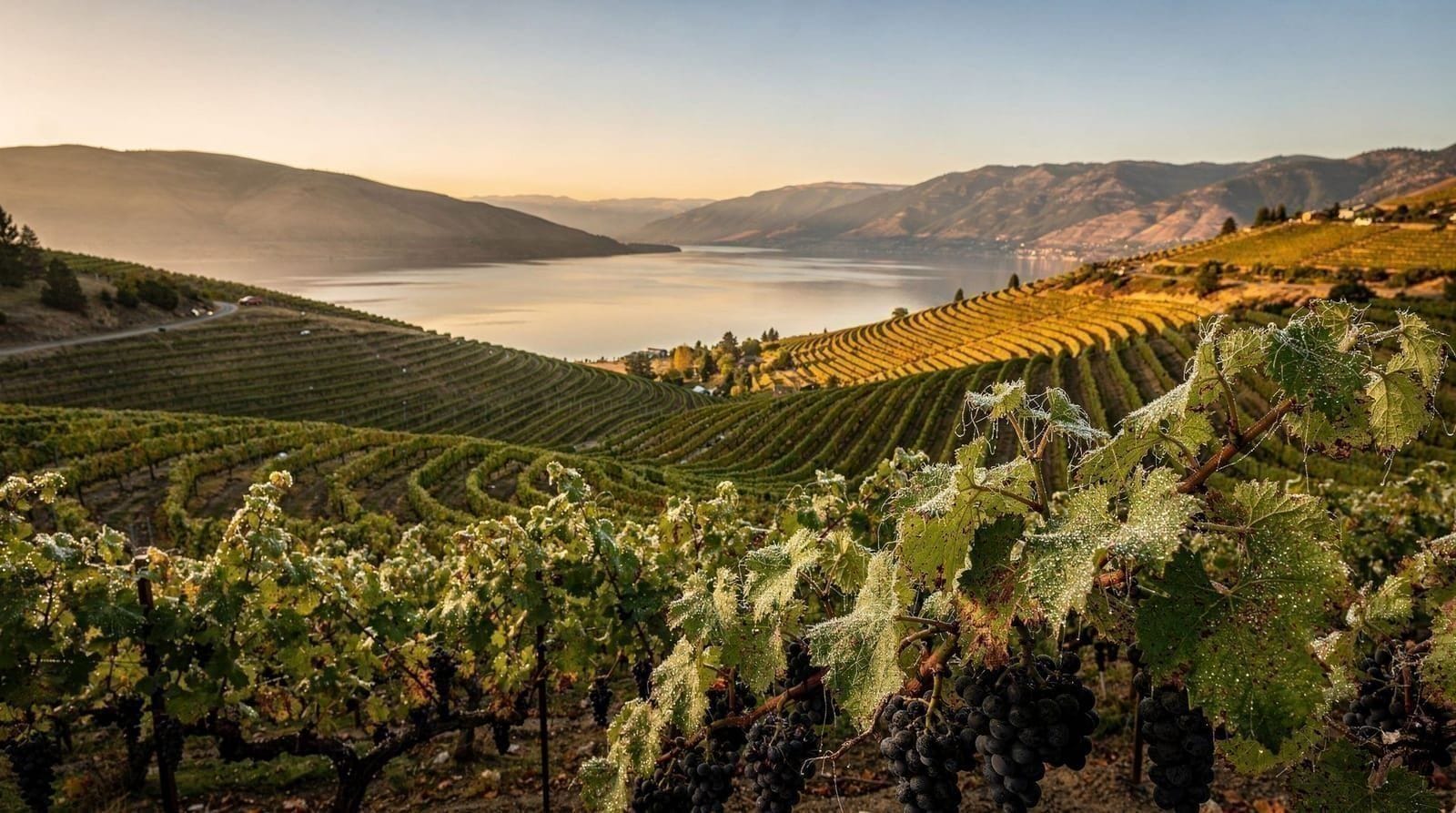
More than 40 wineries operate in the immediate Kelowna and West Kelowna area, ranging from small family operations to large estate producers with full restaurants and tasting rooms overlooking the lake. A half-day West Kelowna wine tour covers three to four wineries with a driver, a sensible option given how easy it is to lose track of tasting portions across multiple stops. For a fuller day covering more ground across the valley, a full-day Okanagan Valley wine tasting tour extends the same concept with more stops and more time between them.
Visitors who’d rather set their own pace, or who are traveling as a small private group, can book private or public West Kelowna wine tours depending on group size and budget. For something beyond straight tasting, an Okanagan bee tour with wine tasting and lunch adds an apiary visit and a sit-down meal to the wine-tour format, a good choice for a slower, single-stop day rather than a multi-winery crawl.
Okanagan Lake
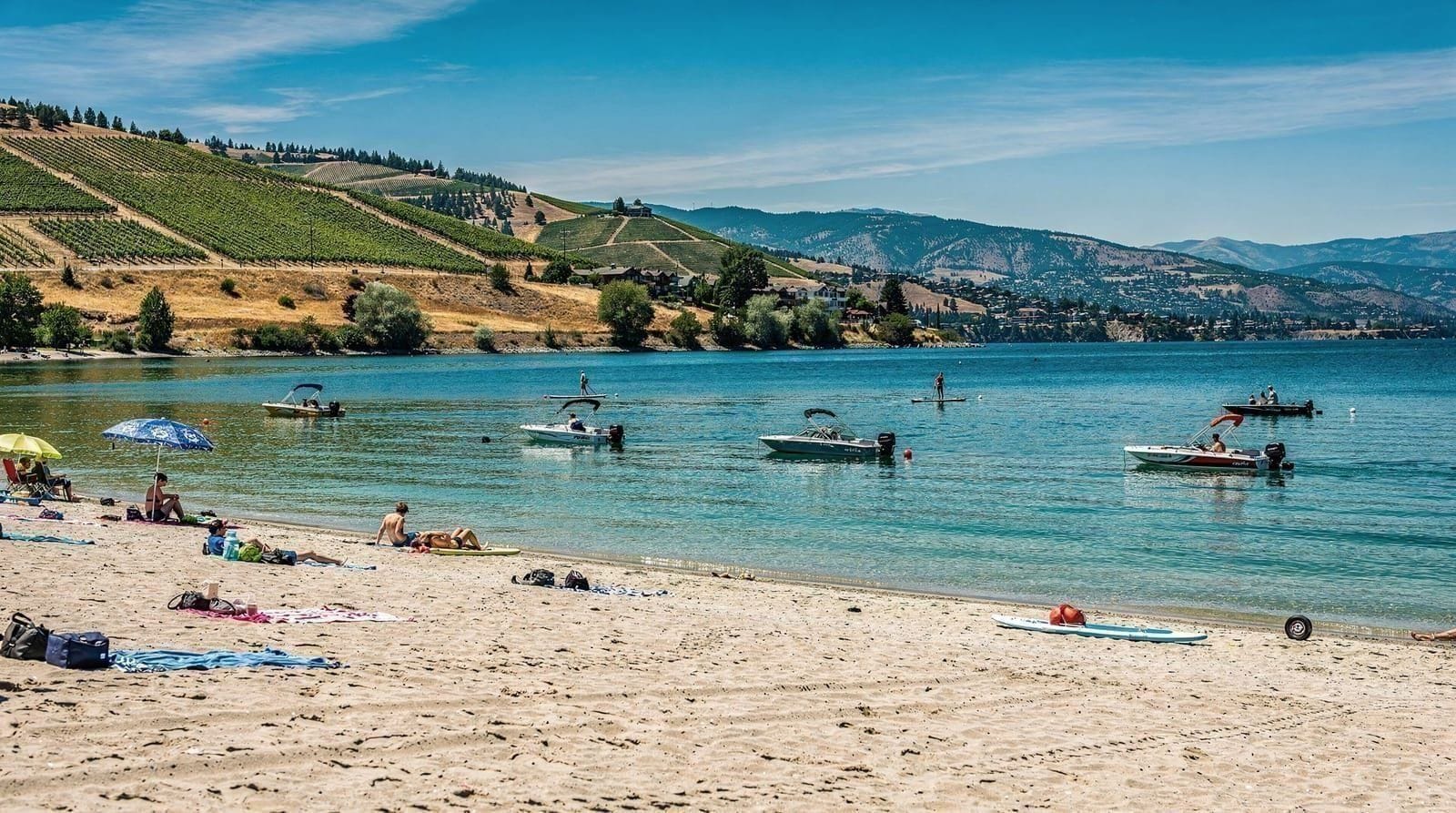
Kelowna’s other defining feature is the lake itself — over 100 kilometres long, warm enough for genuinely comfortable summer swimming (unusual for a BC lake, most of which run cold year-round), and lined with public beaches, including the popular City Park Beach right downtown, which fills with locals and visitors alike on hot summer afternoons. Boat and jet-ski rentals are widely available along the waterfront in summer, and a lakeside boardwalk connects several of the city’s parks and beaches for an easy walk or bike ride.
The lake also has its own local legend, Ogopogo, a supposed lake monster along the lines of Scotland’s Loch Ness monster — mostly a tourist-friendly bit of local color today, referenced on signage and in a downtown statue rather than taken seriously, though the legend predates European settlement and has genuine roots in Syilx oral tradition about the lake, long before it became a tourist-friendly mascot for the region, referenced today in everything from local sports team names to the souvenir shop merchandise scattered throughout downtown Kelowna’s many gift shops and roadside tourist stands.
Downtown Kelowna and the cultural district
Kelowna’s downtown core, a short walk from the main lakefront beaches, has developed a genuine restaurant and craft brewery scene over the past decade, alongside a small but active arts and cultural district. It’s a manageable, walkable downtown rather than a sprawling one, easy to cover on foot between a morning at the beach and an evening winery visit. See the craft beer and breweries guide for a coastal comparison, and the where to stay in Vancouver guide if you’re weighing how many nights to split between the city and the Okanagan on a single BC trip.
Kelowna vs. Penticton as a base
Kelowna is the valley’s largest city and its default base for most first-time visitors, but it’s not the only option. Penticton, about an hour south, offers closer access to the boutique wineries of the Naramata Bench and a quieter, smaller-town pace, at the cost of a less convenient airport connection. For a broader picture of the valley’s sub-regions and how to choose between them, see Okanagan wine country.
Getting there
The fastest option from Vancouver is a direct flight to Kelowna International Airport (YLW), roughly one hour in the air, with multiple daily departures from Vancouver International Airport — a straightforward choice if time matters more than the cost difference. Driving covers roughly 400 kilometres, typically 4.5 to 5 hours via the Coquihalla Highway, a genuinely scenic but mountainous route that requires winter tires and caution in snow season (roughly November through April), when the Coquihalla summit sees regular snowfall even while Vancouver stays wet rather than white.
Once in Kelowna, a rental car is close to essential — the city’s downtown is walkable, but the wineries that draw most visitors are spread across West Kelowna and the surrounding hillsides, well beyond comfortable walking distance from any central hotel. Visitors who fly in and don’t want to drive themselves generally lean on guided wine tours for winery access specifically, while relying on rideshare or the city’s limited local bus network for downtown and beach errands.
When to visit
Summer (June through September) is peak season for both the lake and the wineries — warm, dry, and reliably sunny, with July and August the hottest months (temperatures regularly exceed 30°C, unusually warm by BC coastal standards). September brings harvest season at many wineries, with grape-picking and crush activities visible at some estates and a noticeably golden character to the surrounding vineyard hillsides. Winter turns the wider region toward ski tourism at nearby resorts, though Kelowna itself quiets down considerably once lake season ends.
Practical tips
Given the distance from Vancouver, Kelowna works best as a multi-day trip rather than a single-day one — most visitors budget at least two nights, ideally three or four, to justify the flight or drive with meaningful time on the ground for both wine touring and lake time. Book winery tours in advance during peak summer weekends, since the most popular estates fill tasting slots ahead of walk-up availability. For a broader look at the wine region beyond Kelowna itself, see Okanagan wine country, and for a smaller, quieter Okanagan town about an hour south, see Penticton.
Choosing a wine tour: how the options actually differ
| Tour type | Stops | Best for |
|---|---|---|
| Half-day West Kelowna tour | 3-4 wineries | First-timers, a taste without an all-day commitment |
| Full-day Okanagan Valley tour | 5+ across a wider area | Serious wine interest, want to see multiple sub-regions |
| Private/public group tour | Flexible | Small groups, couples wanting to set their own pace |
| Bee tour with wine and lunch | 1-2 wineries + apiary | A slower, single-stop day rather than a crawl |
Kelowna with kids or non-drinkers
Kelowna isn’t only a wine destination — Okanagan Lake’s beaches, boat rentals, and a handful of family-oriented attractions around the waterfront give non-drinking visitors and families plenty to do without a single winery stop. City Park Beach downtown is the easiest option for an afternoon with kids, and several tour operators run non-alcoholic add-ons like the bee tour’s apiary visit for travelers who want the scenery and food without the tasting. Worth knowing if part of your group isn’t interested in wine: a Kelowna trip still holds up on the lake alone.
Frequently asked questions about Kelowna
How far is Kelowna from Vancouver?
About 400 km by road, roughly 4.5 to 5 hours driving via the Coquihalla Highway, or about an hour by direct flight from Vancouver International Airport, with multiple daily departures available for most of the year.
Is Kelowna worth visiting from Vancouver?
Yes, particularly for wine tasting and warm-weather lake activities that coastal Vancouver simply can’t offer given its climate. It’s better suited to a multi-day trip than a day trip given the distance.
When is wine season in the Okanagan?
Wineries operate year-round for tastings, but the most active season runs June through September, with harvest activities visible at many estates in September.
Do you need a car in Kelowna?
Downtown Kelowna is walkable, but reaching wineries in West Kelowna and further afield generally requires a car, a rental, or a guided wine tour with transport included. Rideshare services also operate in the city for shorter downtown-to-hotel trips.
Is Okanagan Lake warm enough to swim in?
Yes — it’s one of the warmer lakes in British Columbia, comfortably swimmable through summer, unlike most coastal BC lakes and ocean waters, which stay cold year-round. Water temperatures typically peak in late July and August.
Is Kelowna a good trip for non-wine-drinkers?
Yes — Okanagan Lake’s beaches and boating, plus family-friendly stops like the bee tour’s apiary visit, give non-drinkers and families plenty to do without a winery stop.
Should I choose Kelowna or Penticton as a base?
Kelowna is larger with more hotels, restaurants, and the region’s main airport; Penticton, about an hour south, is quieter and closer to the Naramata Bench’s boutique wineries. First-time visitors typically do better based in Kelowna.
Top experiences
Bookable activities with verified prices and instant confirmation on GetYourGuide.