Granville Island Public Market
Vancouver: Granville Island Market Tour with Tastings
Duration: 2 hours
What is Granville Island Public Market and is it free to enter?
Granville Island Public Market is a covered food and craft market under the Granville Street Bridge with more than 50 vendors selling fresh produce, seafood, baked goods and artisan crafts. Entry is free — you only pay for what you buy — and most visitors spend 1.5-2.5 hours browsing, eating and exploring the surrounding artisan studios.
Granville Island sits under the south end of the Granville Street Bridge, a former industrial peninsula turned market, arts and marina district, and its Public Market is the single most visited food destination in Vancouver — which means the honest planning question isn’t whether to go, it’s when to go and what to actually eat once you’re there.
| Where | Under the Granville Street Bridge |
| Cost | Free entry; lunch around CAD 15-25/person |
| Time needed | 1.5-2.5 hours, more with studios or a meal |
| Best time | Weekday mornings before 11am |
| Getting there | Aquabus/False Creek Ferries, bus, or a short walk |
Why Granville Island works as a single destination
Few Vancouver spots pack this much variety into such a compact, walkable area — food market, artisan studios, theatres, a brewery and a marina all within a few minutes’ walk of each other. That density is part of what makes it worth a dedicated visit rather than treating it as a quick add-on stop, since the island rewards unhurried exploration in a way a single-purpose attraction doesn’t.
From industrial peninsula to public market
Granville Island was originally a sandbar dredged and built up in the early 1900s to house heavy industry — sawmills, machine shops and iron works serving Vancouver’s growing port economy. By the 1960s and 70s, much of that industry had declined or relocated, leaving a cluster of aging warehouses that the federal government redeveloped into the market and arts district that opened in 1979.
The transformation deliberately kept much of the original industrial architecture — corrugated metal siding, exposed beams, warehouse-scale interiors — rather than replacing it, which is part of why the market building still feels more like a converted factory than a purpose-built retail space, and it’s a look the redevelopment has stayed committed to as the island has grown busier over the decades since.
What’s inside the market
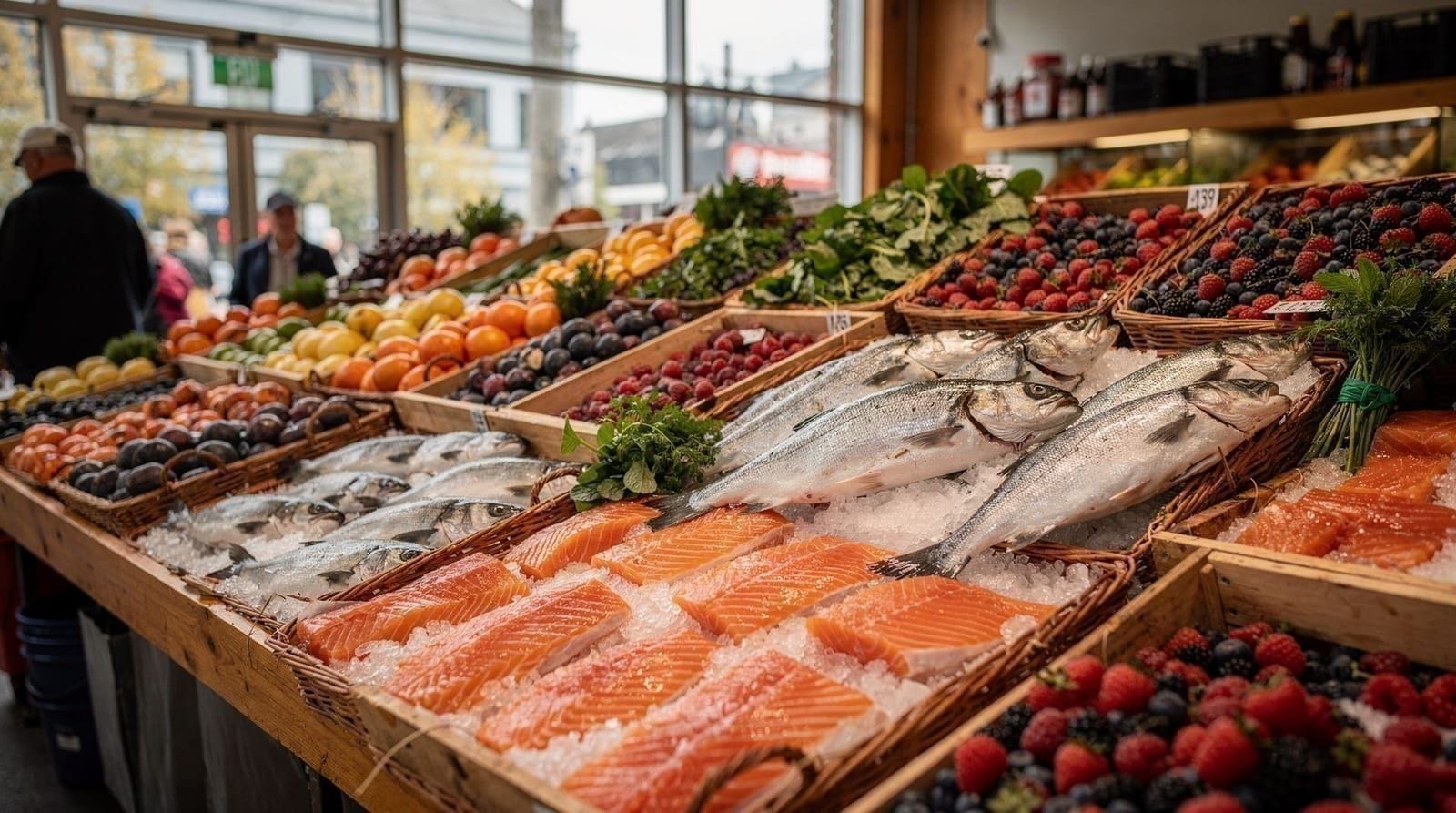
The covered market building houses more than 50 stalls under one roof, split roughly between fresh food vendors and prepared food counters. Produce stands sell BC-grown fruit and vegetables by season, seafood counters display West Coast salmon, crab and oysters on ice, and bakeries and specialty shops round out the fresh side. Prepared food options range from quick bites — Lee’s Donuts, consistently one of the busiest stalls, and various dumpling, sushi and sandwich counters — to sit-down-adjacent options at the market’s small food court seating area near the water side of the building.
A guided market tour with tastings is worth considering for a first visit specifically because the market’s sheer size makes it easy to wander past the better stalls without realizing it — a guide who knows which vendors are worth the wait saves real time compared to browsing cold.
Kids’ market and family facilities
Beyond the main Public Market building, a dedicated Kids Market on the island houses toy shops, a play area and, in warmer months, an outdoor water park that draws families for a longer stay than the food market alone might warrant. It’s a genuinely useful addition for parents traveling with younger children who need a break from adult-paced browsing, and it sits close enough to the main market that splitting a family group between the two for a while and reconvening for lunch works well logistically.
Getting there: the ferry is part of the experience
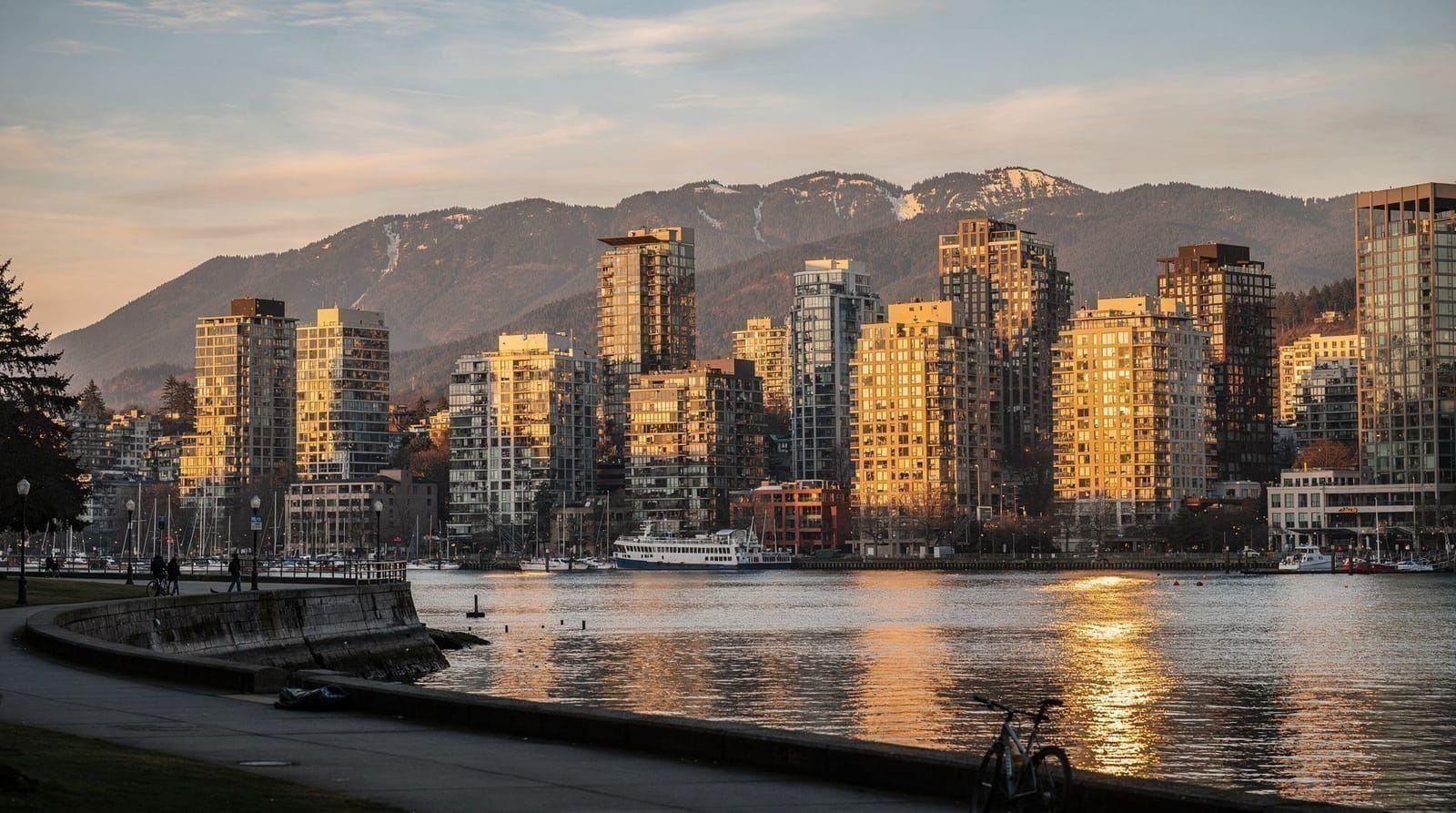
Two competing mini-ferry operators, Aquabus and False Creek Ferries, run small passenger boats across False Creek from several points — Yaletown, Science World, Vanier Park and Stamps Landing — to Granville Island’s dock, each crossing taking 5-10 minutes. It’s a genuinely pleasant way to arrive, with views back toward downtown’s glass towers, and it beats fighting for parking on the island itself. Buses also run directly to Granville Island from downtown for a land-based option, and driving is possible, though the island’s limited parking fills reliably by late morning on weekends.
A closer look at a few standout vendors
Beyond the general recommendation to browse widely, a few specific stalls consistently come up in local and repeat-visitor recommendations. The seafood counters near the market’s center handle a wide range of BC catch, including spot prawns in season (a short window in spring genuinely worth timing a visit around for seafood-focused travelers) and a variety of smoked salmon products that travel well if you’re looking for a food souvenir to take home.
The bakery and pastry stalls draw a steady local following separate from the tourist crowd, particularly for sourdough and other artisan bread. A cluster of specialty shops toward the market’s edges — cheese, chocolate, tea and spice vendors — round out a stronger self-assembled picnic than most visitors realize is possible from a single building.
Beyond the market: artisan studios and the brewery
The market building is only part of Granville Island — the surrounding streets hold working artisan studios (glassblowing, woodworking, ceramics) open to visitors, several small theaters, and Granville Island Brewing, Canada’s first modern microbrewery, which runs short tours and a taproom, part of the broader craft beer scene in Vancouver.
A Granville Island food walking tour typically loops in a few of these stops alongside the market stalls, giving a broader sense of the island than the market alone, and pairs well with the wider Vancouver food tours landscape for visitors building a food-focused trip.
Crowds and timing
Weekends, especially Saturday and Sunday afternoons through summer, draw the heaviest foot traffic of the week — the market building’s aisles can genuinely bottleneck between noon and 3pm on a sunny July Saturday. Weekday mornings before 11am are consistently the quietest window, with vendors fully stocked and no queue at the busier counters. If a weekend visit is unavoidable, arriving right at opening (around 9am) beats the crowd curve significantly.
The theatre and arts scene
Beyond food and crafts, Granville Island is also a genuine arts hub — several small theatre companies operate venues on the island, including a long-running children’s theatre and spaces used for touring productions and the Vancouver International Children’s Festival held on the island each spring. The Emily Carr University of Art and Design occupied a campus on the island for decades before relocating to a new site elsewhere in the city, but the artistic character it helped establish persists in the surrounding studios and galleries. It’s worth checking a current events listing before a visit if live theatre or a festival might align with your travel dates, since these add a layer to the island beyond its food and shopping reputation.
Weather and rainy-day considerations
The Public Market building itself is fully covered and indoor, making it a reliable rainy-day destination regardless of Vancouver’s notoriously wet shoulder and winter seasons. The surrounding outdoor areas — the marina walkways, artisan studio exteriors and the kids’ market’s outdoor water park — are more weather-dependent, and a wet day naturally shifts a visit toward more time inside the market hall itself. The mini-ferries continue running in light rain, though a heavier downpour can make the open-air crossing genuinely unpleasant, in which case the bus connection from downtown is the more comfortable alternative.
Prices
Entry to the market itself is free — you only pay for what you buy, and prices at individual stalls run comparable to a mid-range grocery or specialty food shop rather than tourist-markup territory, a contrast worth knowing if comparing costs against downtown Vancouver restaurant pricing, since a meaningful share of the customer base is local Vancouverites doing regular grocery shopping alongside the tourists. A casual lunch from a few stalls typically runs CAD 15-25 per person; a full sit-down meal at one of the island’s restaurants runs higher.
Combining with Stanley Park and downtown
A combined Granville Island and Stanley Park day tour pairs the market with Stanley Park’s seawall in one guided outing, a sensible combination since both sit within a short transit or drive of each other and represent two very different sides of Vancouver — urban market culture and waterfront park. For a broader sightseeing loop that includes the market plus other downtown stops, a city and Granville Island trolley tour covers more ground for visitors without a car.
Where to eat if you want more than a snack
Beyond the market’s stalls, several sit-down restaurants line the waterfront edge of the island with views back toward the city and marina — reservations are worth making ahead for dinner in summer, since Granville Island draws both tourists and a steady stream of Vancouver locals for weekend meals, alongside Vancouver’s other best restaurants across the city. Oyama Sausage Co. and the seafood counters inside the market itself are strong picks for a self-assembled picnic eaten at one of the outdoor tables near the water, a genuinely pleasant way to spend a sunny hour without committing to a restaurant.
Common mistakes first-time visitors make
The most frequent misstep is arriving on a Saturday afternoon without a crowd-avoidance plan, then being surprised at how packed the market building gets — arriving before 11am or accepting the crowds as part of the experience are the two realistic options once you’re already committed to a weekend visit. A second mistake is only browsing the covered market building and skipping the surrounding artisan studios and brewery entirely, missing a meaningful part of what distinguishes Granville Island from a standard food hall.
Third, some visitors try to eat a full sit-down meal at a market stall counter during the lunch rush, when seating is genuinely limited — grabbing food to eat outside near the water, or timing a sit-down meal for slightly off-peak hours, both work better than fighting for one of the limited indoor tables at noon on a Saturday.
Where to sit and eat outdoors
Given the market’s popularity, seating inside the building fills quickly during peak hours, but the surrounding docks and waterfront paths offer plenty of outdoor seating within a short walk — benches and open grass areas near the water are common spots for visitors to eat market food picnic-style, especially in good weather. It’s worth grabbing food first and then walking a couple of minutes toward the marina side of the island for a quieter spot to actually sit down and eat, rather than trying to find a table within the crowded market hall itself.
When to visit by season
Summer (June-August) brings the busiest crowds but also the fullest produce selection and the best weather for eating outdoors near the water. Shoulder months — spring and early fall — thin the crowds while keeping most stalls fully stocked. Winter is quieter still, with some outdoor vendor stalls scaled back, though the covered market building itself operates year-round regardless of weather.
What locals do differently
Vancouverites treat Granville Island as a genuine regular grocery-shopping destination as much as a tourist attraction, and that dual identity shapes how locals approach a visit. Many arrive on weekday mornings specifically to avoid tourist crowds while doing real grocery shopping — buying produce, seafood or bread for the week rather than browsing for a one-off meal.
Locals also tend to favor the less obvious vendors over the most Instagram-famous ones, and it’s common to hear a Vancouverite steer a visiting friend toward a quieter stall with comparable quality rather than joining the line at the most photographed spot. For a first-time visitor without local knowledge, though, starting with the well-known stalls (Lee’s Donuts, the seafood counters) remains a reasonable approach, since their popularity generally reflects genuine quality rather than just tourist momentum.
Accessibility notes
The market building and most of the surrounding paved paths on Granville Island are wheelchair and stroller accessible, including the main aisles within the market hall itself, though the space can feel tight during peak crowds regardless of mobility device. The mini-ferries (Aquabus and False Creek Ferries) have accessible boarding options on most vessels; check with the specific operator if this is a requirement, since not every boat in a fleet is equipped identically. On-site accessible parking is limited given the island’s overall parking constraints, so arriving by ferry or transit is often the more reliable option for visitors with mobility needs.
Budget planning for a Granville Island day
For a couple spending a half-day at Granville Island, a realistic budget includes the round-trip mini-ferry fare (a few dollars each way per person), a market lunch assembled from two or three stalls (roughly CAD 15-25 per person), and optional extras like a brewery tasting flight or a piece from an artisan studio. All told, a relaxed half-day without a sit-down restaurant meal typically runs CAD 60-90 for two people, making it one of the more affordable half-day Vancouver activities relative to how much there is to see and do.
Where it fits in a wider Vancouver trip
Granville Island works as a half-day stop on its own, or as a two-to-three-hour addition to a broader downtown day. It appears in nearly every 3-day Vancouver itinerary as the food-and-market anchor, commonly paired with Stanley Park given their proximity, and fits into a tightly packed one-day Vancouver sightseeing plan as the lunch stop between morning and afternoon sightseeing. It also sits within walking distance of Kitsilano across the Burrard Street Bridge, a reasonable extension for visitors with extra time who want to see one more West Side neighborhood the same day.
Frequently asked questions about Granville Island Public Market
Is Granville Island Market open every day?
Yes, the market operates year-round, seven days a week, though individual vendor hours can vary slightly and a handful of outdoor stalls scale back in winter.
What’s the best way to get to Granville Island without a car?
The Aquabus or False Creek Ferries mini-ferries from Yaletown or Science World are the most scenic and typically fastest option, taking 5-10 minutes across False Creek. Direct bus service from downtown is also available.
Is Granville Island Market expensive?
Prices are comparable to a mid-range grocery or specialty food shop rather than inflated tourist pricing, since locals shop there regularly alongside visitors. A casual lunch from a few stalls runs roughly CAD 15-25 per person.
Can you bring kids to Granville Island?
Yes — beyond the market, the island has a dedicated kids’ market, a summer water park, and open marina-side space that makes it manageable for families beyond just food browsing.
How much time should I budget for Granville Island?
1.5-2.5 hours covers the market at a relaxed pace; add an hour or more for the artisan studios, brewery, or a sit-down meal at one of the waterfront restaurants.
Can I bring food purchased at the market back to my hotel?
Yes, most vendors sell packaged goods well suited to taking away, and several specialty stalls (smoked salmon, chocolate, tea) make good food souvenirs that travel reasonably well, especially if refrigeration isn’t required for the item.
Is Granville Island Brewing tour worth doing?
For beer enthusiasts, yes — it’s a short, informative look at Canada’s first modern microbrewery with a tasting included, and it fits easily into a broader market visit without requiring much extra time.
Is there parking on Granville Island?
Limited paid parking exists on the island, but it fills quickly on weekends and through summer. The mini-ferries or bus are more reliable options during peak times.
Top experiences
Bookable activities with verified prices and instant confirmation on GetYourGuide.