Vancouver vs Victoria — which city to prioritize
From Vancouver: Full-Day Victoria Tour with Ferry Ticket
Is Vancouver or Victoria better to visit?
They're not really substitutes for each other — Vancouver is a larger, more diverse city with mountains, a bigger food scene and more day-trip options, while Victoria is smaller, more walkable, and has a distinct historic, garden-focused character built around Butchart Gardens and the Inner Harbour. Most itineraries benefit from visiting both rather than choosing one over the other.
Vancouver and Victoria get compared constantly, partly because they’re both major British Columbia destinations within a single ferry ride of each other, and partly because first-time visitors sometimes assume they’re interchangeable “which BC city should I visit” options. They’re not really that — Vancouver and Victoria offer genuinely different trips, and the more useful question is how to divide time between them rather than picking one exclusively.
| Pick Vancouver if | First BC trip, mountains, bigger food scene, limited time |
| Pick Victoria if | Historic gardens, a slower pace, a day trip or short add-on |
| Getting between them | BC Ferries, around 1hr35, or a short flight/seaplane |
| Typical split | 4-7 days Vancouver, 1-3 days Victoria |
Why this comparison gets asked so often
First-time BC visitors frequently encounter both city names during initial research and, seeing them mentioned together constantly across travel guides, assume they’re competing for the same trip slot the way two rival cities in the same country might. In practice they’re better understood as complementary rather than competing — Vancouver as the primary hub, Victoria as a well-known extension — which changes the practical question from “which city” to “how should I split my time.”
The basic character difference
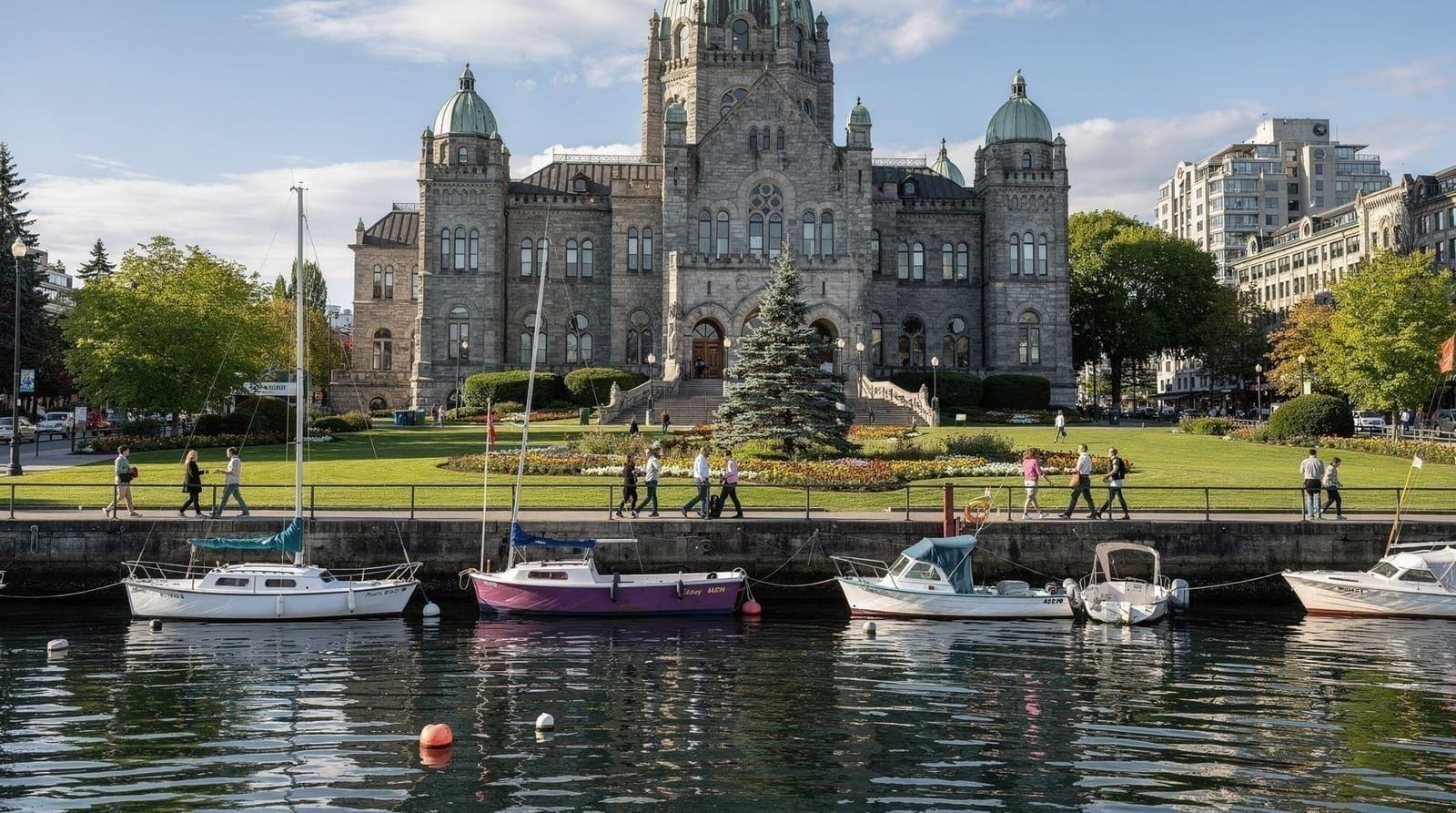
Vancouver is a large, dense coastal city of roughly 700,000 in the city proper (well over 2.5 million across the metro area), built around downtown towers, a genuinely enormous urban park in Stanley Park, and direct access to North Shore mountains within a 20-30 minute drive. Victoria, British Columbia’s provincial capital on Vancouver Island, is considerably smaller and more compact, with a historic downtown built around the Inner Harbour, the British Columbia Parliament Buildings, and a slower, more distinctly heritage-oriented atmosphere that leans into its British colonial history more overtly than Vancouver does.
What kind of traveler asks this question
This comparison tends to surface most among travelers researching their very first BC trip who’ve seen both city names repeatedly across guides and aren’t yet sure how the two relate to each other. Once the relationship is clear — Vancouver as the primary hub, Victoria as a well-regarded extension — the practical planning question shifts from “which city” to “how many days for each,” which is the framing the rest of this guide is built around.
Comparison table
| Vancouver | Victoria | |
|---|---|---|
| Size | Large city, ~700K (metro 2.5M+) | Smaller city, ~90K (metro ~400K) |
| Character | Modern, dense, mountain-adjacent | Historic, walkable, garden-focused |
| Getting there | Direct flights, YVR airport | Ferry or short flight from Vancouver |
| Signature sight | Stanley Park, North Shore mountains | Butchart Gardens, Inner Harbour |
| Day trip range | Whistler, Squamish, Fraser Valley | Butchart Gardens, Tofino (multi-day) |
| Nightlife/food scene | Larger, more diverse | Smaller, more low-key |
| Typical stay length | 4-7 days | 1-3 days |
Population, scale and pace of life
The scale difference between the two cities shapes daily experience more than most first-time visitors expect. Vancouver’s density and size mean longer transit times between attractions, more competition for restaurant tables and hotel rooms during peak periods, and a generally faster urban pace typical of a major metropolitan area. Victoria’s smaller footprint means most sights sit within a compact, walkable core, transit times between attractions are minimal, and the overall pace feels noticeably slower and less rushed — part of why some travelers specifically choose Victoria as a deliberate contrast to a busier Vancouver-based itinerary rather than an equivalent substitute for it.
Things to do
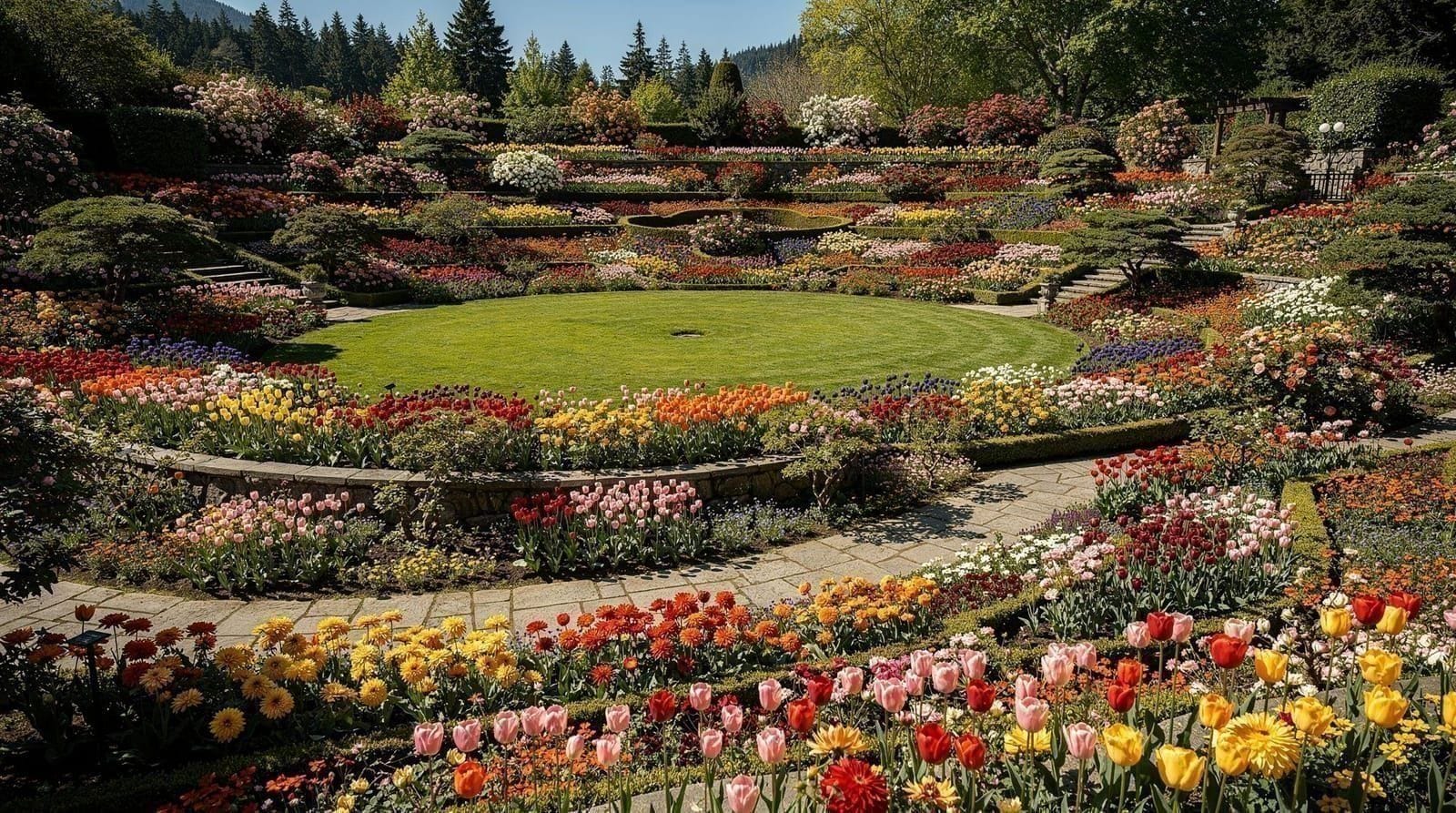
Vancouver’s attraction lineup skews toward outdoor and mountain-adjacent experiences — Stanley Park, the North Shore’s Grouse Mountain and Capilano Suspension Bridge, whale watching, and easy access to Whistler for skiing or summer alpine activities. Victoria’s lineup centers more on curated, historic and garden experiences — Butchart Gardens’ sunken and rose gardens, the Inner Harbour’s Parliament Buildings and museums, and a walkable downtown with a noticeably different architectural character than Vancouver’s glass-tower skyline.
Which for a first BC trip versus a return visit
First-time BC visitors are generally best served prioritizing Vancouver, given its role as the primary international gateway and its broader range of attractions covering most trip interests in one place. Return visitors who’ve already covered Vancouver’s core sights on a previous trip are often the ones who get the most out of dedicating more time specifically to Victoria and the wider Vancouver Island, since they’re not sacrificing first-time Vancouver experiences to do so. This pattern is worth keeping in mind when deciding how to weight time between the two cities on any given trip, first or repeat.
Cost
Both cities run at broadly similar price points for accommodation and dining, though Vancouver’s larger size gives it a wider range at both ends — genuinely budget hostel options alongside high-end luxury hotels — while Victoria’s smaller hotel market tends to cluster more toward the mid-range and boutique tiers. A full-day Victoria tour with ferry ticket included from Vancouver runs roughly CAD 150-200 per person, a reasonable proxy for the added cost of experiencing Victoria as an add-on to a Vancouver-based trip rather than a separate standalone visit.
Getting between them
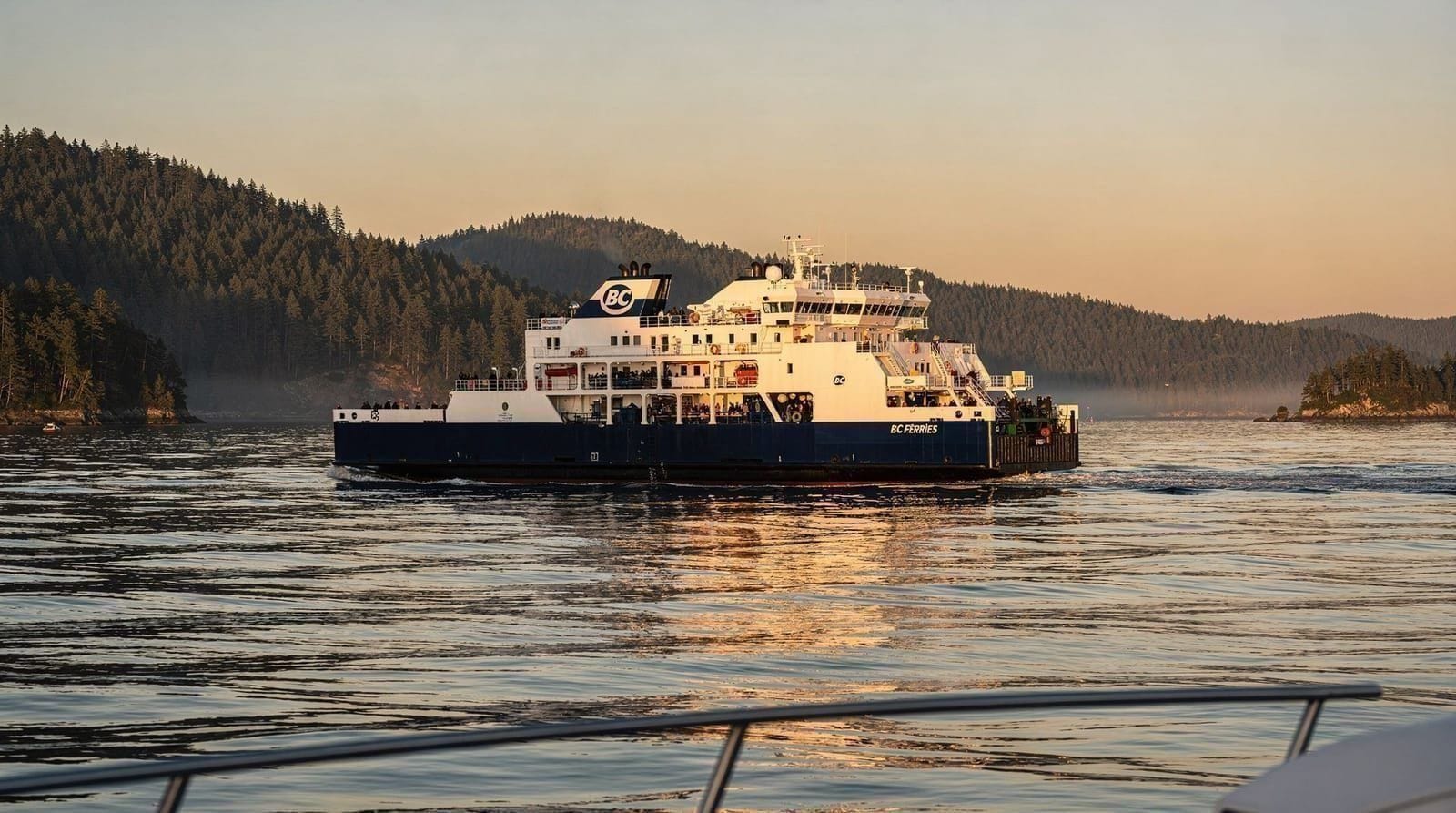
The BC Ferries crossing from Tsawwassen (south of Vancouver) to Swartz Bay (near Victoria) takes about 1 hour 35 minutes and passes through the scenic Gulf Islands, with reasonable odds of spotting seals, eagles and occasionally orcas along the way. A full-day Victoria and Butchart Gardens tour from Vancouver bundles the crossing with both destinations into a single guided day, the most common way visitors experience Victoria without committing to an overnight stay. Direct flights and seaplane connections also run between the two cities for visitors prioritizing speed over the ferry’s scenic value.
How much time each deserves
Vancouver rewards a longer stay — four to seven days is realistic for visitors wanting to cover downtown, Stanley Park, at least one North Shore mountain, and a day trip north to Whistler or Squamish, detailed across the Vancouver itineraries. Victoria, by contrast, is genuinely coverable in a single well-planned day trip for visitors mainly interested in Butchart Gardens and the Inner Harbour, though an overnight or two allows for a more relaxed pace and time for Victoria’s smaller museums and neighborhood walks that a rushed day trip skips. For the direct trade-offs of doing Victoria as a single day versus staying longer, see Whistler versus Victoria as a day trip.
Accommodation comparison
Vancouver’s much larger hotel market offers the widest range from budget hostels to five-star luxury properties, with strong concentrations in the West End, Yaletown and downtown core each offering a somewhat different neighborhood experience. Victoria’s smaller market clusters more heavily around the Inner Harbour and downtown core, generally skewing toward boutique and mid-range properties with fewer large chain hotels than Vancouver’s downtown towers. Prices per night run broadly comparable between the two cities for equivalent quality tiers, though Vancouver’s summer peak pricing tends to spike somewhat higher given the larger volume of international visitors and conference/event traffic competing for the same rooms.
Food and nightlife
Vancouver’s food scene is considerably larger and more diverse, reflecting the city’s scale and its significant Asian immigrant communities — Chinatown, Richmond’s dim sum scene, and a broad range of international cuisine sit alongside a growing craft beer and cocktail bar culture in neighborhoods like Gastown and Mount Pleasant. Victoria’s food and nightlife scene is smaller and more low-key, with a genuine strength in afternoon tea culture (a nod to its British heritage) and a solid but more modest restaurant scene concentrated around the Inner Harbour and downtown core.
Which for a romantic trip or honeymoon
Victoria’s slower pace, historic architecture, and afternoon tea culture give it a genuine edge for couples specifically prioritizing a romantic, low-key atmosphere over a broader range of activities. Vancouver counters with its own romantic angles — sunset walks along the Stanley Park Seawall, waterfront dining in Yaletown or Coal Harbour, and a considerably wider range of upscale dining options given its larger size. Couples with more than a few days often find the strongest romantic itinerary combines both: a few days in Vancouver for variety and dining, followed by a quieter Victoria stretch (whether a day trip or overnight) for a change of pace.
Weather
Both cities share BC’s coastal climate pattern — wet winters, drier summers — but Victoria sits in something of a rain shadow relative to Vancouver, generally recording somewhat less annual rainfall and slightly milder winter temperatures. It’s not a dramatic difference day to day, but visitors specifically chasing the driest possible BC weather window will find Victoria marginally more favorable, particularly in the shoulder seasons.
Which for families
Vancouver’s larger range of family-specific attractions — the Vancouver Aquarium, Grouse Mountain, Science World — generally gives it the edge for families planning most of their trip’s activity time around one destination.
Victoria still works well for a family day trip, particularly given Butchart Gardens’ broad appeal and the genuine kid-pleasing novelty of the ferry crossing itself, but as a full family destination it offers less structured activity variety than Vancouver’s more built-out family attraction lineup. See the Vancouver with kids guide for the fuller family-specific breakdown of what Vancouver offers.
Which for outdoor and adventure travelers
Vancouver’s proximity to the North Shore mountains, Whistler, and the Sea-to-Sky corridor gives it a clear advantage for travelers prioritizing hiking, skiing, or mountain-based adventure activities. Victoria offers milder, more coastal outdoor activities — walking, cycling, whale watching independently arranged from Victoria’s own harbor — but doesn’t match Vancouver’s access to genuine alpine terrain. Adventure travelers with limited time should prioritize Vancouver and its immediate region; Victoria is a better fit for travelers seeking a gentler pace of outdoor time.
Which one for a first-time BC visitor
For a first-time visitor with limited time, Vancouver should be the priority — it’s the larger, more logistically central destination with direct international flights, and it offers enough variety (city, mountains, day trips) to fill a trip on its own. Victoria works best as an add-on rather than a replacement, ideally as a full-day trip or a short overnight extension once Vancouver’s core sights are covered.
Visitors with a full week or more, and genuine interest in both cities’ distinct characters, are well served by the 5-day Vancouver and Victoria itinerary or, for a deeper Vancouver Island exploration beyond just Victoria, the 7-day Vancouver Island itinerary.
History and architecture
Vancouver’s built environment is overwhelmingly modern — a skyline dominated by glass residential towers developed largely from the 1980s onward, following the city’s rapid growth around Expo 86 and subsequent waves of development. Its older architecture survives mainly in pockets like Gastown’s Victorian-era buildings and Chinatown’s heritage storefronts, small enclaves within a much larger modern city.
Victoria’s downtown, by contrast, retains a considerably larger stock of 19th and early 20th century architecture, with the British Columbia Parliament Buildings and the Fairmont Empress Hotel anchoring an Inner Harbour streetscape that reads as distinctly more historic than anything in central Vancouver. Visitors specifically drawn to heritage architecture and a slower-paced historic downtown will find Victoria delivers that more consistently.
Neighborhoods worth exploring in each
Vancouver rewards neighborhood-hopping in a way Victoria’s smaller scale doesn’t quite match — Gastown’s Victorian streets and cocktail bars, Kitsilano’s beach-town cafe culture, Commercial Drive’s bohemian independent shops, and Chinatown’s heritage and food scene all offer genuinely distinct character within a single city. Victoria’s downtown core is more compact and walkable in a single pass, with the Inner Harbour, Chinatown (Canada’s oldest, notably) and the Fairfield residential district covering most of what a visitor would explore, generally within a smaller overall footprint than Vancouver’s neighborhood sprawl.
Museums and indoor culture
Vancouver’s Museum of Anthropology at UBC, focused on First Nations art and Pacific Northwest culture, and the Vancouver Art Gallery both offer substantial indoor cultural options within a larger city that supports a broader arts scene overall. Victoria counters with the Royal BC Museum, widely regarded as one of Canada’s strongest provincial museums, covering BC’s natural and human history in considerable depth — a genuine highlight for visitors with a rainy day to fill in Victoria specifically. Neither city has a clear overall edge in museum quality; the honest difference is scale, with Vancouver simply offering more total options given its larger size.
Airport and transit access
Vancouver International Airport (YVR) is a major international hub with direct flights from across North America, Europe and Asia-Pacific, making Vancouver the natural entry point for most BC-bound travelers regardless of whether Victoria is also on the itinerary. Victoria International Airport handles considerably less traffic, mostly domestic and some US connections, meaning most visitors reach Victoria via Vancouver first — by ferry, short flight, or seaplane — rather than flying directly into Victoria as a first stop. This asymmetry is part of why Vancouver functions as the default primary destination for most BC itineraries, with Victoria positioned as a secondary stop layered on afterward.
What repeat visitors tend to say
Travelers who’ve visited both cities more than once often report a consistent pattern: Vancouver remains the trip they’d extend given more time, thanks to its scale and variety, while Victoria remains the trip they’re glad they made time for but wouldn’t necessarily extend beyond a day or overnight. That’s not a knock on Victoria — it delivers exactly what it promises within a naturally more compact scope — but it does reflect the honest difference in how much each city rewards additional days versus a focused, shorter visit.
Combining both with Whistler or the rest of the island
Travelers with more than a week often ask how Victoria fits alongside a Whistler visit too, rather than just Vancouver. The honest framing is that Whistler and Victoria pull in opposite directions — one mountain-focused, one coastal-historic — and both are genuinely worth including on a 7-10 day trip rather than choosing between them, covered in the 7-day Vancouver Island itinerary and the Vancouver-Whistler 5-day itinerary. Visitors weighing Whistler against a Victoria day trip specifically, without the time for both, should see Whistler versus Victoria as a day trip for the direct trade-off.
The honest verdict
This isn’t really a competition between equals — Vancouver is the larger, more essential destination for most BC-bound travelers, and Victoria is a genuinely worthwhile complement rather than a substitute. Visitors forced to choose only one, with very limited time, should default to Vancouver; visitors with any flexibility at all should plan to see both, since they showcase different, complementary sides of British Columbia rather than competing for the same kind of trip. A Victoria city highlights and Butchart Gardens tour is a solid, efficient way to sample Victoria’s best-known sights without needing to restructure a Vancouver-centered itinerary around it.
Top experiences
Bookable activities with verified prices and instant confirmation on GetYourGuide.