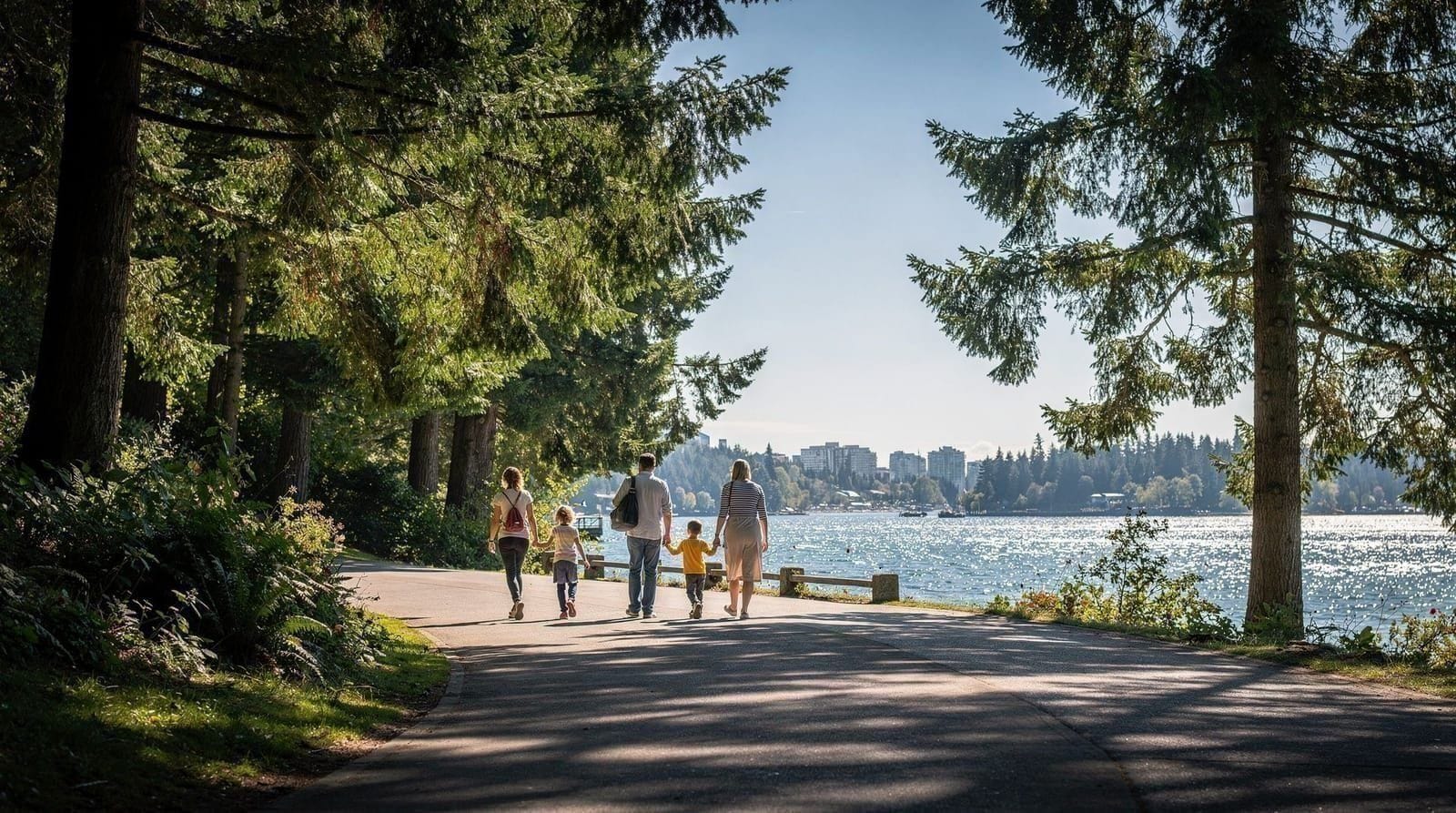
Vancouver with kids — a practical family planning guide
Grouse Mountain Skyride Admission Ticket
Is Vancouver a good destination for a family trip?
Yes — Vancouver combines genuinely kid-friendly attractions (Grouse Mountain's grizzly refuge, the Aquarium, Science World, Stanley Park) with a compact, transit-friendly downtown and a mild-enough climate for outdoor time most of the year, though summer (June-August) is the most reliable weather window for a family trip.
Vancouver works unusually well as a family destination, for reasons that have less to do with any single blockbuster attraction and more to do with the city’s shape: a walkable, transit-friendly downtown wrapped around a genuinely huge park, with mountains and marine wildlife visible from the same waterfront where kids can also just run around on a beach. It’s not Orlando-style theme-park density, and families expecting that will want to recalibrate — but for a trip that mixes real outdoor time with a manageable number of paid attractions, it holds up well across a wide age range.
| Best season | Summer (June-August), reliable warm/dry weather |
| Core attractions | Stanley Park, Aquarium, Grouse Mountain, Science World |
| Getting around | Stroller-friendly SkyTrain, flat Seawall, SeaBus |
| Daily budget (family of 4) | Around CAD 250-400 |
| Minimum trip length | 3-4 days for the core city attractions |
The core family attractions
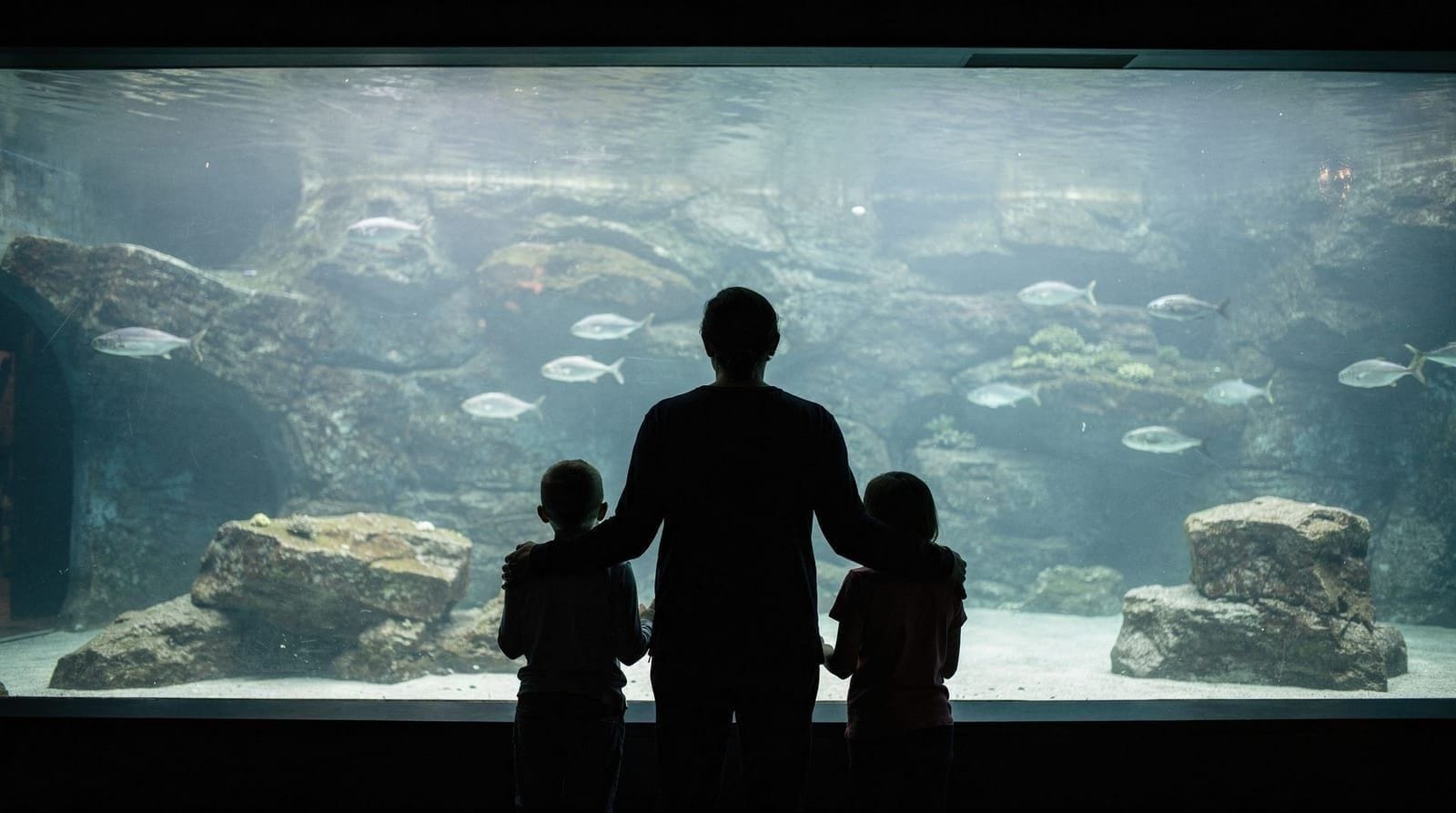
Four places do most of the heavy lifting for a Vancouver family itinerary. Stanley Park anchors almost every family trip, with its flat 9-kilometre Seawall loop, a heated outdoor pool at Second Beach in summer, and a small seasonal train that’s a genuine highlight for younger kids. The Vancouver Aquarium, inside Stanley Park, houses roughly 65,000 animals across marine exhibits and is Canada’s largest aquarium, reliably good for a two-hour visit regardless of weather.
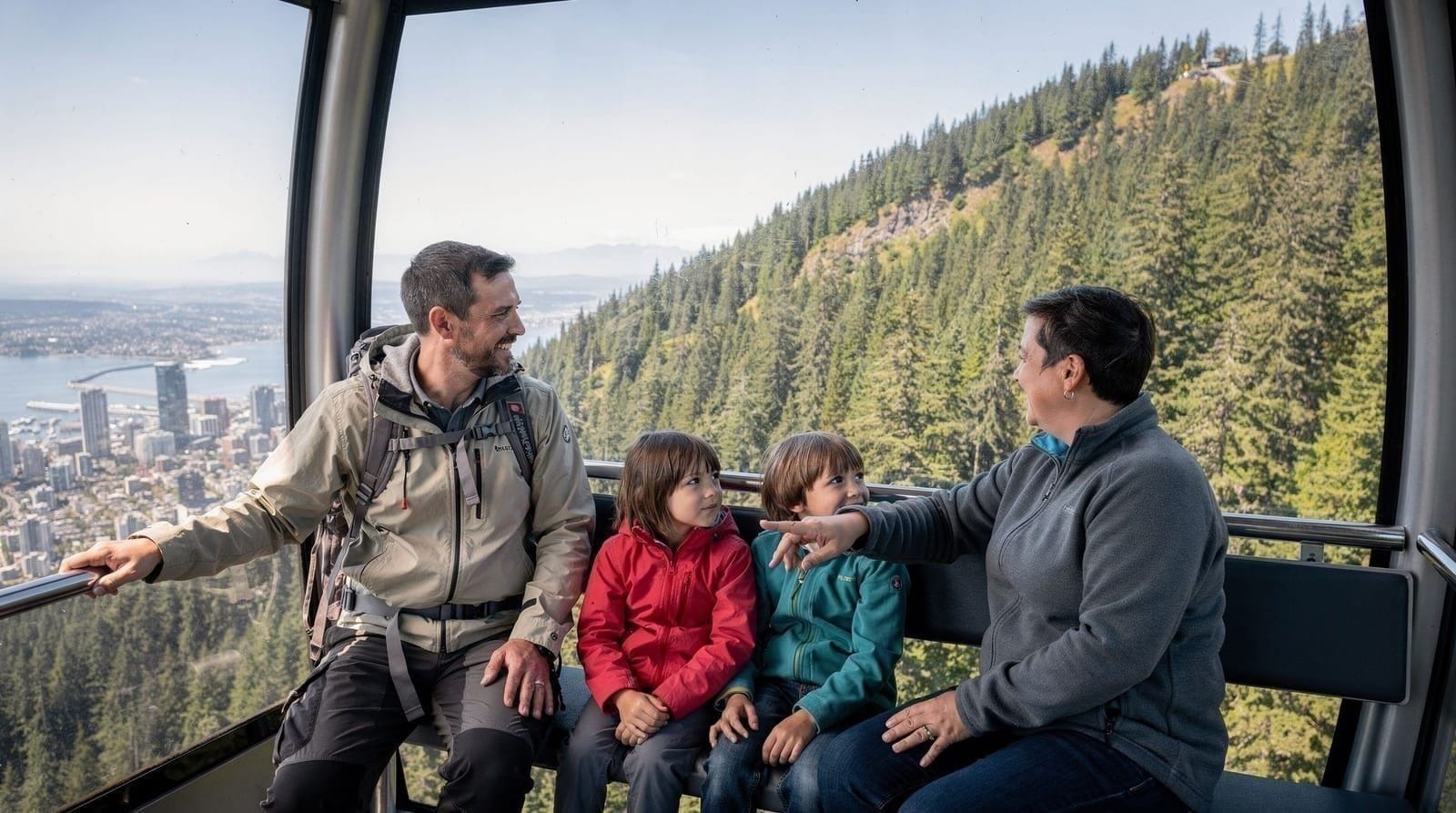
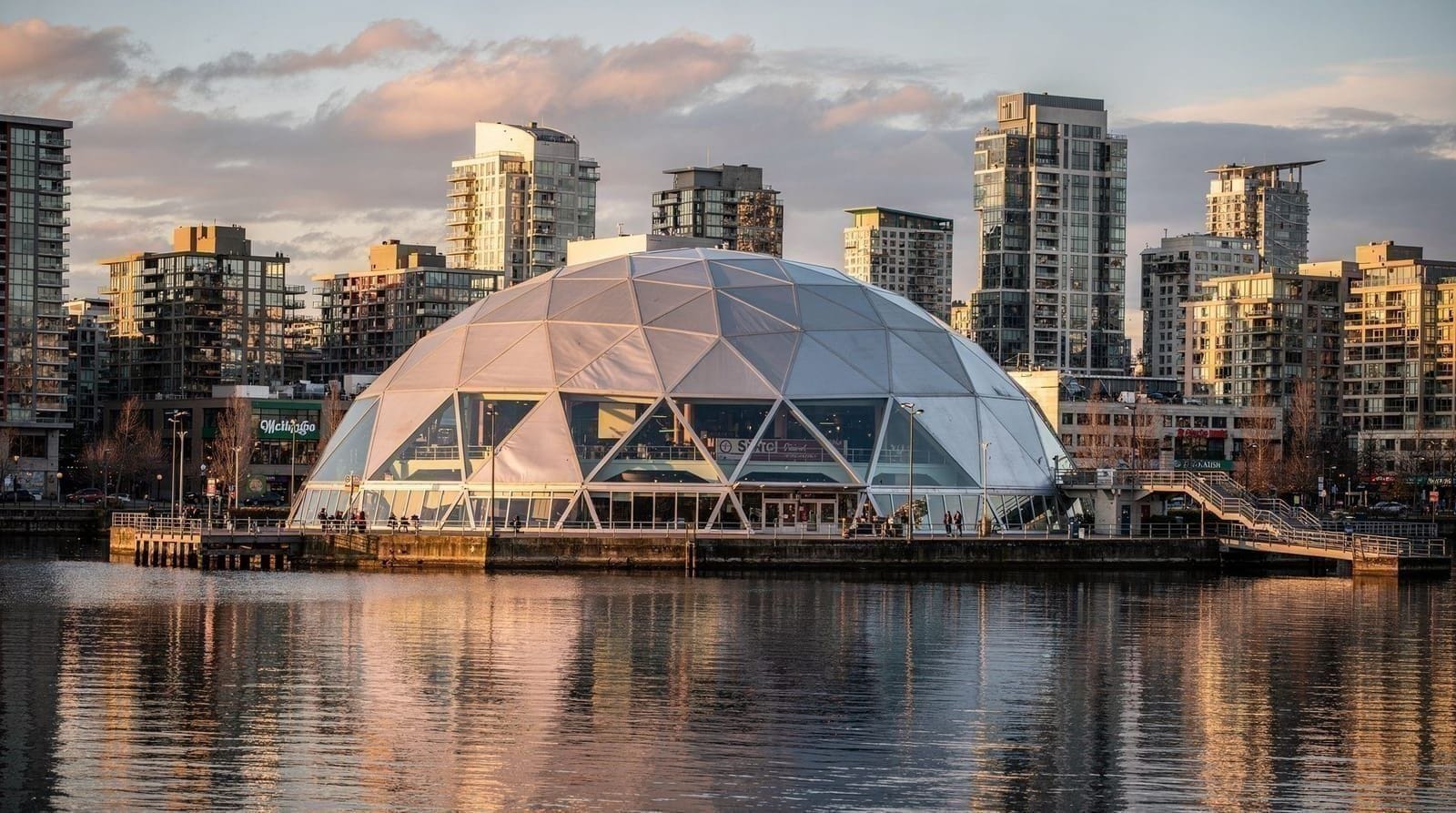
Grouse Mountain combines a gondola ride, a grizzly bear refuge with two resident bears, and an alpine coaster into a genuinely different kind of family day than anything downtown offers. And Science World, the geodesic dome landmark near False Creek, delivers hands-on exhibits that work especially well for kids aged roughly 5-12.
Getting around with kids
Vancouver’s SkyTrain network (the Canada Line and Expo Line in particular) is elevator-equipped and genuinely stroller-friendly, connecting downtown, Richmond, and the airport without needing a car. The SeaBus across to the North Shore runs every 15-30 minutes and is a minor attraction in its own right for kids who enjoy boats.
Downtown itself is compact and walkable, with the Stanley Park Seawall and Granville Island both flat, paved, and easy with a stroller. Buses can be tighter for a full-size stroller during busy periods, so families relying heavily on transit sometimes find a compact umbrella stroller easier to manage than a bulkier travel system.
Age-by-age recommendations
Toddlers and preschoolers do best with Stanley Park’s Seawall and beaches, the Aquarium’s shallower, more visual exhibits, and Granville Island’s Kids Market and public market browsing — anywhere with space to move and short attention-span-appropriate stops. Elementary-age kids (roughly 6-11) get the most out of Science World’s interactive exhibits, Grouse Mountain’s grizzly viewing and alpine coaster, and FlyOver Canada’s flight-simulator experience near Canada Place.
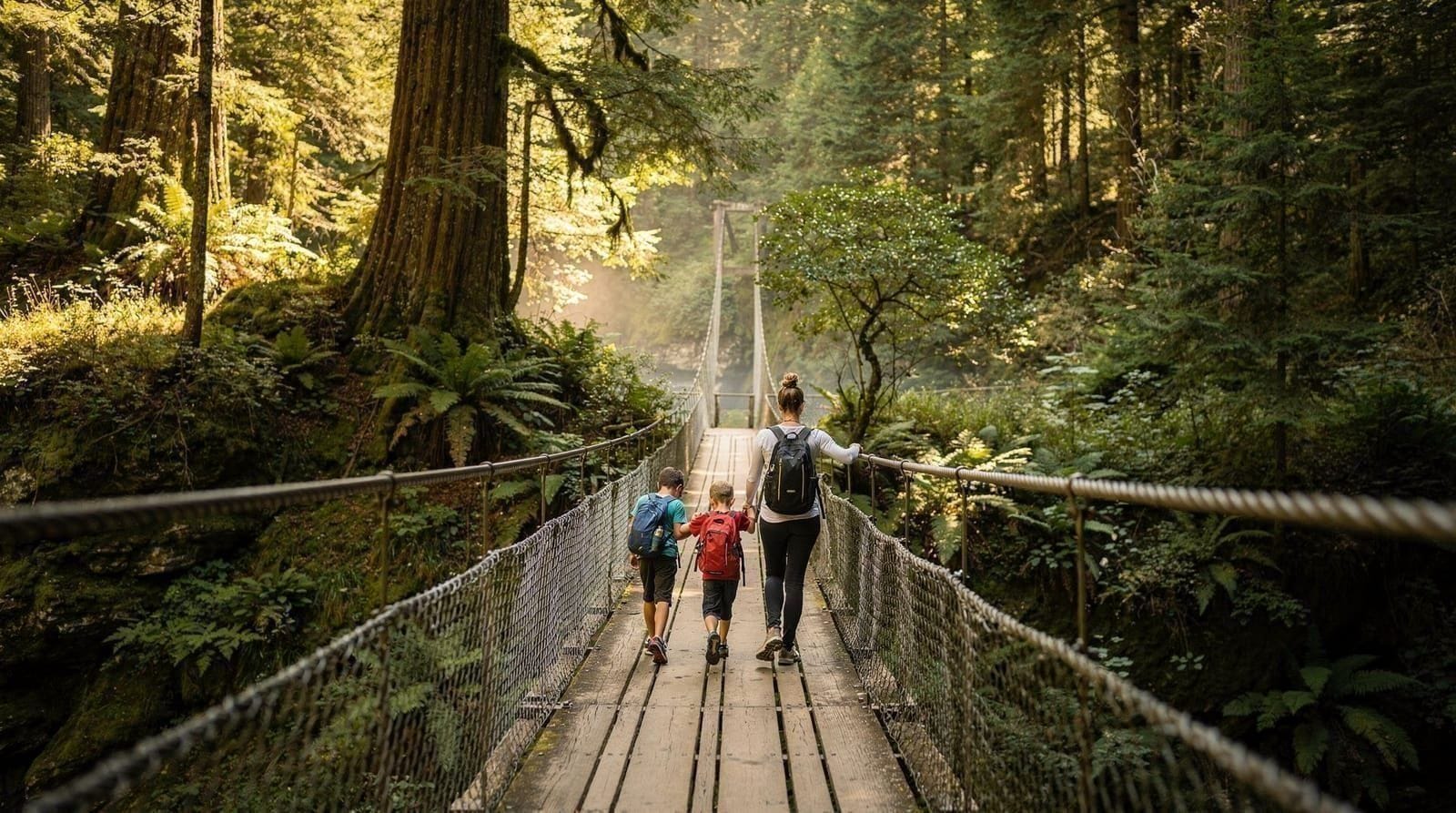
Older kids and early teens are ready for Capilano Suspension Bridge’s Cliffwalk and Treetops Adventure, longer Seawall bike rides, and — depending on interest — a day trip north to Whistler for a first ski lesson or summer alpine hike.
Rainy-day planning
Vancouver’s wetter months (roughly October through April) make a backup indoor plan worth having regardless of season, since coastal weather can shift quickly even in summer. Science World and the Vancouver Aquarium are the two strongest fully indoor options, and the Museum of Anthropology at UBC, while more academically oriented, has enough visual, hands-on First Nations art and architecture to hold older kids’ attention. For a lower-cost rainy afternoon, both Metropolis at Metrotown and Oakridge Park shopping centres have indoor play areas, a practical fallback that doesn’t require an admission ticket.
Booking Grouse and Capilano for families
Both North Shore staples work well for families but are worth booking ahead rather than risking a walk-up line, particularly in summer. A Grouse Mountain Skyride admission ticket covers the tram, grizzly viewing area, and grounds access — the full family-specific breakdown, including the alpine coaster and lumberjack show timing, is in the Grouse Mountain with kids guide.
For Capilano, a Capilano Suspension Bridge ticket covers the main bridge and boardwalks, with more detail on which sections suit which ages in the Capilano with kids guide.
Stanley Park as a full family day
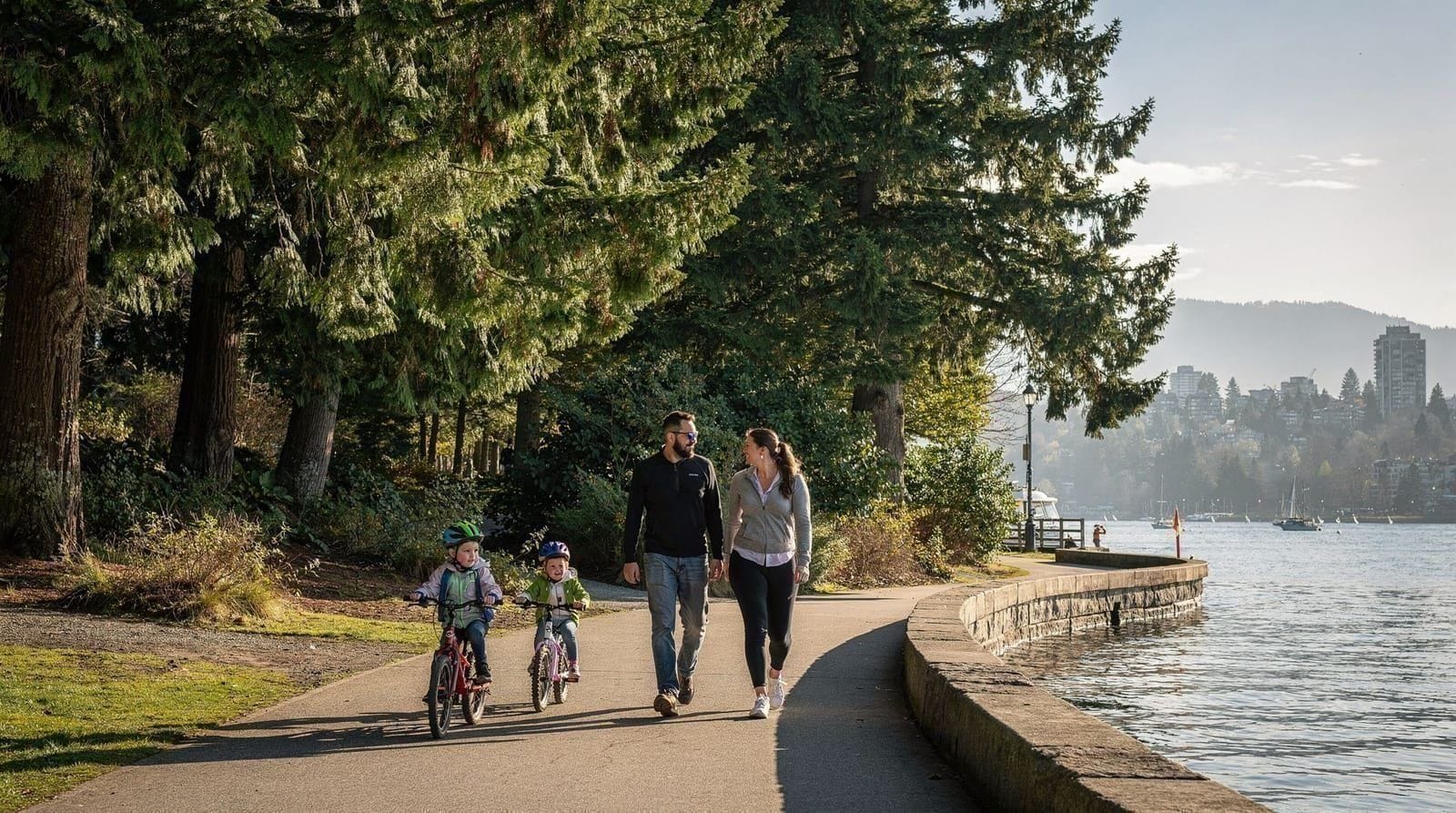
Beyond the Aquarium, Stanley Park itself deserves real time on any family itinerary. The Seawall is flat and fully paved, making it genuinely manageable for strollers, scooters, and kids on their own bikes, and a Stanley Park bicycle tour is a structured, guided way to cover the loop without navigating rental logistics independently.
Second Beach’s outdoor heated saltwater pool runs through summer and is genuinely popular with local families, not just visitors, while the park’s Nature House and totem poles at Brockton Point offer shorter, lower-energy stops for younger kids who need a break from walking. Full detail on the rest of the park’s family-specific highlights is in the Stanley Park with kids guide.
Science World and downtown attractions
Near the eastern edge of downtown at False Creek, Science World’s dome is one of the city’s most recognizable landmarks and delivers roughly two to three hours of genuinely engaging hands-on science exhibits, detailed in the Science World guide. Combined with a stop at FlyOver Canada near Canada Place — a FlyOver Canada flight simulator experience covers a sweeping, motion-simulator tour of the country that most kids over about six enjoy — downtown alone can fill a full family day without needing a car.
Food with kids
Vancouver’s food scene is genuinely kid-workable without resorting exclusively to chain restaurants. Granville Island’s public market has enough variety (and enough space to spread out) that pickier eaters usually find something, and dim sum in Chinatown or Richmond tends to be a hit with kids who enjoy the variety and the communal, try-a-bit-of-everything format. Casual, family-friendly sit-down spots are common in Kitsilano and Yaletown, both of which also have good beach or waterfront access for a post-meal run-around.
Where to stay
The West End puts families within easy walking distance of Stanley Park and English Bay’s beaches, generally quieter than the busier downtown core. Yaletown offers a similar Seawall-adjacent location with a slightly more upscale, restaurant-dense feel. Downtown proper and Coal Harbour work well for families prioritizing easy Aquarium and SeaBus access for North Shore day trips, since both put the SeaBus terminal within a short walk.
Day trips with kids beyond the city
Families with more than three or four days in Vancouver often consider extending into a day trip, and two options stand out for kid-friendliness. A day trip to Victoria and Butchart Gardens works well for families comfortable with a full day of travel, since the ferry crossing itself is often a highlight for kids and the gardens are a gentle, self-paced walk rather than a demanding attraction.
A winter trip north to Whistler for a first ski or snowboard lesson works for families traveling in ski season with kids old enough to genuinely benefit from a lesson, though it’s a bigger time and cost commitment than the Victoria option — see the Whistler skiing guide for realistic expectations on a day-trip ski visit with kids.
What surprises first-time visiting families
A few things regularly catch visiting families off guard. First, Vancouver’s weather can shift meaningfully within a single day even in summer, so a sunny morning at the beach doesn’t guarantee a sunny afternoon at Grouse — checking forecasts by specific location and elevation, not just a general city forecast, avoids disappointment.
Second, some of the most-recommended attractions (the Aquarium, Science World) have real daily capacity limits that can sell out during peak summer weeks and school holidays, meaning “we’ll just show up” isn’t always a safe plan the way it might be in a less-visited destination. Third, distances on a map can be deceiving — the North Shore mountains look close to downtown but the drive, plus parking, plus the attraction itself, genuinely eats most of a half-day once transit time is honestly accounted for.
Realistic pacing
Families new to Vancouver often try to pack too much into each day, underestimating how much slower everything moves with kids in tow. Three to four days is a realistic minimum to cover the core city attractions — Stanley Park, the Aquarium, Granville Island, and one North Shore mountain — without constant rushing; the family-focused 4-day itinerary lays out a workable day-by-day structure built around exactly this pace. Building in one genuinely low-key day, with no ticketed attractions and just park time or a beach afternoon, tends to make the rest of the trip go more smoothly than an itinerary packed end to end.
A realistic daily budget
Families new to Vancouver sometimes underestimate costs, particularly around paid attractions and dining. A rough daily budget for a family of four covering one paid attraction, three meals with a mix of casual and one sit-down option, and local transit typically lands around CAD 250-400, trending higher on days that include both Grouse or Capilano admission and a restaurant dinner, and lower on days built around free Stanley Park time and grocery-store or market-stall meals. Kids under a certain age (typically 2-4, varying by attraction) generally enter free at most paid sights, worth confirming at booking since it can meaningfully reduce per-day costs for families with younger children.
Packing for a family trip
Vancouver’s weather is genuinely changeable regardless of season, and packing layers matters more here than sheer volume of clothing. A light rain jacket for every family member is worth including even for a summer trip, since coastal weather can shift with little warning. Comfortable, broken-in walking shoes matter more than any other single packing decision, given how much of a Vancouver family day involves walking — the Seawall, Granville Island, downtown sightseeing all add up faster than visitors expect. Sun protection, including hats and sunscreen, is worth packing even for cloudy-looking days, since UV exposure on the water and at elevation (Grouse, Capilano) can be stronger than the grey skies suggest.
School holidays and timing
Local school breaks affect crowd levels meaningfully at family attractions, even for out-of-town visitors. BC’s spring break (mid-March) and summer break (late June through early September) both bring heavier local family crowds to the same attractions visiting families are targeting, on top of the usual tourist season crowds. Winter break around Christmas and New Year adds its own crowd spike, particularly at any attraction running holiday-specific programming. Visiting during a shoulder period outside these windows — late April/May, or September/early October — generally means thinner crowds at the same attractions, worth weighing against the somewhat less reliable weather in those months.
Traveling with teens versus younger kids
Vancouver flexes well for teens in a way some family destinations don’t — beyond the core kid-focused attractions, teens can genuinely engage with Gastown’s food scene, Granville Island’s artisan shops, a longer Seawall bike ride or hike, and even a first ski lesson at Grouse or Whistler if travel dates fall in winter. Families with a wide age spread among their kids should expect some splitting up to be worthwhile — younger kids at the Aquarium or Science World while teens explore Gastown or ride the Grouse Grind, reconvening for a shared meal or evening activity rather than forcing every stop to suit every age simultaneously.
Car seats and rental car considerations
Families planning day trips to Whistler, Victoria or the Fraser Valley who don’t want to rely entirely on guided tours should know that rental agencies in Vancouver generally offer car seat and booster rentals, though selection and availability are more limited than bringing your own — worth reserving ahead rather than assuming walk-up availability, particularly during summer and school holiday periods when rental demand peaks. Families without a rental car relying on guided day tours should confirm in advance whether a specific tour can accommodate a car seat for very young children, since not all vehicles used by tour operators are set up for it by default.
Public restrooms and practical logistics
Stanley Park, Granville Island, and most major paid attractions have reliable public restroom access, generally the easiest parts of a Vancouver family day to plan around. Downtown streets and some outdoor areas have less consistent public restroom availability outside of attractions and cafes, worth factoring into route planning for families with younger kids or anyone needing frequent breaks — ducking into a café or a major attraction’s facilities is generally the practical fallback rather than counting on street-level public restrooms being nearby.
Safety basics for families
Vancouver is broadly safe for families in the areas most visitors spend time — downtown, Stanley Park, Granville Island, the North Shore attractions — with typical big-city common sense (watching belongings in crowded tourist areas, standard road-crossing caution) covering most practical concerns. Downtown’s Eastside, particularly around East Hastings Street, has a visible homelessness and public health crisis that’s worth knowing about in advance simply so it doesn’t come as a surprise; it’s not an area most family itineraries pass through, but it borders parts of Gastown and Chinatown that do appear on typical sightseeing routes.
Wildlife safety matters more on North Shore trails and any hiking beyond paved paths — coyotes are present in city parks (keep a good distance, don’t feed them) and bears are a real, if rare, consideration on any backcountry hike, though not a concern on paved attractions like the Seawall, Capilano’s boardwalks, or Grouse’s main visitor areas.
Free and low-cost options for families
Not every family day needs a paid attraction. Queen Elizabeth Park’s gardens and playgrounds are free and give younger kids space to run without the crowds of Stanley Park on a busy day, and VanDusen Garden, while ticketed, runs family-friendly seasonal events like its Festival of Lights that are worth timing a visit around. English Bay and Kitsilano beaches remain entirely free, and a full day built around the Seawall, a beach stop, and Granville Island’s covered market can genuinely fill a family day without a single paid admission.
Frequently asked questions about visiting Vancouver with kids
What time of year is best for a Vancouver family trip?
Summer (June through August) offers the most reliable warm, dry weather for outdoor attractions like Stanley Park and the beaches, though it’s also the most expensive and crowded season. Spring (cherry blossom season, roughly early April) and early fall are solid shoulder-season alternatives with better prices and thinner crowds, at the cost of less predictable weather.
Do kids need tickets for the Vancouver Aquarium and Science World?
Yes, both charge admission by age tier, with discounted child pricing and free or reduced entry for very young children (typically under 2-3). Both venues have limited daily capacity, so booking online ahead, especially in summer, is worth doing rather than risking a sold-out walk-up visit.
Is Grouse Mountain safe for kids?
Yes — the Skyride tram is fully enclosed, the grizzly viewing area is a secured boardwalk with no direct animal contact, and the alpine coaster has minimum height requirements for solo riding, with tandem options for smaller kids. The Grouse Grind hiking trail, a genuinely strenuous climb, is not appropriate for young children, but nothing else at the summit requires hiking fitness.
Can you do Vancouver with a baby or toddler?
Yes, reasonably comfortably — the flat Seawall, stroller-friendly SkyTrain, and shorter-duration attractions like the Aquarium all work fine for younger kids, though a day built around Grouse or Capilano’s longer outdoor sections may need more frequent breaks than with older children.
How much does a family day of sightseeing typically cost?
Budget roughly CAD 200-400 per day for a family of four covering one or two paid attractions, meals, and local transit — toward the lower end for a Stanley Park and beach day, toward the higher end for a day combining Grouse or Capilano admission with a sit-down dinner.
Are there free family activities that don’t require a paid attraction?
Yes — Queen Elizabeth Park’s gardens and playgrounds, English Bay and Kitsilano beaches, and the Stanley Park Seawall are all free, and a full day combining a beach stop with Granville Island’s covered market can work well for families wanting a lower-cost day between paid attractions.
Top experiences
Bookable activities with verified prices and instant confirmation on GetYourGuide.