Best time to visit Vancouver — a season-by-season breakdown
Vancouver: City Highlights Tour
What is the best time to visit Vancouver?
For most first-time visitors, June through September delivers the most reliable weather and the widest range of open attractions, with September specifically offering near-summer conditions at lower prices and thinner crowds. Winter is worth it only if Whistler skiing is part of the plan; spring is best for cherry blossoms in early-to-mid April.
There’s no single correct answer to when to visit Vancouver, because the city and the region around it run on genuinely different calendars depending on what a trip is actually built around. Whale watching, cherry blossoms, Whistler skiing, and dry-weather sightseeing each have their own peak windows, and they don’t overlap the way a simpler destination’s single “best season” might. This guide compares all four seasons directly rather than picking one universal winner, so the right answer can be matched to the actual goal of the trip.
| Season | Weather | Crowds/price | Best for |
|---|---|---|---|
| Summer (Jun-Aug) | Dry, warm, 20-25°C | Highest | Reliable sightseeing weather |
| Fall (Sep-Oct) | Near-summer, cooling | Moderate, dropping | Whale watching, value, hiking |
| Spring (Mar-May) | Improving, wetter | Low-moderate, rising | Cherry blossoms (Apr), budget (Mar) |
| Winter (Nov-Feb) | Wet, mild, 8°C highs | Lowest (city) | Whistler skiing, Dine Out Vancouver |
The short version, by season
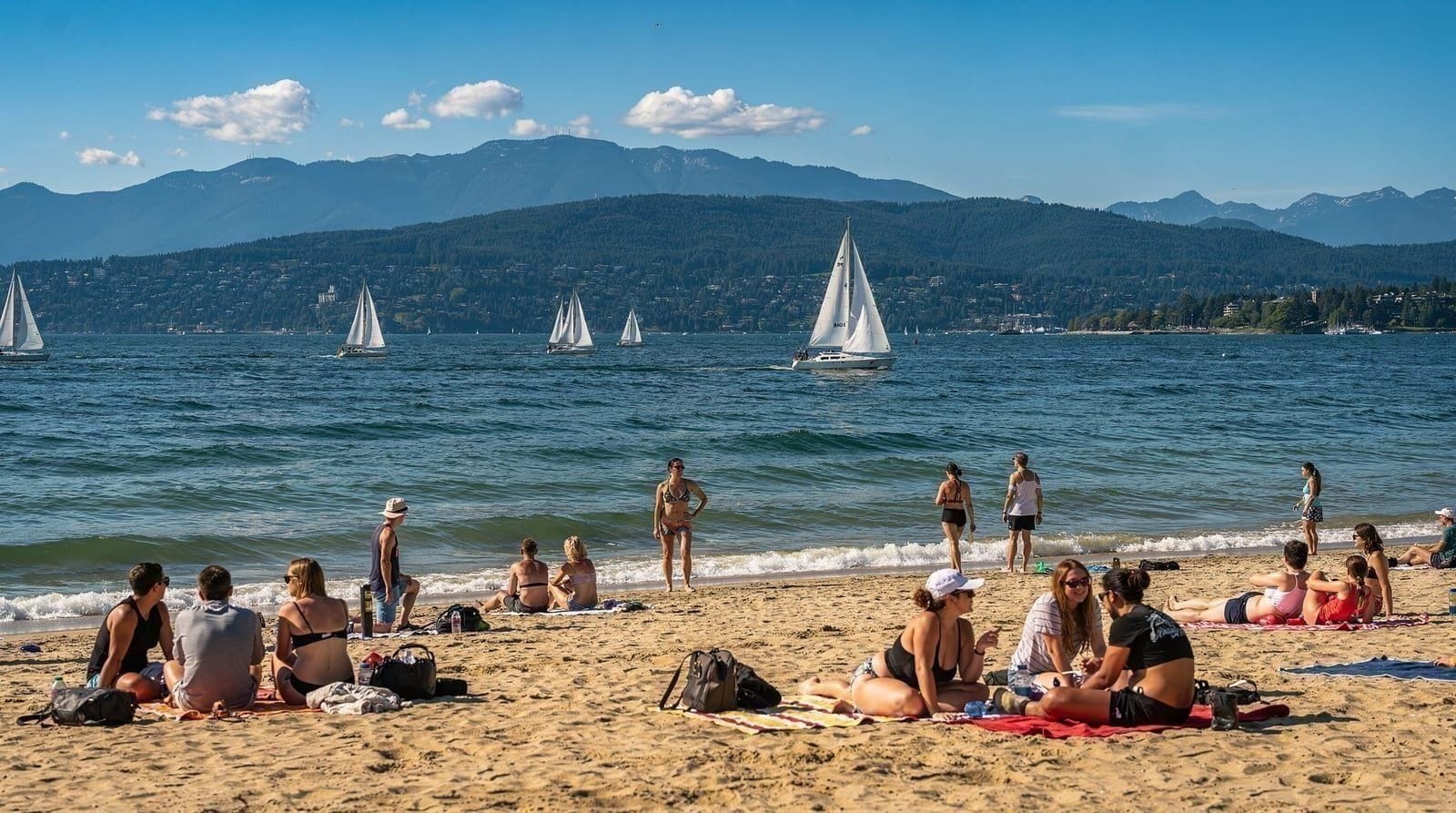
Summer (June-August) delivers the most reliable weather of the year, dry and warm with long daylight, but it’s also the most crowded and expensive season by a clear margin. Fall, particularly September, offers nearly the same weather with meaningfully lower prices and crowds, plus the best whale watching of the year — see the fall guide for the full month-by-month breakdown.
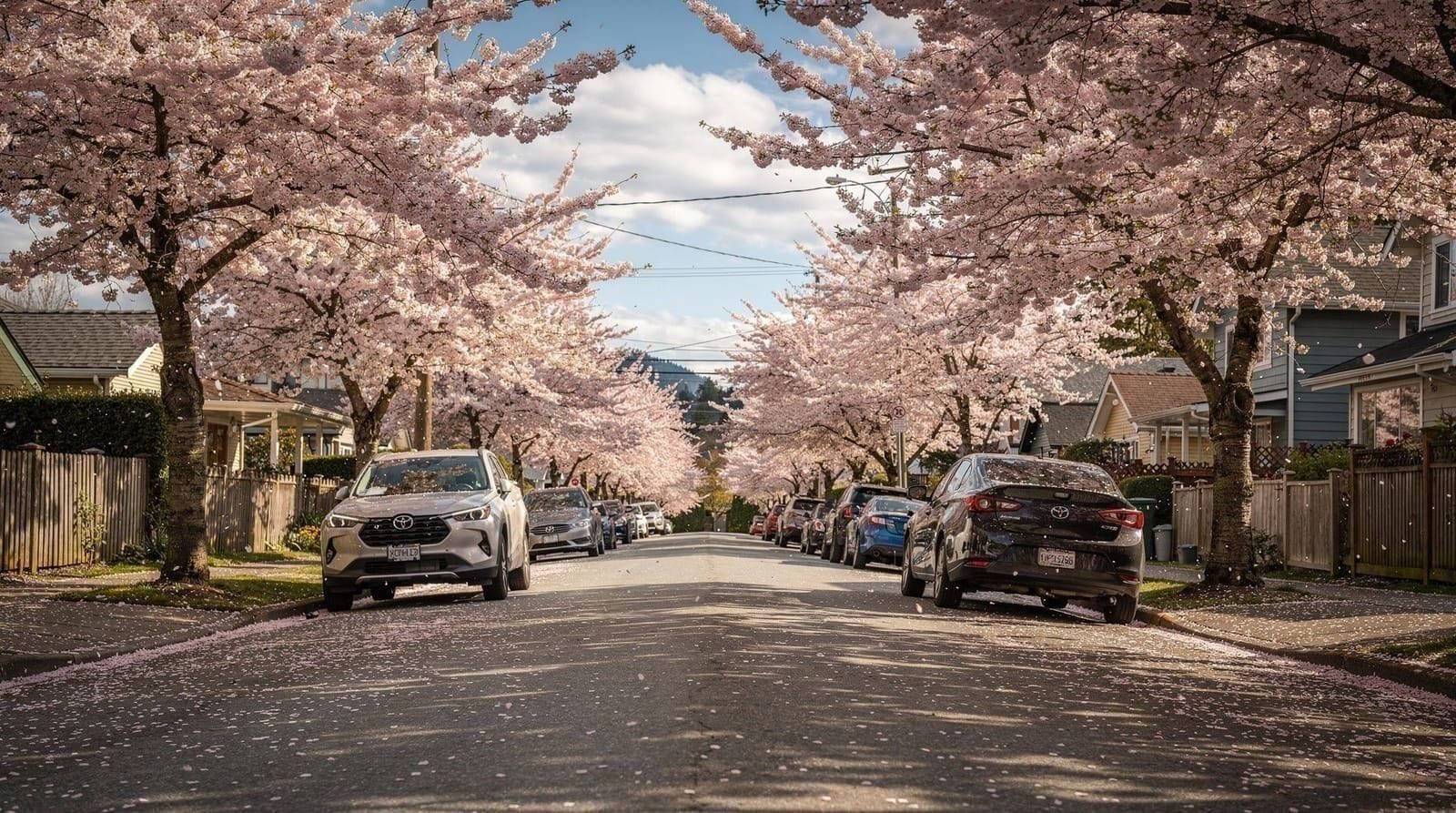
Spring is a mixed bag weather-wise but delivers cherry blossoms in early-to-mid April and the year’s best value in March, detailed in the spring guide. Winter is the wettest, greyest season in the city itself, redeemed almost entirely by Whistler’s ski season running through the same months — the winter guide covers how to structure a trip around that split.
Weather comparison across the year
Vancouver’s weather runs on a clear annual curve rather than sharp seasonal breaks. Rainfall is lowest in July (around 55mm across the entire month) and climbs steadily through fall before peaking in November through January at 150-200mm a month. Temperatures follow a similar smooth curve, from winter highs rarely above 8°C to summer highs of 22-25°C, with spring and fall each occupying a transitional 10-18°C range depending on the specific month.
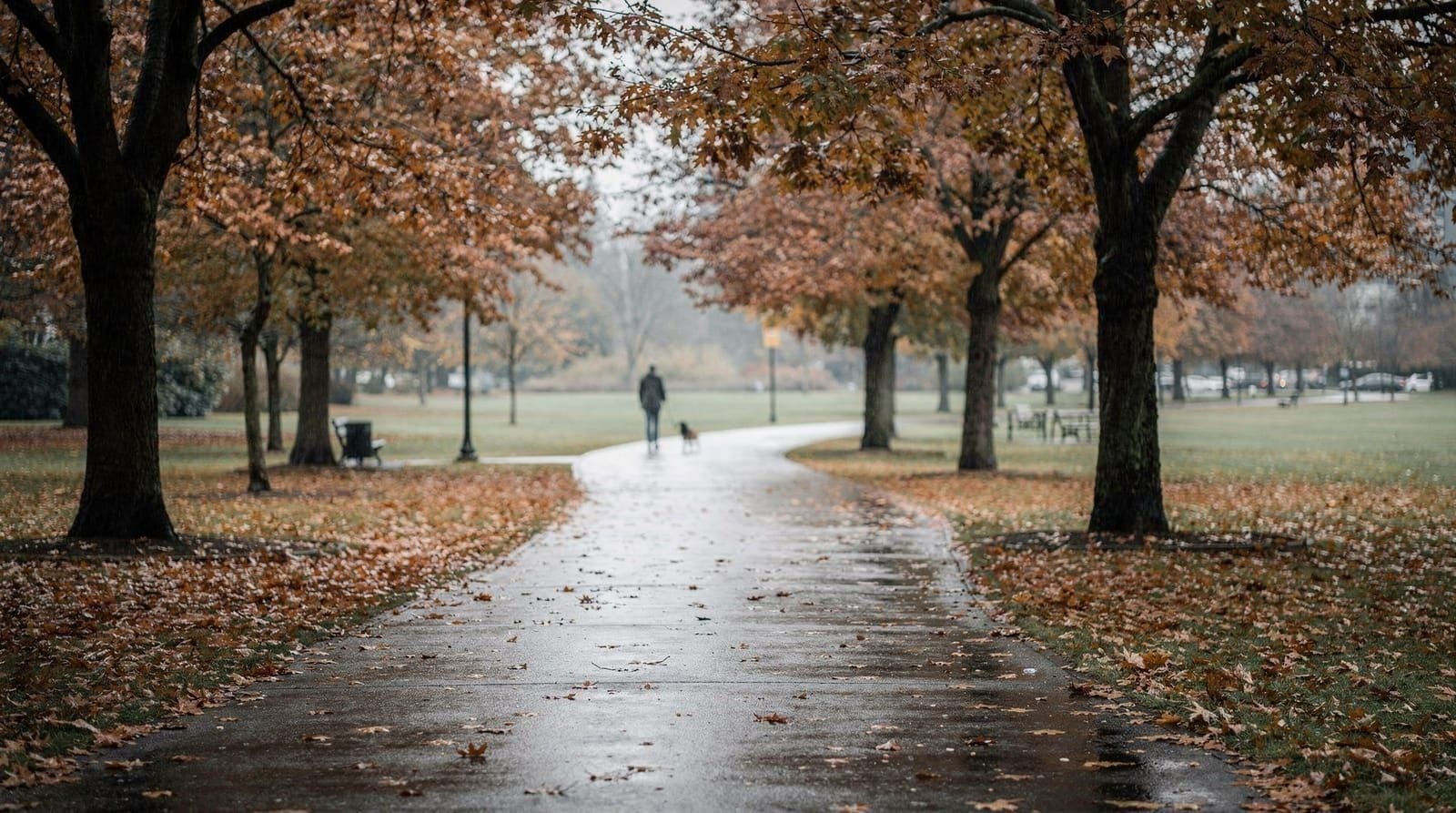
The practical takeaway is that any trip landing outside June-September should expect real rain probability on most days, while June-September (and often the first half of October) can reasonably plan around dry weather as the default. It’s worth noting that Vancouver’s winter rain rarely comes with the freezing temperatures that make wet weather genuinely unpleasant in colder climates — most winter days sit comfortably above freezing even during the heaviest rain, which is a small but real consolation for anyone planning a winter city visit.
Crowds and pricing by season
July and August carry the year’s highest hotel prices and the longest queues at popular attractions like Capilano Suspension Bridge and Grouse Mountain. September sees a sharp drop-off in both metrics almost immediately after Labour Day, continuing through October. Winter, outside the Christmas/New Year spike, holds the year’s lowest prices, particularly January and February.
Spring splits the difference — March is nearly as cheap as deep winter, while April and May climb steadily as cherry blossom season and improving weather draw more visitors. The is Vancouver expensive and budget guides go deeper into exact seasonal cost differences.
Matching the season to the goal
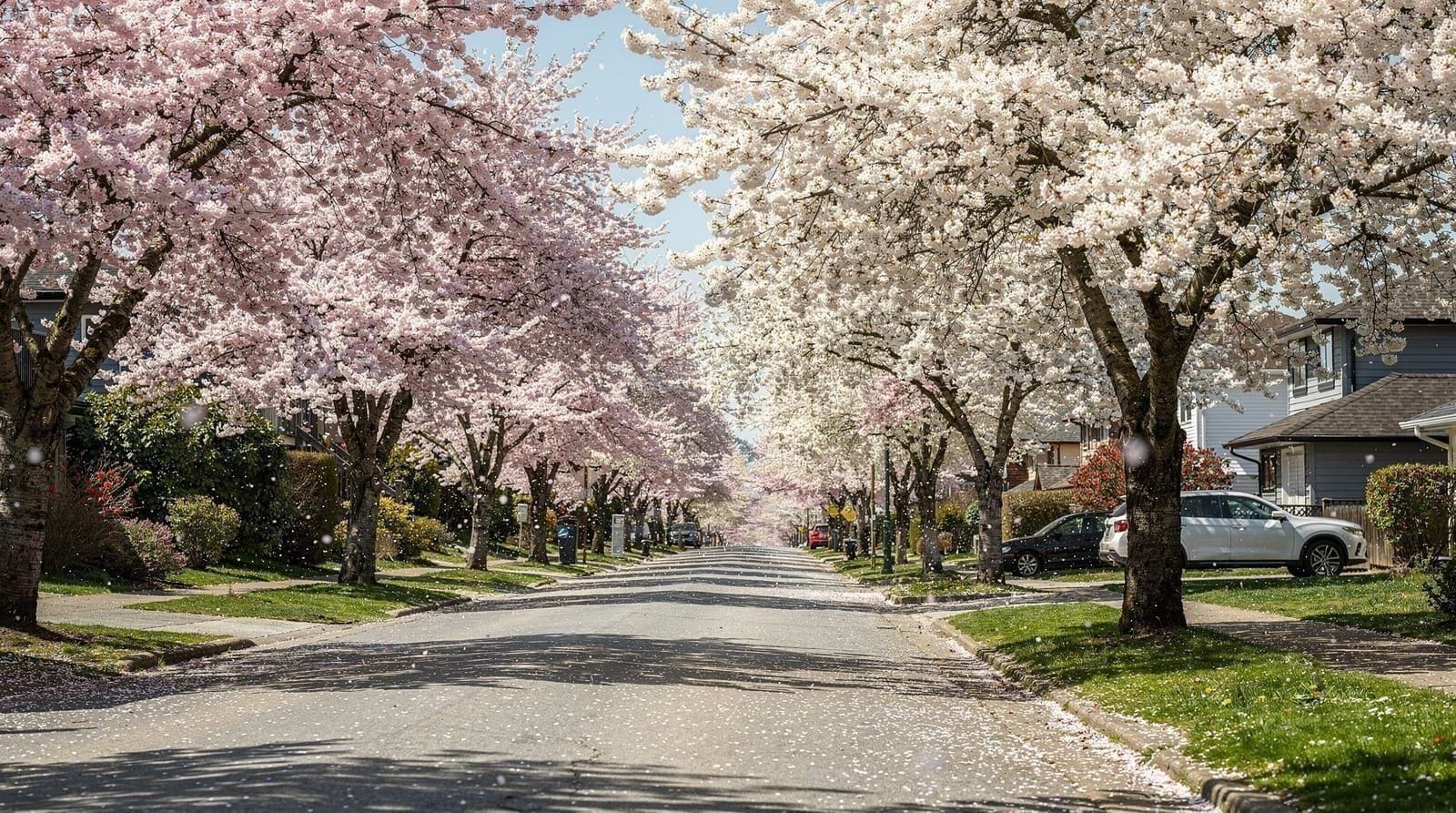
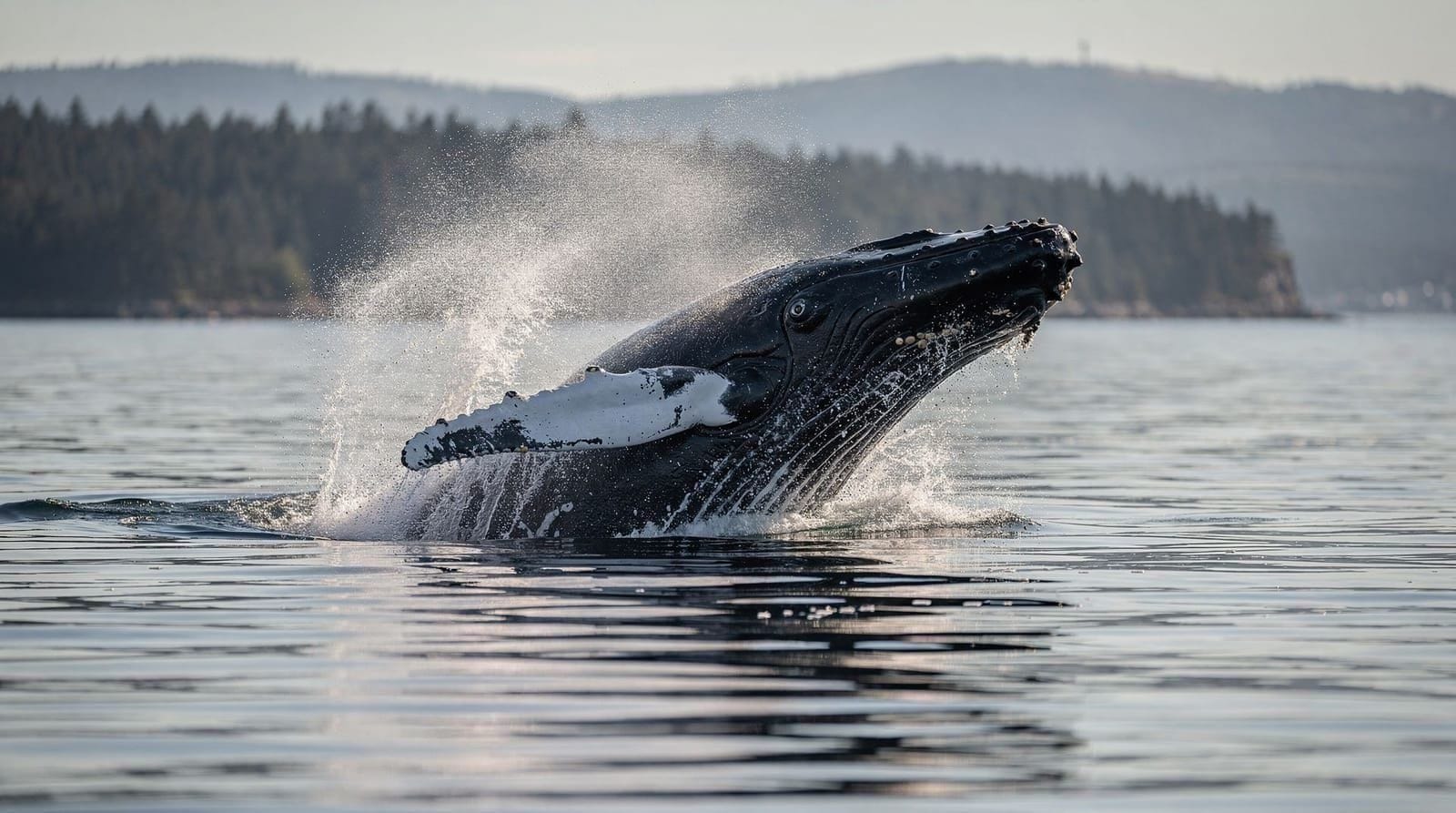
For whale watching specifically, April through October is the working window, with June through September as the strongest stretch and September offering the best combined odds for orcas and humpbacks together — the whale watching season guide covers this in full month-by-month detail. For cherry blossoms, early-to-mid April is the target, covered in the dedicated cherry blossom guide.
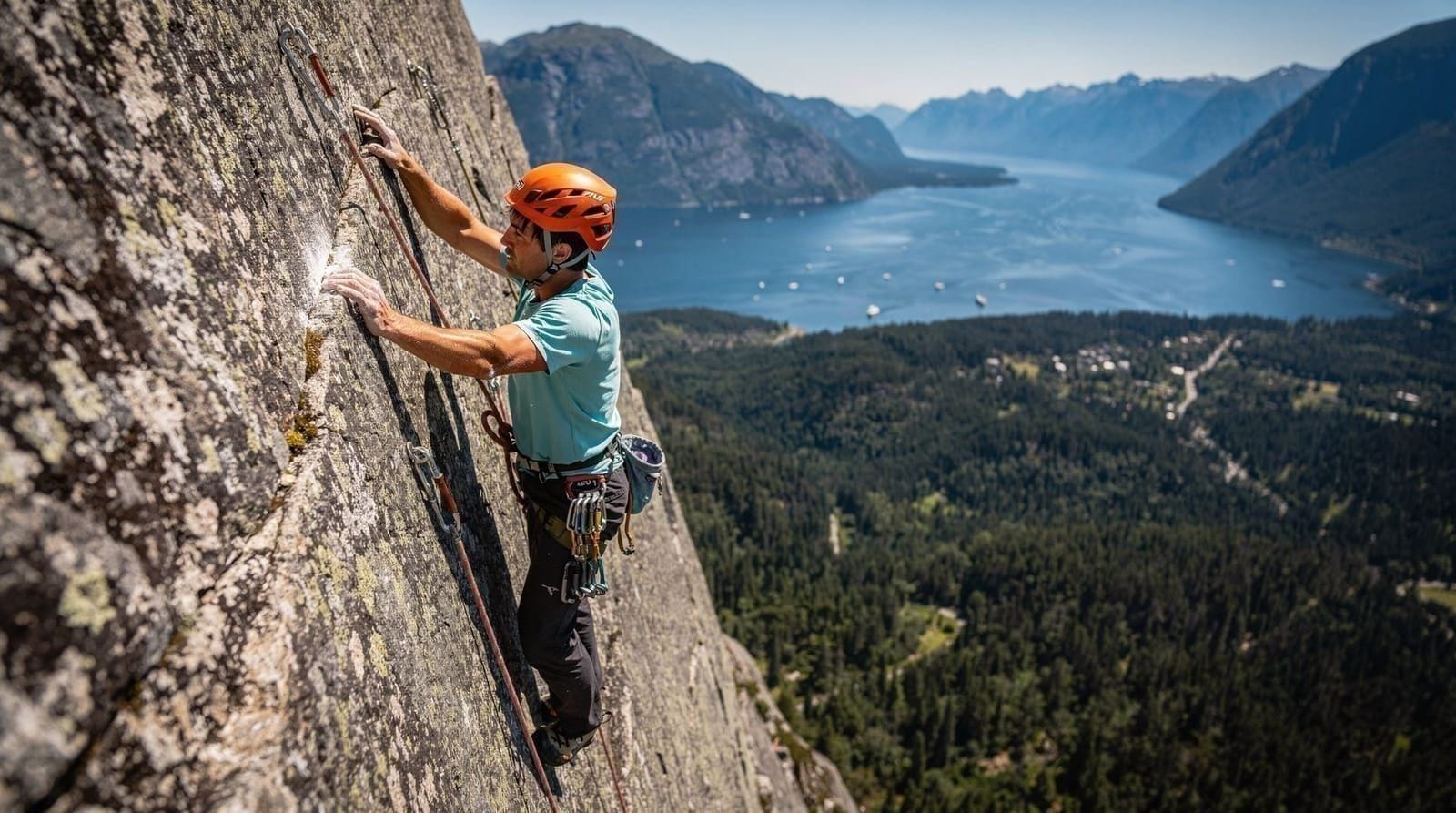
For Whistler skiing, late November through early May is the season, with January and February typically delivering the best snow conditions. For hiking, May through October covers most trail conditions, with September specifically standing out for combining dry trails, fall colors, and thin crowds. For festivals and events generally, the festivals guide maps the year’s calendar against each season.
For photography specifically, spring and fall offer the clearest air and most flattering light, since summer haze and winter’s low cloud ceiling both work against sharp mountain-backdrop shots — a detail covered in more depth within the individual seasonal guides but worth flagging here for travelers whose trip planning is photography-led rather than activity-led.
A first-timer’s default recommendation
For a first-time visitor with no specific goal beyond general sightseeing — Stanley Park, downtown neighborhoods, a day trip or two — the honest default recommendation is September. A Vancouver city highlights tour in September covers the same ground it would in July, at meaningfully lower cost and without July-August’s queues.
If whale watching is a priority within that trip, a whale and wildlife watching tour in September catches peak humpback season with a fraction of summer’s boat crowds. If the trip instead centers on a Whistler ski trip, the calculus flips entirely toward winter, and a full-day Whistler tour becomes the anchor of the visit rather than a side trip.
Comparing shoulder seasons: spring versus fall
Spring and fall are Vancouver’s two shoulder seasons, and travelers choosing between them are usually weighing cherry blossoms against whale watching and hiking conditions. Spring wins clearly for anyone specifically chasing the blossom season, but loses on whale watching depth, since sightings are only beginning to build through April and May rather than peaking. Fall, especially September, wins on whale watching, hiking trail condition, and overall weather reliability, but has no equivalent single-event draw to match cherry blossoms. Neither season carries summer’s crowd or price burden, and both sit well below summer on cost.
For travelers with genuinely flexible dates and no strong preference between the two signature draws, September has a slight edge purely on weather consistency — it’s closer to summer conditions than April typically is. Travelers who can only fit one shoulder-season trip and are undecided should also weigh how each pairs with a broader itinerary: April combines naturally with an early Whistler ski week if the season is still running, while September combines naturally with a Vancouver Island extension, since fall crowds ease across the whole region rather than just the city.
Family travel timing
Families are usually the least flexible group on timing, since school holidays dictate most of the calendar regardless of what the weather or crowd data suggests. Summer (July-August) and, to a lesser extent, BC’s own spring break in March remain the realistic windows for most families, even though both carry premium pricing and heavier crowds at family-oriented attractions like Science World and Grouse Mountain’s grizzly bear viewing.
Families with flexibility to travel during a shoulder-season school break, rather than the main summer holiday, get a meaningfully better crowd and price experience for the same core attractions. Winter break around Christmas and New Year is a workable third option for families specifically drawn to Whistler skiing, though it coincides with the single most expensive stretch of the Whistler calendar, so budget expectations should shift accordingly if that’s the chosen window.
Building a trip around a specific event
Travelers with a fixed reason to visit — a wedding, conference, or cruise departure — don’t always get to choose the season, and this guide’s seasonal breakdowns are still useful in that case for setting realistic expectations rather than picking dates. A November conference trip, for instance, should expect the rain guide’s indoor-first approach rather than planning an outdoor-heavy itinerary around it. A summer wedding trip should book hotels and any day-trip tours well in advance given the season’s demand. Matching expectations to the season that’s actually available avoids the disappointment of planning a beach-and-hiking trip into a November window that was never going to support it.
Day-trip destinations across the seasons
The region’s day-trip destinations don’t all run on the same calendar as the city, which matters when timing a trip that includes more than just downtown Vancouver. Whistler flips between two entirely different identities — ski resort from late November through early May, mountain-biking and hiking destination the rest of the year — so a Whistler day trip in October or early November can land in an awkward gap between the two seasons when neither program is running at full capacity.
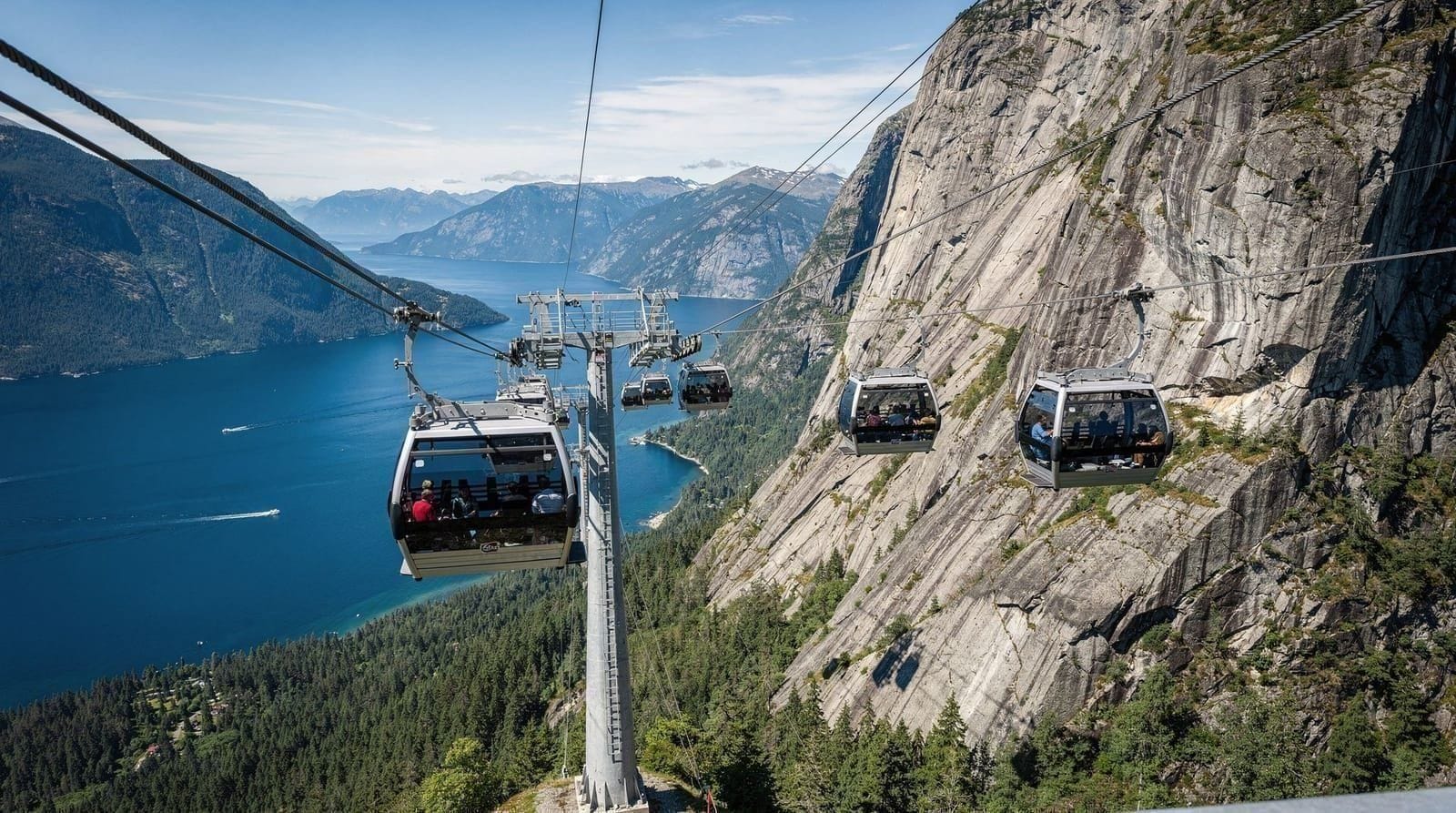
Victoria and Butchart Gardens stay open and worthwhile essentially year-round, though the gardens’ spring bulb displays and summer floral peak are the strongest visual payoff, and BC Ferries crossings get noticeably busier and worth pre-booking through July and August. Squamish and the Sea to Sky Gondola run best from late spring through fall, with winter adding snowshoeing as an alternative to summer hiking rather than closing entirely.
How the seasons affect a multi-region itinerary
Travelers combining Vancouver with Vancouver Island, the Okanagan, or a Whistler ski trip in a single visit need to account for how those regions’ seasons interact with the city’s own. A Vancouver Island 7-day itinerary works well essentially any time outside deep winter, since Tofino and Victoria don’t depend heavily on a narrow weather window the way whale watching or ski season do.
A Vancouver-Whistler 5-day itinerary makes most sense either fully in ski season (December-March) or fully in summer (June-August), since the shoulder months between those two programs offer a weaker version of both. Okanagan wine country, reached via a longer drive or flight, peaks for harvest season in September and October, which happens to align well with the city’s own strongest shoulder-season month.
Entry requirements and timing
Visa and eTA processing timelines are worth factoring into “when to visit” planning alongside weather, particularly for travelers from countries requiring a full visitor visa rather than the faster eTA process. EU citizens generally need a visitor visa applied for in advance, with processing often taking two to four weeks, while UK citizens can frequently use the faster eTA system, and US citizens need only a valid passport. None of this changes which season is “best,” but it does mean the ideal travel window should be chosen with enough lead time to complete whatever entry process applies, rather than settling on dates that don’t leave room for visa processing.
Common mistakes when picking travel dates
The most common mistake is defaulting to summer out of habit without checking whether the trip’s actual goals — whale watching, cherry blossoms, budget travel, skiing — are better served by a different season entirely. The second is under-researching how narrow some of Vancouver’s signature seasonal windows really are; cherry blossom peak lasts roughly ten days, and a trip planned around “spring” broadly, without checking the specific bloom window, risks missing it by weeks in either direction.
The third is ignoring how differently the region’s day-trip destinations behave across seasons, leading to a Whistler add-on booked in a month when the mountain is between its ski and summer programs, or a Victoria day trip planned around a summer weekend without accounting for ferry demand.
What tourism marketing gets wrong about “best time”
Most general travel guides default to a blanket “May through September” recommendation for Vancouver, which isn’t wrong exactly but glosses over real differences within that five-month window that matter for planning. May is still meaningfully cooler and wetter than the June-September core, and treating it identically to July risks under-packing for rain or overestimating how many outdoor activities will run smoothly.
The broader issue with generic “best time” advice is that it optimizes for the average traveler with no specific priorities, when in practice almost every visitor to Vancouver has at least one goal — whale watching, cherry blossoms, budget, skiing, or simply guaranteed sunshine — that points toward a narrower and more specific window than the generic five-month answer suggests.
A season-by-season cost snapshot
Putting rough numbers on the seasonal cost swing helps make the trade-offs concrete. A mid-range trip — hotel, food, one or two paid activities per day — commonly runs toward the upper half or above the CAD 150-250 per person daily benchmark in July and August, drops into the middle of that range through May, September, and October, and falls toward or below the lower end in January, February, and March outside the Christmas/New Year spike.
Whistler runs its own separate seasonal price curve entirely disconnected from the city’s, peaking hard around the December holidays and staying elevated through February’s best snow, then dropping sharply once ski season ends in spring. Attractions with flat year-round pricing — Capilano, Grouse Mountain, most GetYourGuide-bookable tours — don’t change cost by season, so the bulk of the seasonal savings in shoulder and off-peak months comes specifically from accommodation rather than activities.
What locals actually plan around
Locals in Vancouver tend to organize their own year less around calendar seasons and more around a handful of specific markers: the first genuinely dry, warm weekend of spring (usually landing somewhere in April or May), the start of patio season, the opening of ski lifts at Whistler and the North Shore mountains, and the first heavy rain of fall signaling the return of the wet season. Visitors can use these same markers as a rough mental model — rather than asking “is October good,” ask whether a trip is landing before or after that year’s rain has properly set in, which is a more useful question than the calendar date alone can answer given how much year-to-year variation exists in exactly when each seasonal shift happens.
The bottom line
If only one month can be picked with no other constraints, September is the strongest all-around answer — it captures most of summer’s weather reliability while avoiding its worst crowding and pricing, and it lines up with the year’s best whale watching. April is the right answer specifically for cherry blossoms, and January-February for Whistler’s best ski conditions combined with the city’s lowest prices and Dine Out Vancouver.
Every other month works reasonably well for some subset of goals — March for budget travel and quiet streets, June for the balance of long daylight and easing spring rain, October’s first half for fall colors and shoulder pricing before the deep-wet season sets in, November for the rare traveler prioritizing rock-bottom prices over weather entirely — and less well for others — the seasonal guides linked throughout this page cover each window in enough detail to match a specific trip’s priorities against the calendar rather than defaulting to “summer” by habit alone.
Once a season is chosen, the itinerary length guide and 3-day plan help translate that seasonal choice into an actual day-by-day schedule.
And if the timing genuinely can’t be optimized around any of this — a fixed work trip, a family commitment, a set of flight points about to expire — every season covered in this guide still supports a worthwhile trip; it simply means adjusting expectations and leaning on whichever activities that specific window supports best rather than forcing an itinerary built for a different time of year.
Does it really snow in Vancouver?
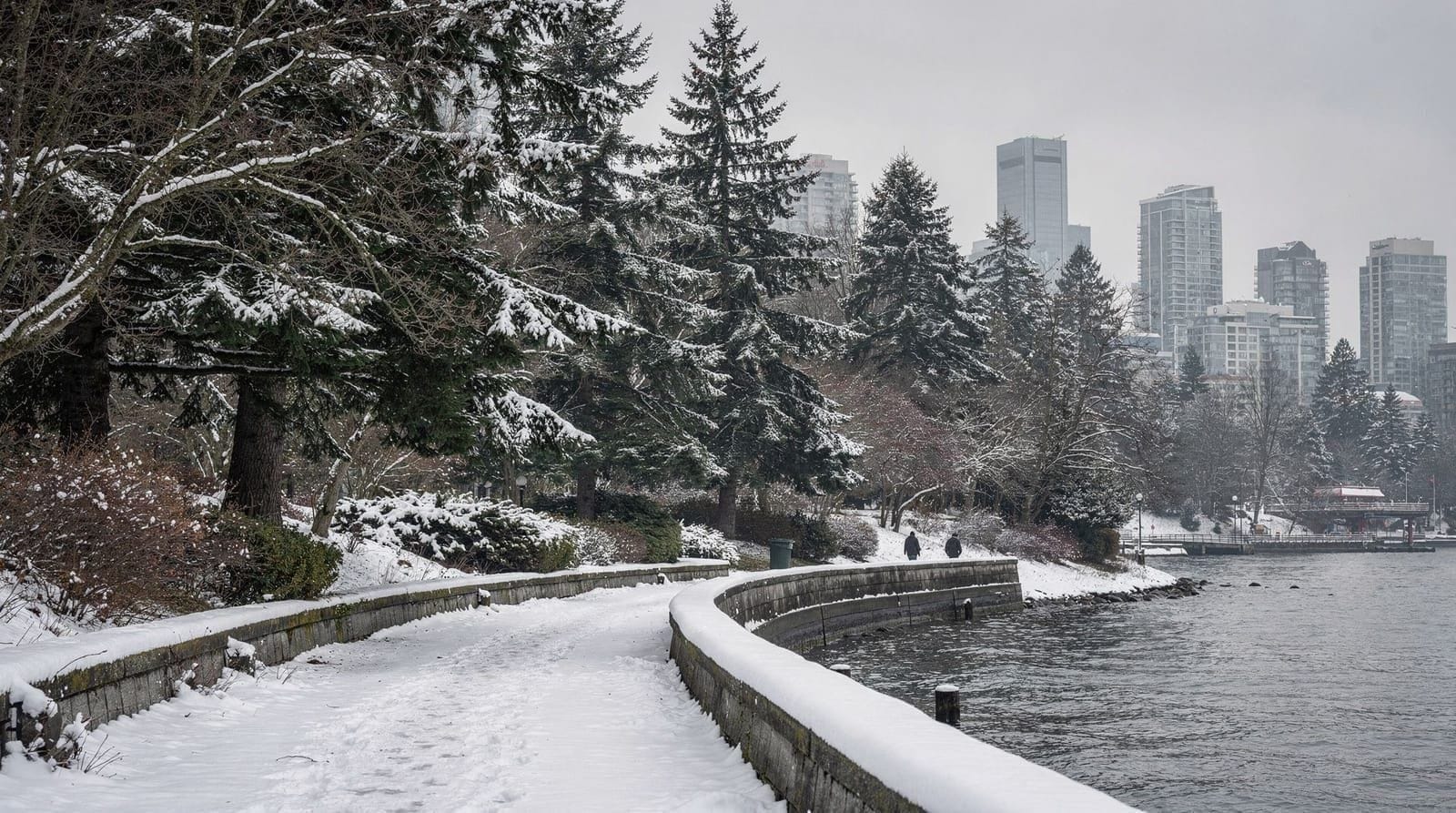
Not reliably, and rarely more than a handful of days each winter — Vancouver’s coastal location keeps the city itself far milder than its northern latitude and mountain backdrop might suggest. Snow that does fall in the city typically doesn’t stick for more than a day or two before turning to rain, and locals treat even a modest snowfall as a minor citywide disruption given how infrequently the city needs to prepare for it. This is worth knowing for travelers picturing a snowy Vancouver winter based on Whistler’s ski season an hour and a half up the highway — the two climates are genuinely different, separated by elevation, and a winter city visit should be planned around rain gear rather than snow boots.
How this guide’s recommendation holds up against a booked tour
A Vancouver city highlights tour runs essentially the same route regardless of season, which makes it a useful test case for how much the “best time” question actually matters for a given activity — city sightseeing tours are among the least seasonally sensitive things to book, since most of the route is downtown, indoors or short outdoor stops.
Weather-dependent activities like whale watching or Whistler skiing are the opposite extreme, where the seasonal window genuinely determines whether the trip succeeds. Sorting a planned itinerary into these two categories — season-flexible versus season-critical — is a useful exercise before finalizing travel dates, since it clarifies which parts of a trip can shift freely and which can’t.
A traveler’s checklist for picking the right window
For anyone still undecided, working through a short checklist tends to land on the right season faster than reading every seasonal guide in full. First, is there a fixed, non-negotiable goal — cherry blossoms, whale watching, Whistler skiing — that only exists in a specific window? If yes, that goal should override every other consideration. Second, are travel dates fixed by school holidays or work constraints?
If yes, treat the seasonal guides as expectation-setting rather than date-choosing tools. Third, if dates are genuinely flexible and there’s no single fixed goal, September remains the strongest default, balancing weather, crowds and price better than any other single month. Running through these three questions in order, rather than starting from a generic “when should I go” search, is the fastest path to a season that actually fits the trip being planned.
Frequently asked questions — Best time to visit Vancouver
What is the single best month to visit Vancouver?
September is the strongest all-around answer for most travelers — near-summer temperatures, meaningfully lower crowds and prices than July-August, and peak humpback whale season. It's not the objectively "best" month for every goal (April wins for cherry blossoms, January for ski conditions and Dine Out Vancouver), but as a single default recommendation, September has the fewest trade-offs.What is the worst time to visit Vancouver?
November is the toughest month for a city-focused trip — it has the wet season's rainfall without either summer's reliability or winter's ski-season payoff, since Whistler's season is only just opening and conditions are inconsistent. If a trip must land in November, leaning heavily on indoor attractions and treating any clear day as a bonus is the realistic approach.Is it better to visit Vancouver in summer or shoulder season?
Summer guarantees good weather but comes with peak prices and crowds; shoulder season (May, September) trades a small amount of weather certainty for meaningfully better value and thinner crowds. For travelers with flexible dates, September in particular gives up very little weather-wise compared to summer while costing noticeably less — for travelers locked into school-holiday dates, summer's certainty is usually worth the premium.When should I visit Vancouver to see whales?
Whale watching season runs April through October, with resident and transient orcas peaking late June through early September and humpback whales peaking August through September. September offers the best combined odds for both species with fewer crowds than peak summer — full detail in the dedicated whale watching season guide.When should I visit Vancouver for cherry blossoms?
Peak bloom typically falls between April 5 and April 15, though the window shifts year to year. The Vancouver Cherry Blossom Festival runs late March through mid-April to cover the full staggered bloom across different neighborhoods and tree varieties — see the dedicated cherry blossom guide for neighborhood-by-neighborhood timing.Is winter worth visiting Vancouver for if I don't ski?
It's the weakest case of the four seasons for non-skiers. The city itself is wet, grey, and best suited to indoor attractions, and without a Whistler ski trip built in, winter loses to every other season on almost every metric except price. Non-skiers who still want a winter visit should lean on Dine Out Vancouver in January, the Christmas Market in December, and treat outdoor sightseeing as a bonus rather than the plan.How does Vancouver's weather compare across the four seasons?
Summer (June-August) is dry and warm, roughly 20-25°C with minimal rain, especially in July. Winter (November-February) is the wettest, 150-200mm of rain a month, with mild temperatures rarely below freezing. Spring and fall are transitional, with spring's rain tapering through April-May and fall's rain building through September-October — September itself is closer to summer conditions than either spring or winter.What month has the best value for a Vancouver trip overall?
March offers the strongest value-for-experience trade-off outside deep winter — prices are nearly as low as January-February, crowds are minimal, and the weather is beginning to improve, even if it's still meaningfully wetter than summer. Travelers prioritizing price above all else should look at January-February instead, accepting the wettest, greyest stretch of the year in exchange for the lowest cost.Does Vancouver get snow in the city itself?
Occasionally, but it's not reliable and rarely sticks for more than a few days — most winters bring only a handful of snow events to the city proper, since Vancouver's coastal climate keeps temperatures mild even in the wettest months. Snow is a Whistler and North Shore mountain phenomenon far more than a downtown Vancouver one.
Top experiences
Bookable activities with verified prices and instant confirmation on GetYourGuide.