English Bay
Vancouver: Mosquito Creek and English Bay Sailboat Cruise
What is English Bay known for?
English Bay is a sandy beach and waterfront strip in Vancouver's West End, known as the city's best sunset-watching spot, home to the Inukshuk statue and the annual Celebration of Light fireworks festival, and the traditional New Year's Day Polar Bear Swim location.
English Bay sits at the western edge of downtown Vancouver, where the West End’s residential streets end at a sandy, west-facing beach — and that orientation is the whole point. Unlike most of Vancouver’s other waterfront spots, English Bay looks directly out over open water toward the setting sun, which makes it the city’s most reliable and most photographed sunset location, and a genuinely pleasant beach in its own right for the rest of the day.
| Where | West End, western edge of downtown Vancouver |
| Cost | Free — beach, promenade and sunset viewing |
| Time needed | 90 min–2 hrs for a sunset visit; longer combined with Stanley Park |
| Best time | Summer evenings for sunset; any season for a quieter walk |
| Getting there | 10-20 min walk from downtown hotels, or bus along Denman/Davie |
Where the name comes from
English Bay takes its name from a survey conducted by Captain George Vancouver during his 1792 expedition charting the Pacific Northwest coast, distinguishing British-explored waters from the Spanish-explored areas nearby (a companion body of water further along the coast still carries a Spanish name from the same era of overlapping European exploration). The beach itself has been a public gathering spot since the late 1800s, and it was one of Vancouver’s first officially designated public bathing beaches, reflecting just how long the West End has centered its identity around this stretch of waterfront.
How English Bay fits into the West End’s identity
The West End neighborhood surrounding English Bay is one of the most densely populated residential areas in Canada, and the beach functions as its de facto backyard — a role that shapes how the space feels compared to a more purely tourist-oriented waterfront elsewhere in the city. That density also means the West End has a strong walkable café and restaurant culture supporting daily life for residents, which spills over into genuinely good options for visitors staying in the area or passing through after a beach visit.
The beach itself
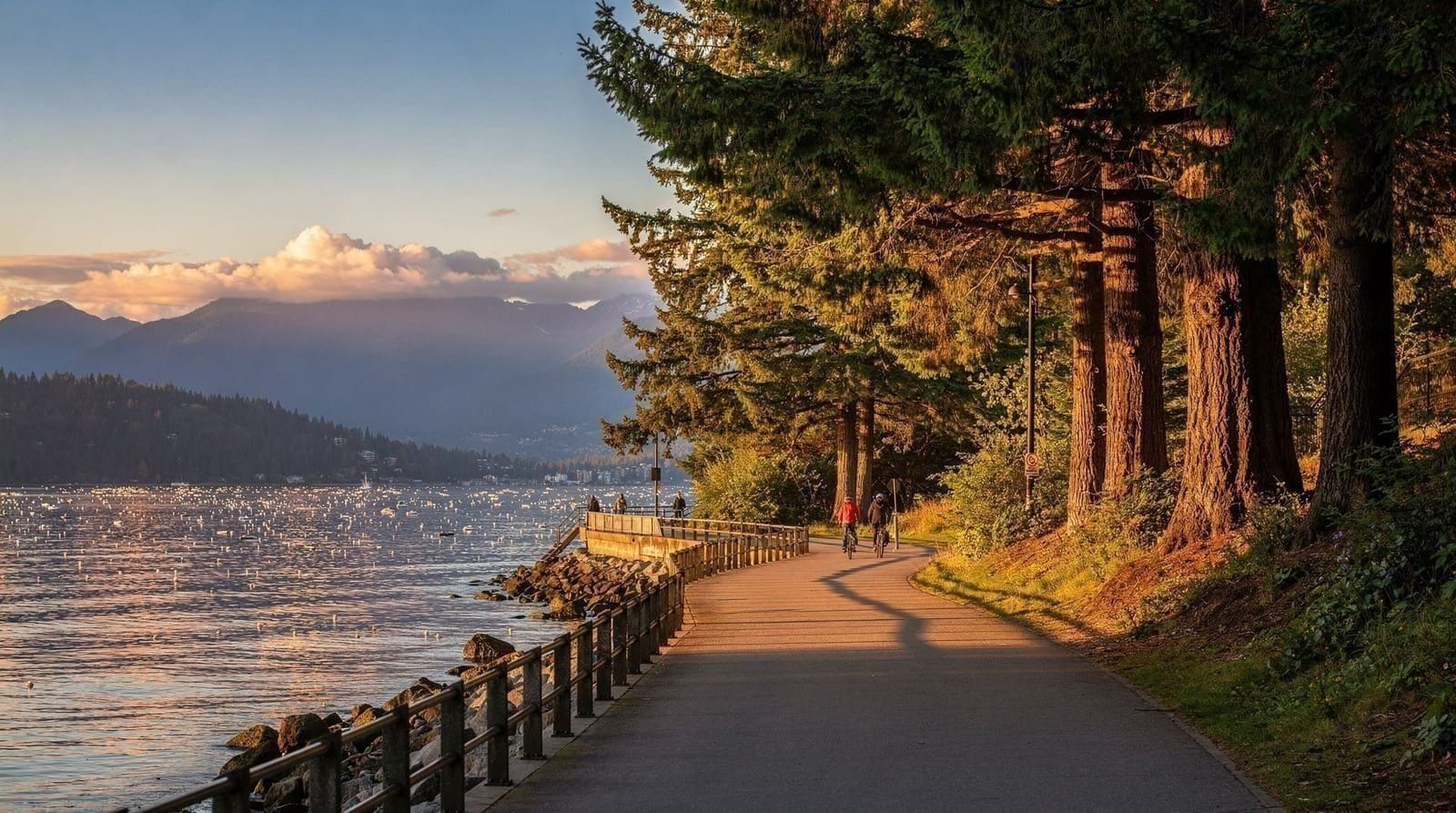
English Bay Beach is a lifeguarded sandy stretch running along Beach Avenue, generally calmer than the open-ocean beaches further out on the peninsula, and busy with swimmers, paddleboarders and sunbathers through the summer months. Water temperatures stay cool year-round, rarely climbing much past the mid-teens Celsius even at the height of summer, which doesn’t stop locals from swimming but is worth knowing before jumping in expecting warm-water conditions. A beachside promenade runs the length of the bay, popular for walking, jogging and cycling, and connects directly into the southern entrance of Stanley Park at its northern end.
The Inukshuk and other landmarks
The beach’s most photographed feature is a large stone inukshuk — a traditional Inuit stone landmark, built as a human figure from stacked rocks — installed as a legacy piece from the 1986 World Exposition and later adopted more broadly as a symbol associated with the city (it also appeared on the 2010 Winter Olympics logo). At sunset, the inukshuk’s silhouette against the water is one of the more consistently reproduced Vancouver photos, and it’s worth timing a visit around golden hour if photography is part of the plan.
Public art along the promenade
Beyond the inukshuk, the promenade running along English Bay hosts a scattering of public art pieces worth noticing on an unhurried walk — smaller sculptures and installations that change periodically as the city rotates its public art program through different waterfront locations. It’s worth a slow walk rather than a direct beeline to the inukshuk and back, since the full promenade stretch has more visual interest than the single most-photographed landmark alone suggests.
Watching the sunset
English Bay’s west-facing orientation makes it the most dependable sunset viewpoint in the downtown core, especially through the long summer evenings when sunset stretches toward 9pm and the beach fills with a mix of locals and visitors settling in on the sand or the grass just above it. A guided sunset tour covering English Bay alongside other West End and downtown viewpoints is a reasonable option for visitors who’d rather have a route planned than wander independently, though the beach itself requires no guide to enjoy — arriving 45-60 minutes before sunset and finding a spot on the sand or seawall covers most of what the tour adds.
On the water
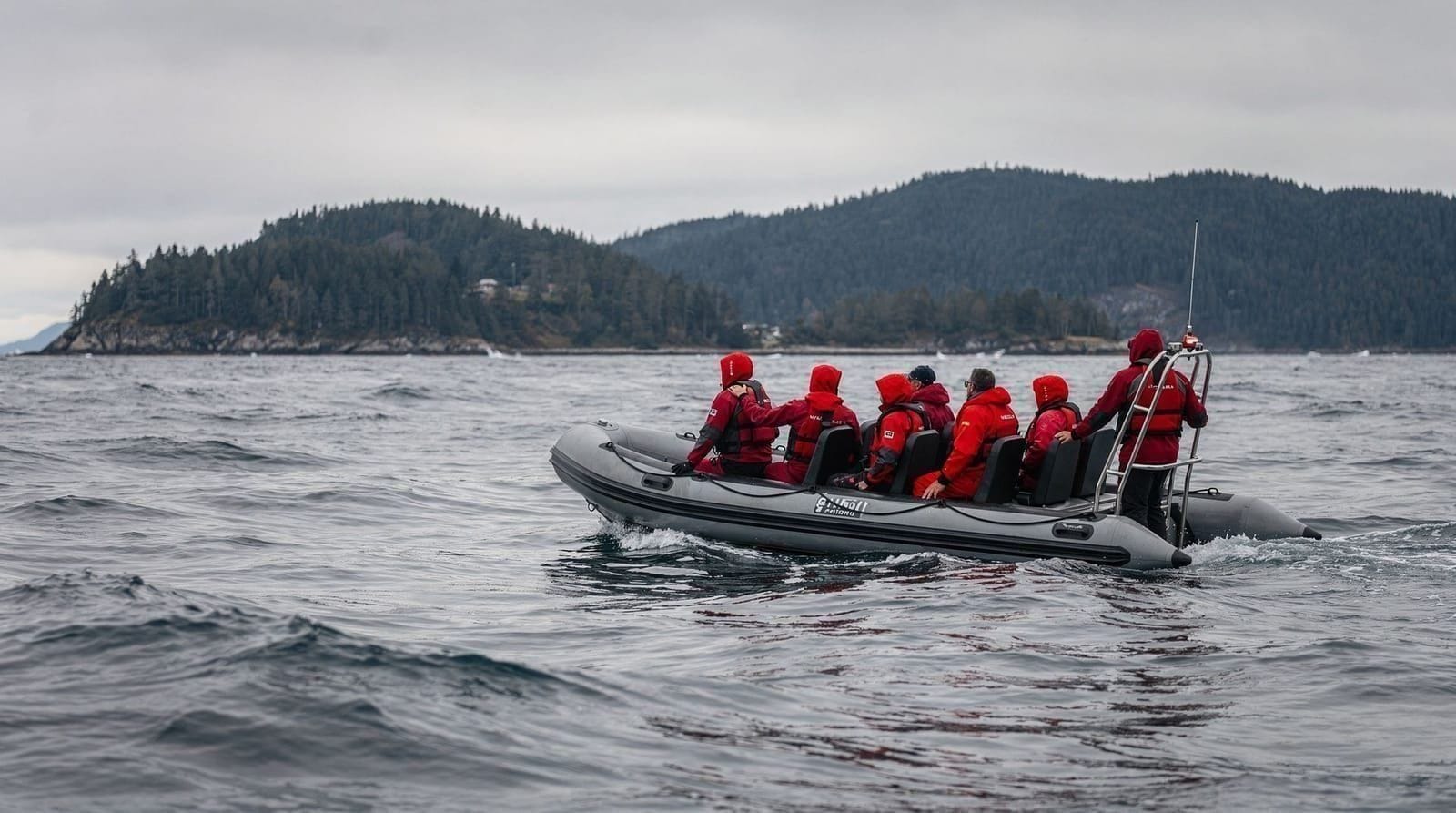
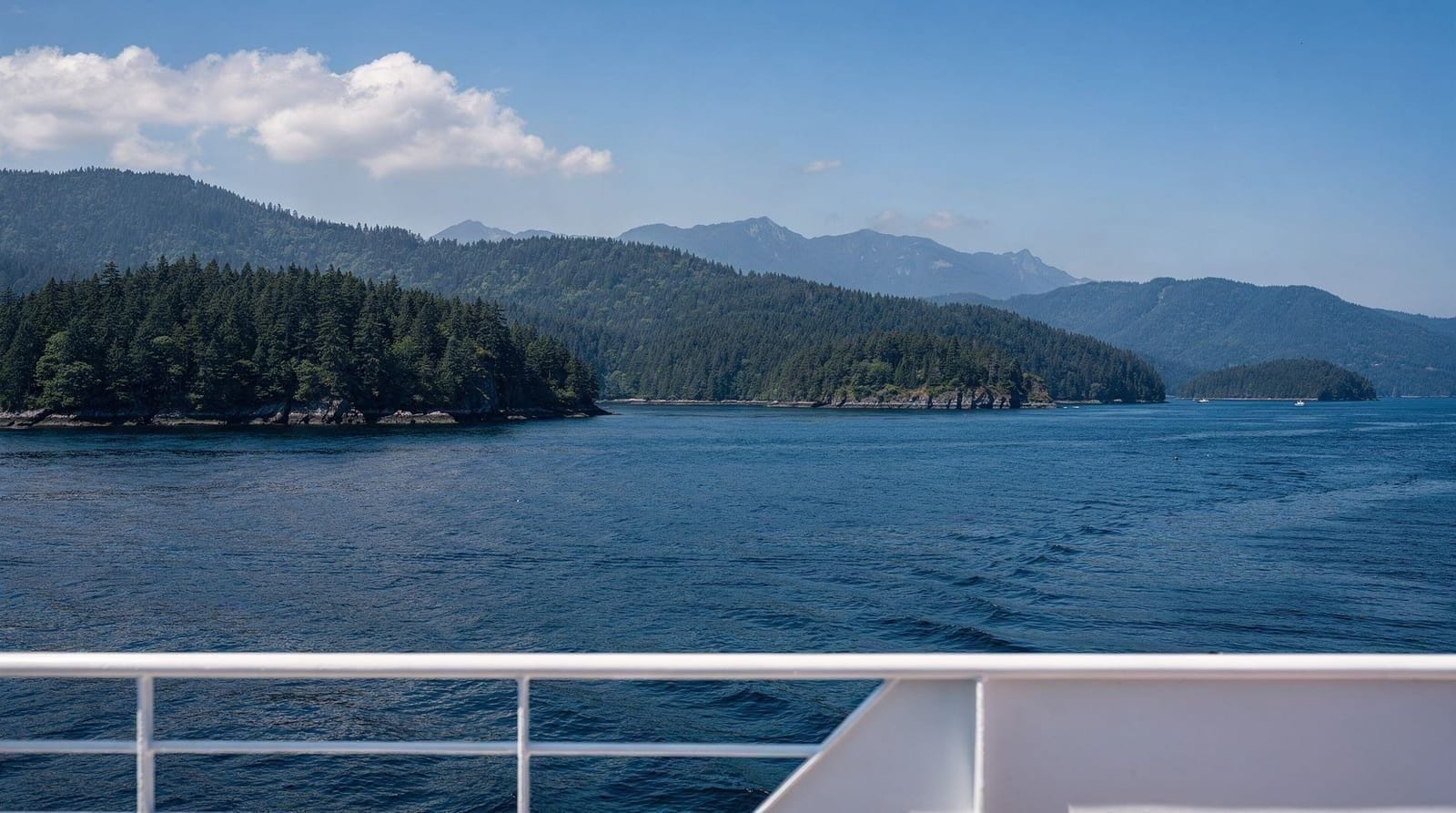
For a different perspective on the bay itself, a Mosquito Creek and English Bay sailboat cruise gets out onto the water for views back toward the West End skyline and the North Shore mountains beyond, a genuinely different experience than watching from the sand. It’s a good option for visitors who’ve already spent time on the beach itself and want to see the same stretch of coastline from a new angle.
Sunrise as an alternative to sunset
Because English Bay faces west, sunrise doesn’t deliver the same direct light show that sunset does, but an early morning visit has its own distinct appeal — near-empty sand, calm water, and a soft, even light better suited to a quiet walk than a dramatic photograph. It’s a reasonable alternative for visitors on a schedule that doesn’t allow for an evening return trip, or simply for anyone who prefers a quieter version of the same stretch of beach.
The Celebration of Light
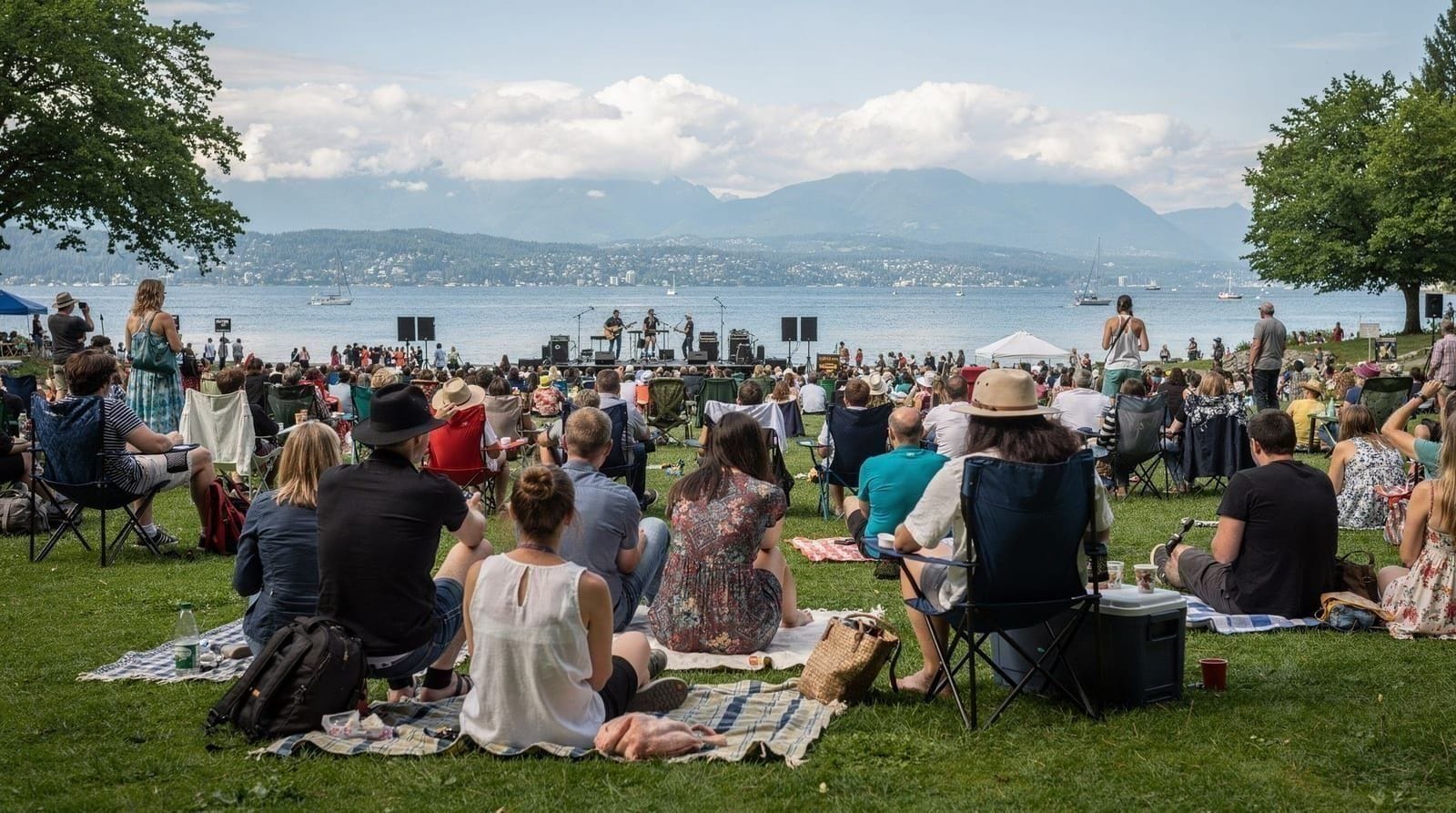
English Bay hosts Vancouver’s Celebration of Light, an annual fireworks competition held over several nights in late July, drawing enormous crowds to the beach and surrounding West End streets — genuinely one of the city’s biggest annual summer events, and worth planning around if your trip overlaps with it, either to attend deliberately or to avoid the area’s peak congestion if fireworks aren’t your priority. Beyond the festival, the beach and surrounding West End host smaller seasonal events throughout the year; see the Vancouver festivals guide for a fuller annual calendar.
Sunbathing and lawn space above the beach
Beyond the sand itself, a grassy strip running along the top of the beach offers an alternative to sitting directly on sand — popular with locals for picnics, casual sports and simply lounging, and it tends to be less crowded than the sand during the absolute peak of a hot summer afternoon. It’s also a reasonable fallback spot for a sunset view if the beach itself is packed, since the elevation gain is minimal and the sightline to the water remains largely unobstructed.
The Polar Bear Swim
On New Year’s Day, English Bay hosts Vancouver’s Polar Bear Swim, a long-running tradition where thousands of participants run into the cold January water together — a genuinely fun spectator event even for visitors with no intention of joining in, drawing a large, festive crowd to the beach in the middle of winter.
Photography tips for English Bay
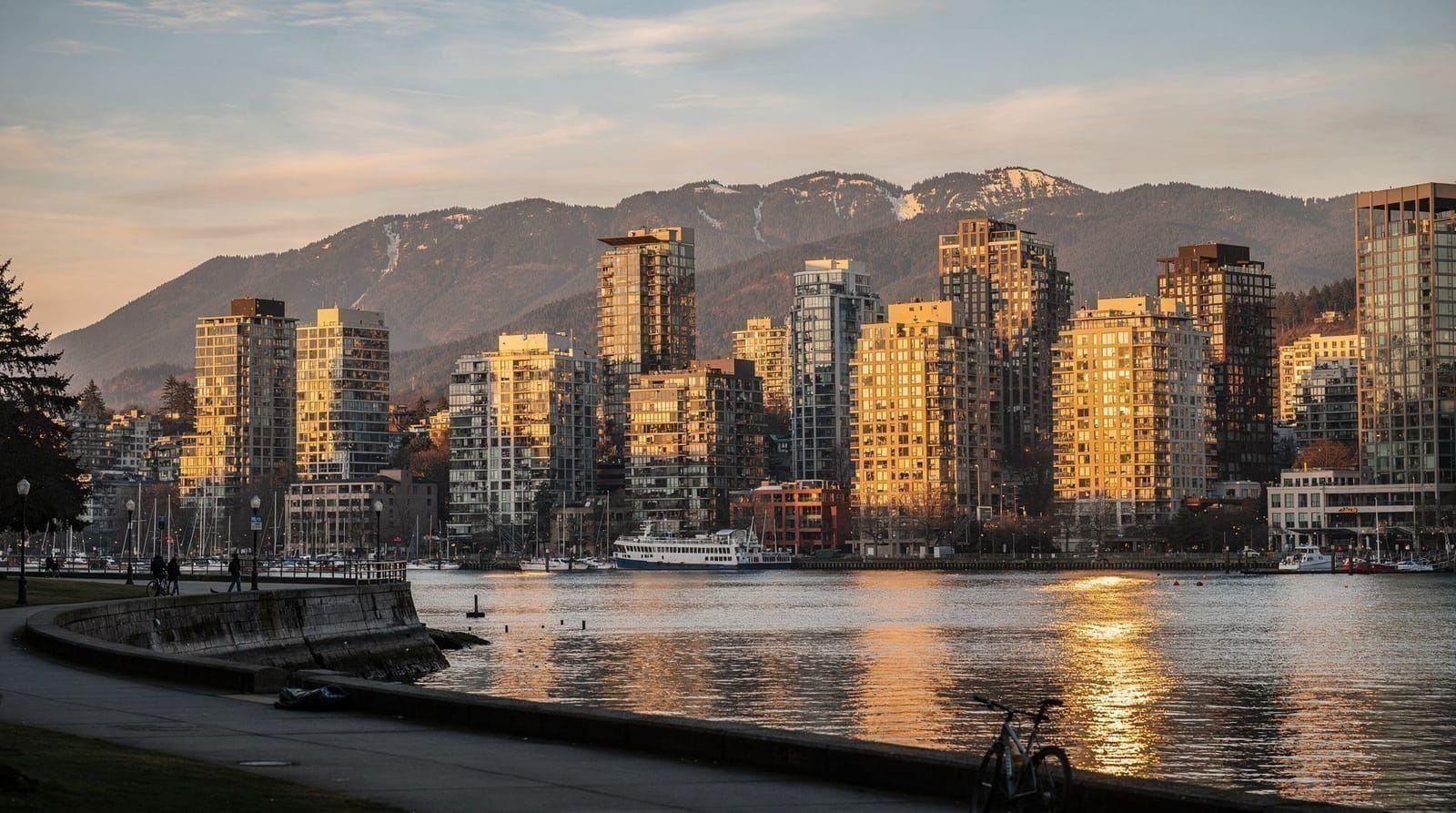
Beyond the obvious sunset shot with the inukshuk in frame, a few other compositions are worth seeking out. Shooting from further along the seawall toward the West End’s residential towers captures a distinctly Vancouver juxtaposition of dense urban skyline against open beach and water, a contrast that doesn’t exist in quite the same way at Vancouver’s other beaches. On clear winter days, the North Shore mountains, often snow-capped, are visible across the water from the beach, offering a very different backdrop than the pure sunset shot most visitors capture in summer. A wide-angle lens helps capture the full sweep of the bay; a longer lens works well for isolating the inukshuk against the water and setting sun specifically.
Nearby activities beyond the beach
The West End surrounding English Bay is worth exploring beyond just the beachfront itself — it’s one of Vancouver’s most densely residential downtown neighborhoods, with a genuinely different character from the office towers of the financial district or the tourist-oriented streets of Gastown. A short walk inland from the beach reveals tree-lined residential streets, small parks, and a community feel that surprises visitors who assume all of downtown Vancouver is high-rise commercial space. It’s a pleasant area to wander without a fixed destination, particularly in the hour before a planned sunset visit to the beach itself.
A realistic time budget
A focused sunset visit — arriving with enough buffer to find a good spot, watching the sunset itself, and a short walk along the promenade afterward — takes about 90 minutes to 2 hours. Combining it with a full Stanley Park visit beforehand extends the outing to a half-day or more, depending on how much of the park is covered first. A standalone daytime beach visit, with swimming or just relaxing on the sand, can run anywhere from an hour to a full afternoon depending on how much time is available and how much the weather cooperates.
Food and cafés nearby
Denman Street, running inland from the beach through the West End, holds a dense strip of casual restaurants, cafés and takeout spots, part of the wider Vancouver coffee culture scene, making it easy to grab something to eat before or after a beach visit without straying far. It’s a more low-key, local-feeling stretch than Gastown or Granville Island, worth knowing about for visitors staying in the West End who want a neighborhood dinner option rather than a destination restaurant.
Common mistakes visitors make
The most frequent misstep is showing up right at the moment of sunset itself and finding the best spots on the sand or seawall already taken — arriving 45-60 minutes early secures a better vantage point and lets you watch the light change gradually rather than just catching the final few minutes.
A second mistake is expecting warm swimming water simply because it’s a sunny summer day; ocean temperatures here stay cool regardless of air temperature, which surprises visitors used to warmer swimming destinations. Third, some visitors treat English Bay purely as a photo stop and skip the beach experience itself — even a short barefoot walk on the sand or a seawall bench for twenty minutes adds something a quick photo-and-leave visit misses entirely.
Accessibility notes
The beachfront promenade and seawall sections around English Bay are paved and wheelchair accessible, including beach-access points with matting in some areas during summer to ease wheelchair access onto the sand itself. Accessible parking and public restrooms are available near the beach’s main access points along Beach Avenue.
Getting there
English Bay is a 10-20 minute walk from most downtown hotels through the West End, or a short bus ride along Denman or Davie streets. It also connects directly to the southern entrance of Stanley Park’s seawall, making it an easy add-on to a Stanley Park visit — many visitors end a seawall bike loop or walk here specifically to catch the sunset before heading to dinner.
When to visit
Summer evenings offer the best combination of warm air and late sunset for a relaxed beach visit, though the beach and promenade are worth a walk at any time of year — even a grey winter afternoon has its own quiet appeal, with far fewer people and a moodier version of the same water views. Weekday evenings in summer are noticeably less crowded than weekends, particularly around the Celebration of Light dates in late July.
What locals think of English Bay
For Vancouverites, English Bay is a genuine year-round neighborhood beach rather than a purely seasonal tourist stop — West End residents use the promenade for daily walks and runs regardless of season, and the beach itself sees local use well beyond the peak summer months, just with fewer people actually swimming once the weather cools.
Locals are more likely to time a visit around a specific event (the Celebration of Light, the Polar Bear Swim) or simply build it into a regular routine rather than treating a single sunset visit as a special occasion the way a visitor typically does. That said, locals generally agree with the standard visitor advice on sunset timing — arriving well before the actual sunset moment to claim a good spot is common wisdom regardless of how many times someone has done it before.
A short walking route from Stanley Park
For visitors combining English Bay with a Stanley Park visit, a natural route continues south along the seawall from the park’s West End entrance, passing through a stretch of beachfront parkland before reaching English Bay Beach proper — about a 15-20 minute walk at an easy pace, entirely flat and scenic throughout. This makes it simple to end a Stanley Park bike ride or walk with a beach stop rather than treating the two as entirely separate outings requiring their own transit legs.
Weather and seasonal considerations
English Bay’s appeal shifts considerably with the seasons. Summer brings warm air, long daylight and the beach’s busiest crowds, particularly around the Celebration of Light in late July. Fall offers a quieter, still-pleasant beach with dramatically fewer people and often striking sunset colors as the air cools. Winter is a genuinely different experience — cold, often wet, but with a stark, moody beauty to the empty beach and grey water, and the Polar Bear Swim on New Year’s Day gives it a lively, festive focal point even in the depths of the wet season. Spring sees the beach gradually filling back up as weather improves, with the promenade’s flowering trees adding seasonal color to the walk.
Where it fits in a wider Vancouver trip
English Bay works best as a late-afternoon or evening stop capping off a Stanley Park visit or a broader downtown day, and it appears in most one-day Vancouver sightseeing plans as the natural place to end before dinner. It’s a regular feature in 3-day Vancouver itineraries as the sunset-watching stop on at least one evening of the trip.
English Bay versus Vancouver’s other beaches
| Beach | Best for | Crowd level |
|---|---|---|
| English Bay | Sunset, Stanley Park connection | Busy at sunset, quieter by day |
| Kitsilano Beach | Ocean pool, sport courts, longer sand | Busy on hot afternoons |
| Second Beach (Stanley Park) | Families, outdoor pool | Moderate |
Visitors weighing which beach to prioritize on a short trip generally do best picking English Bay for sunset and pairing it with a Stanley Park day, then adding Kitsilano separately if a second, more sport-oriented beach afternoon fits the schedule.
Frequently asked questions about visiting English Bay
Is English Bay the same as Kitsilano Beach?
No — they’re both West Side Vancouver beaches but sit on opposite sides of False Creek’s mouth. English Bay is closer to downtown and the West End, while Kitsilano Beach sits across the water near the Kitsilano neighborhood.
Can you walk from Stanley Park to English Bay?
Yes, they connect directly — English Bay sits at the southern end of Stanley Park’s seawall, making it an easy continuation of a park visit rather than a separate trip.
Is English Bay crowded in summer?
It gets busy on warm weekend afternoons and especially during the Celebration of Light fireworks festival in late July, but it rarely feels as packed as some of the city’s more famous single-attraction sights, given the length of the beach and promenade.
Are dogs allowed on English Bay Beach?
Dogs are generally permitted on a leash along the promenade, though the sandy beach area itself may have seasonal or specific restrictions during peak summer months — check current signage at the beach entrance for the exact current rules.
Is there a fee to use English Bay Beach?
No, the beach and promenade are entirely free and open to the public at all times, with no admission fee for swimming, sunbathing or walking.
Is the water safe to swim in at English Bay?
Yes, it’s a lifeguarded beach through the summer season with generally calm conditions, though water temperatures remain cool year-round.
Top experiences
Bookable activities with verified prices and instant confirmation on GetYourGuide.