Vancouver in summer — weather, whales, and what to book ahead
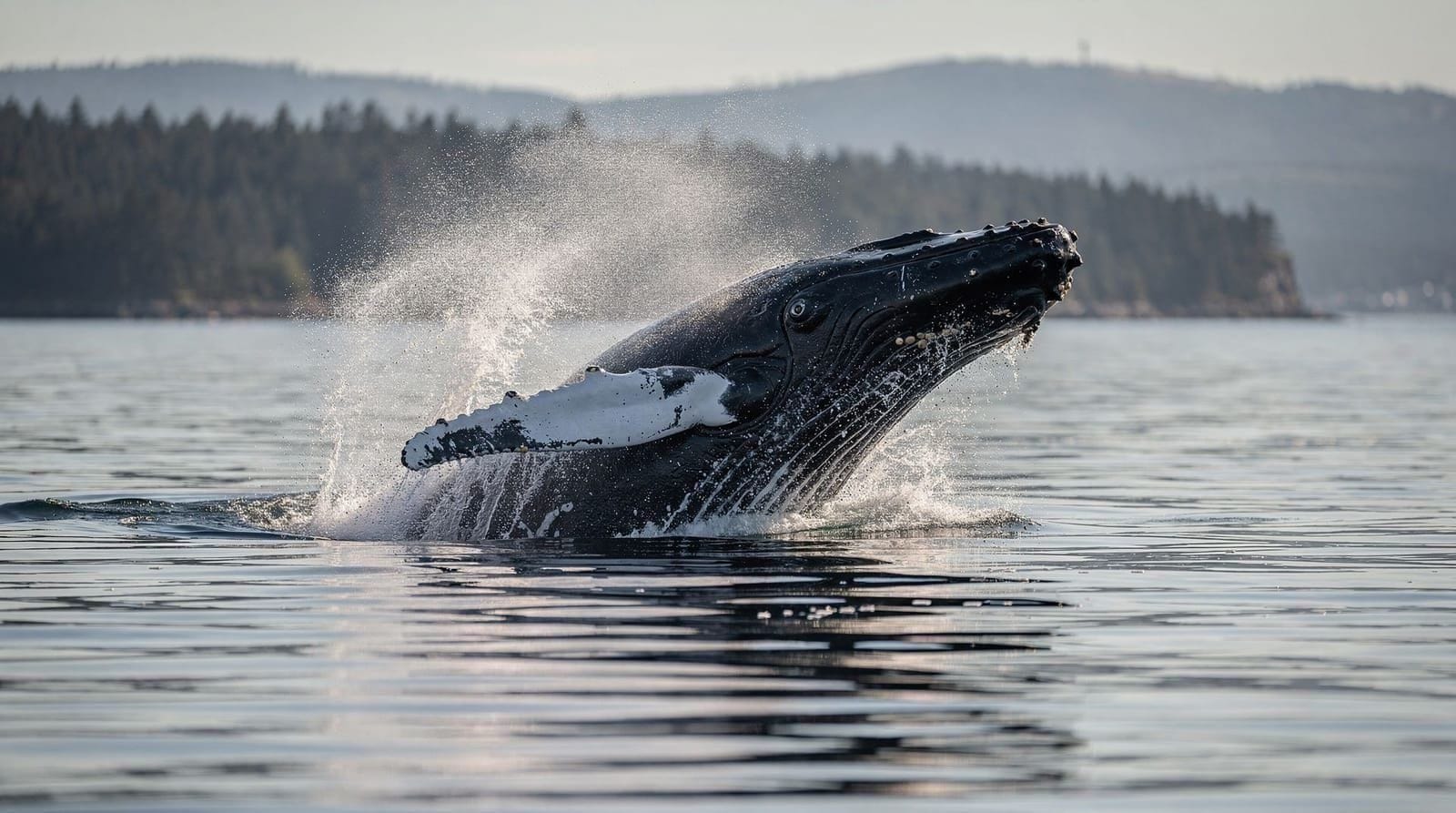
Vancouver: Whale & Wildlife Watching Tour with Free Photos
Is summer the best time to visit Vancouver?
For weather reliability, yes — June through August is the driest, warmest stretch of the year, with July the driest single month. It's also the most crowded and most expensive season, so summer is best for travelers who value guaranteed good weather over lower prices or thinner crowds.
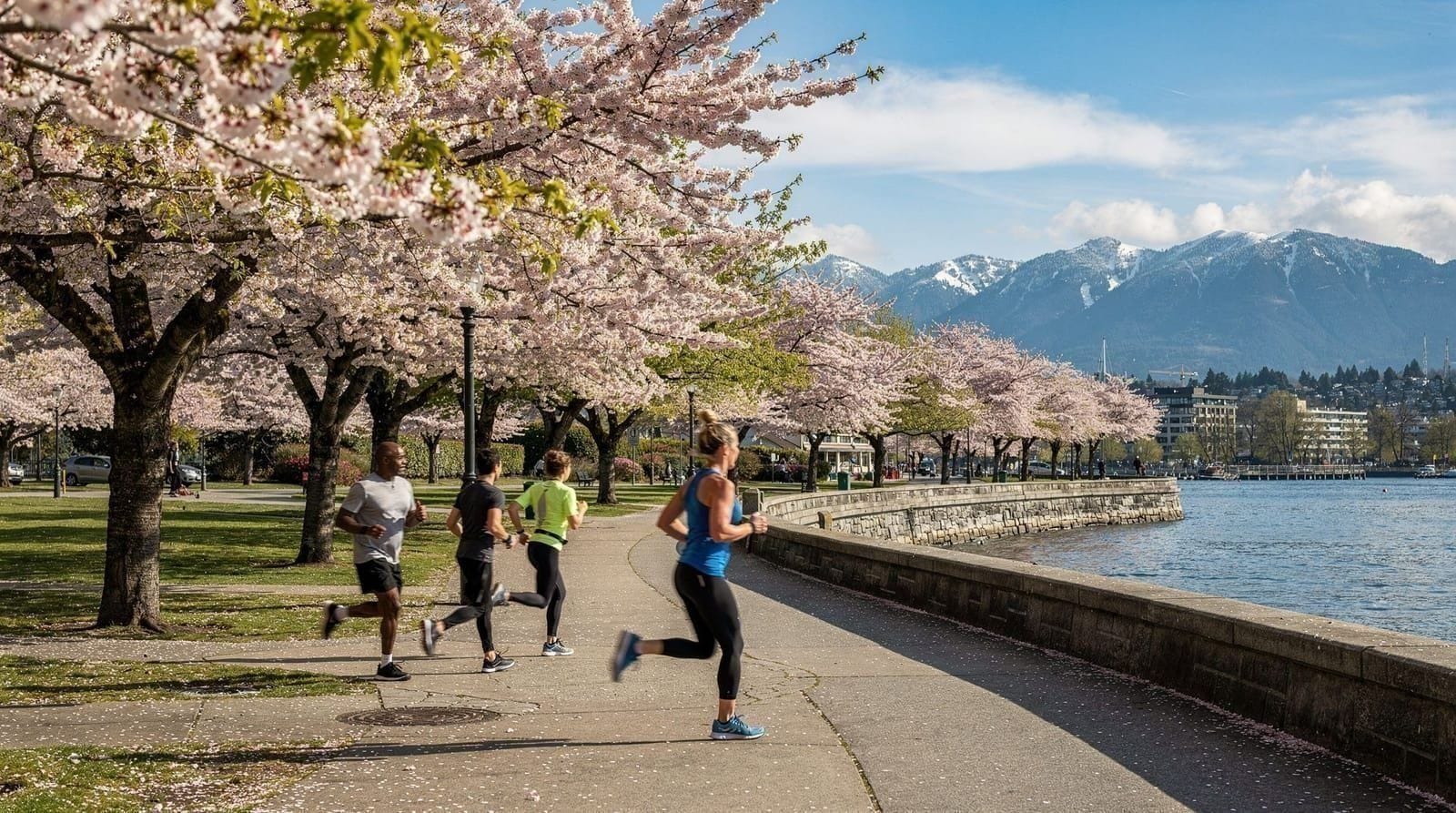
Summer is the version of Vancouver that shows up in most photos — blue sky over the North Shore mountains, English Bay full of paddleboards, the Seawall busy from dawn to dusk. It’s also the one season where the weather genuinely cooperates: June through August is dry, warm, and reliable in a way the other nine months aren’t. That reliability comes at a cost, though, in both crowding and price, and knowing what to book ahead versus what to leave flexible makes a bigger difference in summer than in any other season.
| Where | Vancouver city, Stanley Park beaches, whale-watching departures |
| Cost | Highest of the year; CAD 150-250+/person/day mid-range |
| Time needed | Best as part of a 4-7 day trip |
| Getting there | Book fixed-capacity activities ahead; transit fares don’t change |
| Best time | July for the driest, most reliable weather |
Summer at a glance: June, July, August
| June | July | August | |
|---|---|---|---|
| Highs | 18-22°C | 22-25°C | 22-25°C |
| Rain | Dropping, occasional showers early | Driest month, ~55mm all month | Same as July, plus wildfire smoke risk |
| Crowds/pricing | Rising toward peak | Annual peak | Annual peak |
| Whale watching | Orca season builds | Strong orca activity | Peak humpback numbers |
Month-by-month breakdown
June opens the season with temperatures around 18-22°C and rainfall dropping sharply from spring levels, though it’s not unusual for the first half of the month to still see occasional showers before the drier pattern locks in. Daylight is near its annual maximum, with sunset creeping past 9pm by the solstice. Whale watching starts to hit its stride in June as resident and transient orca pods settle into their summer routes through the Salish Sea.
July is the driest and most reliable month of the year, averaging only around 55mm of rain spread over roughly seven days for the entire month — a fraction of what November or December sees. Highs typically reach 22-25°C, occasionally warmer during heat events. This is also peak crowd season: hotel prices hit their annual ceiling, popular attractions see genuine queues, and advance booking stops being optional for anything with limited daily capacity.
August runs almost identical to July on temperature and rainfall, with the added factor of wildfire smoke becoming a real (if unpredictable) variable in some years, depending on conditions across BC and the broader Pacific Northwest — worth checking air quality forecasts if traveling during a dry, hot stretch. Whale watching hits its own peak in August as humpback numbers climb toward their August-September high, overlapping with the tail of strong orca sightings.
What actually works in summer
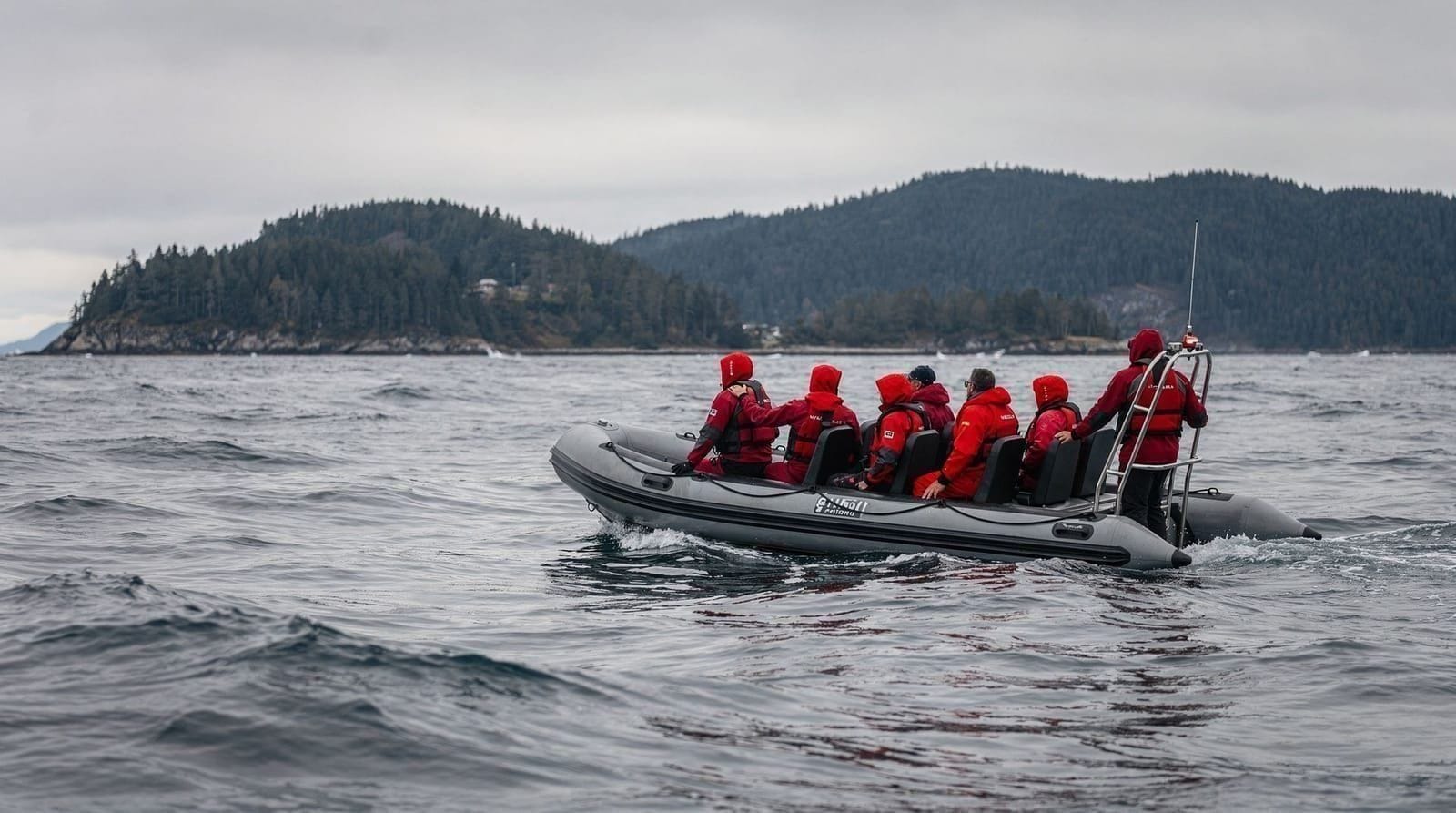
Whale watching is the clearest summer headline, and June through September genuinely is the strongest window of the year for it — the full month-by-month breakdown lives in the best time for whale watching guide. A Vancouver whale and wildlife watching tour departing from Coal Harbour or Granville Island is the most convenient option if the trip is city-based rather than built around a Victoria stay; the full comparison of departure points is in the Vancouver whale watching guide.
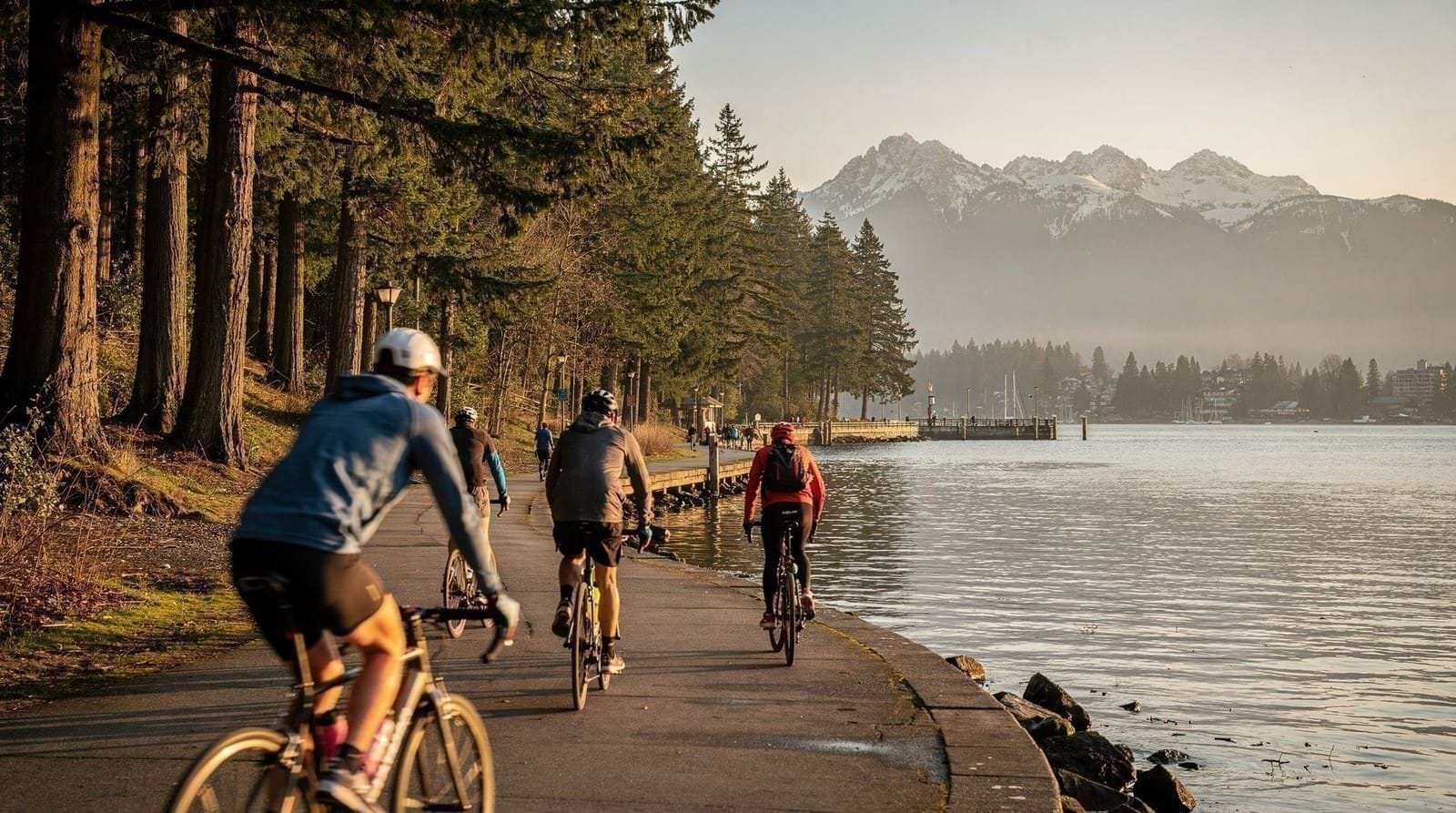
Stanley Park earns its reputation in summer specifically — the Seawall is at its most enjoyable when dry pavement and long daylight let a full loop happen without rushing, and the park’s beaches (Second Beach, Third Beach, English Bay) are the only time of year the water is remotely swimmable for most visitors. For orientation without committing to a full independent day, a hop-on hop-off bus tour covers the park loop plus downtown stops on a flexible schedule, useful for a first day before diving into specific neighborhoods.
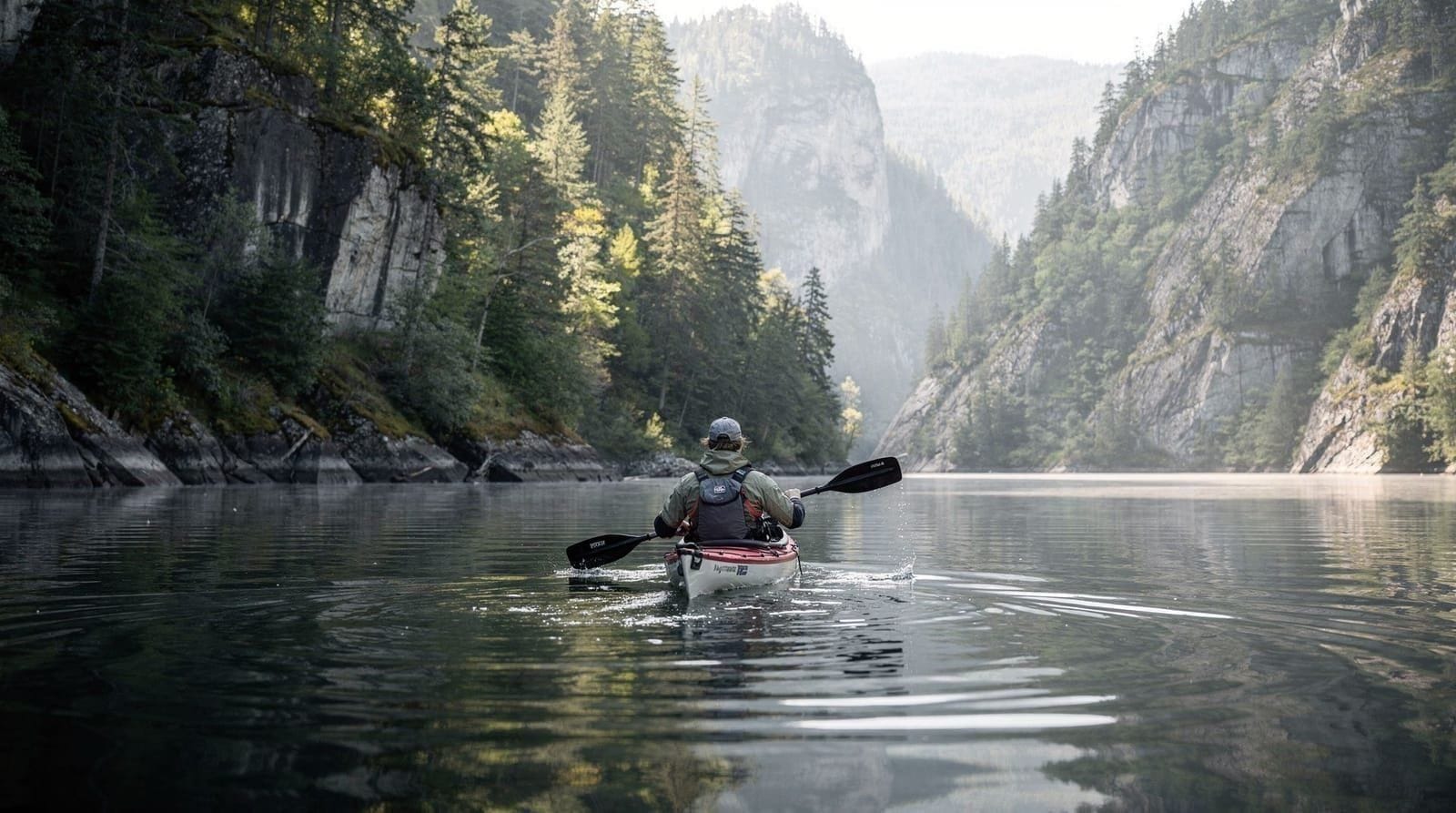
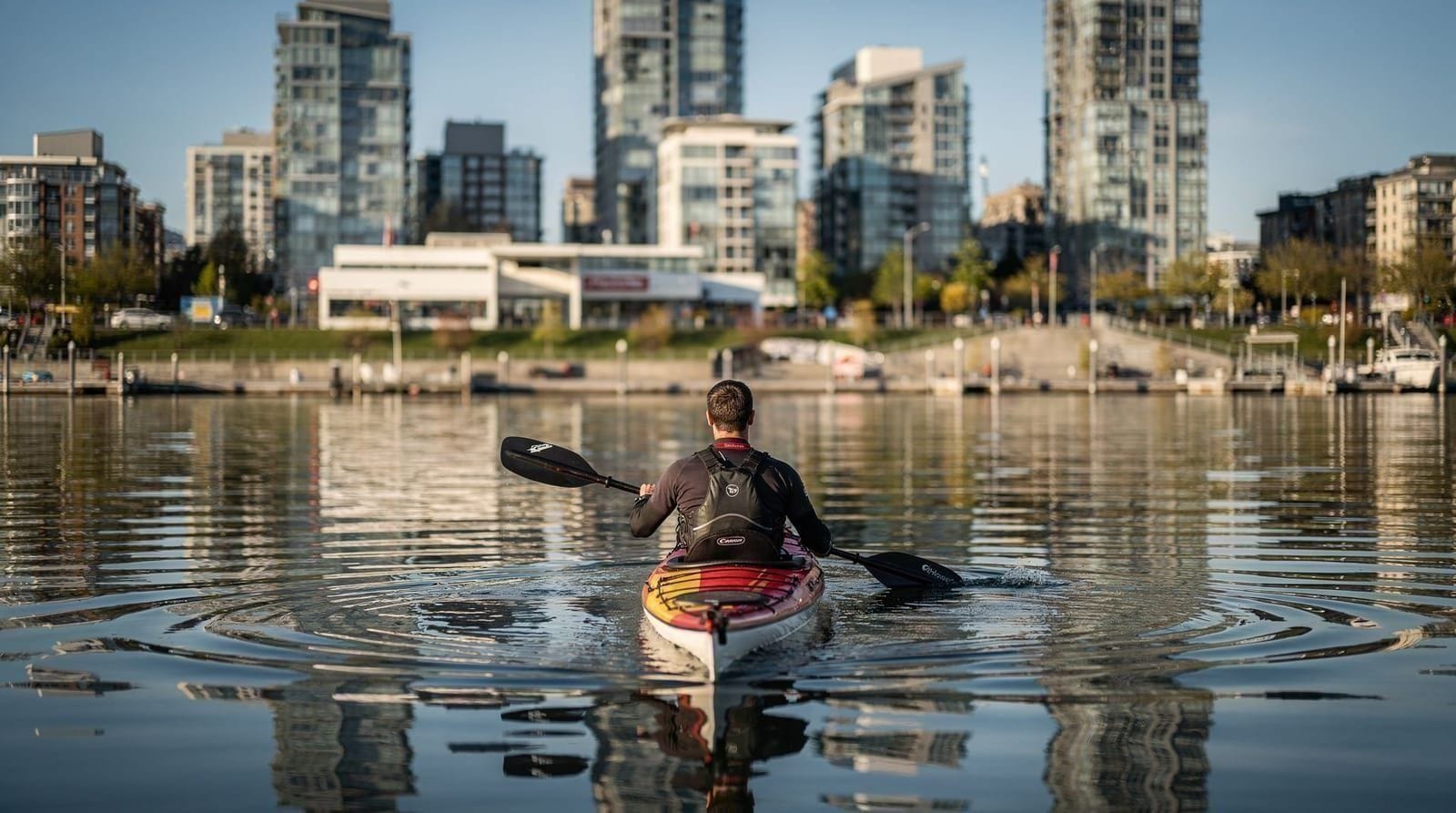
Water-based activities generally peak in summer: kayaking, sailing, and harbor cruises all run on calmer water and more predictable conditions than the rest of the year. A harbor sightseeing cruise is a low-effort way to see the working port, Canada Place, and the North Shore from the water on an evening when a full active-day activity feels like too much.
Crowds and pricing
Summer is Vancouver’s peak season by a clear margin, and pricing reflects it — hotel rates typically run at their annual high across July and August, and the honest daily budget benchmark of CAD 150-250 per person (covering food, transit, and one or two paid activities, excluding premium accommodation) sits at the upper end of that range in summer compared to shoulder months.
Popular timed-entry attractions like Capilano Suspension Bridge and Grouse Mountain see real queues without advance booking, particularly on weekends and around the Canada Day (July 1) long weekend. The is Vancouver expensive guide breaks down exactly where summer costs run highest and where they don’t move much at all.
What to book ahead versus leave flexible
Anything with fixed daily capacity — whale watching departures, Capilano and Grouse Mountain tickets, popular restaurant reservations — is worth booking at least several days ahead in July and August, and a week or more ahead for July 1 weekend or any major festival dates. What doesn’t need advance booking: the Seawall, most beaches, Granville Island browsing (though popular food stalls do get lines at peak lunch hours), and most neighborhood walking. The general rule of thumb for summer specifically is that if an activity has a website with a “book now” button and a specific time slot, treat that as a signal to book ahead rather than show up and hope.
Jet lag and long-haul arrivals in summer
Summer’s long daylight hours are a genuine asset for travelers arriving from a long-haul flight with jet lag, since the extended evening light makes it easier to stay up until a reasonable local bedtime rather than crashing at 6pm and waking at 3am. A slower first morning, followed by an afternoon and evening spent outdoors along the Seawall or at a beach, uses the season’s daylight to help reset a sleep schedule faster than a fully indoor first day would. This matters less in winter, when the earlier sunset gives jet-lagged travelers less daylight to work with during exactly the adjustment window when it would help most.
Festivals and events
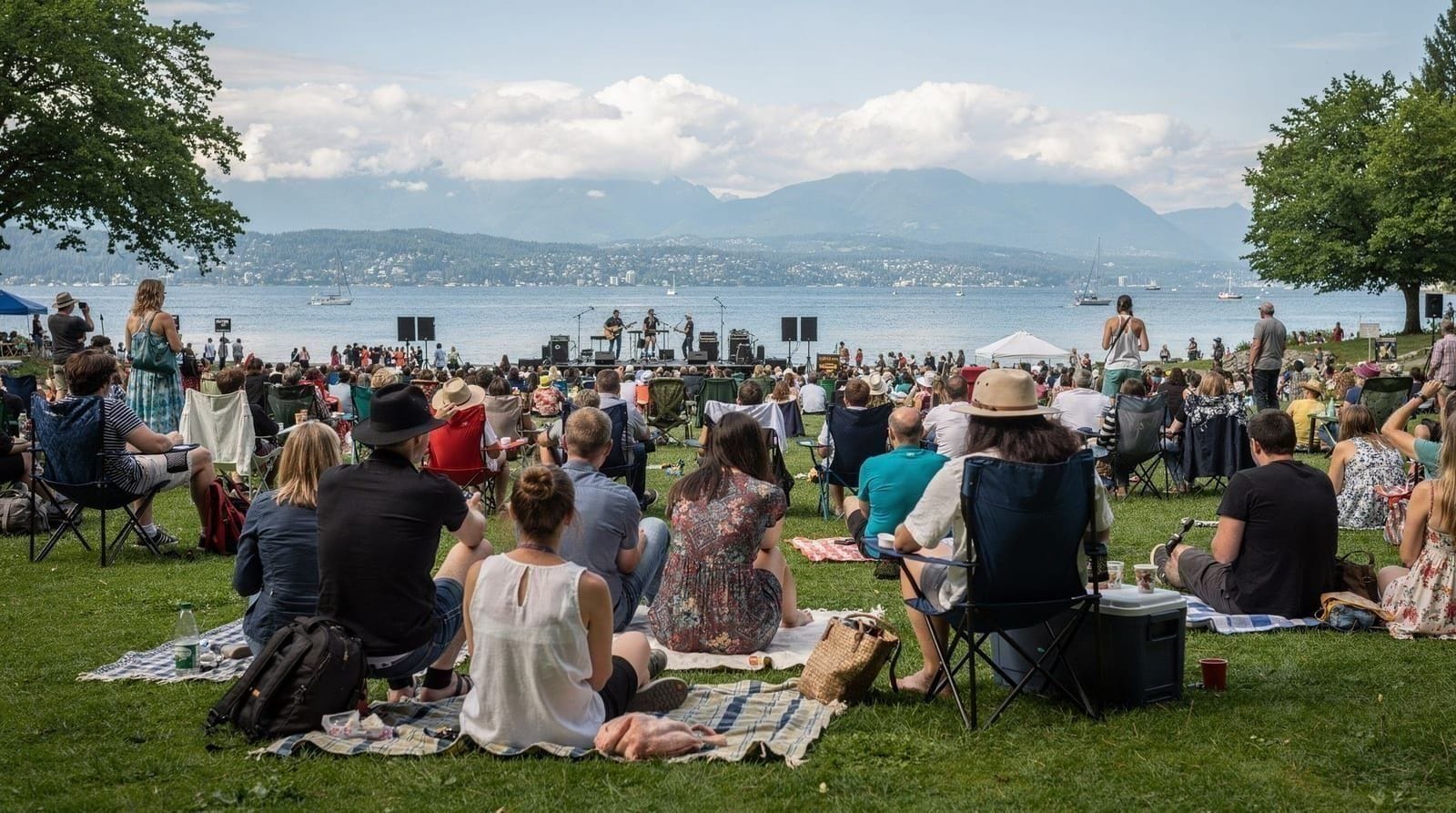
Summer carries the bulk of the year’s outdoor festival calendar. The Vancouver International Jazz Festival runs across several summer weeks with both ticketed and free outdoor stages, Vancouver Pride Festival lands in early August with its signature parade and related events, and various outdoor movie series and night markets fill weekday evenings throughout the season. The full calendar, including how festival timing intersects with hotel pricing, is covered in the Vancouver festivals guide.
Day trips in summer
Summer is when the region’s day-trip destinations are all simultaneously at their best, which is both an opportunity and a scheduling challenge. Whistler shifts fully into its summer program — mountain biking, hiking, the Peak 2 Peak Gondola — once the ski lifts close for the season.
Victoria and Butchart Gardens hit peak bloom and peak ferry demand simultaneously, so BC Ferries crossings from Tsawwassen to Swartz Bay are worth booking ahead on weekends. Squamish and the Sea to Sky Gondola run their full schedule with all trails accessible, making it the easiest season of the year to add a Squamish stop onto a Whistler day trip without weather risk.
Neighborhood notes for summer
Kitsilano and the West End are at their liveliest in summer, with Kits Beach volleyball courts, running paths, and cafe patios all in full use. Yaletown and Gastown extend into outdoor patio dining and later evening crowds thanks to the extended daylight. Granville Island is busiest at midday in summer specifically — an early morning or later afternoon visit avoids the worst of the market crowds while still catching most vendors open.
Packing for summer
Summer packing is the simplest of the year — light layers, sun protection, and comfortable walking shoes cover most days. It’s still worth carrying a light jacket for evenings, since temperatures drop noticeably once the sun sets, and for any outing that involves being on the water (whale watching, sailing, kayaking), since ocean-level wind chill runs cooler than the air temperature on land suggests, even on a 25°C day downtown.
Beaches, worth ranking honestly
Vancouver’s beaches don’t compare to a tropical destination, and it’s worth setting that expectation before summer arrives — the water stays cool even in August, rarely climbing much past 18-20°C, and the appeal is more about the setting than warm-water swimming. Kitsilano Beach is the best all-rounder: sand, mountain views across English Bay, a heated outdoor pool right next to it for anyone who wants warmer water than the ocean offers, and a walkable strip of cafes along Yew Street. English Bay Beach, closer to the West End, is smaller and busier but has the advantage of being directly walkable from most downtown hotels, plus the best sunset sightlines in the city thanks to its west-facing orientation.
Second and Third Beach, inside Stanley Park itself, are quieter than either of the above and pair naturally with a Seawall walk, with Third Beach in particular known as an unofficial sunset-watching spot among locals. None of these charge admission, and none require advance booking — they’re a genuinely free part of a summer itinerary in a season where most other activities carry a cost.
A sample summer week
A full week in summer has enough good-weather days to justify spreading city and regional time out rather than cramming everything into the first few days. A reasonable framework: two days on downtown and Stanley Park basics (Seawall, Granville Island, Gastown), one day for whale watching, one day trip to Whistler for summer mountain activities, one day trip to Victoria and Butchart Gardens, and the remaining time split between a North Shore day (Capilano, Grouse Mountain) and unstructured time for beaches or a second look at whichever neighborhood stood out.
The 4-day itinerary and Vancouver-Whistler 5-day itinerary both work from a similar structure and can be extended or trimmed depending on how many full days are available.
Making the most of long daylight
Summer solstice pushes sunset in Vancouver past 9:15pm, and even by late August it’s still setting well after 8pm — meaningfully more usable daylight than most travelers are used to managing. That extra light is worth building into a schedule deliberately rather than treating it as a bonus: an evening Seawall walk or harbor cruise after a 6pm dinner is a genuinely different experience with two more hours of daylight than the same activity would be in October.
It also means early starts aren’t strictly necessary to fit a full day in, which matters for travelers dealing with jet lag from long-haul flights, since a slower morning can still leave a full day’s worth of light for sightseeing. Restaurants and bars in Yaletown and Gastown lean into this too, with kitchens and patios often staying busy well past 10pm through July and August in a way that simply doesn’t happen once the clocks turn back in fall.
Common summer mistakes
The most frequent mistake is under-booking whale watching and Capilano/Grouse tickets, assuming Vancouver’s outdoor-focused reputation means capacity is unlimited — it isn’t, and July-August weekends routinely sell out popular time slots days in advance. The second is over-scheduling: because the weather is reliable, it’s tempting to pack every day full, but Vancouver rewards a slower pace better than a checklist approach, and cramming in too many timed bookings across one day (a whale watching tour, then Capilano, then a dinner reservation) leaves little room for the ferry delays, transit timing, or simple fatigue that come with a long summer day.
The third is skipping sun protection because “it’s Vancouver” — August UV levels are genuinely strong, and the combination of long days outdoors and reflective water on a boat tour catches visitors more often than they expect. A fourth, smaller mistake is assuming the water is warm enough to swim in comfortably just because the beaches look like a summer postcard — most visitors find the ocean bracingly cold even at the height of August, and the heated pool next to Kitsilano Beach exists precisely because of that gap between expectation and reality.
Cruise season overlap
Summer in Vancouver runs almost exactly parallel to Alaska cruise season, which typically runs May through September with July and August as its own peak. Vancouver serves as a major embarkation and disembarkation port for these cruises, which means Canada Place and the surrounding downtown core see a regular influx of cruise passengers on turnaround days, on top of the general summer visitor volume — worth factoring in if a summer trip includes a hotel stay near the cruise terminal, since those specific days can feel busier than the neighborhood average.
For travelers doing a short Vancouver stopover before or after an Alaska cruise, the 2-day Alaska cruise stopover itinerary is built specifically around that shorter timeframe and the practical logistics of getting to and from the cruise terminal.
What a summer trip costs
Summer sits at the top of the year’s price range across nearly every category. Hotels typically run at their highest rates of the year in July and August, and the CAD 150-250 per person per day mid-range benchmark (food, transit, one or two paid activities) sits at the upper half of that range or slightly above it once whale watching, Capilano, and Grouse Mountain tickets are factored in — those three attractions alone can add CAD 80-150 per person if visited together.
Where summer doesn’t cost noticeably more than shoulder season: free attractions like the beaches and Seawall, transit fares (Compass Card pricing doesn’t change seasonally), and casual food from Granville Island or Chinatown. The budget guide covers concrete ways to keep a summer trip closer to the lower end of that range without sacrificing the season’s best activities, and is Vancouver expensive breaks the comparison down against other North American destinations.
Families in summer
Summer is peak season for family travel specifically, since it aligns with school holidays across most of the visitor markets Vancouver draws from. Science World, the Aquarium, and Grouse Mountain’s grizzly bear viewing and lumberjack shows all see their heaviest family crowds in July and August, and it’s worth timing visits to these attractions for opening time or the last two hours of the day to avoid the midday peak. Family-specific accommodation and neighborhood advice — which areas suit stroller access, shorter walks between attractions, and easier evening logistics — is covered in more depth in the where to stay guide.
Getting around in summer
Transit runs the same fare structure year-round through TransLink’s Compass Card system (one-zone, two-zone, and three-zone fares depending on distance), but summer adds one wrinkle worth planning around: the SeaBus and Canada Line SkyTrain both see heavier commuter-plus-tourist crowding during weekday rush hours, which now overlaps with peak sightseeing traffic in a way it doesn’t in quieter seasons.
Driving downtown in summer means contending with the year’s highest parking rates and demand, so for anyone not doing a day trip requiring a car, transit or walking remains the more practical choice even at its busiest. The getting around Vancouver guide covers the full system, including how it holds up specifically during summer’s higher passenger volumes.
Summer versus the rest of the year
Compared to spring and fall, summer trades value and thinner crowds for weather certainty — if the trip dates are fixed and can’t be moved, summer is the only season that reliably delivers good weather regardless of which specific week gets picked. Compared to winter, it’s essentially the opposite trip: outdoor city and day-trip activities instead of Whistler skiing.
For travelers weighing summer against the shoulder-season alternative, the deciding question is usually whether guaranteed sunshine is worth the higher prices and advance-booking requirements — for many trip types, especially family trips locked into school holidays, the answer is yes by default since dates aren’t flexible anyway. The full seasonal comparison across all four options is in the best time to visit Vancouver guide, and a 4-day summer itinerary is a reasonable starting template for a first-time visit timed to this season.
Traveling with a group with different activity levels
Summer trips often mix travelers with very different appetites for physical activity — someone keen on a full North Shore hiking day alongside someone who’d rather stick to beaches and patios. The season’s reliable weather makes this easier to accommodate than it would be in a rainier month, since splitting a day between a hiking group and a beach-and-café group doesn’t risk either half losing their planned activity to weather. Kitsilano Beach and the Seawall work well as a shared meeting point in the evening after a split day, letting both halves of a group reconvene for dinner without either side having compromised on their preferred pace earlier.
Choosing between June, July and August specifically
For travelers who can pick a specific summer month, July is the safest bet on weather alone — the driest, most reliably dry stretch of the year. June is a reasonable trade for slightly lower prices and crowds than the July-August peak, accepting a small amount of extra rain risk early in the month. August matches July on weather but adds the wildcard of wildfire smoke in some years, worth checking air quality forecasts for if traveling during a dry, hot regional stretch. None of the three months differ meaningfully on cost once inside the summer season generally, so the choice mostly comes down to whether school-holiday timing forces the decision anyway.
Top experiences
Bookable activities with verified prices and instant confirmation on GetYourGuide.