Vancouver in fall — weather, whales, and the shoulder-season sweet spot
From Vancouver: Capilano Suspension Bridge & Grouse Mountain
Is fall a good time to visit Vancouver?
September is arguably the best month of the year — near-summer temperatures, thinner crowds than July-August, and peak humpback whale season. October is still workable for the first half before rain increases sharply, and both months offer noticeably lower prices than summer.
Ask a local which season they’d recommend to a first-time visitor and a surprising number will say September rather than July. It’s not a contrarian take — September genuinely delivers near-summer weather with a fraction of the crowds and a noticeably lower price tag, and it overlaps with the best stretch of humpback whale season. October is a different story, still workable for the first half before the region’s famous rain returns in earnest. Fall as a whole is Vancouver’s honest shoulder-season sweet spot, and it rewards travelers willing to trade a small amount of weather certainty for meaningfully better value.
| Where | Vancouver city, North Shore, whale-watching departures |
| Cost | Below summer rates; September closer to shoulder pricing |
| Time needed | Best as part of a 4-7 day trip |
| Getting there | Same access as any season; no special booking needed |
| Best time | September, for near-summer weather with thin crowds |
Fall at a glance: September versus October
| September | October | |
|---|---|---|
| Temperatures | 15-20°C, occasional Indian summer | 10-15°C first half, cooler after |
| Rainfall | Low early-to-mid month | Rises sharply in the back half |
| Crowds | Thinning post-Labour Day | Thin, except Thanksgiving weekend |
| Whale watching | Peak humpback season | Winding down but still viable |
| Hiking | Best conditions of the year | Good first half, wetter after |
Month-by-month breakdown
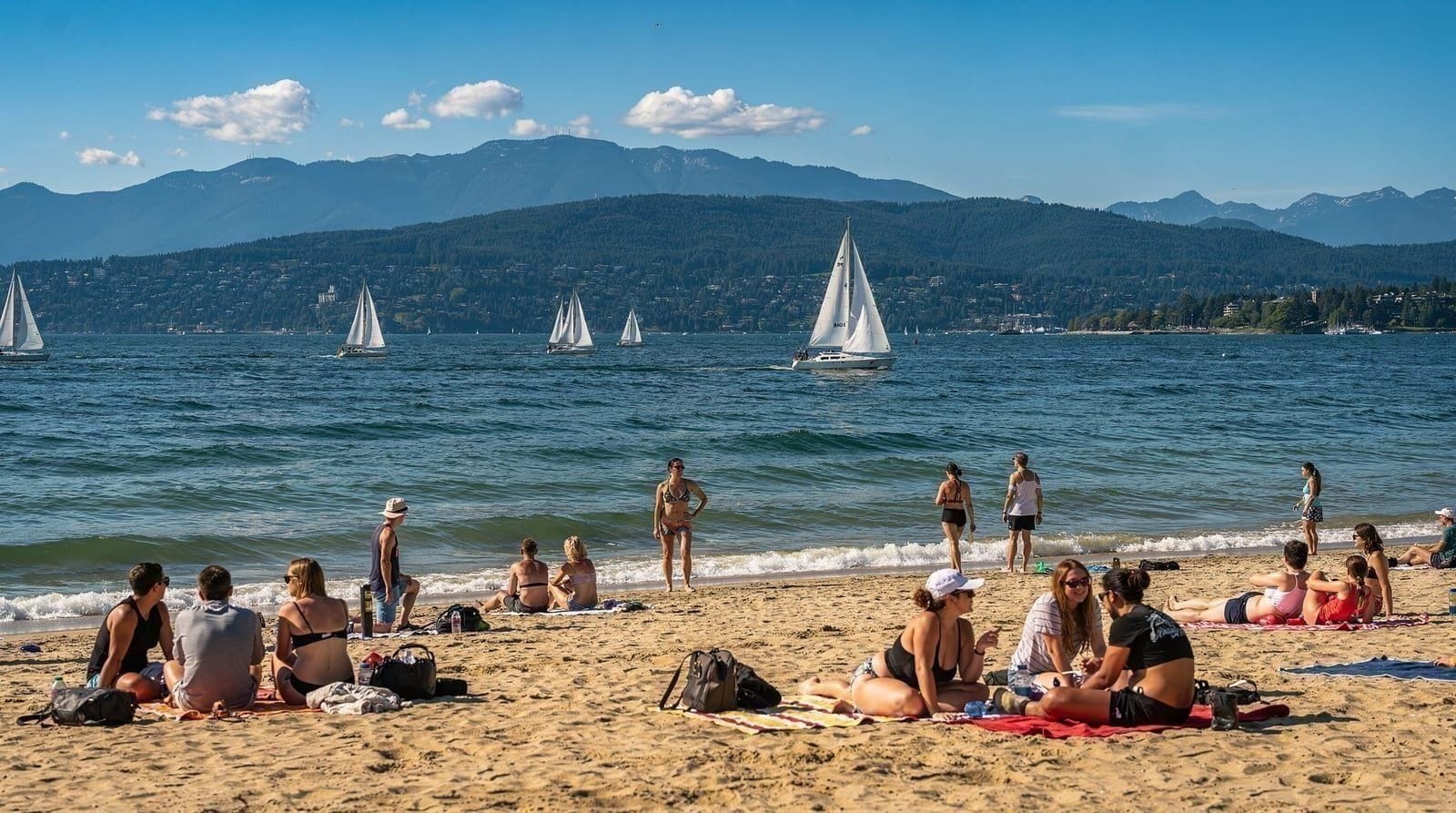
September holds onto summer’s momentum longer than most visitors expect. Temperatures typically run 15-20°C through the first half of the month, occasionally warmer during an “Indian summer” stretch, and rainfall stays relatively low through early-to-mid September before beginning its seasonal climb. Crowds thin out meaningfully once school resumes across North America and Europe, and hotel prices ease from their July-August peak. This is also peak humpback whale season, overlapping with the tail end of strong orca sightings — the orca vs. humpback comparison breaks down exactly which species to expect and when.
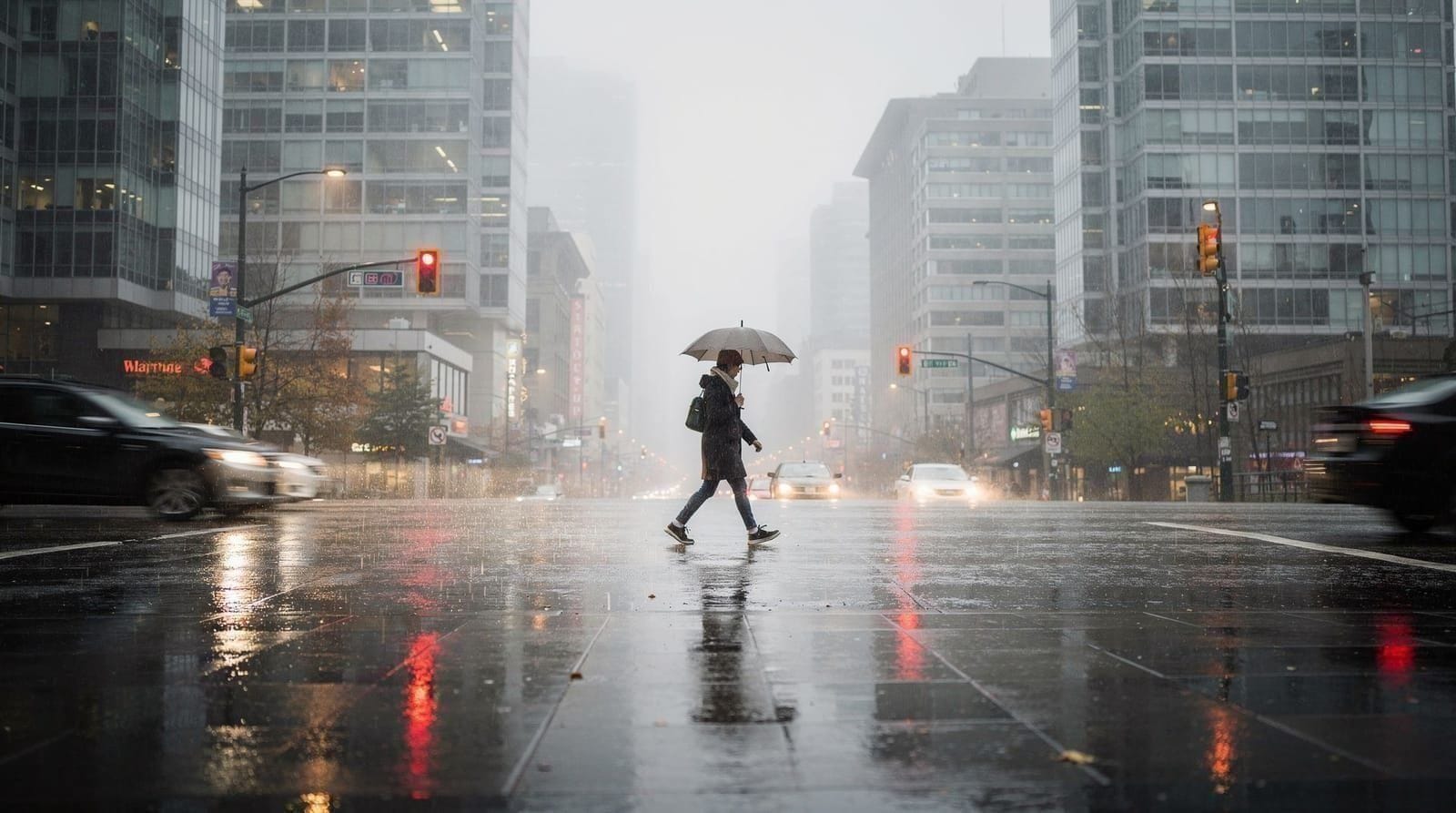
October splits into two distinct halves. The first two weeks often still deliver reasonable weather — cooler than September, 10-15°C, but not yet the sustained rain of deep fall — along with the added bonus of fall colors starting to show in the city’s maple and Japanese maple plantings and up at higher elevations. By the back half of October, rainfall increases sharply and the wet season most people associate with Vancouver winter effectively begins early. The rain guide covers how to handle a trip that lands in this wetter window.
What actually works in fall
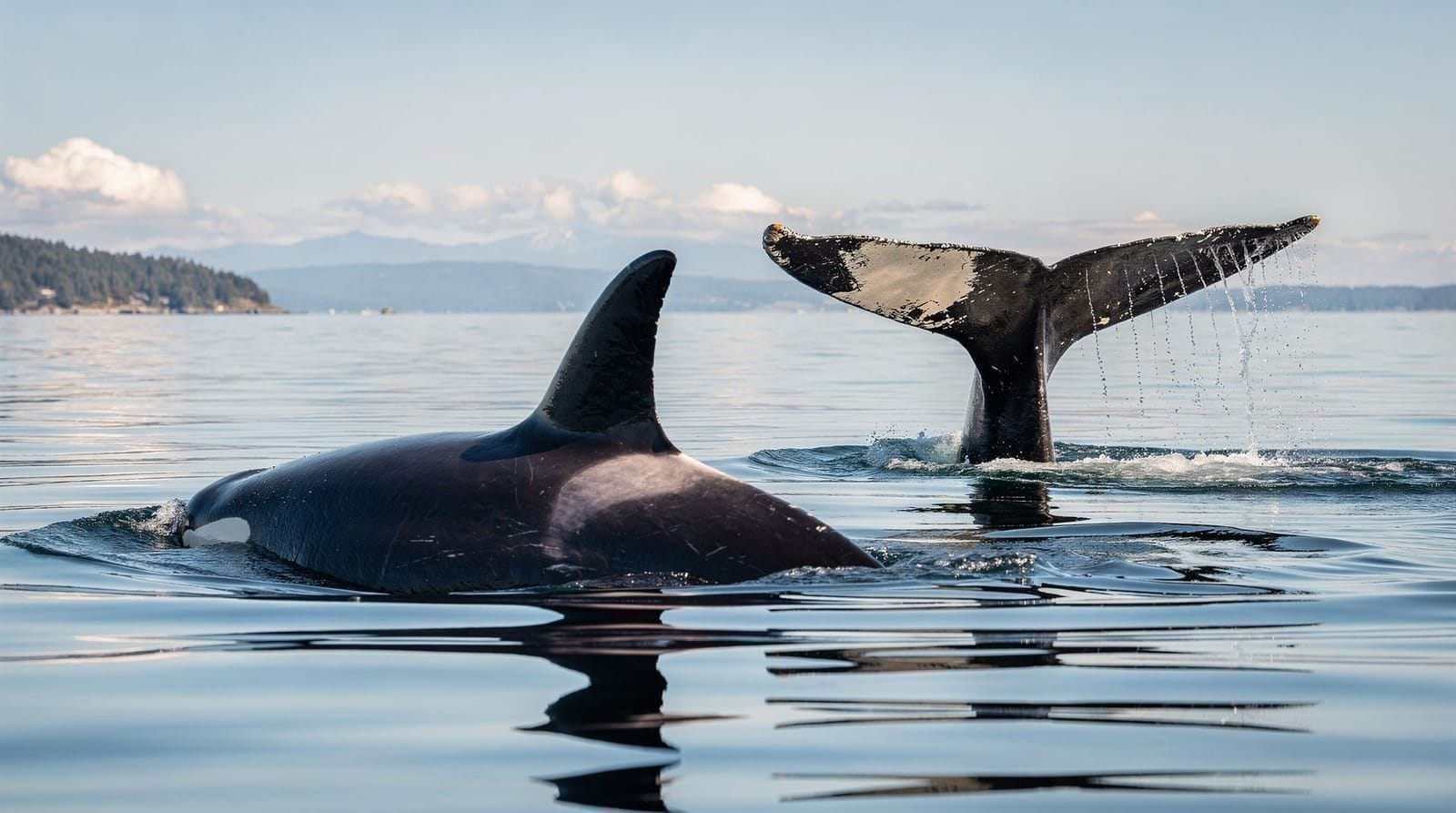
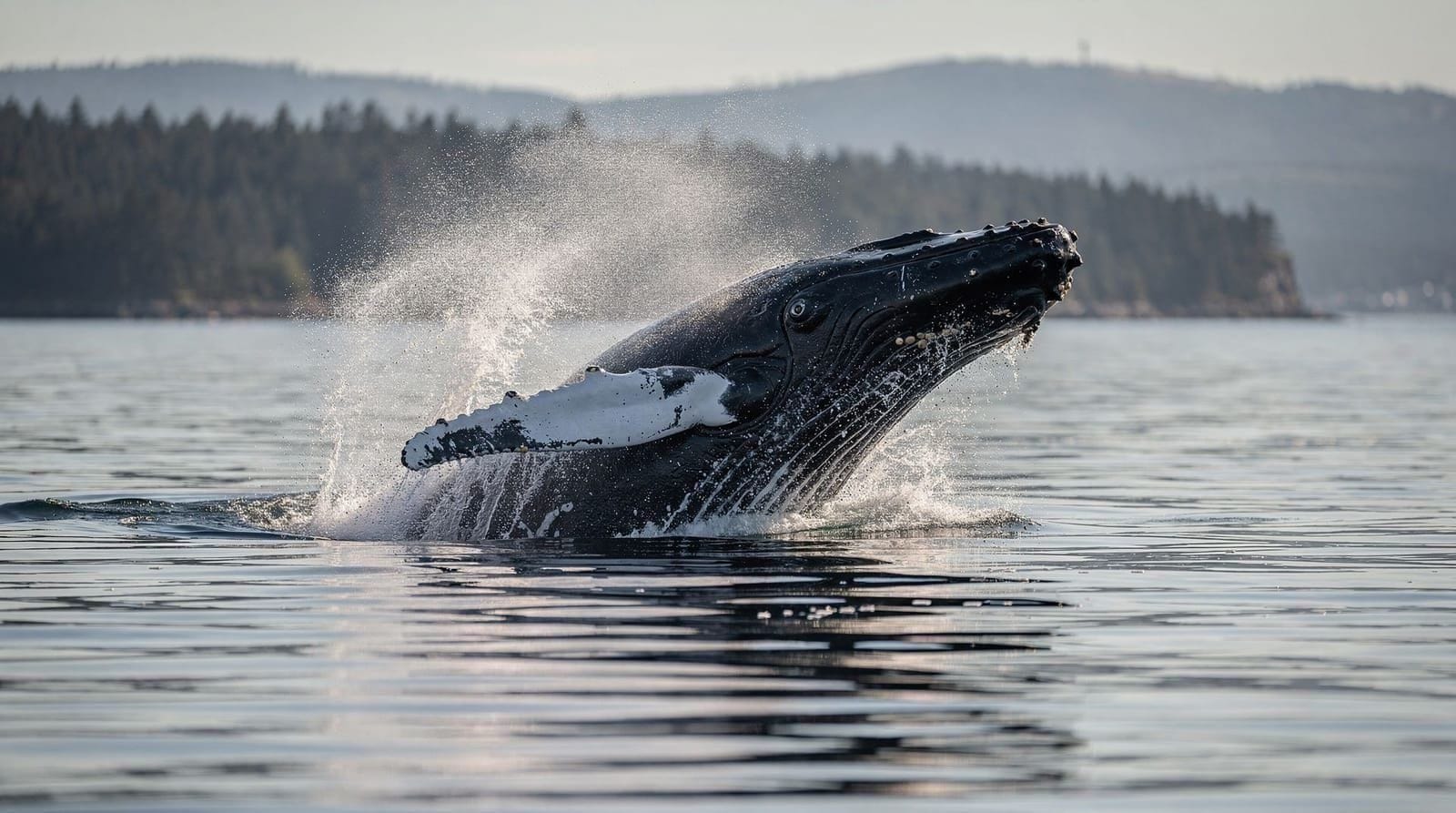
Whale watching is fall’s strongest single reason to visit, specifically because humpback numbers peak in this window even as orca activity is winding down from its summer high — full detail in the best time for whale watching guide. A Vancouver whale and wildlife watching tour in September routinely reports strong sighting odds without the July-August boat crowds, making it arguably the best month of the year to book one.
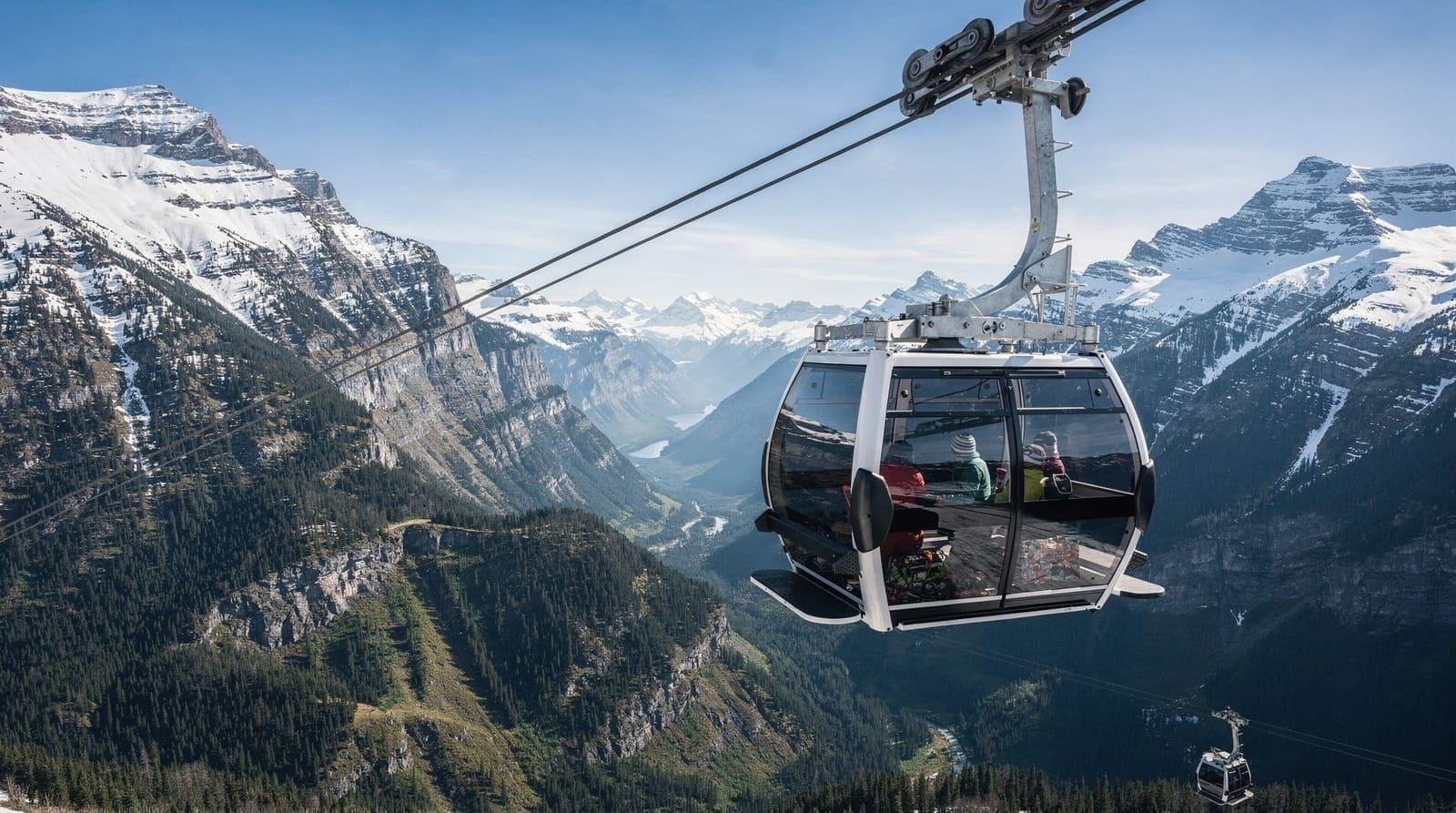
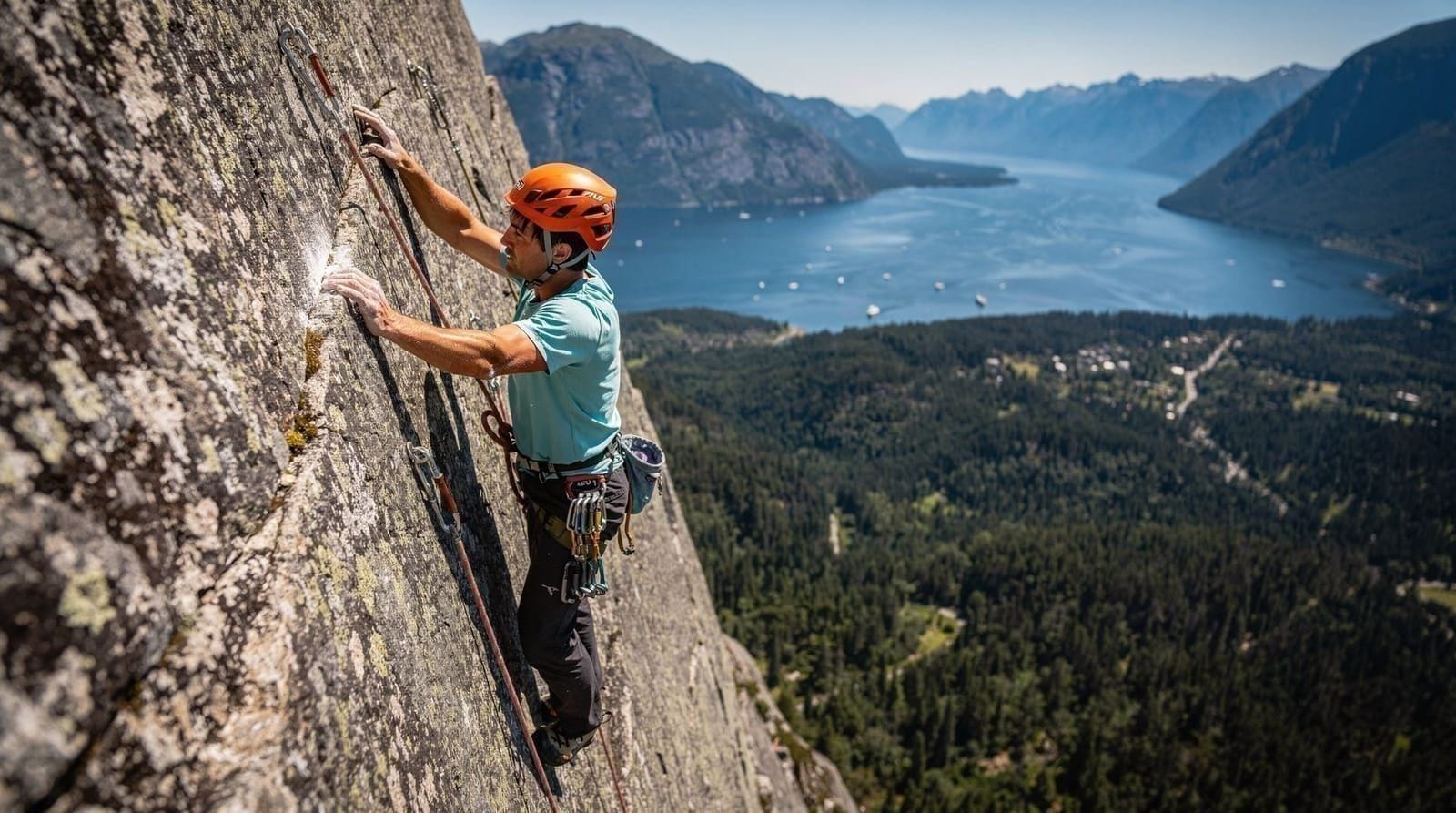
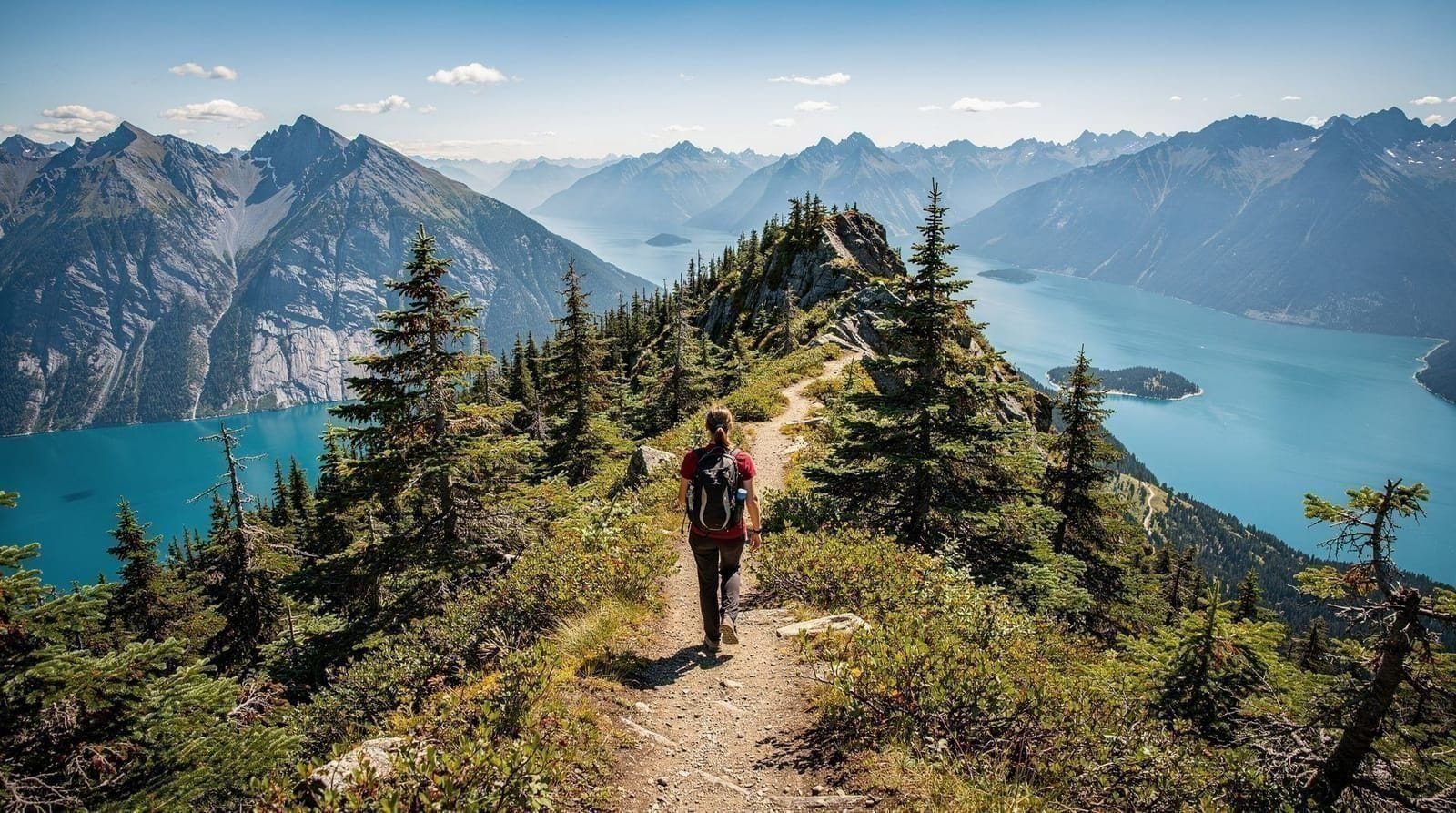
Hiking is the other fall highlight. Trails are in some of their best condition of the year — dried out from summer, not yet muddy from winter rain, and with far fewer bugs than midsummer — and the best hikes in Vancouver roundup is worth checking for trail-specific timing. Combining a North Shore hike with a Capilano and Grouse Mountain day tour works especially well in September, when both attractions run their full schedules without summer’s queue lengths.
For a shorter, more targeted North Shore outing, the Grouse Mountain express skyride gets straight to the mountaintop views and bear viewing without the combined-ticket time commitment. Grouse Mountain’s resident grizzly bears, Grinder and Coola, are also visibly more active in fall as they build up fat reserves ahead of winter, which makes September and October a genuinely good window for bear viewing specifically, separate from any hiking plans.
Fall colors and where to see them
Vancouver’s fall color display is modest compared to eastern Canada, but it’s real, and it peaks roughly mid-to-late October depending on the year’s temperature pattern. Queen Elizabeth Park, VanDusen Botanical Garden, and the tree-lined streets of Kitsilano and Commercial Drive all put on a decent show, and higher-elevation spots accessed via Grouse Mountain or the Sea to Sky Gondola show color even earlier, often by mid-September, since temperatures drop faster with elevation.
What locals do differently in fall
Locals treat September specifically as a kind of unofficial second summer, and the shift shows in small ways worth watching for as a visitor cue — patios stay busier later into the month than a calendar would suggest, and weekday lunch crowds at popular restaurants thin out noticeably once the return-to-school and return-to-work rhythm resets in September. That local behavior is a reasonably reliable signal that the month’s reputation among Vancouverites isn’t just marketing; residents genuinely treat it as one of the best stretches of the year, worth reading as a cue that the weather and crowd calculus really has shifted rather than assuming any specific claim about a shoulder-season month is inflated tourism-board messaging.
The Vancouver International Film Festival
VIFF runs from late September into October and is one of the city’s more significant cultural events, drawing a mix of locals and film-focused travelers to venues across downtown. It’s not a reason on its own to time a trip, but for anyone already visiting in this window, checking the festival schedule against travel dates is worth the five minutes it takes — venue locations cluster around downtown and are easy to combine with regular sightseeing days.
Tickets for individual screenings are typically available up to the day of, though headline gala screenings and high-profile premieres sell out faster and are worth booking a few days ahead if a specific film matters. For travelers with no particular interest in film, the festival mostly registers as a mild increase in downtown foot traffic around venue clusters rather than something that disrupts a normal sightseeing day.
Salmon runs
Late September through November is salmon run season across several BC waterways, with some accessible viewing spots within reasonable distance of the city. It’s a genuinely different kind of nature experience from whale watching or hiking, and worth building in as a half-day addition for travelers with a specific interest in wildlife rather than a core itinerary item for most visitors.
Spawning salmon are visible in shallow, fast-moving stretches of several North Shore creeks, and local parks staff or visitor centres near North Vancouver can usually point to whichever creek is running strongest in a given week, since exact timing shifts year to year with water levels and temperature. It pairs naturally with a North Shore hiking day rather than requiring a dedicated trip of its own.
Crowds and pricing
Fall pricing drops meaningfully from summer’s peak, particularly by late September once the post-Labour Day crowd thins out. Hotels typically price September closer to spring shoulder-season rates than to July-August levels, and October continues that downward trend before winter’s own low season sets in around November. Attraction booking gets noticeably easier too — Capilano and Grouse Mountain rarely require the multi-day advance booking that summer weekends demand, though popular whale watching departures in September still benefit from booking a few days ahead given how many people have caught onto the month’s value.
Restaurant reservations follow the same pattern — a walk-in that would have been impossible on a July Saturday becomes realistic again by mid-September, and popular spots in Gastown and Yaletown that run a wait list all summer often don’t need one at all once October arrives.
Neighborhood notes for fall
Gastown and Chinatown are particularly well suited to fall visits, since their appeal — architecture, food, indoor markets — holds up regardless of a rain shower, and September’s milder crowds make wandering the cobblestone streets more pleasant than during summer’s peak foot traffic.
Granville Island shifts its produce offerings toward fall harvest items — squash, apples, late-season berries — giving the market a different character than its summer stalls. Kitsilano loses some of its beach-day energy as the weather cools, but the neighborhood’s cafes and independent shops along 4th Avenue stay busy year-round, making it a reasonable fall base even without beach weather as the draw.
Day trips in fall
Whistler sits in an odd in-between in early fall, past its summer activity season but before ski lifts open in late November — worth checking current operating status before planning a September or October visit specifically for mountain activities. Victoria and Butchart Gardens remain fully open through fall with a noticeably quieter Inner Harbour than summer delivers, and BC Ferries crossings rarely need advance booking outside long weekends.
Squamish hiking, including the Sea to Sky Gondola network, is arguably at its best in September specifically, combining good weather with thin crowds. The Fraser Valley also comes into its own in fall, with harvest-season farm markets and Thanksgiving pumpkin patches adding a genuinely local, low-key day-trip option that doesn’t show up on most first-time visitor itineraries.
What a fall trip costs
Fall sits comfortably below summer on nearly every cost metric. Hotels in September typically run 15-25% below July-August peak rates, dropping further into October, while whale watching, Capilano, and Grouse Mountain pricing stays flat year-round regardless of season — meaning the same activities simply cost less overall once accommodation savings are factored in.
The budget guide and is Vancouver expensive both cover fall-specific value in more depth. Car rentals for day trips also see a modest price dip once summer demand eases, which matters for anyone planning to self-drive to Squamish or the Fraser Valley rather than book a guided tour, though it’s rarely a dramatic enough difference to be a primary reason to shift travel dates on its own.
Common fall planning mistakes
The most common mistake is treating September and October as a single undifferentiated “fall” block — the two months are genuinely different, with September closer to summer and October closer to winter, and a trip planned for “fall” without picking a specific month risks landing on the wrong side of that split. The second is skipping whale watching under the assumption that peak season has passed once July and August are over, when in fact humpback numbers are often at their annual best in September. The third is under-packing for October rain while over-packing rain gear for September, when the reverse is usually closer to the actual weather pattern.
Layering for a fall trip
Fall packing needs to cover a wider temperature swing than summer or even spring — a September morning can start near 12°C and climb to 20°C by afternoon, while October adds real rain probability into the mix on top of the same daily swing. A packable rain shell earns its place in the bag for both months, but it matters more in October, when it’s genuinely likely to be needed on any given day rather than a just-in-case item.
Footwear should assume at least some wet pavement or muddy lower trail sections, particularly for anyone combining city time with hiking around Lynn Canyon or Pacific Spirit Park. Evenings cool quickly once the sun sets earlier than summer hours, so a mid-weight layer for after-dark activities is worth including even on a warm September day.
Photography in fall
Fall light has a particular quality in Vancouver that photographers specifically seek out — lower sun angles that last longer through the day than summer’s overhead light, combined with fall foliage color and, in September, still-green backdrops that haven’t yet turned. The North Shore mountains, often obscured by summer haze, become sharper and more visible from downtown viewpoints as humidity drops. Golden hour arrives earlier than summer, shifting from around 7pm in September toward 5pm by late October, which actually makes evening photography more accessible for travelers who don’t want to stay out until 9pm to catch it.
A sample fall week
A week built around September works well split roughly evenly between city time and day trips: two days on downtown basics and Stanley Park, one day for whale watching timed to catch peak humpback activity, one day trip to Victoria and Butchart Gardens taking advantage of thinner ferry crowds, one North Shore day combining Capilano with a hike, and the remaining days left open for neighborhoods that stood out on the first pass — Granville Island, Gastown, or a return visit to a favorite viewpoint now that fall light has changed how it looks.
The 4-day itinerary adapts well to this structure, and travelers with more time can extend into the Vancouver Island 7-day itinerary to take advantage of the region’s thinner fall crowds beyond just the city.
Thanksgiving and other fall dates to know
Canadian Thanksgiving falls on the second Monday of October, and it’s worth building around rather than through if travel dates are flexible — it creates a domestic long weekend that pushes up demand for popular restaurants, day-trip ferries, and family attractions in a way that doesn’t match the otherwise-quiet October pattern.
Outside that specific weekend, October stays genuinely low-key on the events calendar compared to summer’s festival-heavy months, which suits travelers who’d rather build their own itinerary than work around a packed schedule of programmed events. Halloween season brings some seasonal decoration and themed activities to family attractions like Science World and the Aquarium in the final week of October, though nothing on the scale of the city’s Christmas market build-up in November and December.
Rainy-day backup plan for October trips
Anyone booking an October trip, particularly the back half of the month, should plan at least one full indoor backup day into the itinerary rather than treating every day as an outdoor one. FlyOver Canada and the Vancouver Lookout both work regardless of weather, Granville Island Market is covered and genuinely enjoyable in the rain, and the neighborhoods built around food and shopping — Gastown, Chinatown, Yaletown — hold up fine under an umbrella.
The full rain guide goes deeper into how locals actually structure a day around a wet forecast rather than fighting it, which is a more useful mindset for October specifically than for any other month covered here.
Who fall suits best
Fall’s combination of good weather and thin crowds makes it particularly well suited to couples and independent travelers who don’t need to work around school holidays, and to anyone prioritizing photography, hiking, or a slower-paced trip over a packed checklist. Families are a slightly different case — September specifically works against most school calendars in the visitor markets Vancouver draws from, so fall trips skew toward travelers with flexible schedules, retirees, or families willing to pull kids out for a long weekend around Thanksgiving.
For couples specifically, September’s quieter restaurants and shorter lines at popular viewpoints make it a strong choice for anyone weighing it against the other shoulder-season option covered in the spring guide — the deciding factor usually comes down to whether cherry blossoms or whale watching and hiking conditions matter more.
Fall versus the rest of the year
Compared to summer, September specifically gives up very little on weather while gaining meaningfully on crowds and price — it’s the strongest value trade in the calendar for travelers with flexible dates. Compared to spring, fall wins clearly on whale watching depth but loses on cherry blossoms, which don’t have a fall equivalent. Compared to winter, fall retains outdoor city and hiking access that winter’s rain and lack of daylight make harder to use well.
For a traveler choosing a single best month across the entire year with no other constraints, September is a genuinely strong answer, covered alongside every other month in the best time to visit Vancouver guide. A 3-day itinerary or 4-day itinerary both work well against a September timeline without needing summer-level advance planning.
Cruise season’s tail end
Alaska cruise season typically runs into September, and Vancouver serves as an embarkation and disembarkation port through the month’s early weeks, meaning downtown and Canada Place still see a real influx of cruise passengers on turnaround days even after summer’s peak has passed. This matters for anyone booking a hotel near the cruise terminal for an early-September stay, since those specific turnaround days can feel busier than the surrounding neighborhood average despite the broader seasonal thinning. By October, cruise traffic has largely wound down for the year, removing that specific crowd factor entirely from an already-quieter month.
Choosing between September and October specifically
Travelers with genuinely flexible dates should default to September over October unless a specific October event (Thanksgiving, VIFF’s later screenings, or fall colors peaking) matters more than weather reliability. September delivers close to summer’s temperature range with a fraction of the crowds and booking pressure, while October is a real gamble past its first two weeks — workable, but increasingly likely to mean at least one full rain day per trip length. For a short 3-4 day trip specifically, September’s more reliable weather reduces the risk of losing an entire outdoor day to rain, which matters more on a short trip than a longer one with more days to absorb a washout.
Top experiences
Bookable activities with verified prices and instant confirmation on GetYourGuide.